How to Style a Necklace with Neckline Variations: Expert Guide
Learn how to perfectly match your necklace with neckline styles. Discover exact chain lengths, pendant scales, and metal pairings for any outfit.

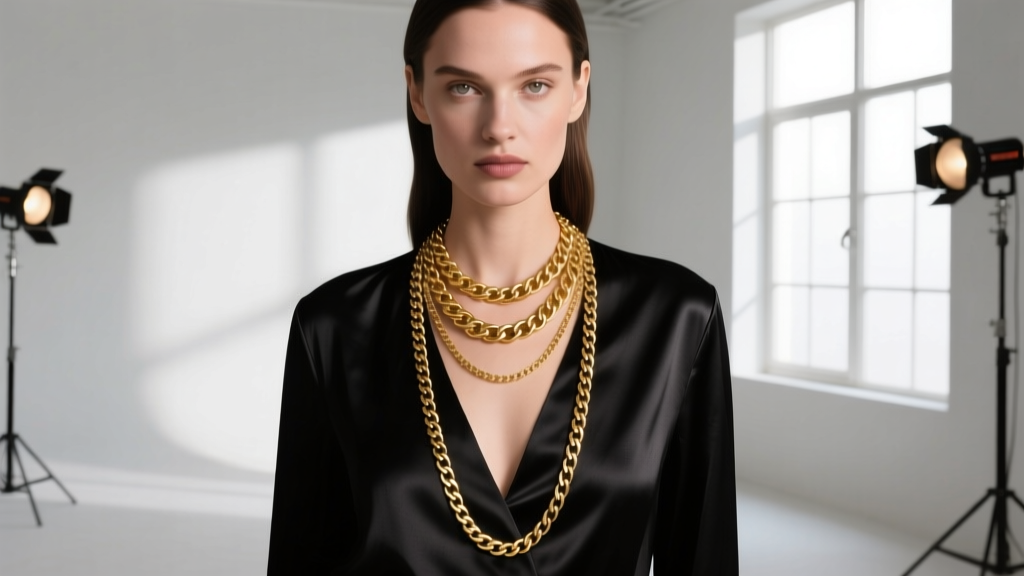
Mastering the art of pairing jewelry with clothing requires more than just an eye for color; it demands an understanding of geometry, visual weight, and material science. When you learn how to properly style a necklace with neckline variations, you elevate your entire look from haphazard to intentionally curated. The interplay between the negative space of your outfit and the metallic lines of your jewelry creates a focal point that can elongate the neck, balance the shoulders, or draw attention to a specific pendant.
This comprehensive, step-by-step guide will walk you through the exact measurements, chain gauges, and styling frameworks used by professional image consultants. Whether you are working with delicate 14k gold chains or heavy sterling silver links, these principles will ensure your jewelry always complements your wardrobe.
Step 1: Identify the Neckline Architecture
Before selecting a chain, you must analyze the geometric boundaries of your garment. Necklines generally fall into four architectural categories, each dictating a different jewelry strategy:
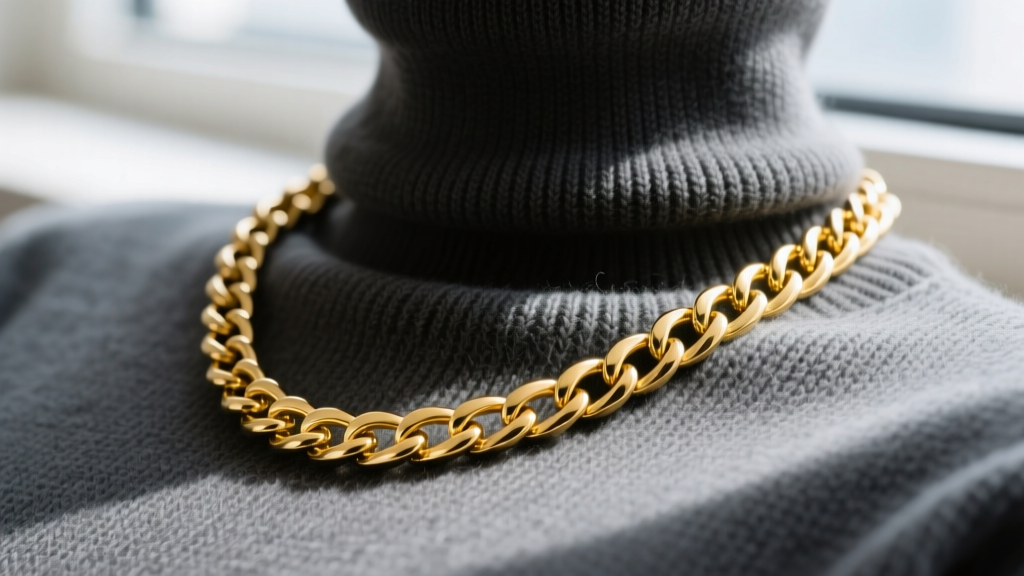
- The Enclosed Circle (Crew & Turtleneck): These necklines create a hard horizontal boundary close to the base of the neck. They require either a tight, contrasting choker or a long, dramatic drop to break up the fabric block.
- The Angular Plunge (V-Neck & Sweetheart): These styles create natural leading lines pointing toward the sternum. Your jewelry should mimic and extend this geometry, creating a continuous visual flow.
- The Wide Curve (Scoop & Boatneck): These expose the collarbones and shoulders, offering a broad canvas. They are ideal for layered pieces or wide, horizontal statement collars.
- The Asymmetric/One-Shoulder: These disrupt visual balance. The best approach is often minimalism—letting the garment's asymmetry speak for itself, or using a single, delicate chain to avoid clutter.
Step 2: The Drop-Length Formula
Chain length is the most critical variable when matching a necklace with neckline shapes. According to Blue Nile's jewelry education guidelines, standard chain lengths are designed to hit specific anatomical landmarks. Choosing the wrong length can result in a pendant hiding under a hem or a choker awkwardly bisecting a collar.
| Neckline Type | Ideal Chain Length | Anatomical Landing Zone | Recommended Chain Style |
|---|---|---|---|
| V-Neck | 18 to 22 inches | Sternum / Below Collarbone | Cable, Rope, or Box Chain |
| Crew Neck | 14 inches or 28+ inches | Base of Neck or Solar Plexus | Choker or Long Lariat |
| Scoop Neck | 16 to 18 inches | Collarbone | Layered Delicate Chains |
| Off-the-Shoulder | 14 to 16 inches | Upper Clavicle | Statement Collar or Choker |
| Turtleneck | 24 to 32 inches | Bust / Mid-Torso | Thick Figaro or Pendant Chain |
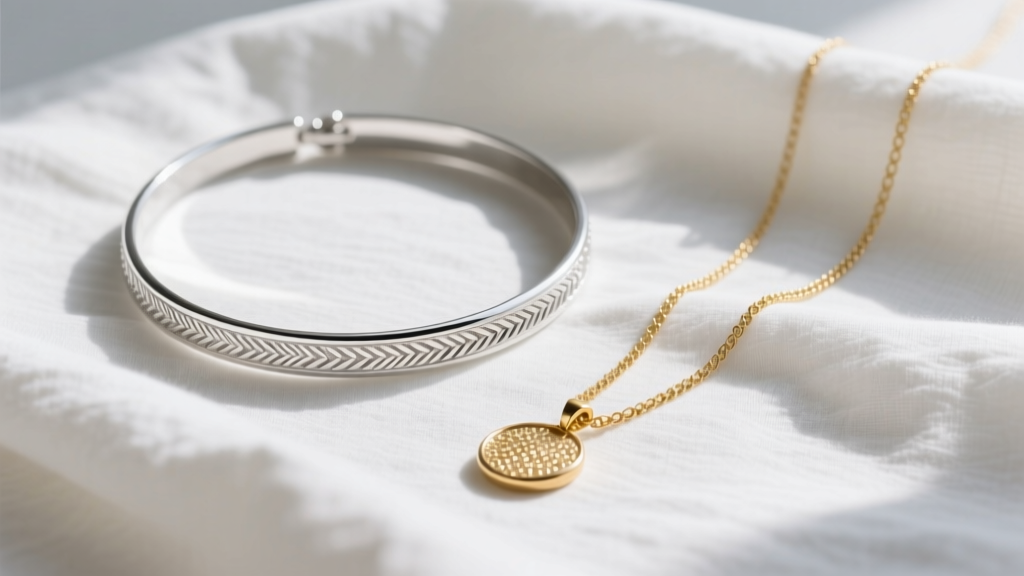
Step 3: Scaling the Pendant to Fabric Weight
A common mistake is ignoring the physical weight and texture of the fabric. The gauge (thickness) of your chain and the scale of your pendant must harmonize with the textile. A 0.8mm delicate cable chain will not only disappear visually against a chunky wool sweater, but the friction of heavy fibers can also cause the thin metal to stretch or snap over time.
Heavy Fabrics (Wool, Tweed, Leather)
For winter knits and structured jackets, opt for chains with a gauge between 2.0mm and 4.0mm. Styles like the Cuban link, Figaro, or thick rope chains provide the necessary visual gravity. Pendants should be substantial—think 20mm to 35mm in diameter—crafted in solid 14k or 18k gold, or heavy sterling silver. Avoid hollow-core jewelry, as it will look disproportionately cheap against premium heavy fabrics.
Medium Fabrics (Cotton, Denim, Linen)
Everyday fabrics offer the most versatility. Chains in the 1.2mm to 1.8mm range, such as standard box chains or wheat chains, work beautifully. This is the ideal territory for mid-sized pendants (10mm to 15mm), including birthstones, geometric shapes, or classic solitaire diamonds.
Delicate Fabrics (Silk, Satin, Chiffon)
When wearing fine silks or evening wear, keep the metal gauge under 1.0mm. A fine 0.7mm snake chain or a delicate 0.9mm cable chain will drape elegantly without snagging the micro-threads of the fabric. Pendants should be lightweight and smooth; avoid prong-set gemstones with high profiles that could catch and pull the silk.
Step 4: The Role of the Clasp in Drape and Tension
Often overlooked, the clasp mechanism fundamentally alters how a necklace sits against the body, especially when styling a necklace with neckline variations that expose the back of the neck.
- Spring Ring Clasps: Standard on inexpensive or very fine chains. They are lightweight but can snag on delicate fabrics and hair. They also create a slight asymmetrical pull on chains under 1.0mm.
- Lobster Clasps: The industry standard for mid-weight chains. They offer a secure closure and a smoother profile, reducing the risk of snagging on silk or satin necklines.
- Fold-Over / Box Clasps: Found on high-end, heavier chains. These provide a seamless, continuous look, allowing the chain to drape perfectly without a bulky mechanical interruption at the nape of the neck—crucial for updos and backless garments.
Step 5: Metal Tones and Skin Undertones
The Gemological Institute of America (GIA) notes that the color of precious metals interacts dynamically with both the garment's dye and the wearer's skin undertone. When the neckline exposes a significant amount of skin (such as a scoop or boat neck), the metal acts as a reflector of light onto your face.
Pro Stylist Tip: If you are wearing a stark white or icy blue garment (cool tones), platinum, white gold, and sterling silver will enhance the crispness of the outfit. For warm-toned garments like camel, olive, or rust, 18k yellow gold or rose gold will create a rich, harmonious glow against the skin.
For mixed-metal outfits or patterned silk blouses, consider a two-tone chain (such as a 14k gold and rhodium-plated silver rope chain) to bridge the gap between varying color palettes.
Common Mistakes to Avoid
Even with the right length, subtle errors can ruin the overall aesthetic. Keep these troubleshooting insights in mind:
- The 'Floating' Pendant: Wearing a 16-inch chain with a deep V-neck causes the pendant to rest on bare skin above the garment's hem, creating a disconnected, awkward visual block. Always ensure the pendant rests inside the V or below the fabric line.
- The Tangled Layer: When layering chains over a scoop neck, ensure there is a minimum of a 2-inch difference between each chain (e.g., 14", 16", and 18"). A 1-inch difference will cause the clasps and pendants to migrate and tangle in the center of the chest.
- Ignoring the Hemline: If your pendant drops below the neckline, ensure it does not perfectly align with the bottom hem of a cropped top or jacket, as this creates a harsh horizontal visual stutter.
Final Thoughts on Proportion
Ultimately, learning how to match your necklace with neckline styles is an exercise in proportion and spatial awareness. By treating your outfit as a structured canvas and your jewelry as the deliberate focal point, you can manipulate visual weight to your advantage. Memorize the drop-length formulas, respect the physical limitations of fabric weights, and invest in quality chain gauges that suit your wardrobe's primary textiles. When these elements align, your jewelry ceases to be an afterthought and becomes an integral, flattering extension of your personal style.


