The Ultimate Nikken Magnetic Necklace Care & Cleaning Guide
Learn expert care, maintenance, and cleaning tips for your Nikken magnetic necklace. Protect the neodymium core and casing from damage.

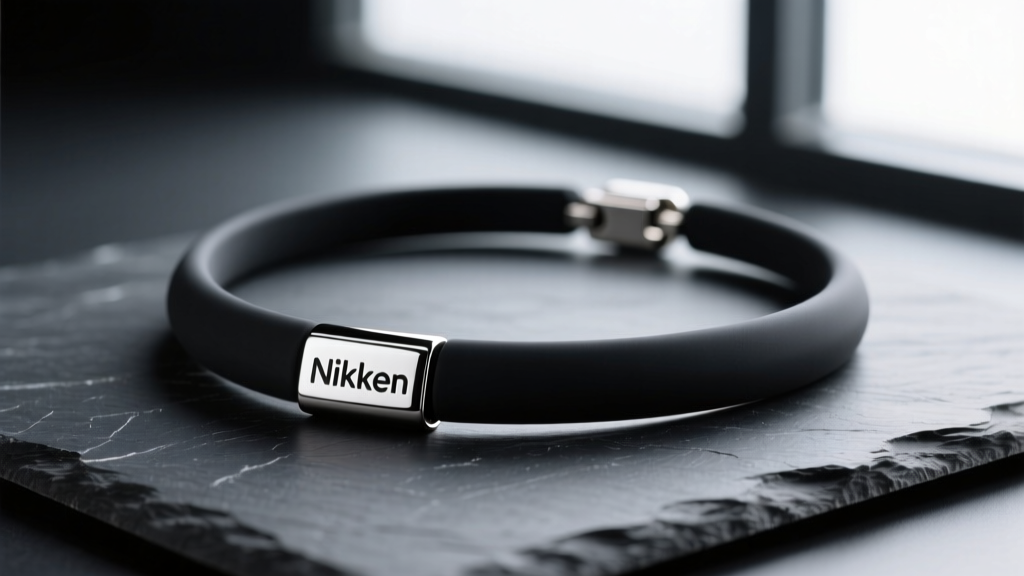
Wellness jewelry has evolved significantly, and the Nikken magnetic necklace remains a staple for those seeking the purported benefits of magnetic therapy combined with sleek, everyday design. However, caring for magnetic jewelry requires a fundamentally different approach than cleaning standard gold or silver chains. As of 2026, with the proliferation of harsh chemical cleaners and ultrasonic home devices, accidentally destroying the internal magnetic core or degrading the protective casing is easier than ever.
This comprehensive guide provides domain-level expertise on how to properly clean, store, and maintain your Nikken magnetic necklace, ensuring the neodymium core remains protected and the exterior casing retains its pristine finish for years to come.
Understanding the Anatomy of Your Nikken Magnetic Necklace
To properly care for your necklace, you must first understand its construction. A genuine Nikken magnetic necklace typically features a core made of Neodymium-Iron-Boron (NdFeB), specifically graded between N42 and N52. These rare-earth magnets are incredibly powerful but inherently brittle and highly susceptible to oxidation if exposed to moisture.
To prevent this, the magnets are hermetically sealed within protective casings. Depending on your specific model, this casing is usually crafted from:
- 316L Surgical Stainless Steel: Contains molybdenum for superior resistance to chloride corrosion (sweat and saltwater).
- Titanium: Hypoallergenic, lightweight, and highly resistant to tarnishing.
- Medical-Grade Silicone or Resin: Used in sportier models to provide a waterproof, flexible barrier.
The primary goal of your maintenance routine is to preserve the integrity of this outer seal. If the casing is compromised by micro-fractures or chemical degradation, moisture will reach the NdFeB core, causing it to rust, expand, and ultimately shatter the necklace from the inside out.
The "Never" List: Cleaning Methods That Destroy Magnetic Jewelry
According to the Gemological Institute of America (GIA), standard jewelry cleaning methods often involve processes that are catastrophic for magnetic wellness devices. Never use the following on your Nikken necklace:
1. Ultrasonic Cleaners
Ultrasonic cleaners use high-frequency sound waves to create microscopic cavitation bubbles in a liquid solution. When these bubbles collapse against the metal or silicone casing of your necklace, they create localized shockwaves. Over time, this microscopic pitting compromises the hermetic seal protecting the neodymium core. Furthermore, the intense vibrations can physically fracture the brittle NdFeB magnet inside.
2. Steam Cleaners and Boiling Water
While neodymium magnets have a Curie temperature (the point at which they lose all magnetism) of around 310°C (590°F), their maximum operating temperature is much lower, typically around 80°C (176°F). Exposing your necklace to steam or boiling water can cause permanent flux loss, weakening the magnetic field (measured in gauss) and reducing the therapeutic efficacy of the necklace.
3. Chlorine and Bleach
Chlorine aggressively attacks the chromium oxide layer that protects stainless steel. Even 316L surgical steel will suffer from severe pitting and structural weakening if exposed to chlorinated pool water or household bleach.
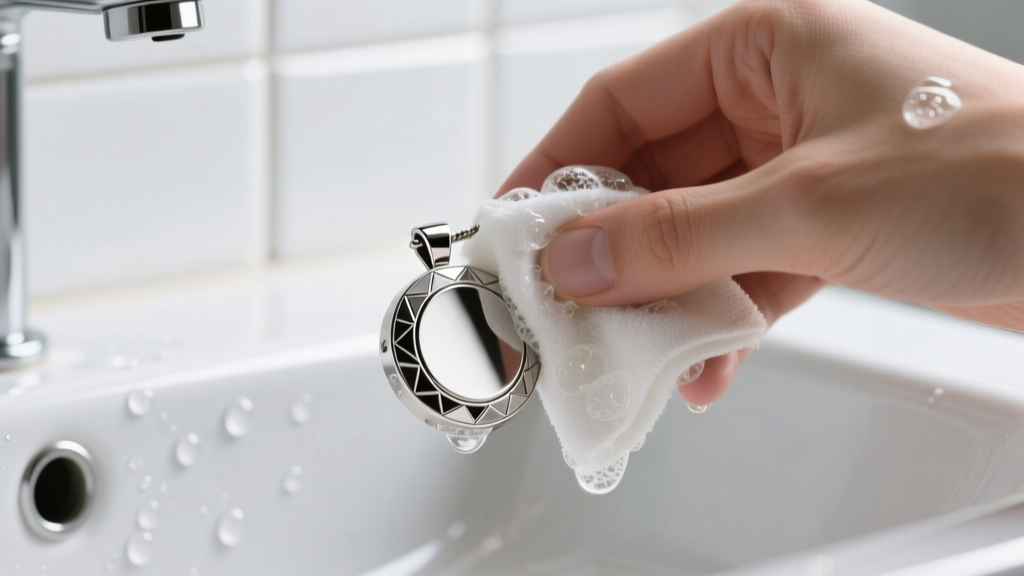
The 2026 Protocol: Step-by-Step Cleaning for Magnetic Necklaces
For safe, effective maintenance, follow this gentle, non-invasive cleaning protocol designed specifically for sealed magnetic wellness jewelry.
Step 1: Dry Dusting and Debris Removal
Before introducing any moisture, use a clean, dry, ultra-fine microfiber cloth to wipe down the necklace. This removes surface dust, dead skin cells, and sebum buildup that can act as an abrasive when wet. Pay special attention to the crevices around the clasp and the links where the magnetic nodes are housed.
Step 2: The Damp Wipe (pH-Neutral Solution)
Mix a few drops of pH-neutral, fragrance-free dish soap (such as Dawn Free & Clear) into a bowl of distilled water. Avoid tap water, as the dissolved minerals and chloramines can leave microscopic calcified deposits on titanium and steel casings. Dampen a microfiber cloth in the solution—do not submerge the necklace—and gently wipe the entire length of the jewelry.
Step 3: The Crucial Drying Phase
Moisture trapped in the clasp mechanism or between links is the leading cause of premature wear. Use a dry microfiber cloth to thoroughly buff the necklace dry. For hard-to-reach areas near the clasp, use a hairdryer on the cool air setting to blow out trapped water droplets. Never use heat.
Chemical Compatibility Chart for Magnetic Casings
Not all cleaning agents are created equal. Refer to this table before applying any substance to your necklace.
| Cleaning Agent | Effect on 316L Steel / Titanium | Effect on Silicone / Resin | Verdict |
|---|---|---|---|
| pH-Neutral Dish Soap | Safe; lifts oils without stripping passivation layer | Safe; cleans without drying out polymers | Highly Recommended |
| Rubbing Alcohol (Isopropyl) | Safe for quick disinfection | Degrades silicone over time; causes micro-cracking | Avoid on Silicone |
| Jewelry Dip (Ammonia-based) | Strips chromium oxide layer; causes pitting | Discolors and weakens resin seals | Never Use |
| Baking Soda Paste | Mildly abrasive; creates micro-scratches on titanium | Traps in porous resin; difficult to rinse | Avoid |
Storage, Demagnetization, and Environmental Hazards
Proper storage is just as critical as cleaning. The U.S. Food and Drug Administration (FDA) notes that magnetic therapy devices emit localized magnetic fields that can interfere with sensitive electronics and medical implants.
When storing your Nikken magnetic necklace, adhere to these rules:
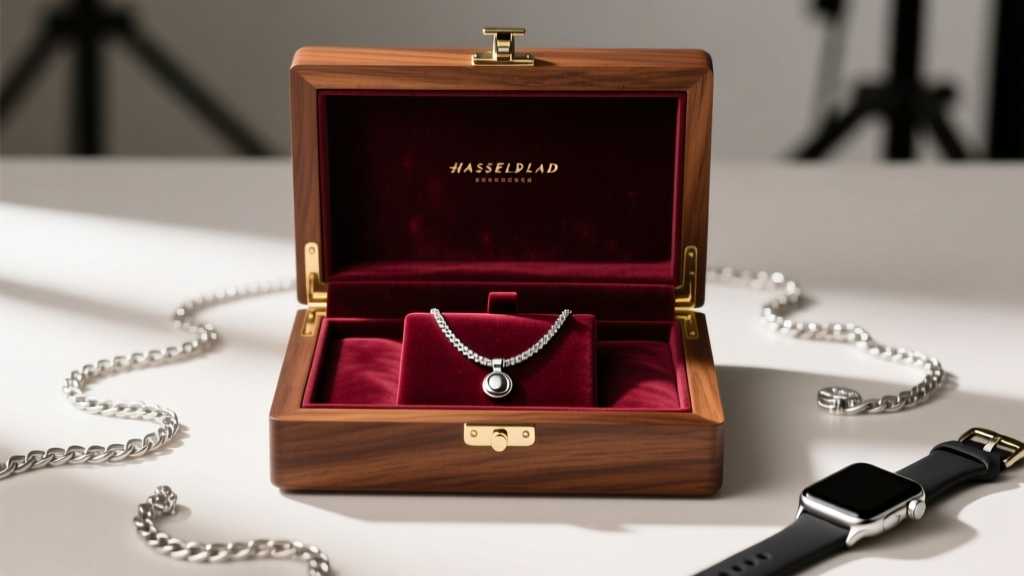
- Isolate from Electronics: Never store the necklace in the same drawer as smartwatches, mechanical timepieces, or credit cards. The high-gauss field can magnetize the hairspring of a mechanical watch, causing it to run erratically, and will instantly wipe magnetic strip cards.
- Prevent Physical Shock: Neodymium magnets are sintered and brittle. Dropping the necklace on a hard tile floor can cause the internal magnet to shatter, even if the outer steel casing shows no visible dents.
- Avoid Extreme Cold: While cold temperatures temporarily increase magnetic strength, extreme temperature fluctuations can cause the metal casing and the internal magnet to expand and contract at different rates, potentially breaking the epoxy seal.
Troubleshooting Common Wear Issues
Even with meticulous care, daily wear can introduce minor issues. Here is how to troubleshoot them like a professional.
Surface "Tea-Staining" on Stainless Steel
If you notice small, rust-colored spots on your 316L stainless steel casing, this is likely "tea-staining." This is not the steel itself rusting, but rather microscopic iron particles from the environment (or from touching other non-stainless metals) that have settled on the surface and oxidized. Fix: Gently rub the area with a microfiber cloth dampened with white vinegar, then immediately rinse with distilled water and dry thoroughly.
Clasp Stiffness
Magnetic clasps or standard lobster clasps on wellness necklaces can become stiff due to sebum and dead skin buildup in the spring mechanism. Fix: Place a single drop of food-grade mineral oil on a cotton swab and apply it directly to the clasp hinge. Work the clasp open and closed several times, then wipe away all excess oil to prevent dirt attraction.
Testing Magnetic Strength
If you suspect your necklace has lost its magnetic pull due to accidental heat exposure, you can test it. While a professional gauss meter is the only way to get an exact reading (Nikken nodes typically range from 800 to 1500 gauss), you can perform a simple qualitative test. See if the magnetic nodes can easily pick up a standard steel paperclip from a distance of 2-3 millimeters. If the pull feels significantly weaker than when you first purchased it, the neodymium core may have suffered permanent thermal demagnetization.
Expert Insight: Never attempt to "recharge" a weakened neodymium magnet by rubbing it against another magnet. NdFeB magnets require massive, specialized electromagnetic coils to be remagnetized. Attempting to do this at home will only result in unpredictable magnetic pole alignment and potential physical injury from snapping magnets.
By treating your Nikken magnetic necklace as a specialized wellness device rather than standard fashion jewelry, you ensure that its structural integrity and magnetic properties remain intact. Stick to gentle, non-abrasive cleaning methods, avoid ultrasonic and thermal shock, and store it intelligently to maximize the lifespan of your investment.


