TCB Necklace Value Guide: Pricing & Budget Tips (2026)
Discover the true value of a TCB necklace in 2026. Compare pricing tiers, spot low-quality fakes, and learn how to budget for fine lightning bolt jewelry.

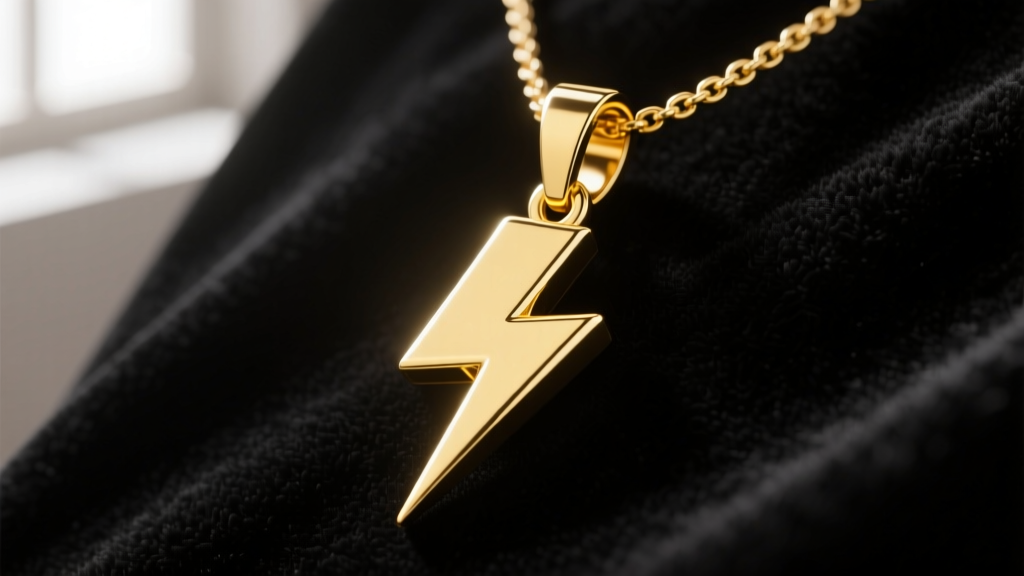
The 'TCB' lightning bolt is more than just a piece of pop culture memorabilia; it is a lasting symbol of ambition, speed, and the legendary ethos of Elvis Presley’s 'Taking Care of Business' motto. As we navigate the jewelry market in 2026, the TCB necklace remains a highly sought-after pendant for both dedicated collectors and fashion-forward individuals who appreciate its bold, geometric aesthetic. However, the market is flooded with everything from $15 fast-fashion knockoffs to $5,000 diamond-encrusted luxury pieces. How do you determine the true value of a TCB necklace, and how can you ensure your budget is being spent on lasting quality rather than a fleeting trend?
In this comprehensive value assessment, we break down the anatomy of the TCB pendant, analyze current pricing tiers, and provide actionable frameworks to help you avoid overpaying for subpar craftsmanship. Whether you are looking for a daily-wear sterling silver piece or an investment-grade solid gold lightning bolt, this guide will help you make an informed purchase.
The Anatomy of a TCB Necklace: What Are You Paying For?
Before assessing the price tag, it is crucial to understand the structural components that dictate the manufacturing cost and, consequently, the retail value of a TCB necklace. The iconic design features a sharp, elongated lightning bolt, but the execution varies wildly between manufacturers.
Pendant Weight and Metal Volume
The most significant cost driver in any solid metal jewelry piece is its gram weight. A budget TCB pendant might be die-struck from thin sheets of base metal, weighing a mere 1.5 to 2 grams. These lightweight pieces are prone to bending, denting, and warping under minor pressure. Conversely, a high-quality, semi-fine or fine TCB pendant cast in solid 925 sterling silver or 14k gold will typically weigh between 5 and 12 grams. This added density not only provides a premium, substantial feel on the chest but also ensures the structural integrity of the sharp points of the lightning bolt, which can easily snap off on hollow, lightweight versions.
Stone Settings: Pave vs. Channel vs. Glue
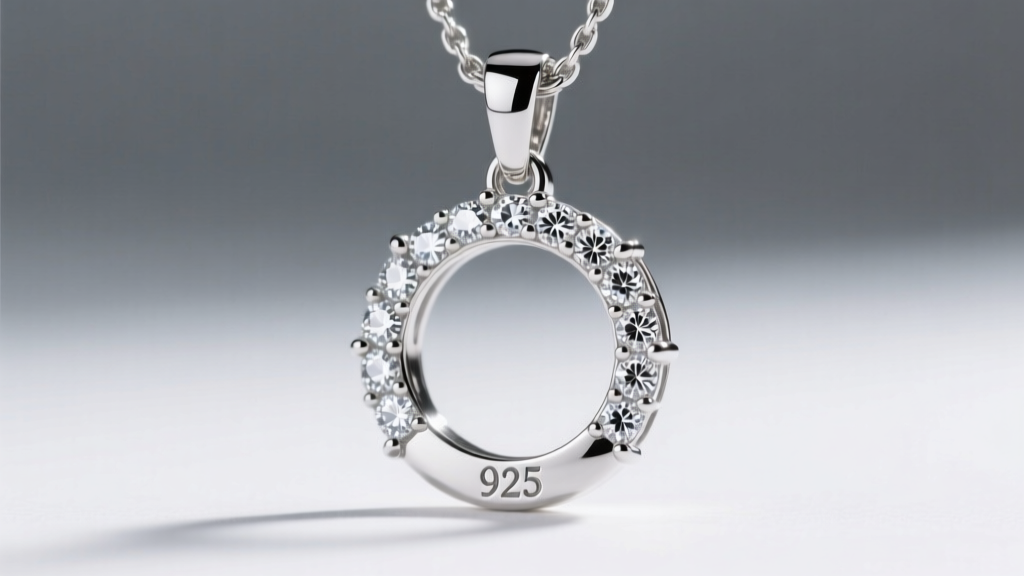
Many modern TCB necklaces feature a pavé of diamonds or cubic zirconia running down the center or outlining the bolt. According to the Gemological Institute of America (GIA), the security of melee stones relies entirely on the precision of the metalwork. Budget manufacturers often use industrial adhesives to glue stones into shallow depressions, leading to massive stone loss within months. True value lies in bead-set or micro-prong pavé, where a jeweler uses a graver to push metal over the girdle of each stone, securing it mechanically.
2026 Pricing Tiers: From Fast Fashion to Fine Jewelry
To accurately assess if you are getting a fair deal, you must categorize the TCB necklace into one of the three primary market tiers. The table below outlines what you should expect to pay in 2026, alongside the material realities of each tier.
| Tier | Materials | Price Range (2026) | Longevity & Value Retention |
|---|---|---|---|
| Fashion / Budget | Zinc alloy, brass, gold-plated, glued CZ | $15 - $60 | Poor. Plating wears off in months; high risk of skin irritation and stone loss. Zero resale value. |
| Semi-Fine / Mid-Tier | Solid 925 silver, gold vermeil, moissanite, lab-grown diamonds | $90 - $350 | Excellent. Can last decades with care. Vermeil must meet FTC standards of 2.5 microns over silver. Moderate resale. |
| Fine / Luxury | Solid 10k, 14k, or 18k gold, natural earth-mined diamonds | $600 - $4,500+ | Superior. Heirloom quality. Retains intrinsic metal and diamond value. High collector demand if licensed. |
When shopping the mid-tier, always verify the gold plating thickness. The Federal Trade Commission (FTC) Jewelry Guides dictate that for a piece to be legally marketed as 'gold vermeil' in the United States, it must feature a minimum of 2.5 microns of gold plating over a sterling silver base. Anything less is merely 'gold-plated' or 'gold-flash' and will quickly reveal the underlying silver or brass through friction against the skin and clothing.
Official Licensing vs. Generic Designs: Does the Stamp Matter?
A unique aspect of valuing a TCB necklace is the presence of official licensing from Elvis Presley Enterprises (EPE). Officially licensed merchandise often carries a small hallmark or stamp on the back of the pendant or the clasp indicating its authenticity. But does this licensing add actual monetary value to the jewelry?
From a pure materials standpoint, an unlicensed 14k gold TCB pendant and an officially licensed 14k gold TCB pendant of the exact same gram weight and diamond quality should cost roughly the same to manufacture. However, the licensed version commands a 15% to 30% premium at retail due to licensing fees. For hardcore Elvis collectors, this premium is entirely justified, as licensed pieces hold significantly higher value in the secondary memorabilia market. For the casual wearer who simply loves the lightning bolt motif, opting for a high-quality, unlicensed piece from an independent jeweler can save you hundreds of dollars without sacrificing material quality.
Red Flags: How to Spot Overpriced or Low-Quality Pendants
When evaluating a TCB necklace in person or via high-resolution images online, look out for these specific failure modes that indicate poor craftsmanship and an inflated price tag:
- Hollowed-Out Backs: Flip the pendant over. If the back is deeply hollowed out (scooped) to save on metal weight, avoid it. Hollow backs trap sweat, lotion, and dirt, which can degrade the metal over time and cause skin irritation. They also make the pendant structurally weak.
- Solder Joints at the Bail: The bail is the loop that connects the pendant to the chain. On cheap necklaces, the bail is simply glued or weakly soldered to the top of the bolt. Look for a bail that is cast as part of the piece or features a robust, laser-welded solder joint.
- Spring Ring Clasps on Heavy Chains: If you are buying a solid gold TCB necklace that comes with a thick chain, ensure the clasp is a lobster claw. Spring ring clasps are notorious for failing under the weight of heavy gold chains, leading to lost pendants.
- Milky or Cloudy Stones: If the pendant features diamonds or CZ, inspect them under direct light. Cloudiness often indicates poor cutting or the use of low-grade synthetic stones that lack refractive brilliance.
Chain Pairings: Maximizing Value Without Breaking the Bank
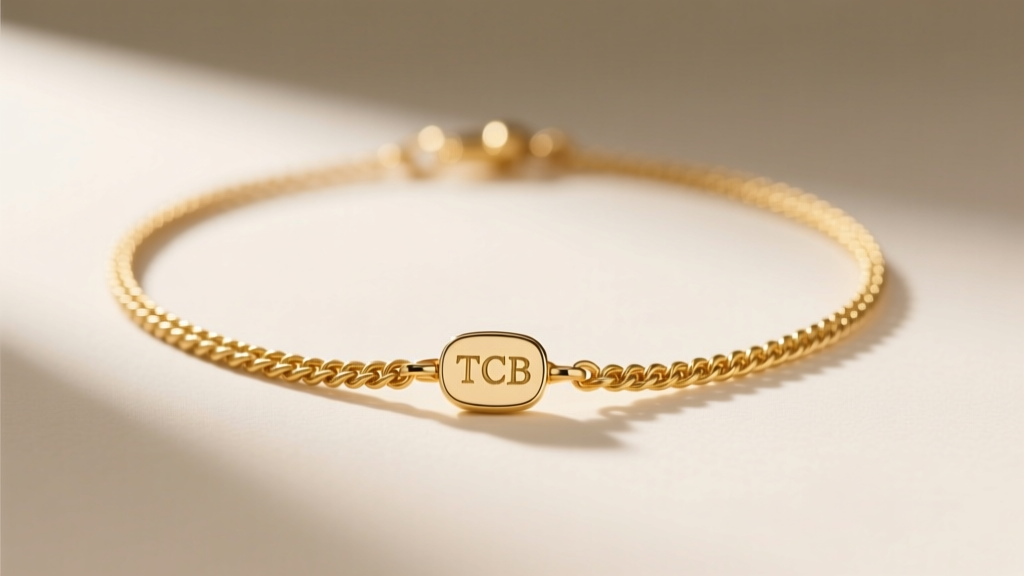
The pendant is only half the equation. A heavy, high-quality TCB bolt will look unbalanced and disproportionate if hung on a flimsy, 1mm thread-like chain. Conversely, pairing a delicate, 3-gram silver TCB pendant with a massive 10mm Cuban link chain will overwhelm the design and cause the bail to wear down rapidly from friction.
The Ideal Gauge and Style Matrix
For standard TCB pendants weighing between 4 and 8 grams, a chain width of 2.5mm to 4mm is the sweet spot. The rope chain is widely considered the best pairing for the TCB motif. The twisted, faceted links of a rope chain catch the light beautifully, complementing the sharp angles and high-polish finish of the lightning bolt. Furthermore, rope chains are incredibly durable due to their interlocking link structure, making them less likely to kink or snap compared to box or herringbone chains.
If you are on a strict budget, purchase a high-quality sterling silver or solid 10k gold pendant first, and pair it with a more affordable, gold-plated sterling silver rope chain. This allows you to invest your capital into the focal point of the necklace—the TCB bolt itself—while maintaining a cohesive, premium aesthetic. Just remember to remove gold-plated chains before swimming or showering to preserve the finish, whereas your solid gold or silver pendant can withstand daily wear.
Final Verdict: Budgeting for Your TCB Necklace
Ultimately, the value of a TCB necklace in 2026 is determined by its material integrity, the security of its stone settings, and its structural weight. By avoiding base-metal fashion jewelry and targeting the semi-fine or fine tiers, you ensure that your lightning bolt pendant remains a lasting symbol of your personal drive and style. Always demand transparency regarding metal purity, stone origins, and plating thickness, and you will secure a piece that truly takes care of business for decades to come.