Ultimate Care Guide: Cleaning a Bijoux Terner Necklace
Preserve your fashion jewelry. Learn expert cleaning, storage, and maintenance tips to keep your Bijoux Terner necklace sparkling and tarnish-free.
The Anatomy of a Bijoux Terner Necklace: Why Standard Cleaning Fails
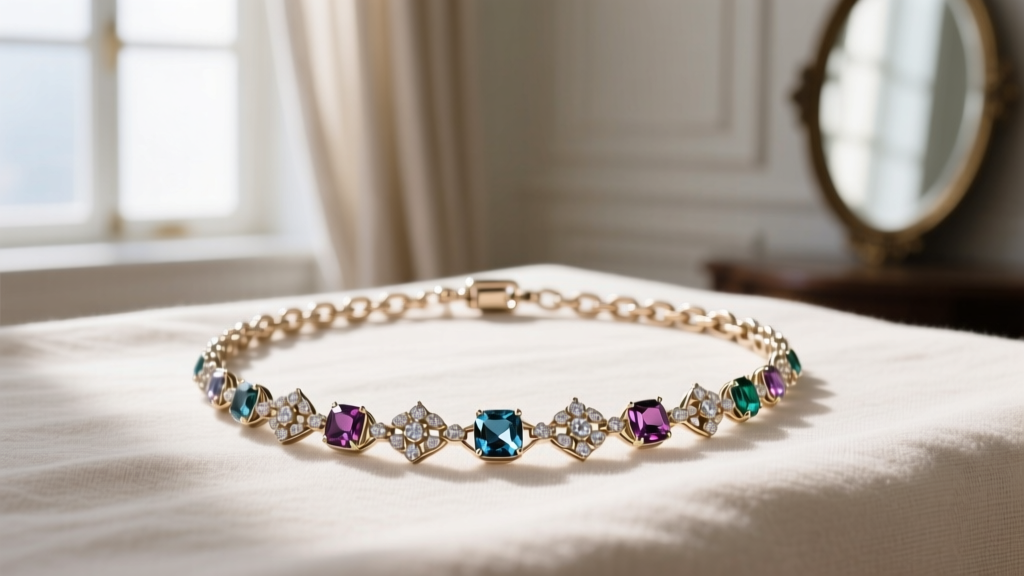
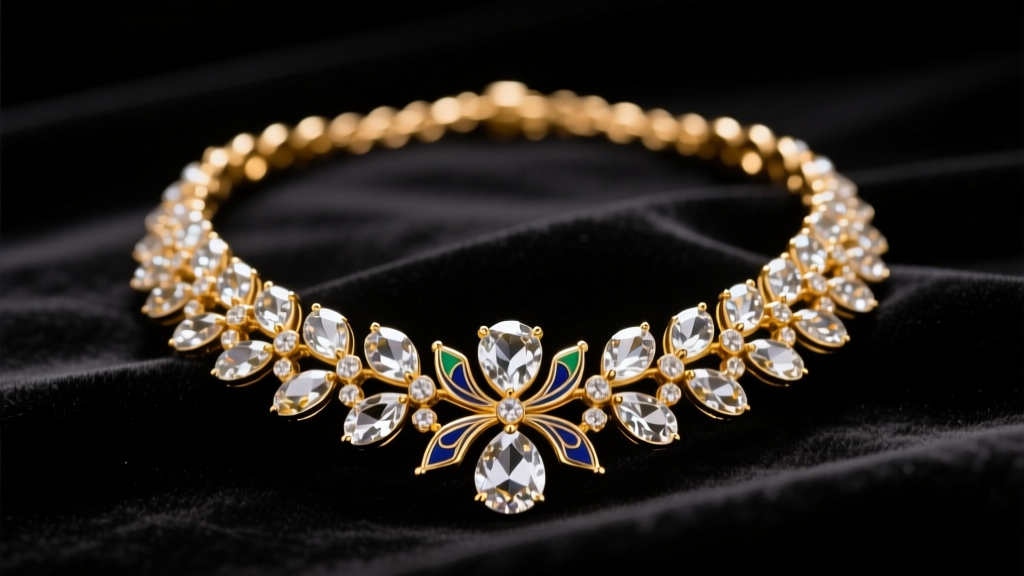
To properly care for a bijoux terner necklace, you must first understand its material composition. Bijoux Terner is renowned for high-end fashion jewelry, not solid fine jewelry. Their pieces typically feature a base metal core—often a zinc alloy or brass—coated in a micro-thin layer of gold or silver flash plating. This plating is usually between 0.1 and 0.3 microns thick. Unlike solid 14k gold or sterling silver, this delicate outer layer is highly susceptible to friction, acidic sweat, and harsh chemical cleaners.
Furthermore, the brand frequently utilizes epoxy-set glass crystals, resin stones, and faux pearls. Faux pearls are created by coating glass or plastic beads with a pearlescent substance derived from fish scales or synthetic mica. Standard jewelry dips, ultrasonic cleaners, and ammonia-based solutions will instantly dissolve this coating, leaving you with dull, cloudy beads. As of 2026, preserving the structural integrity of fashion jewelry requires a shift away from aggressive cleaning methods toward gentle, targeted maintenance.
The Dry-Cleaning Protocol: Your First Line of Defense
The safest way to clean your necklace after every wear is through dry mechanical removal of oils and dust. Human sebum and cosmetic powders are the primary culprits behind the clouding of glass crystals and the degradation of metal plating.
- The Makeup Brush Technique: Use a clean, ultra-soft kabuki or eyeshadow makeup brush to gently sweep dust out of the intricate prong settings and crevices around the crystals. This prevents abrasive grit from scratching the glass facets.
- Microfiber Buffing: Wipe the chain and metal components with a dry, lint-free microfiber cloth. Apply zero pressure; let the fibers of the cloth do the work of lifting surface oils.
- Compressed Air: For deeply embedded dust in enamelwork or filigree, use a manual camera lens blower (not canned air, which can spray freezing propellants that crack glass crystals via thermal shock).
Targeted Wet Cleaning: Managing Stubborn Grime
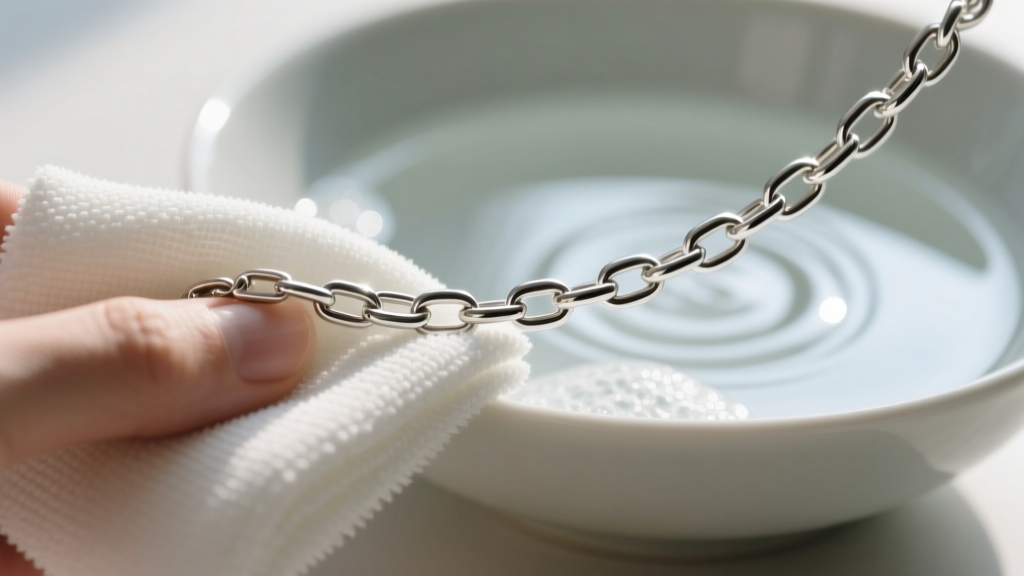
When dry cleaning is insufficient to remove lotion buildup or perspiration, a highly controlled wet cleaning method is required. Never submerge a bijoux terner necklace in water. Submersion allows moisture to seep beneath the crystal settings, which will degrade the epoxy adhesive and cause the base metal to oxidize from the inside out.
The Damp Q-Tip Method
- Mix a solution of distilled water and a single drop of pH-neutral baby shampoo. Distilled water is critical, as tap water contains chlorine and hard minerals that accelerate tarnishing.
- Dip a cotton swab (Q-tip) into the solution and squeeze it out until it is barely damp.
- Carefully trace around the edges of the crystals and metal links, lifting the grime.
- Immediately follow with a dry cotton swab to absorb any residual moisture.
- Allow the necklace to air dry completely on a flat towel before storing.
Critical Chemical Warnings
According to the Jewelers of America, fashion jewelry requires strict chemical boundaries. Never use rubbing alcohol, acetone, or window cleaners on your necklace. Alcohol will dissolve the epoxy holding the crystals in place, while acetone will melt resin stones and strip enamel detailing. For faux pearl elements, the Gemological Institute of America (GIA) warns that even mild acids like vinegar or lemon juice will permanently etch and destroy the delicate pearlescent coating.
Strategic Storage: Halting Galvanic Corrosion and Tarnish
How you store your necklace is just as important as how you clean it. Zinc alloys and brass are highly reactive to humidity and sulfur in the air, leading to rapid galvanic corrosion and dark tarnish spots that eat through the flash plating.
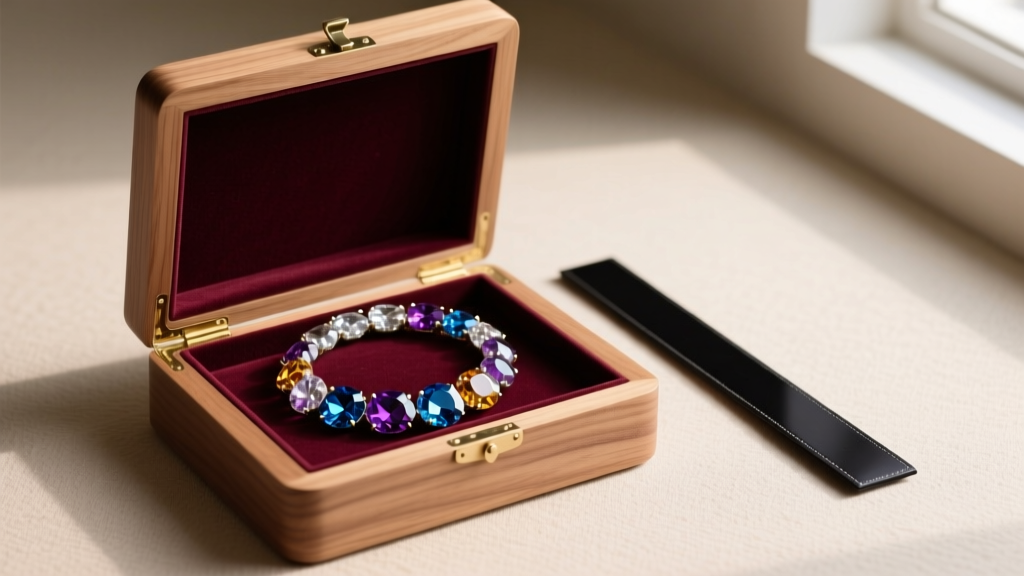
- Anti-Tarnish Strips: Place a 3M anti-tarnish strip in the storage bag or box with your necklace. These strips absorb sulfur gases and can protect the plating for up to six months.
- Silica Gel Packets: Moisture is the enemy of base metals. Always store your jewelry in a low-humidity environment by including a small silica gel desiccant packet in your jewelry box.
- Avoid PVC Plastics: Never store fashion jewelry in cheap plastic bags made of polyvinyl chloride (PVC). PVC emits hydrogen chloride gas as it degrades, which will rapidly corrode and pit the gold-tone plating. Use acid-free tissue paper or untreated cotton pouches instead.
Material Vulnerability Matrix
Understanding how different components of your necklace react to environmental threats is crucial for long-term preservation. Refer to this matrix to avoid catastrophic damage.
| Component Material | Primary Threat | Resulting Damage | Prevention Strategy |
|---|---|---|---|
| Flash Gold Plating | Acidic Sweat / Friction | Plating wears off, exposing dull grey zinc alloy | Wipe after wear; apply clear nail polish to high-friction clasps |
| Glass Crystals | Hard Impacts / Thermal Shock | Chipped facets or internal fracturing | Store flat; avoid extreme temperature changes |
| Epoxy Adhesive | Isopropyl Alcohol / Heat | Adhesive softens, crystals fall out | Never use alcohol-based cleaners or leave in hot cars |
| Faux Pearls | Ammonia / Acids / Hairspray | Pearl essence dissolves, leaving cloudy plastic | Put necklace on AFTER applying cosmetics and perfume |
Restoring Damage: Adhesives and Plating Touch-Ups
Despite your best efforts, fashion jewelry eventually shows its age. If a crystal becomes loose or falls out of your bijoux terner necklace, the type of adhesive you use for the repair is critical. Never use cyanoacrylate (Super Glue). Cyanoacrylate cures into a brittle, glass-like plastic that will crack under the slight flexing of a necklace chain. Furthermore, it emits fumes during curing that can permanently frost and cloud the surrounding glass crystals.
Instead, use a flexible, jewelry-grade adhesive like E6000 or G-S Hypo Cement. Apply a microscopic dot using a toothpick, press the crystal into the setting, and allow it to cure for a full 24 hours in a well-ventilated area. If the gold-tone plating has worn away on the clasp or pendant back, you can use a liquid gold leaf pen or a specialized jewelry plating solution to touch up the small area, though this is a temporary cosmetic fix rather than a permanent restoration.
Environmental Factors: Humidity and Skin pH
Your personal body chemistry and local climate play a massive role in the lifespan of your fashion jewelry. Individuals with highly acidic skin pH (often influenced by diet, medications, or heavy coffee consumption) will find that flash plating tarnishes and rubs off significantly faster. If you live in a high-humidity coastal environment, the salt air will accelerate the oxidation of the zinc core. In these scenarios, wiping the necklace down with a damp cloth (using distilled water only) followed by immediate and thorough drying is non-negotiable after every single use.
Final Thoughts on Fashion Jewelry Longevity
A bijoux terner necklace is a wearable work of art that requires a mindful, gentle approach to maintenance. By abandoning harsh chemical dips and ultrasonic machines in favor of targeted dry brushing, damp-swab cleaning, and climate-controlled storage, you can extend the vibrant life of your piece by years. Treat your fashion jewelry with the same respect you would afford fine gemstones, and it will continue to elevate your wardrobe with its brilliant sparkle and intricate craftsmanship.


