To My Wife Necklace: Troubleshooting Fades, Breaks & Allergies
Learn how to troubleshoot common 'To My Wife' necklace issues like green skin, faded engravings, and broken chains with our expert repair guide.

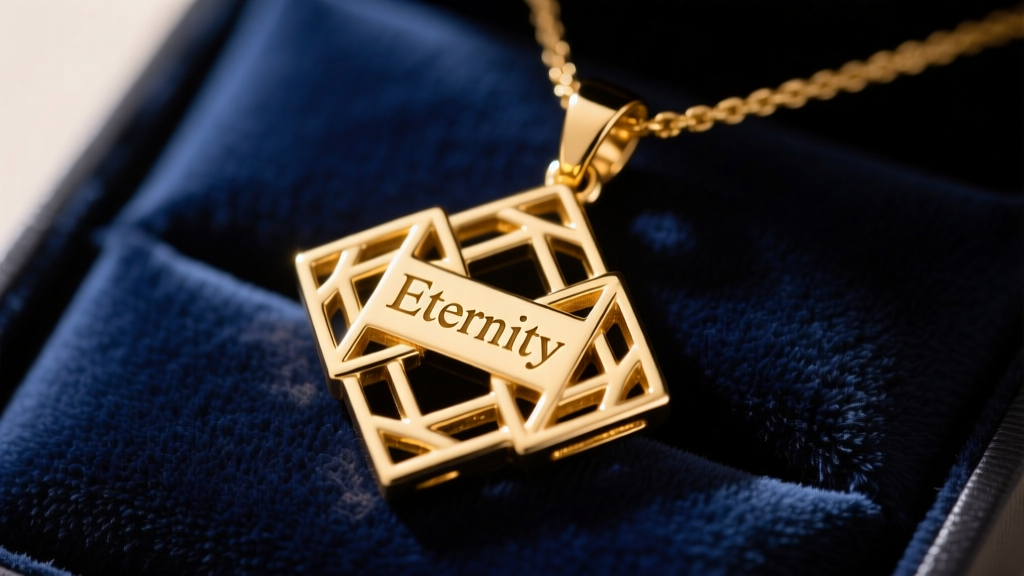
The 'To My Wife' necklace has become a modern gifting staple, frequently featuring interlocking circles, heartfelt message pendants, or projection stones. However, the sentimental value of these pieces is often undermined by severe manufacturing shortcuts. Husbands and partners frequently find themselves troubleshooting a piece that has turned their wife's neck green, suffered illegible faded engravings, or snapped within weeks of gifting. As jewelry specialists, we see these viral, mass-produced pendants fail daily. This comprehensive troubleshooting guide breaks down the exact metallurgical, structural, and mechanical failure modes of sentimental necklaces and provides actionable, expert-level solutions to fix, upgrade, and maintain them.
Problem 1: Contact Dermatitis and the 'Green Neck' Effect
The most common complaint with budget-friendly 'To My Wife' necklaces is skin discoloration and allergic contact dermatitis. This is rarely an issue with the gold or silver color itself, but rather the base metal core and the thickness of the plating.
Diagnosing the Metal Failure
If the skin beneath the pendant turns green or black, the necklace is likely crafted from a brass or copper-zinc alloy core. When exposed to the slightly acidic pH of human sweat, lotions, or perfumes, the copper oxidizes and transfers to the skin. If the necklace causes itching, redness, or blistering, it is a nickel allergy. According to the British Stainless Steel Association, nickel is a common hardening agent in cheap white gold and silver plating baths, but it is a primary sensitizer for contact dermatitis.
The Troubleshooting Protocol
- Clear Nail Polish Hack (Temporary): For a quick fix on a brass-core pendant, paint the back of the pendant and the inside of the chain links with a layer of clear, hypoallergenic nail polish. This creates a physical barrier against sweat. Reapply every 3-4 weeks.
- The Vermeil Verification: If you are upgrading or replacing the piece, look for 'Gold Vermeil' rather than 'Gold Plated.' The FTC Jewelry Guides strictly dictate that vermeil must consist of a sterling silver base coated with a minimum of 2.5 microns of 10k+ gold. Standard 'gold plated' jewelry often features a mere 0.5 microns of gold over brass, which wears through in weeks.
- The 316L Surgical Steel Alternative: For maximum durability and hypoallergenic properties without the solid gold price tag, ensure the product description explicitly states '316L Surgical Stainless Steel.' The 'L' stands for low carbon, and this specific grade contains virtually no free nickel, making it entirely safe for sensitive skin.
Material Grade Comparison: What You Are Actually Buying
| Material Marketing Term | Actual Core Metal | Plating Thickness | Estimated Lifespan (Daily Wear) | Allergy Risk |
|---|---|---|---|---|
| Gold Plated / Flash | Brass / Zinc Alloy | 0.1 - 0.5 microns | 1 - 3 Months | High (Nickel/Copper) |
| Gold Vermeil | 925 Sterling Silver | 2.5+ microns | 1 - 3 Years | Low (if nickel-free bath) |
| Gold Filled (1/20 14k) | Jeweler's Brass | ~15 microns (5% of weight) | 5 - 10+ Years | Very Low |
| 316L Surgical Steel | Solid Steel Alloy | N/A (Solid Color) | Lifetime | Negligible |
| Solid 14k / 18k Gold | Gold / Copper / Zinc | N/A (Solid) | Lifetime / Heirloom | Low (Depends on alloy) |
Problem 2: Fading, Rubbing, and Illegible Engravings
The emotional core of a 'To My Wife' necklace is the hidden message or personalized date. Yet, many recipients find the text completely rubbed off within six months. This is a failure of the engraving methodology, not the metal itself.
Identifying the Engraving Technique
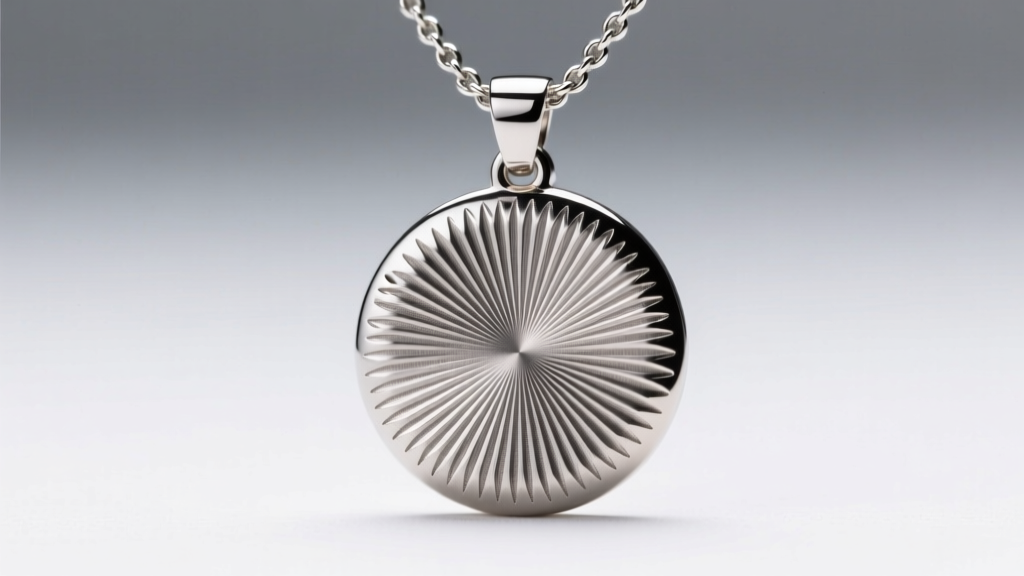
Mass-market sentimental jewelry often uses pad printing or surface laser marking. Pad printing simply stamps ink into shallow grooves; this ink will inevitably flake away with friction from clothing and skin oils. Surface CO2 laser marking lightly scorches the top layer of plated metal, which disappears the moment the microscopic gold plating wears off.
How to Fix and Prevent Faded Text
Once surface ink or plating-based engraving is gone, it cannot be restored at home. However, you have professional troubleshooting options:
- Local Jeweler Re-Engraving ($30 - $60): Take the pendant to a local bench jeweler. They can use a rotary diamond-drag engraver to physically carve the text back into the metal. This removes a microscopic layer of the base metal, meaning the text will be permanently visible regardless of plating wear.
- Fiber Laser Annealing (The Gold Standard): When purchasing a replacement, seek out jewelers who use a 1064 nm fiber laser. As noted by GIA (Gemological Institute of America) educational resources on jewelry manufacturing, fiber lasers can 'anneal' metals like stainless steel and titanium. This process uses heat to draw carbon to the surface, creating a permanent, deep black mark that sits beneath the surface layer and will never rub off.
Problem 3: Chain Snapping, Kinking, and Clasp Failures
A heavy interlocking 'To My Wife' pendant requires a chain with adequate tensile strength. Budget manufacturers frequently pair heavy pendants with ultra-thin, poorly soldered chains to cut costs, leading to inevitable breakage.
Troubleshooting the Weak Links
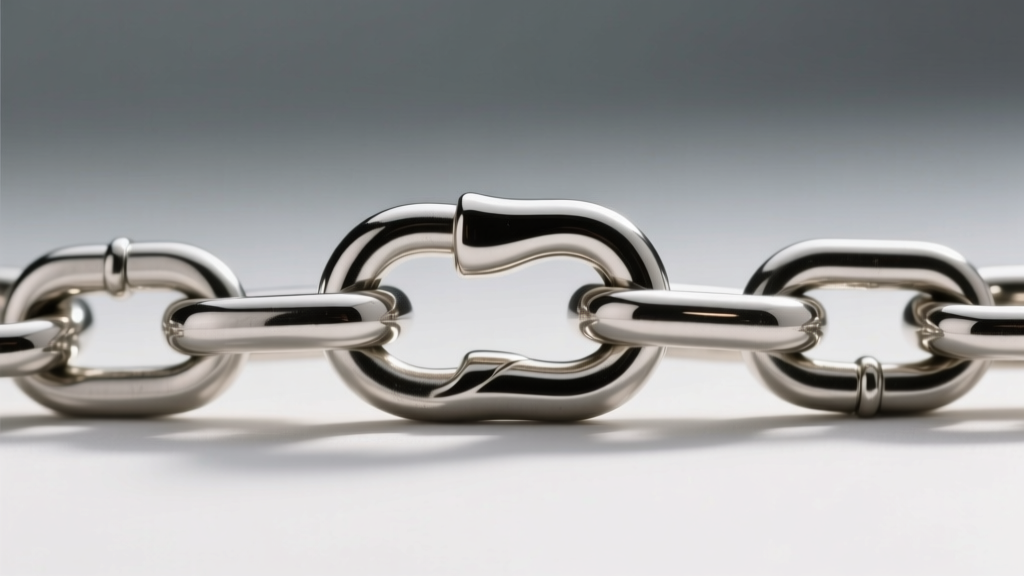
- The Gauge Mismatch: If your pendant weighs more than 5 grams, a standard 0.8mm cable chain will eventually snap at the jump ring. Upgrade the chain to a 1.2mm to 1.5mm Box Chain or Wheat Chain. Box chains feature interlocking square links that distribute weight evenly and resist kinking, while wheat chains offer a braided, rope-like tensile strength.
- Jump Ring Soldering: Inspect the tiny ring (jump ring) that connects the pendant to the chain. If you see a visible slit in the ring, it is 'unsoldered' and will eventually pull apart under the weight of the pendant. A bench jeweler can laser-weld or torch-solder this jump ring shut in under five minutes for a nominal fee, permanently preventing pendant loss.
- The Spring Ring Clasp Failure: Spring ring clasps contain a microscopic internal spring that frequently jams or loses tension, causing the necklace to slide off unnoticed. Always swap the clasp for a Lobster Clasp. Lobster clasps feature a solid internal mechanism and a wider gate, making them significantly more secure and easier to operate with one hand.
How to Fix a Kinked Chain
If a thin cable chain has developed a stubborn knot or kink, do not pull it tight. Lay the chain flat on a hard, smooth surface. Apply a single drop of baby oil or mineral oil to the kink. Take two fine sewing needles and gently work the tips into the center of the knot, using a gentle prying motion to loosen the links. Once loosened, wipe the chain clean with a microfiber cloth.
The 2026 Buyer's Troubleshooting Checklist
If you are currently shopping for a 'To My Wife' necklace and want to avoid these common pitfalls, use this quick diagnostic checklist before checking out:
- Check the Core: Does the description explicitly state 925 Sterling Silver, 316L Stainless Steel, or Solid Gold? (Avoid 'alloy' or 'brass').
- Verify the Plating: If gold-toned, is it at least 14k Gold Vermeil (2.5 microns) or 1/20 14k Gold Filled?
- Inspect the Chain Specs: Is the chain at least 1.0mm thick, and does it feature a lobster clasp?
- Confirm the Engraving: Does the jeweler guarantee deep laser engraving or rotary carving, rather than surface ink printing?
By understanding the metallurgy and mechanics behind sentimental jewelry, you can ensure that the physical piece lasts just as long as the marriage it celebrates. Troubleshooting a failing necklace is simple when you know exactly which hardware and material standards to demand.