Mood Necklace Chart Color Meaning & 2026 Style Trends
Decode the mood necklace chart color meaning with our 2026 trend guide. Explore thermochromic science, styling tips, and modern pendant upgrades.
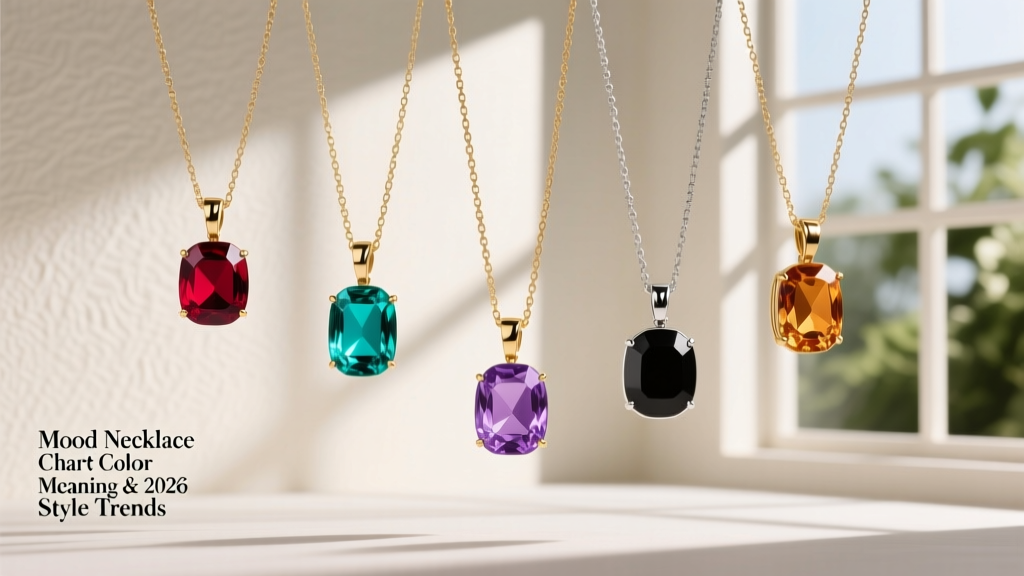
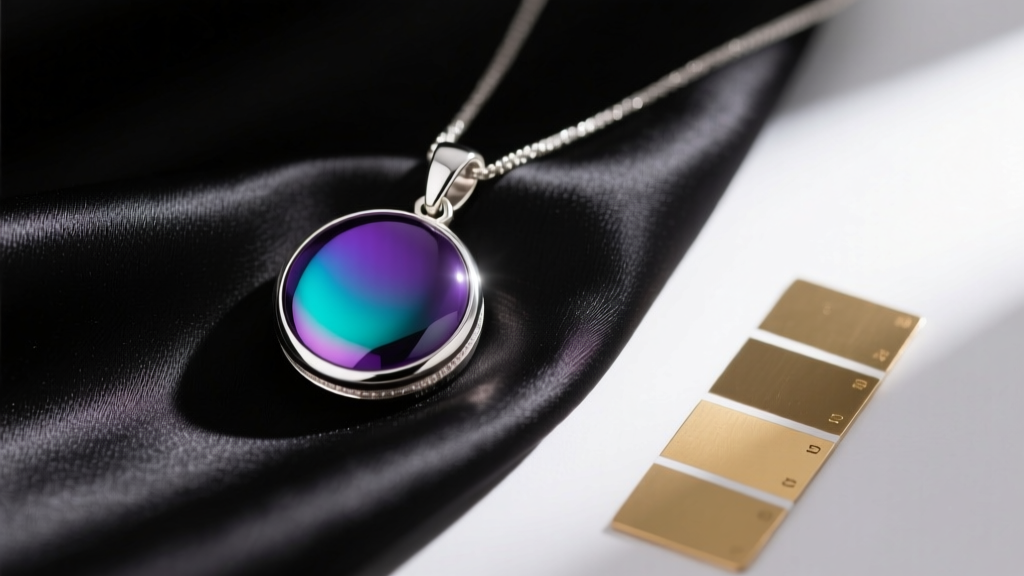
The mood necklace is no longer just a nostalgic relic of 1970s mall kiosks and 1990s Y2K fashion. In 2026, the intersection of retro sentimentality and modern material science has birthed a "Neo-Nostalgia" movement in fine and demi-fine jewelry. Today’s collectors and style enthusiasts are seeking out elevated thermochromic pendants that offer both aesthetic versatility and a playful nod to interactive jewelry. However, to truly appreciate and style these pieces, one must first understand the underlying science and the definitive mood necklace chart color meaning that governs their shifting hues.
This comprehensive guide breaks down the thermochromic mechanics, provides an accurate temperature-to-color mapping, and explores how top jewelry stylists are integrating mood pendants into sophisticated 2026 neck stacks.
The Science of Thermochromic Liquid Crystals
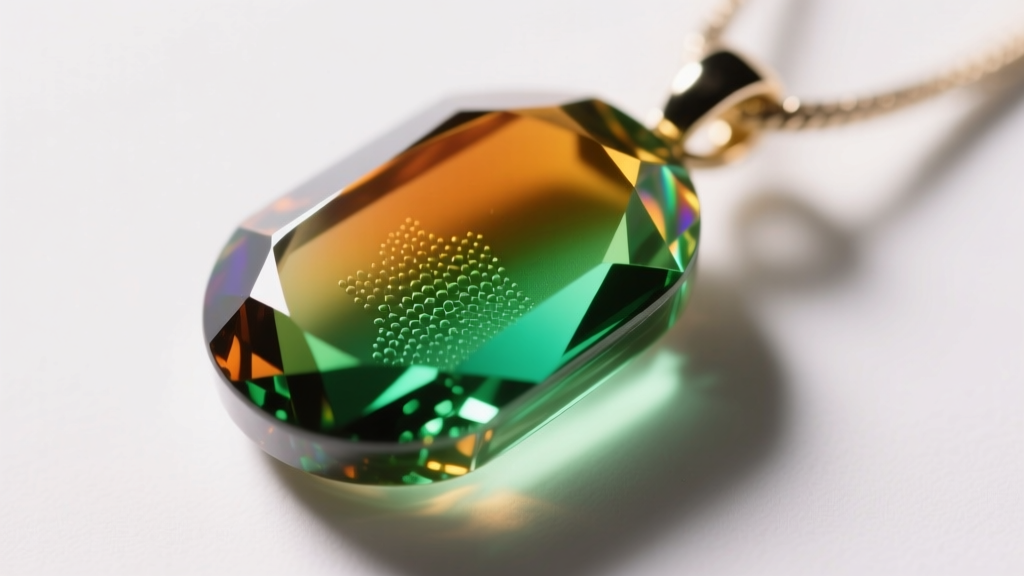
At the heart of every authentic mood necklace is a hermetically sealed vial containing cholesteric liquid crystals. According to material science principles documented by institutions like the Scientific American, these crystals possess a unique molecular structure that twists in response to temperature fluctuations.
When the pendant rests against your skin, it absorbs body heat. The liquid crystals react by altering the "pitch" of their helical twist. This physical shift changes the wavelength of light the crystals reflect. In cooler temperatures, the molecules twist tightly, absorbing lower-energy light and appearing dark or black. As temperature rises, the structure untwists, reflecting higher-energy wavelengths like greens, blues, and eventually violets. The Gemological Institute of America (GIA) notes that modern jewelers often encase these volatile crystals behind faceted quartz or borosilicate glass cabochons to magnify the color shift while protecting the delicate chemical compounds from UV degradation and moisture intrusion.
The Definitive Mood Necklace Chart & Color Meanings
While the original 1970s marketing campaigns linked colors directly to complex emotional states, modern gemologists and jewelers map these shifts strictly to peripheral skin temperature, which is influenced by blood flow, ambient climate, and yes, physiological arousal or stress. Below is the accurate 2026 mood necklace chart color meaning, mapped to precise temperature thresholds.
| Pendant Color | Temperature Range | Physiological State & "Mood" Meaning |
|---|---|---|
| Black / Dark Grey | < 22°C (< 72°F) | Cold, stressed, or restricted peripheral blood flow. Often seen in winter or high-anxiety states. |
| Amber / Brown | 22°C - 25°C (72°F - 77°F) | Nervous, restless, or transitioning. The body is warming up but not yet at a relaxed baseline. |
| Green / Teal | 26°C - 28°C (79°F - 82°F) | Calm, balanced, and "normal." This is the standard baseline for a relaxed individual in a comfortable room. |
| Blue / Cyan | 29°C - 32°C (84°F - 90°F) | Happy, socially engaged, and relaxed. Blood is flowing freely to the skin's surface. |
| Violet / Purple | > 33°C (> 91°F) | Passionate, excited, or romantically aroused. Peak peripheral body heat causing maximum crystal untwisting. |
Understanding this mood necklace chart color meaning allows wearers to use the pendant as a bio-feedback tool, recognizing when stress is causing their extremities to drop in temperature, or when a warm environment is triggering a vibrant blue shift.
2026 Trend Analysis: The Neo-Nostalgia Revival
The 2026 jewelry market has completely reimagined the mood pendant. The era of cheap, pot-metal settings and cloudy plastic cabochons is over. Today’s trend analysis reveals a demand for "Quiet Luxury Nostalgia"—pieces that feel deeply personal and playful, yet are crafted with heirloom-quality materials.
Material Upgrades: Beyond Cheap Alloys
Historically, mood necklaces were cast from zinc alloys or nickel-heavy brass, which frequently oxidized and turned the wearer's skin green. In 2026, leading demi-fine brands are crafting pendant bezels from recycled 925 sterling silver, often finished with thick 14k gold vermeil or highly durable PVD (Physical Vapor Deposition) titanium coatings. These material upgrades not only prevent allergic contact dermatitis but also provide a highly reflective backing that makes the thermochromic color shifts appear significantly more vivid and saturated.
Layering the Mood Pendant in Modern Neck Stacks
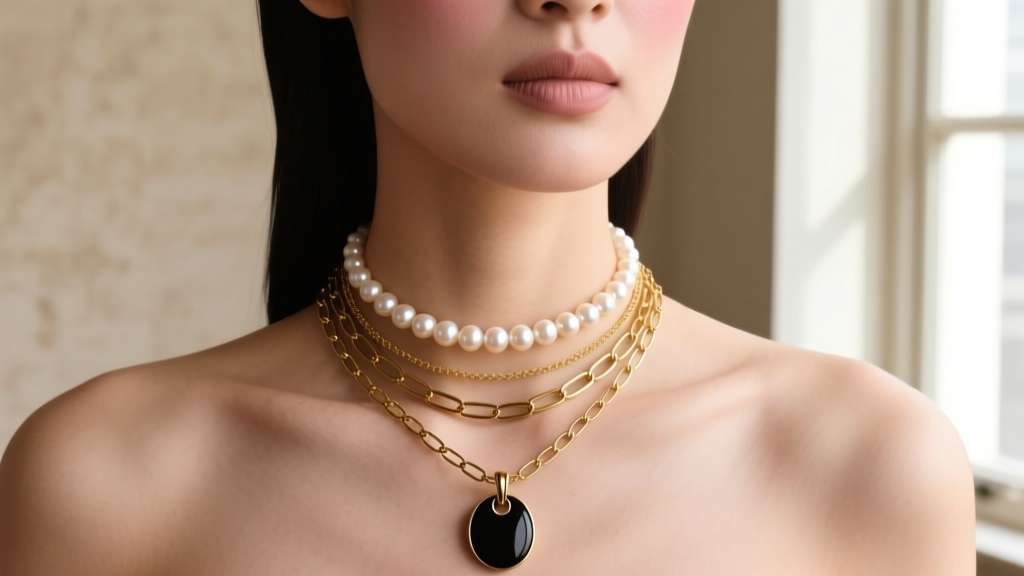
Styling a mood necklace in 2026 requires a departure from wearing it as a solitary, bulky statement piece on a thick leather cord. The current trend focuses on delicate, mixed-metal layering. To integrate a mood pendant into a contemporary neck stack, follow this structural framework:
- The Base (14-15 inches): A delicate, timeless choker. Think a 2mm freshwater pearl strand or a sleek, solid gold snake chain. This anchors the stack close to the collarbone.
- The Focal Point (17-18 inches): Your thermochromic mood pendant. Opt for a bezel-set, faceted quartz design in a 925 silver setting. The 18-inch drop ensures the pendant rests directly on the sternum, where body heat is most consistent, ensuring accurate color readings.
- The Extender (20-22 inches): A textured chain to add visual weight. A chunky, hollow-cast paperclip chain or a oxidized silver rope chain provides an edgy contrast to the smooth, color-shifting cabochon.
Troubleshooting: Why Your Pendant Stuck on Black
A common point of frustration for new collectors is a pendant that permanently remains black, regardless of body heat. From a materials engineering perspective, this almost always indicates a catastrophic failure of the hermetic seal.
If the glass or quartz cabochon suffers a micro-fracture from being dropped, or if the adhesive bonding the stone to the metal bezel degrades, moisture enters the vial. Water disrupts the alignment of the cholesteric liquid crystals, causing them to clump and lose their light-reflective properties. Furthermore, prolonged exposure to direct UV sunlight (such as leaving the necklace on a car dashboard) will photo-degrade the organic compounds within the liquid crystal matrix, permanently "freezing" the color. To preserve the lifespan of your thermochromic jewelry, always store it in a dark, climate-controlled jewelry box and remove it before swimming or showering.
2026 Buyer's Guide: Price Tiers & What to Look For
When shopping for a high-quality mood necklace, it is vital to align your budget with the appropriate material grade. Here is what you can expect in the current market:
- Tier 1: Fast Fashion ($15 - $35): Typically features brass or copper-alloy settings with plastic cabochons. The color shifts are often muted, and the settings are prone to rapid tarnishing and skin irritation. Best for temporary, novelty wear.
- Tier 2: Demi-Fine Standard ($45 - $110): The sweet spot for 2026 shoppers. Look for 925 sterling silver settings, rhodium plating for tarnish resistance, and genuine borosilicate glass vials. Brands in this tier often use a reflective silver foil backing to amplify the green and blue shifts.
- Tier 3: Designer & Fine Jewelry ($150 - $400+): Independent jewelers and high-end nostalgic brands are now offering 14k solid gold bezels paired with custom-cut quartz crystals. These pieces treat the thermochromic element as a genuine gemstone alternative, offering brilliant faceting that catches the light even when the pendant is in its "cold" black state.
Ultimately, the modern mood necklace is a triumph of wearable science and stylistic expression. By understanding the precise mood necklace chart color meaning and investing in quality craftsmanship, you can embrace one of 2026's most fascinating jewelry trends with both confidence and historical appreciation.


