Hasli Necklace Trends 2026: Modern Fusion & Styling Guide
Discover how the traditional hasli necklace dominates 2026 fusion fashion. Explore styling tips, metal grades, and modern pairings for this rigid choker.

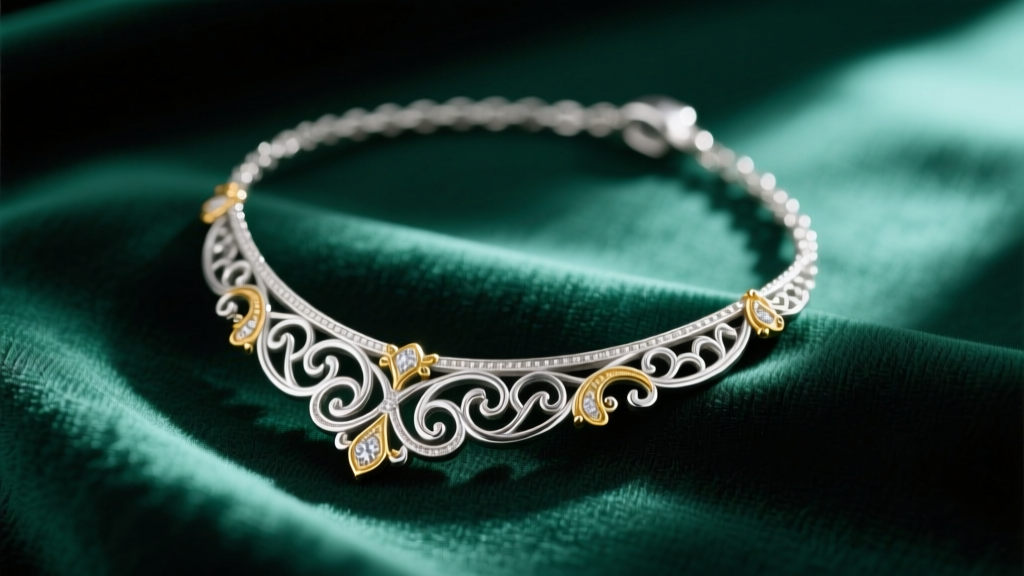
The hasli necklace, a rigid collar traditionally rooted in the agrarian and royal histories of Rajasthan and Gujarat, has transcended its regional boundaries to become a global statement piece. Derived from the Sanskrit word for collarbone, the hasli sits flush against the clavicle, offering an architectural silhouette that softer chain necklaces simply cannot achieve. In 2026, the hasli is no longer confined to bridal trousseaus or ethnic enclaves; it has been reimagined by contemporary designers as the ultimate anchor for Indo-Western fusion wear, bohemian layering, and minimalist evening styling.
However, navigating the market requires a discerning eye. From understanding the metallurgical realities of 'German silver' to recognizing the structural shifts in modern clasp engineering, buying a hasli today is an exercise in both cultural appreciation and material science. This guide breaks down the anatomy, material grades, and styling frameworks you need to master the hasli necklace trend this year.
The Evolution of the Hasli: From Heritage Torc to Runway Staple
Historically, the hasli functioned as a marker of marital status and regional identity. According to archival jewelry records from the Metropolitan Museum of Art, rigid neck rings in India were often solid, heavy silver torcs weighing upwards of 150 grams, featuring intricate repoussé work that depicted local flora, fauna, and deities. These pieces were rigid and unyielding, designed to be worn permanently or for extended festival periods.
The 2026 iteration of the hasli prioritizes ergonomics without sacrificing visual weight. Contemporary artisans are utilizing hollow-forming techniques and high-grade 3D wax carving to reduce the weight of statement haslis to a comfortable 25–45 gram range. This weight reduction is critical for modern consumers who demand jewelry that transitions from a 9-to-5 office environment to an evening gala without causing clavicle fatigue.
Material Breakdown: What to Look for in 2026
The most common pitfall for buyers entering the hasli market is misunderstanding material terminology. 'Silver' is often used as a catch-all term, but the metallurgical composition drastically affects pricing, skin sensitivity, and longevity. Below is a comparative framework of the materials dominating the current market.
| Material Grade | Composition & Hallmarks | Avg. Weight Range | Price Range (USD) | Best Use Case |
|---|---|---|---|---|
| BIS 925 Sterling Silver | 92.5% Silver, 7.5% Copper. Look for BIS Hallmark. | 30g - 60g | $150 - $450 | Everyday luxury, heirloom investments, sensitive skin. |
| German Silver (Nickel Silver) | 0% Silver. Alloy of Copper, Nickel, and Zinc. | 40g - 80g | $25 - $75 | Costume jewelry, occasional wear. Avoid if nickel-allergic. |
| Brass with Gold Vermeil | Brass base with 2.5+ microns of 18k/22k gold plating. | 25g - 50g | $90 - $250 | Fusion fashion, evening wear, warm-toned skin palettes. |
| Fine Silver (999) | 99.9% Pure Silver. Extremely soft, rarely used for rigid collars. | 20g - 40g | $200 - $600+ | Collector pieces, investment-grade artisan craft. |
Expert Insight: Always verify the Bureau of Indian Standards (BIS) hallmark if you are purchasing authentic Indian sterling silver. German silver, despite its name, contains absolutely no elemental silver and its high nickel content can trigger severe contact dermatitis during prolonged skin contact, especially in humid climates.

Structural Anatomy of a Modern Hasli
The transition of the hasli from a traditional artifact to a modern accessory is most evident in its structural engineering. A poorly constructed rigid collar will dig into the sternum or gap awkwardly at the back of the neck. Here is what separates a master-crafted 2026 hasli from a mass-produced imitation.
Ergonomic Contouring and the 'Inner Rim'
Traditional haslis were often cast with a uniform, rounded cross-section. Modern luxury haslis feature a flattened or slightly concave inner rim. This contouring allows the metal to sit flush against the natural slope of the collarbone, distributing the weight evenly and preventing the edges from bruising the skin. When shopping online, look for cross-section diagrams or macro photography that shows a smoothed, widened inner surface.
The Shift in Clasps and Closures
Historically, the front of the hasli was a solid, unbroken circle of metal, while the back featured two loops tied together with a dori (woven cotton or silk thread). While romantic, the dori is impractical for self-draping and prone to fraying.
In 2026, premium haslis utilize hidden magnetic barrel clasps or discreet lobster-claw extensions integrated seamlessly into the side hinges. Some high-end designers employ a 'tension-hinge' system at the back, allowing the rigid front to maintain its shape while the back features a flexible, spring-loaded chain that adapts to different neck circumferences (typically accommodating 13 to 16 inches).
2026 Styling Framework: Necklines and Occasions
Because the hasli is an architectural, rigid piece, it demands negative space to breathe. Pairing it with the wrong neckline will result in a cluttered, visually heavy silhouette. Use this decision matrix to style your hasli effectively:
- The Deep V-Neck & Plunging Scoop: The ideal canvas. The sharp angles of a V-neck contrast beautifully with the curved geometry of the hasli, drawing the eye directly to the collarbone. Perfect for brass or gold-vermeil haslis with pearl drops.
- Off-the-Shoulder & Boat Neck: A classic fusion pairing. The horizontal line of a boat neck anchors the rigid curve of the hasli. Opt for a sleek, unadorned oxidized silver hasli to maintain a minimalist, contemporary edge.
- The Crisp White Button-Down: For office-to-evening transitions, unbutton a classic white linen shirt to the mid-chest and layer a lightweight (under 30g) matte-finish silver hasli. The mix of structured tailoring and heritage jewelry is a hallmark of 2026 power-dressing.
- Avoid High Collars & Turtlenecks: The rigid nature of the hasli will clash physically with high necklines, causing the metal to ride up awkwardly and potentially snag delicate knitwear.
Artisan Techniques: Thappa and Meenakari
For collectors and enthusiasts, the value of a hasli often lies in the artisanal techniques employed on its surface. The Crafts Council of India actively promotes the preservation of these heritage methods, which are seeing a massive resurgence in global luxury markets.
Thappa (Repoussé): This technique involves hammering silver foil from the reverse side over a lac or resin base to create high-relief, three-dimensional motifs. A genuine Thappa hasli will have a noticeably hollow, lightweight feel despite its bulky appearance, and the motifs (often peacocks or paisleys) will have deep, rounded dimensionality that casting cannot replicate.
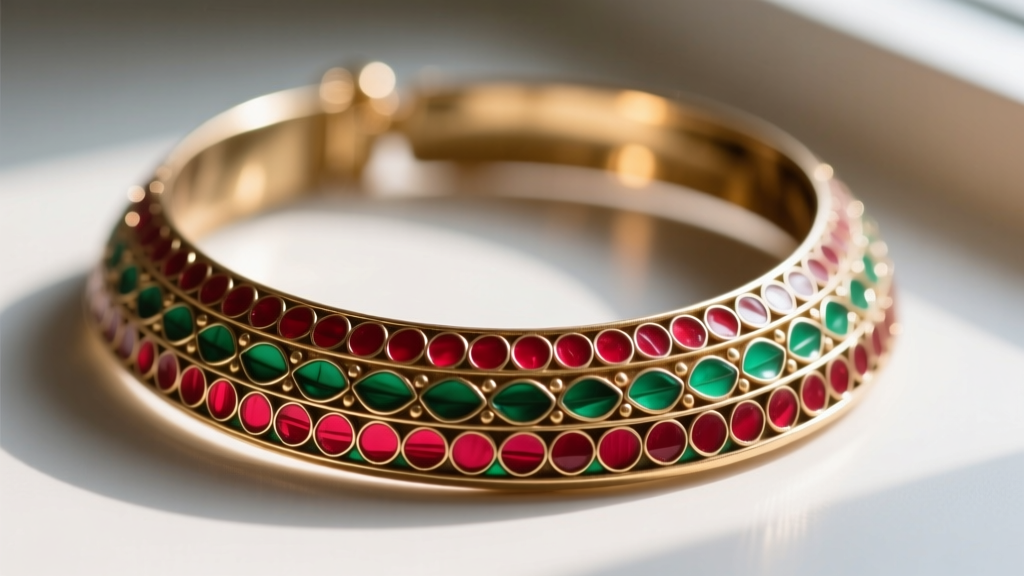
Meenakari (Enameling): Often applied to the reverse or inner curve of the hasli, Meenakari involves fusing vibrant glass powders into etched metal grooves. Ruby red, emerald green, and lapis blue are traditional. When inspecting a Meenakari hasli, run your fingernail lightly over the enamel; it should be perfectly flush with the metal divots. Any raised edges or bubbling indicates poor temperature control during the firing process.
Care and Maintenance for Rigid Collars
The rigid structure of the hasli requires specific storage and care protocols to prevent warping and material degradation.
- Storage: Never toss a hasli into a crowded jewelry box. The rigid metal can bend under pressure, and the raised Thappa motifs can easily dent. Store it flat in a dedicated, fabric-lined tray or hang it on a wide, padded jewelry bust to maintain its structural arc.
- Cleaning Enamel: If your hasli features Meenakari, never use ultrasonic cleaners or harsh chemical dips (like silver polish). The vibrations can shatter the glass enamel, and the chemicals will strip the color. Clean only with a damp microfiber cloth.
- Oxidation Management: For oxidized silver haslis, embrace the tarnish in the crevices—it highlights the repoussé work. Only gently polish the raised, high-contact areas with a dry silver cloth to maintain the contrasting depth.
Final Verdict: Investing in the Hasli
The hasli necklace in 2026 represents a masterclass in jewelry evolution. It honors centuries of Indian metallurgical heritage while adapting to the ergonomic and aesthetic demands of the modern global wardrobe. Whether you are investing in a lightweight, BIS-hallmarked sterling silver piece for daily fusion wear, or a heavy, Meenakari-adorned brass collar for statement evenings, the hasli offers an architectural gravity that elevates any ensemble. Prioritize inner-rim contouring, verify your metal grades, and let the rigid collar do the heavy lifting for your neckline styling.


