How to Build and Style a Custom Spawn Necklace Guide
Learn how to build, source, and style a custom spawn necklace. Our step-by-step guide covers heavy chain gauges, oxidized metals, and gothic pendants.

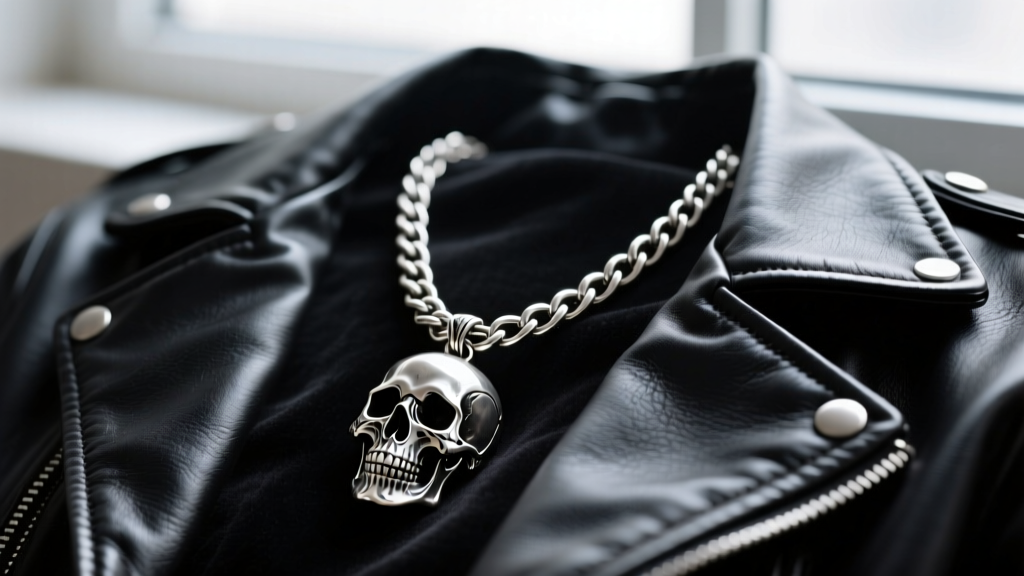
The term spawn necklace has evolved far beyond cheap comic-con props and basic gamer merchandise. In 2026, the spawn aesthetic—heavy-gauge chains, oxidized metals, gothic motifs, and industrial hardware—has firmly cemented itself in high-end alternative streetwear and luxury gothic jewelry. Whether you are drawing inspiration from Al Simmons' iconic heavy chains or the gritty 'spawn point' motifs of modern gaming culture, building a custom piece requires a deep understanding of metallurgy, weight distribution, and hardware security.
This step-by-step guide will teach you how to source, assemble, and style a premium spawn necklace that weighs over 150 grams without compromising on durability or comfort.
The Anatomy of a True Spawn Necklace
A genuine spawn-style necklace is defined by its substantial weight and darkened, aggressive finish. Unlike delicate layering chains, a spawn necklace acts as a standalone statement piece. The core components include a heavy-gauge chain (typically 5mm to 8mm thick), a darkened metal finish (either oxidized silver or PVD-coated steel), and an oversized, thematic pendant or medallion.
The most critical factor in this style is weight distribution. A necklace weighing 200 grams will cause severe neck fatigue if the chain is too thin, as the pressure concentrates on a small surface area of the cervical spine. Therefore, selecting a chain with a flat or semi-flat profile, such as a Cuban link or a flat rope chain, is essential for comfort.
Step 1: Sourcing the Heavy-Gauge Chain
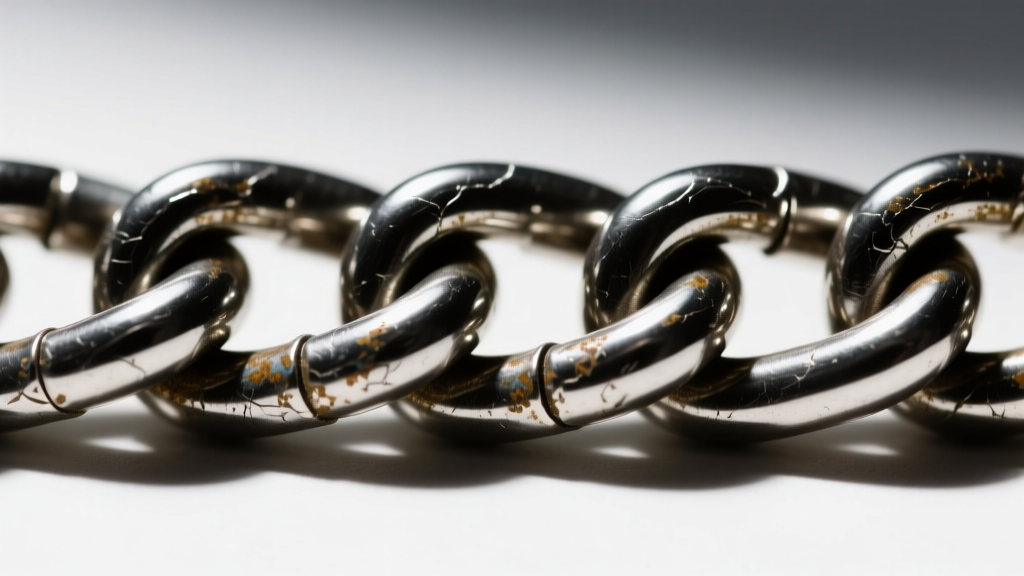
The foundation of your spawn necklace is the chain. You have two primary material routes: 925 Sterling Silver (for premium, artisanal builds) or 316L Surgical Stainless Steel (for budget-friendly, ultra-durable builds). For the signature blackened look, sterling silver is treated with Liver of Sulfur, while stainless steel is treated with black PVD (Physical Vapor Deposition) coating.
According to jewelry supply experts at Fire Mountain Gems, selecting the correct clasp for heavy chains is where most DIY builders fail. A standard 8mm spring-ring clasp will snap under the dynamic tension of a 150g chain.
| Chain Thickness | Average Weight (22") | Required Clasp Size | Jump Ring Gauge |
|---|---|---|---|
| 4.0mm - 5.0mm | 65g - 90g | 10mm Lobster | 16 Gauge (Soldered) |
| 6.0mm - 7.0mm | 120g - 160g | 14mm Lobster | 14 Gauge (Soldered) |
| 8.0mm - 10.0mm | 180g - 250g+ | 18mm+ Toggle/Custom | 12 Gauge (Soldered) |
Step 2: Selecting and Fitting the Pendant
The pendant is the focal point of a spawn necklace. Common motifs include geometric skulls, gaming tokens, or industrial gears. However, the most common point of failure in heavy pendant necklaces is the bail (the loop that connects the pendant to the chain).
Sizing the Bail
If you are using a 6mm Cuban link chain, your pendant's bail must have an inner diameter of at least 8.5mm to allow the chain to lay flat. A bail that is too tight will cause the chain to bunch up, leading to premature wear on the links and an awkward, stiff drape on the chest.
- Cast Bails: Ideal for 925 silver. Ensure the bail is cast thick (at least 2mm walls) to prevent bending under the pendant's weight.
- Soldered Tube Bails: Best for industrial or steel pendants. Use a heavy-gauge steel tube and solder it directly to the pendant's top plate.
Step 3: Assembly and Hardware Security
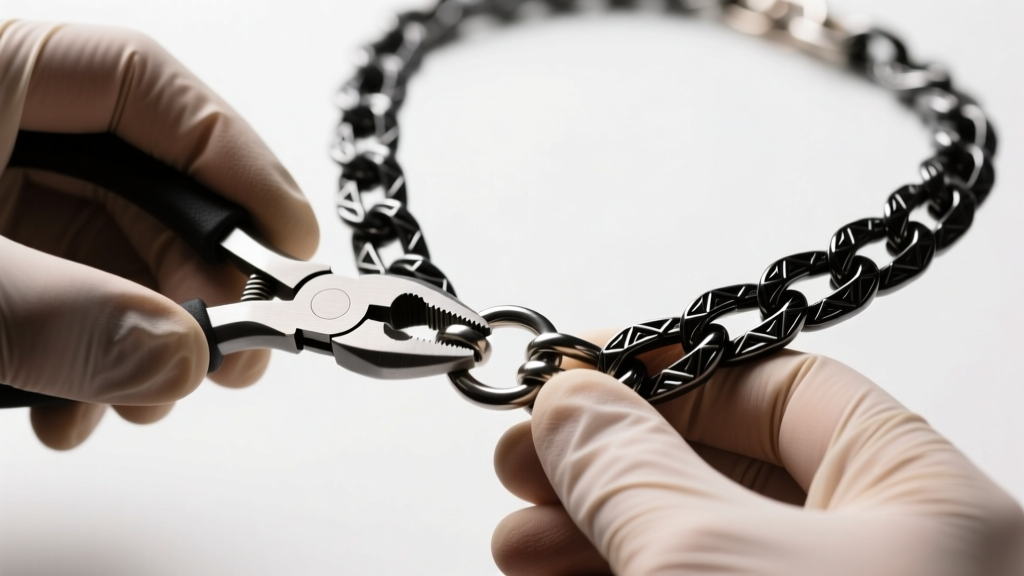
Assembling a heavy spawn necklace requires specialized tools to avoid marring the darkened finish of the metal. Never use standard metal-jaw pliers on oxidized silver or PVD-coated steel, as they will permanently scratch the surface.
Essential Tools for Assembly
- Nylon Jaw Pliers: For bending heavy-gauge jump rings without scratching the metal.
- Flush Cutters: For trimming excess wire or solder.
- Mandrel: To reshape jump rings that have been pulled out of a perfect circle.
When attaching the clasp, never use split rings (the keychain-style rings). The constant friction of a heavy chain will wear down the metal of a split ring, eventually causing it to uncoil and drop the necklace. Instead, use heavy-gauge, soldered jump rings. If you do not have a micro-torch to solder the rings shut yourself, jewelry suppliers like Rio Grande sell pre-soldered stainless steel and sterling silver jump rings specifically designed for heavy chainmail and thick chains.
Troubleshooting Common Assembly Failures
Even experienced builders run into issues when working with heavy-gauge alternative jewelry. Here is how to troubleshoot the most common spawn necklace failures:
- The 'Green Neck' Effect: If your skin turns green, your chain is not 316L steel or 925 silver; it is likely brass or copper plated with a thin layer of black nickel. The acidity in your sweat is reacting with the copper. Fix: Coat the inside of the chain with a jeweler's nano-ceramic sealant, or upgrade to solid 316L steel.
- Bail Wear-Through: If the pendant bail is rubbing a groove into the chain links, the bail is too loose, causing excessive kinetic friction. Fix: Line the inside of the bail with a thin strip of black shrink tubing or have a jeweler insert a hardened steel sleeve.
- Clasp Slipping: Lobster clasps on heavy chains often slip open if the internal spring tension is too weak to hold the heavy weight of the chain when leaning forward. Fix: Switch to a heavy-duty T-bar toggle clasp, which relies on gravity and physics rather than a weak internal spring.
Styling Your Spawn Necklace in 2026
The way we style heavy alternative jewelry has shifted dramatically. The days of pairing heavy gothic chains exclusively with band tees and leather jackets are over. In 2026, the most striking way to wear a spawn necklace is through textural contrast.
Neckline Pairings
Because a 6mm+ chain is highly dominant, it requires a neckline that frames it without competing. Deep V-necks and open camp-collar shirts allow the pendant to rest directly against the skin, maximizing the visual impact of the oxidized metal. Avoid high crew necks with graphic prints, as the visual noise will clash with the intricate links of a Cuban or rope chain.
The Art of Asymmetrical Layering
Can you layer a 180-gram spawn necklace? Yes, but you must follow the rule of extreme contrast. Pair your heavy 8mm oxidized spawn chain with an ultra-thin, 2mm matte-black box chain that sits two inches higher on the collarbone. This creates a deliberate, curated look that bridges the gap between hardcore alternative fashion and modern minimalist layering.
Maintenance and Patina Care
The dark, brooding finish of a spawn necklace requires specific maintenance. If you built your piece using 925 sterling silver and Liver of Sulfur, you must be careful not to over-polish it. Standard silver dips and ultrasonic cleaners will strip the oxidation entirely, leaving you with a bright, shiny chain that ruins the gothic aesthetic.
Instead, use a dry polishing cloth (like a Sunshine cloth) and gently buff only the high points of the chain links. This preserves the deep black patina in the crevices while allowing the edges to catch the light, giving the necklace a rugged, worn-in appearance that perfectly matches the spawn ethos. For PVD-coated stainless steel, simply wash with mild dish soap and warm water, avoiding harsh chemicals or chlorine pools, which can degrade the PVD coating over time.


