The Weeknd Necklace Care: Cleaning & Maintenance Guide
Learn how to clean and maintain your The Weeknd necklace. Expert tips for preserving gold vermeil, CZ stones, and heavy chain links.

The Anatomy of The Weeknd Necklace Styles
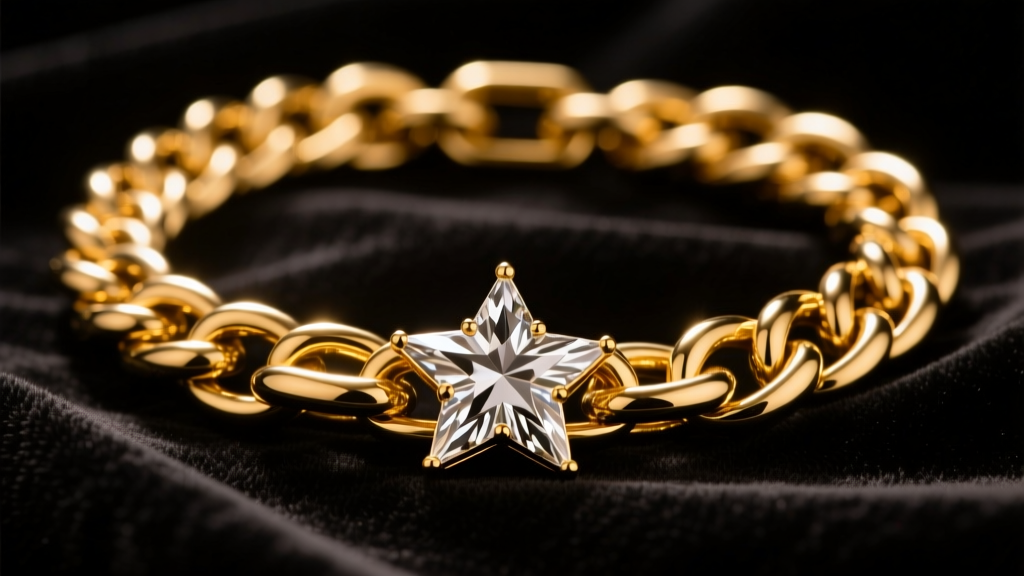
When fans and jewelry enthusiasts search for a 'The Weeknd necklace,' they are typically referencing the bold, statement-making pieces worn by Abel Tesfaye across his After Hours and Dawn FM eras. These range from heavy, oversized Cuban link chains and diamond-encrusted cross pendants to custom XO logo pieces. Because authentic custom hip-hop jewelry can cost tens of thousands of dollars, the market is flooded with high-quality replicas, official merchandise, and inspired pieces crafted from alternative materials.
Understanding the exact metallurgy of your piece is the first step in proper maintenance. Most accessible pieces in this aesthetic fall into three categories:
- Gold Vermeil over 925 Sterling Silver: High-end replicas often use a sterling silver base plated with at least 2.5 microns of 14k or 18k gold.
- 316L Surgical Stainless Steel: Popular for heavy, un-plated Cuban chains due to its high tensile strength and resistance to tarnish.
- Brass or Zinc Alloy with Flash Plating: Common in official tour merchandise and budget-friendly pendants, requiring the most delicate care to prevent the base metal from oxidizing.
Environmental Threats to Statement Jewelry
The lifestyle associated with R&B and hip-hop fashion often exposes jewelry to harsh environmental hazards. The primary enemy of any plated 'The Weeknd necklace' is not just water, but the chemical compounds found in daily grooming products.
Alcohol-based fragrances and colognes act as solvents. Spraying cologne directly onto your neck while wearing a gold-plated chain will rapidly degrade the metallic bonds, causing the plating to cloud, flake, or wear away entirely within months.
Furthermore, human sweat contains lactic acid and sulfur compounds. When sulfur interacts with the copper alloys present in brass or the sterling silver beneath gold vermeil, it creates silver sulfide—a black, crusty tarnish that ruins the visual appeal of the chain. According to the Jewelers of America, removing jewelry before heavy physical exertion is the single most effective way to prolong the life of plated metals.
Step-by-Step Cleaning Protocols by Material
A one-size-fits-all approach to jewelry cleaning will destroy delicate pieces. You must tailor your cleaning regimen to the specific materials of your necklace.
Gold Vermeil & Plated Chains
For gold-plated and vermeil pieces, abrasion is the enemy. Never use toothpaste, baking soda, or stiff-bristled brushes, as these will strip the gold micron layers.
- Mix a few drops of pH-neutral dish soap (like Dawn) into a bowl of lukewarm distilled water. Tap water contains chlorine and minerals that can leave micro-deposits.
- Dip a lint-free microfiber cloth or a baby-soft makeup brush into the solution.
- Gently wipe the chain links and pendant, paying special attention to the crevices where skin oils accumulate.
- Rinse briefly under a slow stream of distilled water.
- Pat completely dry with a clean microfiber towel. Air-drying can cause water spots on high-polish gold finishes.
Surgical Stainless Steel Hardware
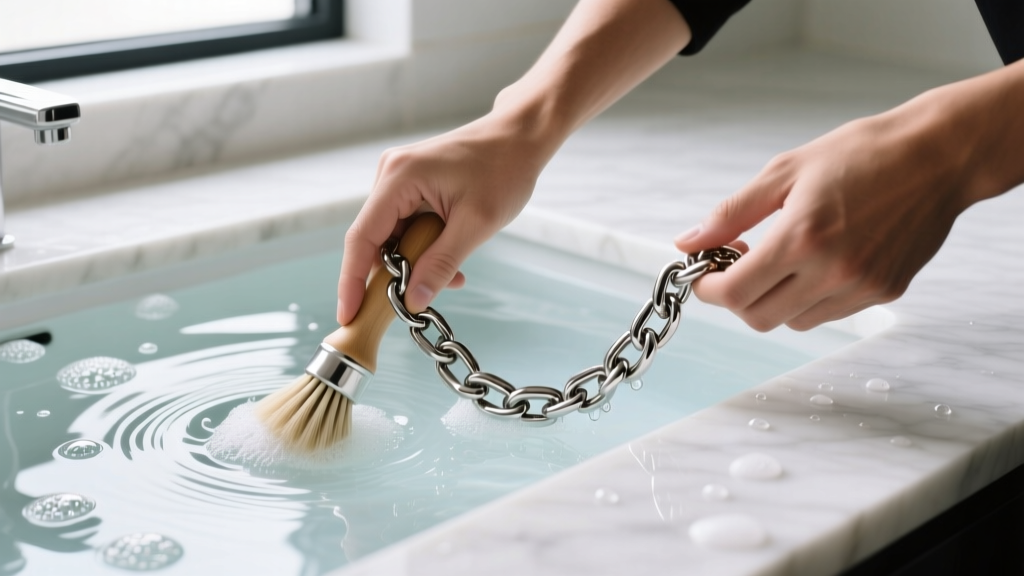
316L stainless steel is incredibly resilient. If your heavy Cuban chain is solid steel, you can use a soft-bristled toothbrush with warm soapy water to agitate dirt out of the tight link gaps. Steel can also withstand brief soaks in specialized, non-ammonia jewelry cleaning solutions, though mild soap remains the safest daily option.
Cubic Zirconia & Moissanite 'Iced Out' Pendants
Many iced-out replicas use Cubic Zirconia (CZ) stones set with jeweler's epoxy or adhesive rather than traditional metal prongs. The Gemological Institute of America (GIA) warns against using ultrasonic cleaners on jewelry with glued stones or fracture-filled simulants. The high-frequency vibrations will shatter the adhesive bond, causing stones to fall out. Clean iced-out pendants using only a soft brush, mild soap, and avoid soaking them for more than two minutes.
The Weeknd Necklace Maintenance Matrix
Use this quick-reference table to determine the safest care routine for your specific jewelry type.
| Material Type | Cleaning Frequency | Safe Cleaning Agents | Strict Avoidances |
|---|---|---|---|
| 18k Gold Vermeil | Bi-weekly | Distilled water, pH-neutral soap, microfiber | Ultrasonic cleaners, silver dip, polishing cloths |
| 316L Stainless Steel | Monthly | Warm water, mild detergent, soft toothbrush | Bleach, harsh chlorine pool water |
| Brass/Zinc Flash Plate | As needed (Spot clean) | Damp microfiber cloth only | Submerging in water, any liquid cleaners |
| Iced-Out CZ (Glued) | Monthly | Baby-soft brush, minimal soapy water | Ultrasonic cleaners, steamers, hot water |
Proper Storage to Prevent Tarnish and Scratching
How you store your necklace is just as critical as how you clean it. Heavy chains like Cubans or rope chains are prone to tangling, which can cause mechanical stress and stretch the links over time. Furthermore, the Mohs Hardness Scale dictates that harder metals and stones will scratch softer ones.
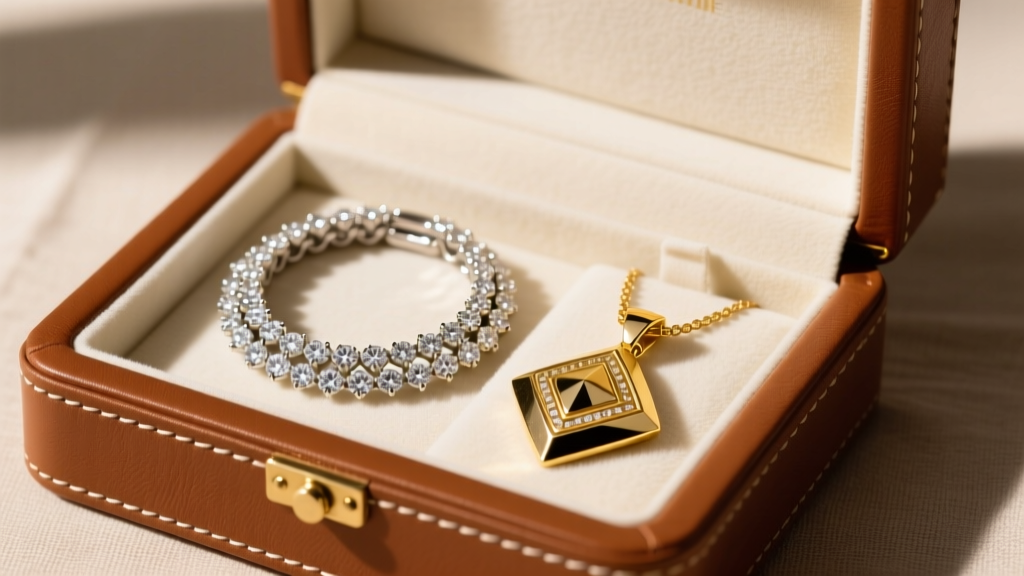
If you own multiple pieces to achieve that layered 'The Weeknd' aesthetic, never throw them into a single drawer or jewelry box compartment. The friction between a stainless steel chain and a gold vermeil pendant will result in severe micro-scratching.
- Use Anti-Tarnish Strips: Place 3M anti-tarnish strips inside your jewelry box or storage bags. These strips absorb ambient sulfur and hydrogen sulfide gases, preventing the sterling silver or brass base metals from oxidizing.
- Individual Polybags: Store each chain in its own sealed, anti-tarnish ziplock bag. Squeeze out excess air before sealing to minimize oxygen exposure.
- Hang Heavy Chains: For chains over 20 inches and 100 grams, hanging them on a velvet-lined jewelry valet prevents the links from kinking and preserves the structural integrity of the clasp.
When to Seek Professional Jewelry Restoration
Even with meticulous care, gold vermeil will eventually wear down to the silver or brass base metal, particularly on the back of the pendant and the clasp mechanism where friction is highest. When your piece begins to show a copper or silver hue, it is time for professional re-plating.
A local jeweler can polish the base metal and apply a fresh layer of rhodium or 18k gold plating, restoring the piece to its original factory condition. Additionally, if your iced-out pendant features prong-set stones that have become loose or caught on clothing, a jeweler can perform a 'prong re-tipping' to secure the CZ or moissanite stones before they are lost. By treating your statement jewelry with the same respect as fine luxury pieces, you ensure your collection remains as iconic and pristine as the artists who inspired it.


