The Ultimate Seed Bead Multi Strand Necklace Buying Guide (2026)
Discover what to look for when buying a seed bead multi strand necklace in 2026. Expert tips on bead sizes, stringing materials, and clasps.

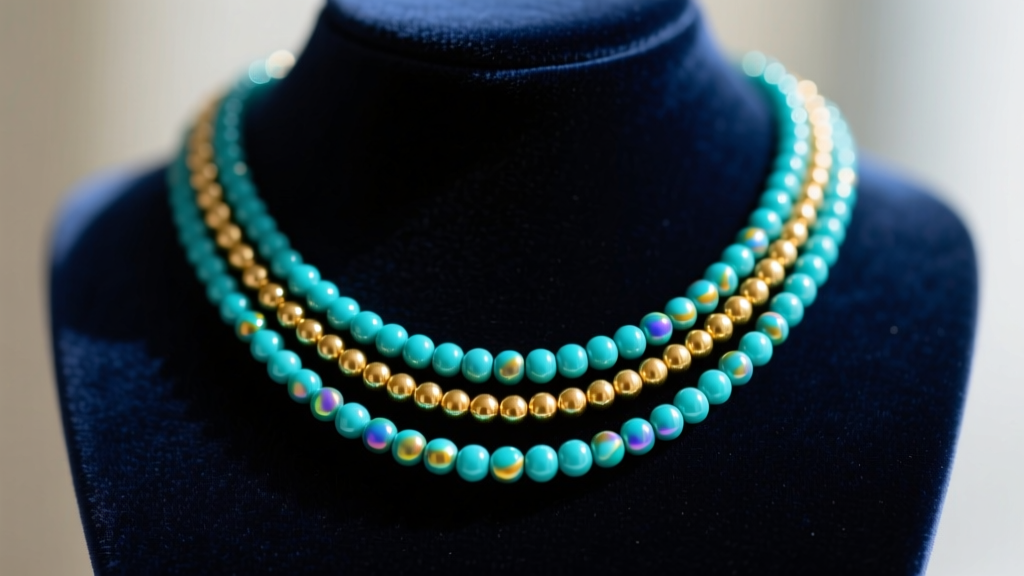
The Anatomy of a Perfect Seed Bead Multi Strand Necklace
When shopping for a seed bead multi strand necklace in 2026, the difference between a fragile fashion accessory and a lasting wardrobe staple lies in the microscopic details. Multi-strand designs require a delicate balance of tension, weight distribution, and material integrity. This guide breaks down exactly what to look for, ensuring your investment holds up to daily wear while maintaining its stunning drape.
Decoding Seed Bead Sizes and Origins
Not all seed beads are created equal. The two primary origins are Japanese (Miyuki, Toho) and Czech (Preciosa). Japanese beads are renowned for their uniformity and larger hole sizes, making them ideal for multi-strand pieces where you may need to pass through a single bead multiple times. Czech beads offer a more organic, vintage look but have smaller holes and slight size variations.
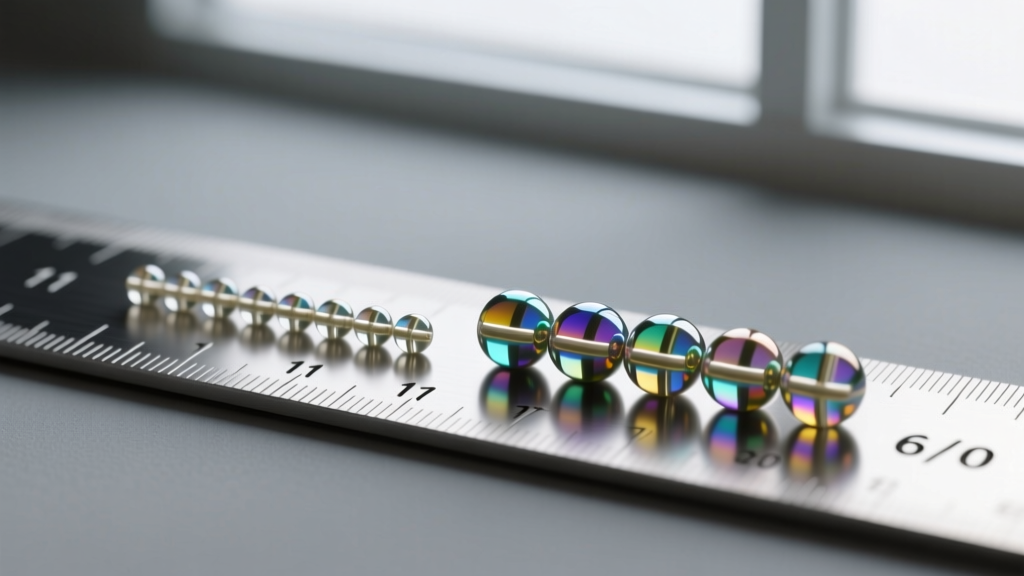
Standard Sizing Chart for Multi-Strand Designs
| Bead Size | Diameter | Hole Size | Best Application |
|---|---|---|---|
| 15/0 | 1.3mm | 0.3mm | Delicate, lightweight 5+ strand pieces |
| 11/0 | 1.6mm | 0.4mm | Standard multi-strand, excellent drape |
| 8/0 | 3.0mm | 0.8mm | Chunky, statement 2-3 strand necklaces |
| 6/0 | 4.0mm | 1.0mm | Heavy collars, requires thick stringing |
According to Beadaholique, the 11/0 size remains the gold standard for most necklace designs, offering the best compromise between detail and structural durability.
Stringing Materials: The Hidden Framework
The most common point of failure in a seed bead multi strand necklace is the stringing material. Basic nylon thread stretches and degrades under the compounded weight of multiple strands. For a high-quality piece, look for these advanced materials:
- Braided Polyethylene (e.g., FireLine): Zero stretch, highly abrasion-resistant. Essential if the necklace incorporates sharp-edged crystal or metal spacer beads.
- Thermally Bonded (e.g., WildFire): Features a smooth, needle-like end that prevents fraying. Ideal for complex multi-strand patterns requiring multiple passes through the same beads.
- 49-Strand Stainless Steel Wire: Offers a fluid, fabric-like drape. Avoid 7-strand or 19-strand wires, which are too stiff and will cause the necklace to kink permanently.
Clasp Mechanics and Tension Distribution
Multi-strand necklaces exert lateral pull on the clasp. A standard lobster claw attached to a single jump ring will quickly warp and fail. High-end artisans use specialized multi-strand clasps to distribute tension evenly across all strands.
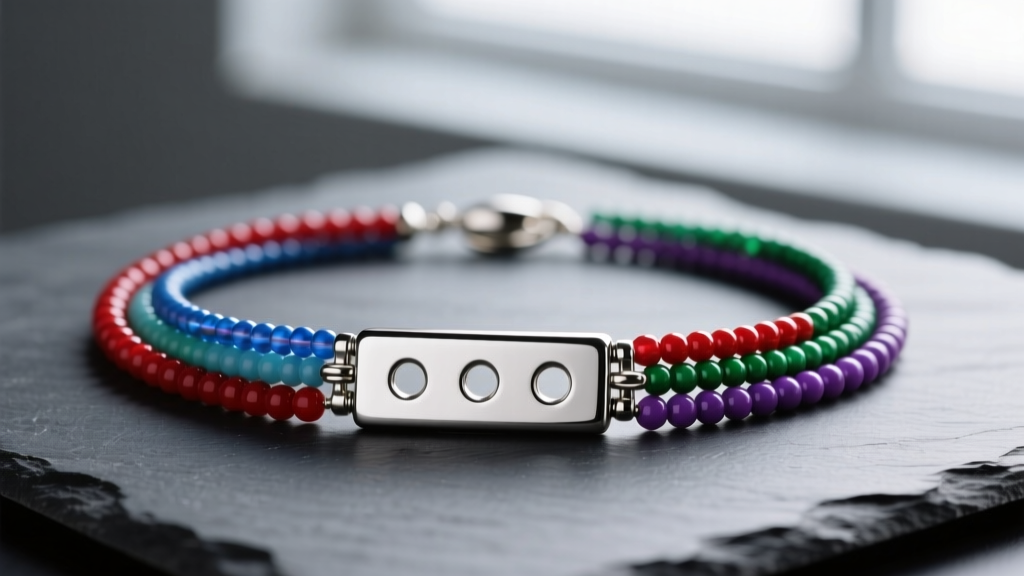
Recommended Clasp Types
- Slide Lock Tubes: These feature 2 to 5 parallel holes and lock securely with a friction or screw mechanism. They keep strands perfectly aligned and prevent twisting.
- Neodymium Magnetic Multi-Strand Clasps: Excellent for accessibility, but ensure the magnets are encased in sterling silver or gold-filled housing, not cheap base metal that will tarnish.
Pro-Tip: Always check if the artisan uses wire guards (French wire/bullion) at the clasp connection. As noted by Fire Mountain Gems, bare stringing material rubbing directly against a metal clasp loop will eventually saw through, leading to catastrophic failure.
Color Fastness and Dye Lot Consistency
When purchasing a seed bead multi strand necklace, color consistency is paramount. Cheaper beads are often surface-dyed, meaning the color can rub off on clothing or fade with UV exposure. High-quality Japanese beads are typically color-lined or made from solid-color glass. Always ask the seller if the beads are "colorfast" or if they feature an AB (Aurora Borealis) or luster finish that might wear off over time. For metallic finishes, look for "galvanized" or "24k gold-plated" designations, which offer superior durability compared to standard electroplated finishes.
Finishing Techniques: Crimps vs. Bead Tips
How the strands are terminated at the clasp dictates the necklace's longevity. The most common method is using metal crimp beads crushed with specialized crimping pliers. A high-end artisan will use a sterling silver or gold-filled crimp, followed by a crimp cover—a small metal bead that closes over the crushed crimp to mimic a seamless round seed bead. Alternatively, some makers use bead tips (clamshell calottes) tied with a surgeon's knot. While bead tips offer a clean look, they can introduce a weak point if the thread is not properly sealed with a drop of flexible jewelry adhesive like G-S Hypo Cement.
Pricing Tiers: What Are You Actually Paying For?
Understanding the pricing landscape helps you avoid overpaying for mass-produced items disguised as artisan jewelry.
Mass Market ($15 - $35): Typically uses basic glass beads, nylon thread, and glued base-metal clasps. Expect a lifespan of 6-12 months before stretching or breaking.
Artisan / Handmade ($80 - $250): Features premium Miyuki or Toho beads, FireLine or 49-strand wire, sterling silver slide locks, and proper crimp bead finishing with crimp covers.
High-End Designer ($300+): Incorporates 24k gold-plated seed beads, genuine gemstone accents, and custom-forged clasps. These are investment pieces.
Styling Your Multi-Strand Piece for Modern Necklines
A seed bead multi strand necklace is a statement of texture. In 2026, the trend leans towards pairing these highly textured pieces with minimalist, structured garments to create visual contrast. A 3-strand 11/0 seed bead collar sits perfectly against a crisp, oversized white button-down shirt or a deep V-neck silk blouse. For wider, 5-strand bib styles, opt for a simple scoop-neck tee or a sleek turtleneck in the winter months. Avoid pairing multi-strand beadwork with busy patterns or heavily embellished clothing, as the competing textures will overwhelm the visual field and diminish the impact of the jewelry.
Care, Maintenance, and Storage
To maximize the lifespan of your seed bead multi strand necklace, never hang it on a jewelry tree. Hanging causes differential stretching, where the inner strands become shorter than the outer strands, ruining the drape. Always store the piece flat or loosely coiled in a soft pouch. Clean only with a damp microfiber cloth; avoid ultrasonic cleaners, which can shatter glass beads or strip delicate metallic linings.
Final Verdict
Investing in a well-constructed seed bead multi strand necklace requires looking past the surface colors and examining the structural engineering. Prioritize Japanese seed beads, advanced stringing materials like braided polyethylene, and multi-hole slide lock clasps. By focusing on these technical specifications, you will secure a piece that drapes beautifully and lasts for decades.


