Link Gold Necklace Trends: 2026 Styling & Buying Guide
Explore 2026 link gold necklace trends. Compare Cuban, paperclip, and mariner styles, analyze 14k vs 18k durability, and master layering.

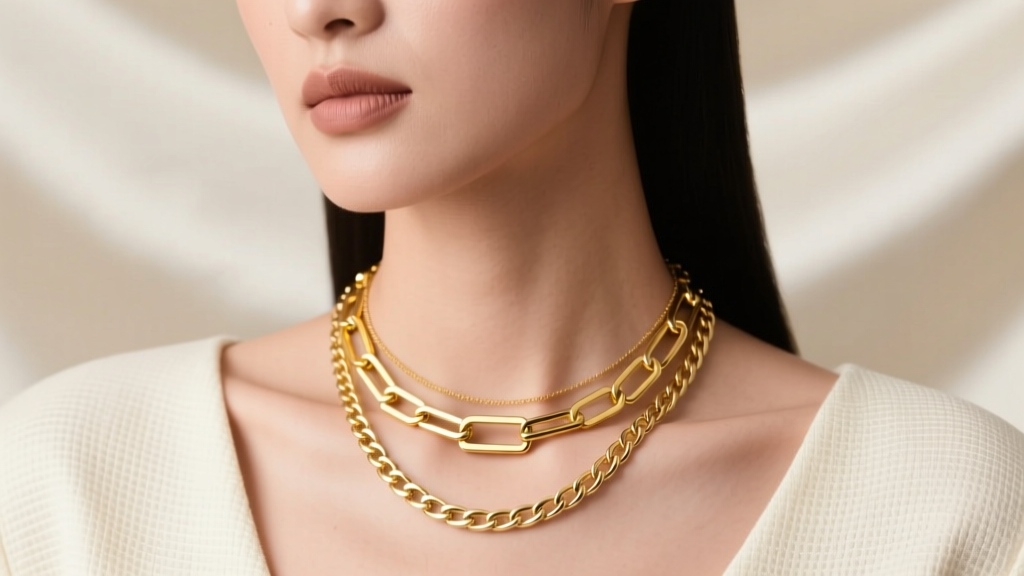
The link gold necklace has transcended its historical roots as a mere status symbol to become the foundational anchor of modern jewelry wardrobes. As we navigate the style landscape of 2026, the demand for architecturally sound, visually striking chain links has never been higher. Consumers and collectors alike are moving away from ultra-delicate, easily broken chains, favoring substantial, well-engineered links that offer both structural integrity and bold aesthetic appeal. Whether you are investing in a heavy Cuban chain or a sleek, elongated paperclip design, understanding the metallurgy, weight distributions, and styling frameworks of these pieces is essential for making a smart purchase.
The Evolution of the Link Gold Necklace in 2026
According to recent market analyses by JCK Online, the shift toward heavier, more sculptural gold chains is driven by a desire for versatile, gender-neutral staples that hold up to daily wear. In 2026, the link gold necklace is no longer just an accessory; it is a focal point. Designers are experimenting with hybrid link profiles—combining the flat surfaces of a Cuban link with the twisted geometry of a rope chain—to create pieces that catch light from multiple angles. However, this trend toward bolder, heavier links brings critical questions about gold purity, clasp mechanics, and long-term durability to the forefront of the buying process.
Decoding Link Profiles: Cuban, Paperclip, and Mariner
Not all links are created equal. The geometry of a link dictates how it drapes, how it reflects light, and how it withstands mechanical stress. Here is a breakdown of the dominant link styles defining the current market.
| Link Style | Average Width | Weight (18-inch) | Durability | Price Range (Solid 14k) |
|---|---|---|---|---|
| Cuban (Diamond-Cut) | 8mm - 12mm | 35g - 65g | Exceptional | $2,800 - $5,200 |
| Paperclip (Solid) | 4mm - 6mm | 12g - 22g | High | $950 - $1,800 |
| Mariner (Anchor) | 5mm - 9mm | 18g - 35g | Very High | $1,400 - $2,900 |
| Figaro (3:1 Ratio) | 4mm - 7mm | 15g - 28g | Moderate | $1,100 - $2,200 |
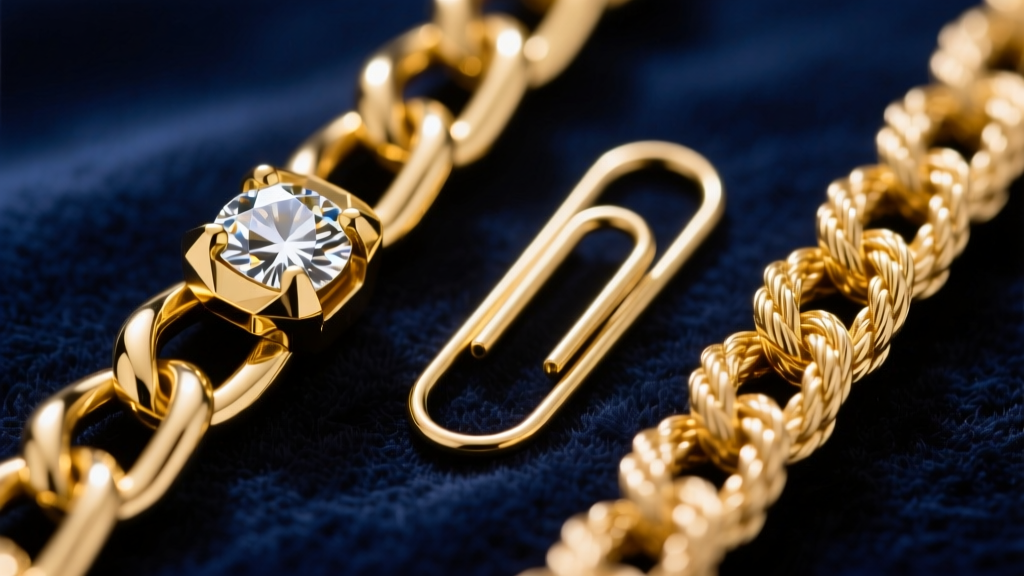
The Paperclip Conundrum: Hollow vs. Solid
The elongated paperclip link remains a massive trend, but buyers must be vigilant about manufacturing methods. Many mass-market jewelers use electroforming to create hollow paperclip links. While these offer a large visual footprint for a low price (often under $300), they are highly susceptible to crushing. A simple snag on a heavy sweater can dent a hollow link permanently. For a true investment piece, always demand solid cast or solid extruded paperclip links, which will weigh at least 12 grams for a standard 18-inch length.
Metallurgy & Mechanics: 14k vs. 18k Gold in Chain Links
When selecting a link gold necklace, the karatage of the gold fundamentally alters the chain's mechanical properties. Pure 24k gold is far too soft for structural jewelry. Therefore, alloying metals like copper, silver, and zinc are introduced to increase tensile strength.
- 14k Gold (58.5% Pure Gold): With a Vickers hardness rating of approximately 140-160 HV, 14k gold is the optimal choice for heavy link chains, particularly Cuban and Mariner styles. The higher alloy content provides superior resistance to stretching, scratching, and deformation under heavy dynamic loads.
- 18k Gold (75% Pure Gold): Prized for its rich, buttery yellow hue, 18k gold is softer (around 120-130 HV). While beautiful, an 18k gold paperclip chain worn daily is prone to micro-stretching over time, where the links slowly elongate and weaken at the solder points.
As noted by the Gemological Institute of America (GIA), understanding the trade-off between color saturation and structural durability is paramount when investing in fine jewelry chains. For chains exceeding 30 grams, 14k gold is the industry standard for longevity.
Common Failure Modes in Link Chains
Even the finest link gold necklace will fail if the hardware is undersized. The most common point of catastrophic failure is the clasp.
"A standard 12mm lobster clasp is rated for roughly 5 to 8 pounds of tensile force. If you attach it to a 45-gram Cuban chain, the dynamic swinging motion of the heavy links can easily generate enough kinetic force to snap the clasp's internal spring mechanism or pull the jump ring open."
The Fix: For any link chain over 25 grams, insist on a box clasp with a double safety catch, or a minimum 18mm heavy-duty lobster clasp paired with a 1.5mm thick, laser-soldered jump ring. Furthermore, when links do break, traditional torch soldering can leave visible, discolored seams. Seek out jewelers who utilize laser welding, which allows for pinpoint, high-heat repairs without melting the surrounding facets of diamond-cut links.
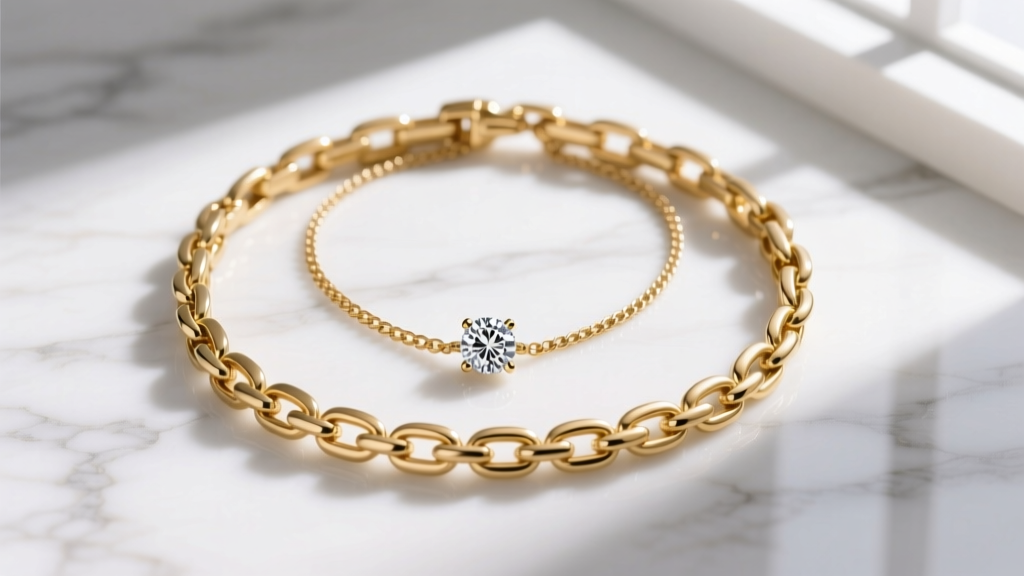
2026 Layering Frameworks for Link Necklaces
Styling a link gold necklace in 2026 is all about intentional contrast. The days of wearing three identical chains of varying lengths are fading. Today's aesthetic relies on mixing link geometries, widths, and finishes to create a curated, textured look.
The Rule of Thirds Framework
- The Anchor (Base Layer): Start with a substantial link chain, such as a 6mm Mariner or an 8mm Cuban, sitting at the collarbone (16 to 18 inches). This provides visual weight and grounds the composition.
- The Bridge (Middle Layer): Introduce a contrasting link profile. If your anchor is a flat Cuban, use a rounded, twisted Rope chain or an elongated Paperclip chain. Drop this layer by at least 2.5 inches (20 to 22 inches) to prevent the metal links from grinding against each other, which causes premature wear.
- The Focal Point (Bottom Layer): Finish with a delicate, lightweight chain (like a 2mm Figaro or Box chain) at 24 to 26 inches, featuring a singular, high-impact pendant—such as a bezel-set diamond, a signet motif, or a textured gold medallion.
Final Verdict: Investing in the Right Link
The modern link gold necklace is a masterclass in functional art. As 2026 trends push toward bolder, more architectural silhouettes, the smartest buyers are prioritizing solid construction, appropriate karatage for the chain's weight, and robust clasp mechanics over sheer visual size. By understanding the distinct properties of Cuban, paperclip, and mariner links, and by adhering to structural layering frameworks, you can build a chain collection that not only elevates your daily style but stands the test of time as a lasting asset. Always request the exact gram weight and clasp specifications before purchasing, ensuring your investment is as mechanically sound as it is visually stunning.


