The Ultimate Beginner Guide to Choosing a Linked Chain Necklace
Discover how to choose the perfect linked chain necklace. Learn about wire gauges, durable link styles, and metal grades for everyday wear.

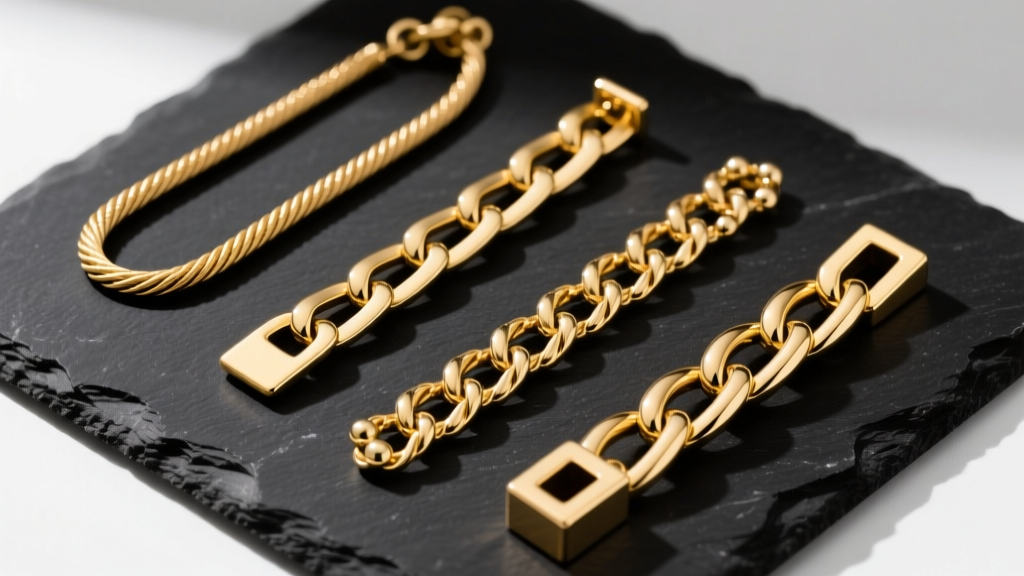
Why Your First Linked Chain Necklace Matters
Buying your first high-quality linked chain necklace can feel like navigating a maze of confusing terminology. You are immediately confronted with terms like "curb," "figaro," "gold vermeil," and "wire gauge." As a beginner, it is easy to make a costly mistake by purchasing a piece that looks beautiful in the display case but tangles, stretches, or tarnishes within a few months of daily wear. In 2026, the jewelry market is flooded with hyper-thin, hollow-core chains that prioritize low upfront costs over longevity. This guide strips away the marketing fluff and provides a practical, engineering-based framework to help you select a linked chain necklace that will actually last a lifetime.
Decoding Link Styles: Which Shape Suits You?
The structural integrity of your necklace is heavily dictated by its link shape. Different links distribute weight and tension in unique ways, directly impacting how the chain drapes, tangles, and withstands pulling.
Cable, Curb, and Figaro Chains
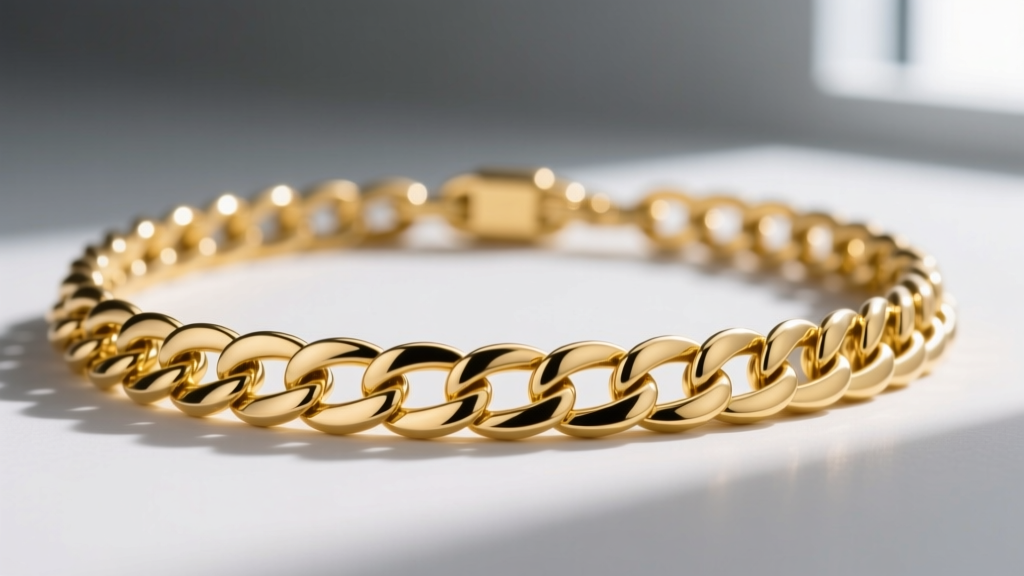
The cable chain is the most traditional style, featuring uniform oval links. While classic, standard round-wire cable chains are highly prone to tangling and kinking. If you choose a cable chain, opt for flattened links rather than perfectly round ones to reduce friction. The curb chain features links that have been twisted and flattened so they interlock tightly and lay flush against the skin. This interlocking design makes the curb chain incredibly durable and highly resistant to tangling, making it the gold standard for heavy pendants. The figaro chain is essentially a patterned curb chain, typically featuring three short links followed by one long link. It offers the same structural durability as a standard curb but with added visual rhythm.
Rope and Box Chains
A rope chain consists of small metal links twisted together to mimic the appearance of a woven rope. The faceted surface catches the light brilliantly, but the deep crevices can trap skin oils and lotions, requiring more frequent ultrasonic cleaning. Furthermore, rope chains can easily catch on fine body hair or loose clothing threads. The box chain is made of square, interlocking links that create a smooth, geometric, and modern look. While visually striking, box chains are notoriously fragile if purchased in thin widths (under 1.5mm) because the right-angle bends in the metal create natural stress points that can snap under the weight of a heavy pendant.
The Science of Thickness: Wire Gauge vs. Link Width
One of the most common beginner mistakes is confusing link width with wire gauge. Link width is the total measurement across the entire link (e.g., 4mm). Wire gauge refers to the thickness of the actual metal wire used to form that link. A necklace can have a wide 5mm link but be made from a flimsy 22-gauge wire, resulting in a hollow, easily dented chain.
| Wire Gauge | Millimeter (mm) | Best Use Case | Pendant Weight Limit |
|---|---|---|---|
| 22 - 20 Gauge | 0.64mm - 0.81mm | Delicate, lightweight layering chains | Under 3 grams |
| 18 - 16 Gauge | 1.02mm - 1.29mm | Standard everyday wear, medium pendants | 3 to 8 grams |
| 14 - 12 Gauge | 1.63mm - 2.05mm | Heavy statement pieces, large pendants | 8 to 20+ grams |
| 10 - 8 Gauge | 2.59mm - 3.26mm | Standalone statement chains (no pendants) | N/A (Chain is the focal point) |
For a versatile, everyday linked chain necklace that can safely hold a standard gemstone or gold pendant, you should aim for a minimum of 16-gauge (1.29mm) wire thickness. According to the Federal Trade Commission's Jewelry Guides, manufacturers must accurately represent the metal weight and composition, so always check the exact gram weight of the chain before purchasing. A solid 18-inch, 3mm curb chain in 14k gold should weigh roughly 8 to 12 grams; if it weighs 3 grams, it is hollow-core and will dent upon impact.
Metal Grades: What Actually Lasts?
The metal composition dictates not just the color, but the Vickers hardness (scratch resistance) and tensile strength of your necklace.
Solid Gold: 14k vs. 18k
Pure 24k gold is far too soft for jewelry. Alloying it with metals like copper, silver, and zinc creates structural integrity. 18k gold (75% pure gold) offers a rich, deep yellow hue but has a lower Vickers hardness (around 120-130), making it slightly more prone to micro-scratches over decades of wear. 14k gold (58.5% pure gold) is the industry standard for durable chains. Its higher alloy content increases its hardness to roughly 140-150 on the Vickers scale, making it highly resistant to stretching and snapping. As noted by the Gemological Institute of America (GIA), 14k gold provides the optimal balance of rich color and everyday durability for chain necklaces.
Budget Alternatives: PVD Stainless Steel vs. Gold Vermeil
If solid gold is outside your current budget, avoid standard gold-plated brass, which will tarnish and turn your skin green within months. Instead, look for PVD (Physical Vapor Deposition) coated 316L surgical stainless steel. PVD coating bonds gold ions to the steel at a molecular level in a vacuum chamber, creating a layer that is 4 to 5 times thicker and vastly more scratch-resistant than traditional electroplating. A high-quality PVD steel chain will easily survive 3 to 5 years of daily showering and swimming without fading. Gold vermeil (a thick layer of gold over sterling silver) is a beautiful middle-ground, but the soft silver core means the chain can stretch more easily than steel or 14k gold if subjected to pulling.
Clasp Mechanics: The Hidden Weak Point
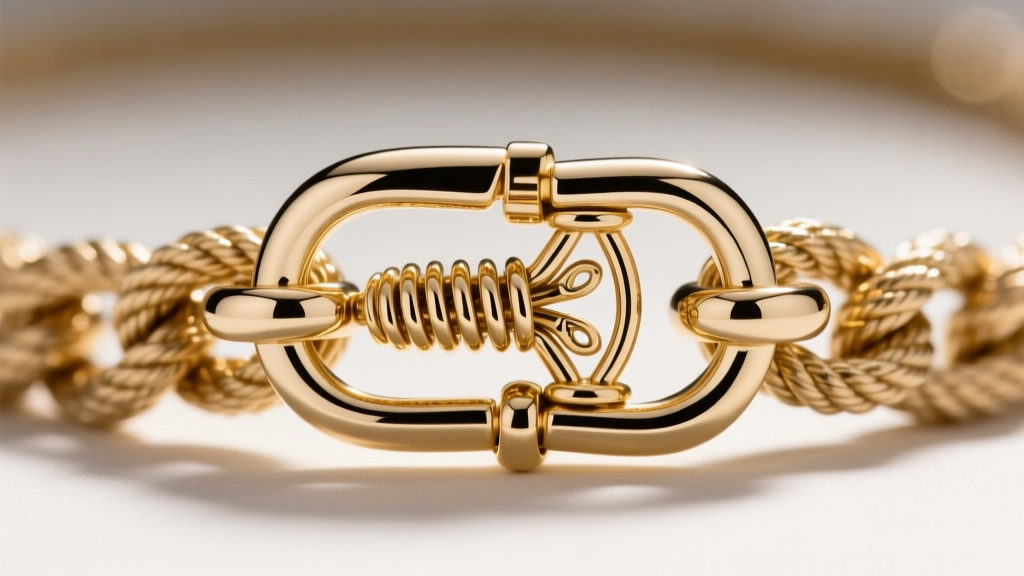
A chain is only as strong as its clasp. The tiny metal components at the ends of your necklace endure the most mechanical stress every time you put it on or take it off.
- Spring Ring Clasps: These are the small, perfectly circular clasps with a tiny lever. They are inexpensive but notoriously difficult to operate with one hand. The internal spring is weak, and the lever often snaps off under tension. Avoid these on any chain weighing more than 5 grams.
- Lobster Clasps: Shaped like a lobster's claw, these feature a stronger, thicker internal spring and a wider opening. A standard lobster clasp is the minimum requirement for a reliable linked chain necklace. Ensure the small "jump ring" that the lobster clasp hooks into is soldered (fused shut with heat) rather than just pinched closed, which prevents the ring from pulling apart.
- Box Clasps with Safety Catches: For heavy chains (over 20 grams), a box clasp that slides and clicks into a locking mechanism is mandatory. High-end versions include a "figure-eight" safety wire that folds over the clasp as a backup in case the primary mechanism fails.
Styling and Care Framework for Beginners
Once you have selected the right linked chain necklace, proper maintenance ensures it retains its structural integrity. Always unclasp your necklace before sleeping; tossing and turning creates torsional stress that can twist and permanently kink delicate cable or box chains. When storing, never toss multiple chains into a single jewelry box drawer. The links will inevitably weave into one another, creating a frustrating knot. Instead, hang your chains vertically on a jewelry stand or lay them flat in individual microfiber pouches.
For cleaning, skip the harsh commercial dips. Mix a few drops of mild dish soap with warm water, and gently agitate the chain using a soft-bristled baby toothbrush. This will dislodge trapped sebum and dead skin cells from inside the links without degrading the metal's natural luster. By prioritizing wire gauge over visual width, selecting interlocking link styles, and demanding soldered jump rings, you will secure a foundational piece of jewelry that outlasts fleeting trends and serves as a reliable canvas for your evolving personal style.


