Thin Silver Necklace Buying Guide: What to Look For in Quality and Fit
Discover what to look for in a thin silver necklace. Compare silver grades, chain gauges, and clasp types to find a durable, tarnish-resistant piece.

The Appeal and the Pitfalls of Delicate Silver Chains
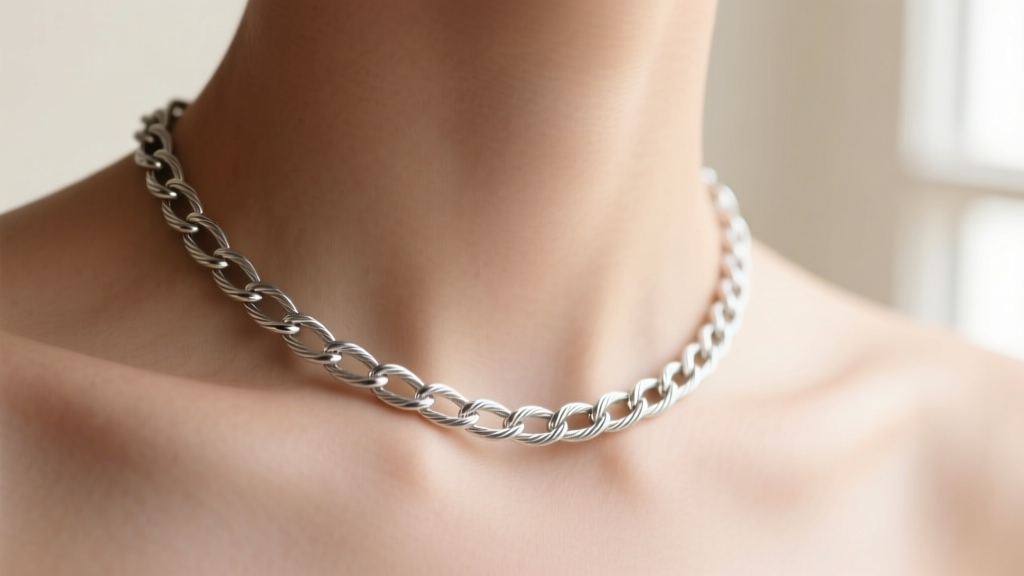
The minimalist jewelry movement has cemented the thin silver necklace as a wardrobe staple. Whether worn solo for a subtle gleam or layered in a curated stack, delicate chains offer unmatched versatility. However, their slender profile introduces a significant structural vulnerability. A thin silver necklace is inherently more prone to snapping, kinking, and rapid tarnishing than heavier counterparts. When shopping for fine jewelry, the difference between a piece that lasts a lifetime and one that breaks in a week comes down to metallurgy, wire gauge, and link geometry. This comprehensive buying guide breaks down the exact specifications you need to evaluate before making a purchase.
Silver Grades: Sterling vs. Argentium vs. Fine Silver
Not all silver is created equal. The alloy composition dictates the chain's tensile strength and its resistance to environmental tarnishing. Because thin chains have a high surface-area-to-volume ratio, they are exposed to more oxygen and sulfur per gram of metal, making the choice of alloy critical.
| Silver Grade | Purity | Alloy Metals | Tarnish Resistance | Best Use Case |
|---|---|---|---|---|
| Fine Silver (999) | 99.9% | None | High | Ear wires, bezels (Too soft for chains) |
| Sterling Silver (925) | 92.5% | Copper (7.5%) | Moderate | Standard everyday chains |
| Argentium Silver (935) | 93.5% | Copper, Germanium | Very High | Premium thin, low-maintenance chains |
According to the Gemological Institute of America (GIA), Sterling Silver (925) is the industry standard, but the copper content makes it susceptible to oxidation. For a thin silver necklace that you intend to wear daily without constant polishing, Argentium Silver is the superior choice. The addition of germanium forms a transparent, protective oxide layer that drastically slows tarnishing and allows the metal to be fused without traditional solder, creating stronger, seamless links.
Understanding Wire Thickness: Gauge and Millimeters
The most common point of failure in delicate jewelry is selecting a wire thickness that cannot support the weight of a pendant or the tension of daily movement. Jewelers use the American Wire Gauge (AWG) system, where a lower number indicates a thicker wire.
The Gauge Sweet Spot for Everyday Wear
- 24-Gauge (0.51mm): Extremely fragile. Suitable only for lightweight, stationary wear. Will easily snap if snagged on clothing.
- 22-Gauge (0.64mm): The standard for "delicate" jewelry. Can support very light pendants (under 3 grams) but requires careful handling.
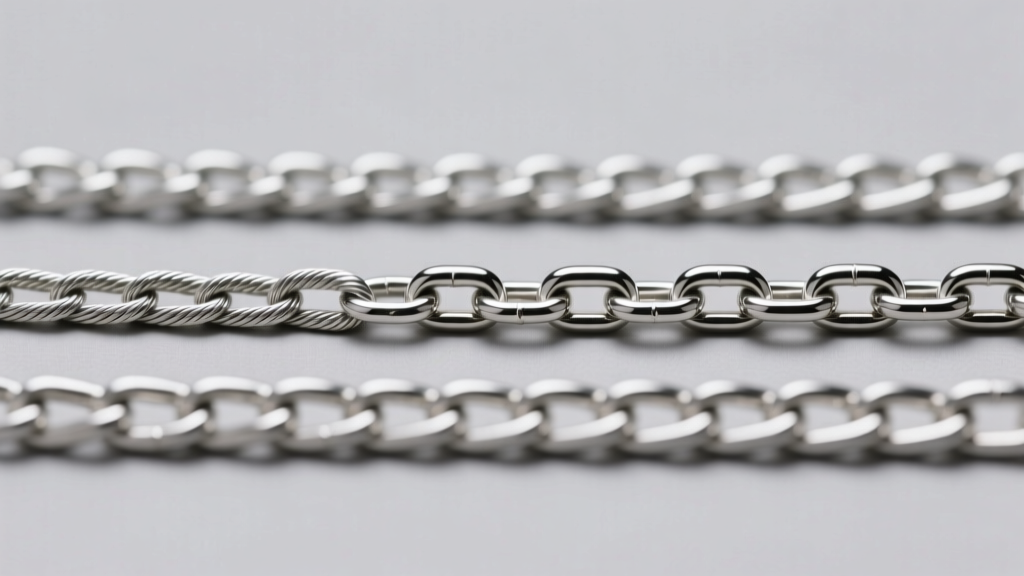
- 20-Gauge (0.81mm): The ultimate sweet spot. It retains a visually delicate profile while offering enough tensile strength to survive minor snags and support medium-weight pendants.
- 18-Gauge (1.02mm): Borders on medium-weight. Highly durable, but loses the ultra-fine aesthetic many buyers seek.
Pro-Tip: Always check the millimeter thickness in the product specifications. Some brands use the term "dainty" to mask a flimsy 26-gauge wire that is essentially metallic thread.
Chain Styles That Survive: Link Geometry Matters
The way the wire is shaped and interlocked determines the chain's structural integrity. When evaluating a thin silver necklace, avoid styles that rely on flat, folded metal, as they lack the dimensional strength to resist bending.
Highly Durable Styles
- Cable Chain: The gold standard for delicate jewelry. Uniform round or oval links distribute tension evenly. If a link pulls open, it is easily repaired by a jeweler.
- Wheat (Spiga) Chain: Features woven, twisted oval links. The braided structure provides exceptional tensile strength, making it nearly impossible to snap under normal wear, though repairs are complex.
- Rolo Chain: Similar to cable but with thicker, rounder links. Excellent for holding heavier pendants on a thin overall profile.
Styles to Avoid in Thin Gauges
- Snake Chain: Made of tightly joined wavy rings that form a smooth tube. In thin gauges (under 1mm), snake chains kink permanently if bent and are virtually unrepairable.
- Herringbone Chain: Flat, woven links that lay beautifully against the skin but have zero structural memory. A single fold will leave a permanent, weak crease.
The Weakest Link: Clasp Types and Soldered Rings
A chain is only as strong as its clasp assembly. Mass-produced thin silver necklaces often cut costs by using inferior findings that compromise security.
Evaluating the Clasp
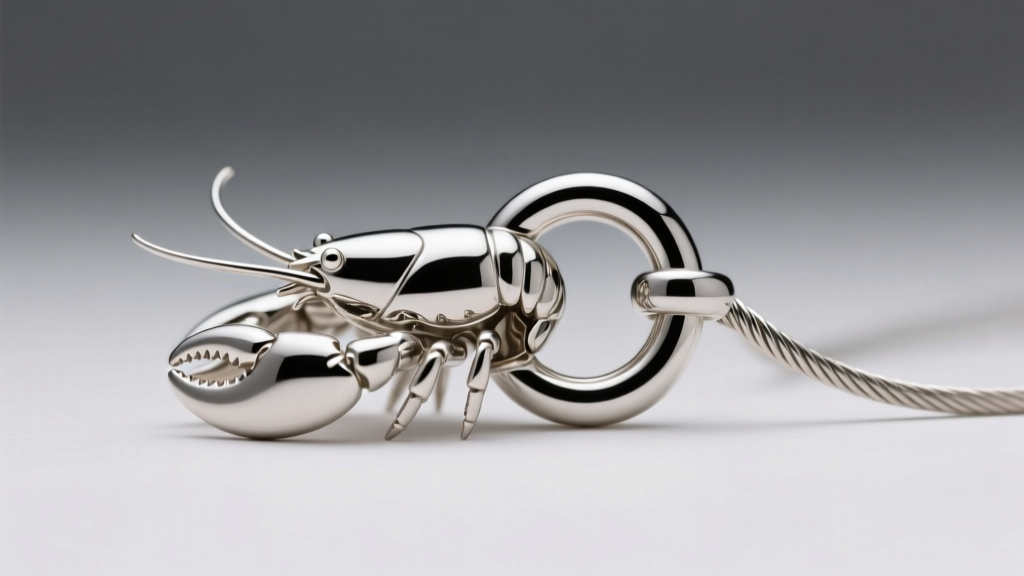
Avoid spring ring clasps on delicate chains. They are difficult to operate with one hand, and the internal tension spring frequently fails, leaving the necklace vulnerable to slipping off. Instead, look for a lobster claw clasp. The lever mechanism provides better leverage, a more secure closure, and is easier to grip.
The Soldered Jump Ring Rule
The jump ring is the small circular link that connects the clasp to the chain. On high-quality jewelry, this ring is soldered shut (fused with metal so there is no gap). If the jump ring is merely bent closed, a slight tug on the necklace will pull the gap open, and the chain will slide off and be lost. Always inspect the end rings closely or ask the jeweler if the findings are soldered.
"When buying online, zoom in on the clasp area. If you can see a vertical slit where the metal meets on the jump ring, the chain is at high risk of separating under tension."
Pricing Expectations and Brand Red Flags
Understanding the market rate for solid silver prevents you from falling for deceptive marketing tactics. The Silver Institute notes that raw material costs are only a fraction of a jewelry piece's price; craftsmanship and findings dictate the rest.
- Under $30: Red flag. At this price, the necklace is likely brass or copper with a microscopic silver flash-plate, or it features hollow, machine-stamped links that will crush easily.
- $45 to $85: The standard range for solid 925 sterling silver cable chains with decent lobster clasps and soldered rings.
- $90 to $160+: Expect premium materials like Argentium 935 silver, hand-soldered links, ethical sourcing certifications, and specialized anti-tarnish packaging.
Care and Maintenance for Ultra-Fine Silver
Even the highest quality thin silver necklace requires specific care to maintain its structural integrity and shine. Never sleep in a delicate chain; the friction against cotton sheets causes micro-abrasions, and tossing in your sleep can apply enough torque to snap a 22-gauge link. When storing, keep the necklace in an airtight bag with an anti-tarnish strip, or invest in a jewelry box lined with Pacific Silvercloth to neutralize ambient sulfur compounds. By prioritizing wire gauge, link geometry, and alloy composition over fleeting fast-fashion trends, you can secure a thin silver necklace that remains a resilient, beautiful fixture in your collection for years to come.


