Expert Care & Cleaning for a 16 or 18 Inch Necklace
Learn expert cleaning and maintenance tips for a 16 or 18 inch necklace. Discover material-specific care, storage hacks, and clasp repair advice.

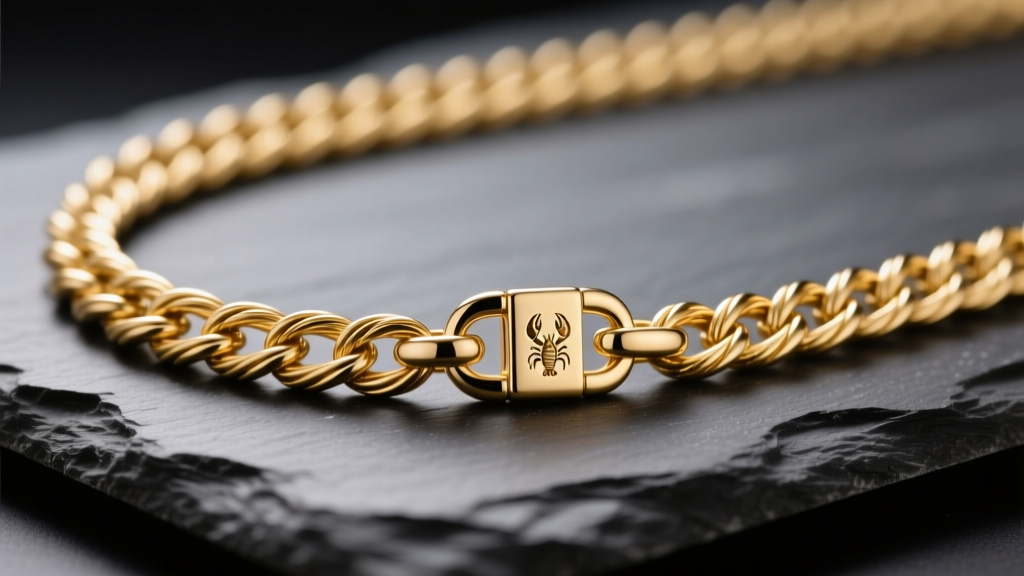
A 16 or 18 inch necklace occupies the most visually prominent real estate on the human body: the collarbone and upper bust line. Because of this prime positioning, these mid-length chains are constantly exposed to environmental stressors, friction from clothing, and the natural oils and acids produced by your skin. While a 16-inch choker-style chain sits tighter against the neck and absorbs more perspiration and skincare lotions, an 18-inch princess-length chain is more prone to catching on fabric and snapping under tension. Maintaining the structural integrity and brilliance of these specific lengths requires a targeted approach that goes far beyond a simple wipe-down.
The Anatomy of Wear: Why Length Impacts Necklace Care
Understanding how your necklace interacts with your body is the first step in preventative maintenance. A 16-inch necklace rests directly on the clavicle, an area with high sebaceous gland activity. The accumulation of sebum, combined with dead skin cells, creates a microscopic layer of grime that lodges deep within the links of cable or rope chains. Over time, this bio-film acts as an abrasive paste, accelerating micro-scratches on softer metals like 18k gold or high-polish silver.
Conversely, an 18-inch necklace drops below the collarbone, entering the 'snag zone' where it interacts with shirt collars, scarves, and seatbelts. The primary failure mode for 18-inch chains is not chemical tarnish, but mechanical stress. The repeated pulling weakens the soldered joints on individual links and places immense lateral strain on the jump ring connecting the chain to the clasp. Recognizing whether your primary enemy is chemical (for 16-inch lengths) or mechanical (for 18-inch lengths) dictates your care regimen.
Material-Specific Cleaning Protocols
Generic jewelry cleaners are a fast track to ruined finishes. The chemical composition of your chain dictates the exact solvents and mechanical actions you can safely employ.
Sterling Silver & Rhodium Plating
Sterling silver (92.5% silver, 7.5% copper) tarnishes when the copper alloy reacts with hydrogen sulfide and moisture in the air, forming silver sulfide (Ag2S). For a plain 16 or 18 inch necklace without gemstones, an electrochemical bath is highly effective. Line a glass bowl with aluminum foil, add one tablespoon of baking soda and a pinch of salt, and pour in boiling water. Submerge the chain for exactly 60 seconds. The aluminum acts as a sacrificial anode, pulling the sulfur away from the silver. However, if your silver chain is rhodium-plated or features oxidized (blackened) detailing, never use this method, as it will strip the intentional patina and degrade the rhodium layer.
Solid Gold (14k, 18k) & Gold Vermeil
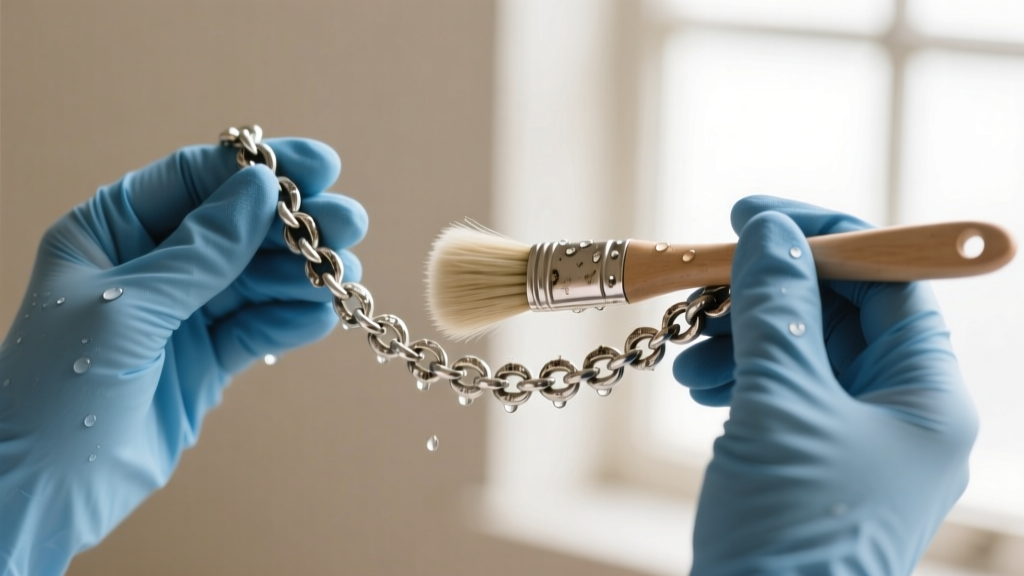
Gold does not tarnish, but it does attract lipids (fats and oils). A 14k gold chain (58.5% pure gold) is highly durable and can withstand a gentle scrub with a soft-bristled baby toothbrush and a few drops of degreasing dish soap, like Dawn, in lukewarm water. 18k gold (75% pure gold) is significantly softer; avoid brushing it aggressively to prevent burnishing and micro-scratches. For gold vermeil (a thick layer of gold over sterling silver), skip the brushing entirely. Aggressive friction will wear through the gold layer, exposing the silver base. Simply soak vermeil in soapy water for three minutes, rinse, and pat dry with a lint-free microfiber cloth.
Delicate Gemstones (Pearls, Opals, Turquoise)
If your 16 or 18 inch necklace features porous organic gemstones, water immersion is strictly prohibited. Pearls and opals absorb liquids, which can dissolve the epoxy used to secure them or cause the stone's internal structure to fracture. According to the Gemological Institute of America (GIA), pearls should only be wiped with a damp, soft cloth after every wear to remove acidic skin oils that can etch the nacre over time. Never use ultrasonic cleaners on these stones; the 40 kHz cavitation bubbles will shatter them from the inside out.
The Tangle Factor: Untangling 16 to 18-Inch Chains
Mid-length necklaces are notoriously prone to tangling, especially delicate cable, box, or herringbone chains. When a chain knots, the natural instinct is to pull. This stretches the links, permanently distorting their shape and weakening the metal's crystalline structure. To safely untangle a 16 or 18 inch necklace, lay it flat on a smooth, non-porous surface like a glass table. Apply a generous dusting of baby powder or a single drop of mineral oil directly to the knot to eliminate friction. Using two fine sewing needles or straight pins, gently work the center of the knot outward. The powder or oil allows the microscopic links to slide past one another without catching.
Clasp and Jump Ring Maintenance
The clasp assembly is the most vulnerable point of any necklace. A standard 16 or 18 inch necklace typically utilizes a 5x9mm or 6x12mm lobster clasp. Inside this clasp is a tiny steel spring that frequently fails due to lotion buildup or corrosion. If your lobster clasp feels stiff or fails to snap shut, do not force it. Dip a cotton swab in isopropyl alcohol and clean the crevice around the lever. If it remains sticky, apply a microscopic drop of mineral oil using a toothpick. Never use WD-40, as it contains petroleum distillates that attract dust and degrade certain gemstone treatments.
Equally important is the jump ring—the small circle of wire connecting the clasp to the chain. Most mid-weight chains use an 18-gauge (1.02mm) or 20-gauge (0.81mm) jump ring. Inspect this ring monthly with a jeweler's loupe. If you see a gap wider than 0.5mm where the ends meet, the ring is compromised and must be closed with flat-nose pliers to prevent the chain from slipping off and being lost.
Cleaning Agents: What to Use and What to Avoid
| Cleaning Agent | Best Used For | Never Use On | Why? |
|---|---|---|---|
| Mild Dish Soap (e.g., Dawn) | Solid gold, platinum, diamonds, sapphires | Porous stones, oxidized silver | Safe degreaser; won't strip patinas if used gently. |
| Baking Soda & Aluminum Foil | Plain sterling silver chains | Gemstones, rhodium plating, pearls | Electrochemical reaction strips tarnish but ruins finishes. |
| Isopropyl Alcohol (90%+) | Diamonds, sapphires, metal clasps | Emeralds, opals, pearls, dyed stones | Dissolves oils but strips the cedar oil used to fill emerald fractures. |
| Commercial Dip Cleaners | Heavy tarnish on plain silver | Any jewelry with glued settings | Harsh thiourea chemicals dissolve jewelry adhesives. |
Proper Storage for Mid-Length Necklaces
How you store your 16 or 18 inch necklace is just as critical as how you clean it. Tossing a chain into a drawer guarantees tangles and scratches. For 16-inch chains, hanging them on a velvet-lined T-bar stand or a wall-mounted hook keeps the links elongated and prevents kinking. For 18-inch chains, which may be too long for standard jewelry boxes, use the 'straw trick' to prevent tangling during travel: unclasp the necklace, thread one end through a clean plastic or silicone drinking straw, and re-clasp it. The rigid straw prevents the chain from folding in on itself.
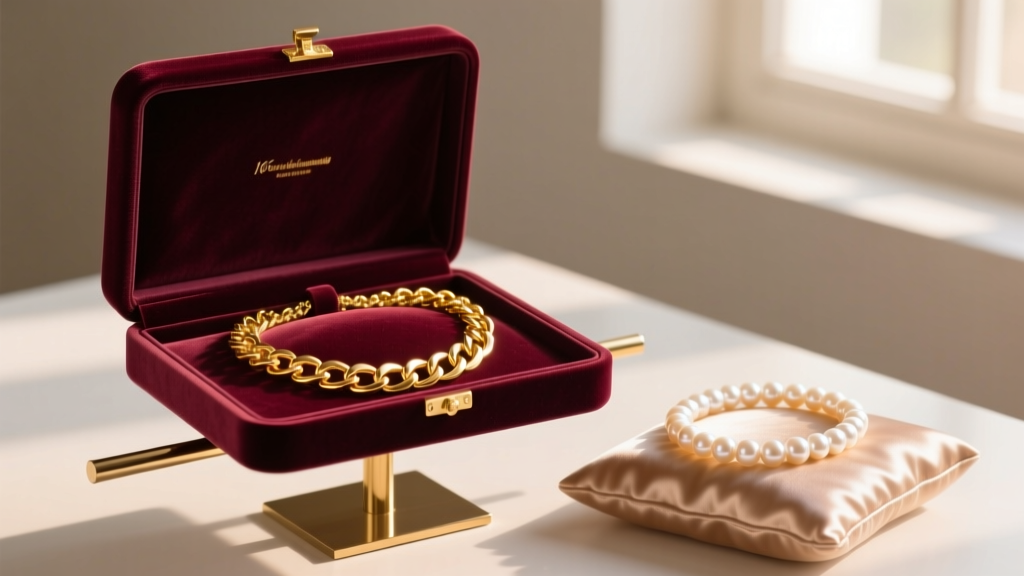
Furthermore, the Jewelers of America strongly recommends storing jewelry in a low-humidity environment. Including a few silica gel packets in your jewelry box or drawer will absorb ambient moisture, drastically slowing the oxidation process for silver and copper alloys. Always store pieces individually in anti-tarnish cloth pouches to prevent harder metals from scratching softer ones.
When to Seek Professional Jewelers
While home maintenance covers 90% of your care routine, certain issues require professional intervention. If your 18-inch chain has stretched links, a jeweler can use a mandrel to compress and reshape them. If a jump ring has snapped or a soldered link has broken, laser welding is required to fuse the metal without melting the surrounding chain. Finally, if your necklace features intricate pavé settings, an annual professional ultrasonic cleaning and prong-tightening is mandatory to ensure the microscopic stones remain secure. By combining vigilant daily habits with expert annual check-ups, your mid-length necklaces will retain their structural integrity and brilliance for decades.


