Smart Necklace Styles 2026: Blending Biometrics and Luxury
Discover how the 2026 smart necklace trend merges luxury jewelry with biometric tracking. Explore materials, top designs, and styling tips for tech pendants.

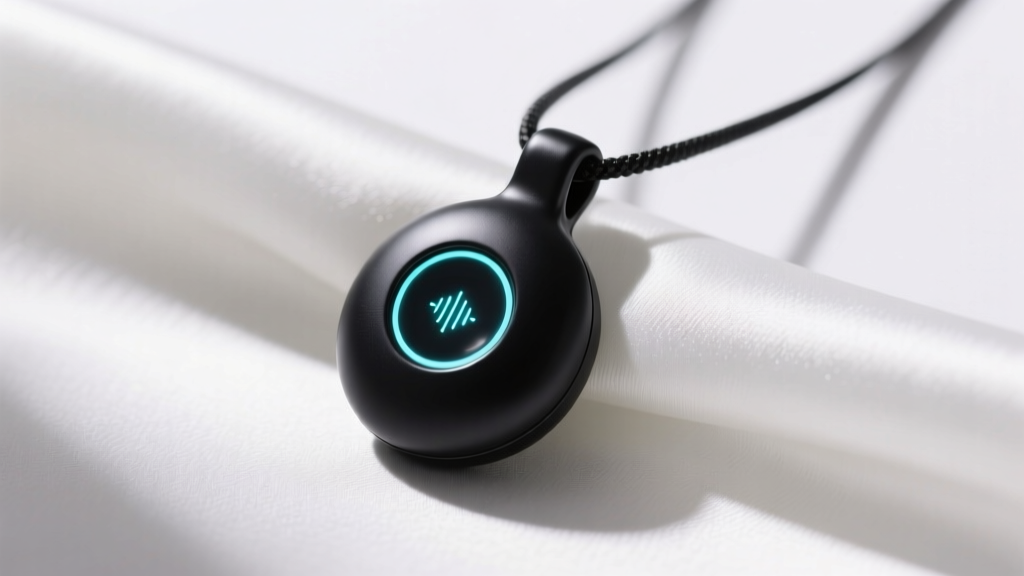
The Evolution of Wearable Tech into High Jewelry
For years, the phrase 'wearable technology' conjured images of bulky silicone wristbands and utilitarian smartwatches that clashed with formal attire. However, as we navigate the style landscape of 2026, the smart necklace has completely disrupted this narrative. No longer confined to the realm of fitness enthusiasts, today’s tech-integrated pendants and chokers represent a seamless convergence of haute joaillerie and Silicon Valley engineering. Luxury houses and specialized tech-jewelers are now prioritizing aesthetic supremacy, ensuring that biometric tracking, NFC payments, and haptic notifications are hidden beneath exquisite facades of precious metals and advanced ceramics.
The modern smart necklace is not merely a gadget; it is a sophisticated accessory designed to elevate an outfit while silently monitoring your physiological baseline. In this comprehensive style and trend analysis, we dissect the material science, design archetypes, and advanced layering techniques that define the smart necklace market in 2026.
The Material Science of the Modern Smart Necklace
To understand the premium pricing and luxurious feel of 2026’s smart jewelry, one must look at the metallurgy and material science driving the category. Traditional metals like sterling silver or yellow gold pose a significant engineering challenge for smart jewelry: they act as Faraday cages, blocking the radio frequencies required for Bluetooth, NFC, and GPS connectivity. To circumvent this, designers have turned to advanced dielectric materials.
- Zirconia Ceramic: With a Mohs hardness rating of 8.5, high-tech zirconia ceramic is virtually scratch-proof and entirely transparent to RF signals. It provides a sleek, matte, or high-gloss finish that mimics precious stones while allowing internal antennas to communicate with your smartphone.
- Grade 5 Titanium (Ti-6Al-4V): Used extensively in aerospace and medical implants, this titanium alloy is favored for the structural chassis of smart pendants. It is hypoallergenic, 45% lighter than stainless steel, and possesses the necessary tensile strength to protect delicate internal microchips from impact damage (AZoM, Titanium Alloys).
- Synthetic Sapphire Crystal: The sensor windows on the reverse side of biometric pendants require absolute optical clarity for Photoplethysmography (PPG) heart-rate monitoring. Sapphire crystal, ranking at a 9 on the Mohs scale, is utilized for its scratch resistance and light transmittance, often treated with anti-reflective coatings to ensure clinical-grade sensor accuracy (GIA, Sapphire Properties).
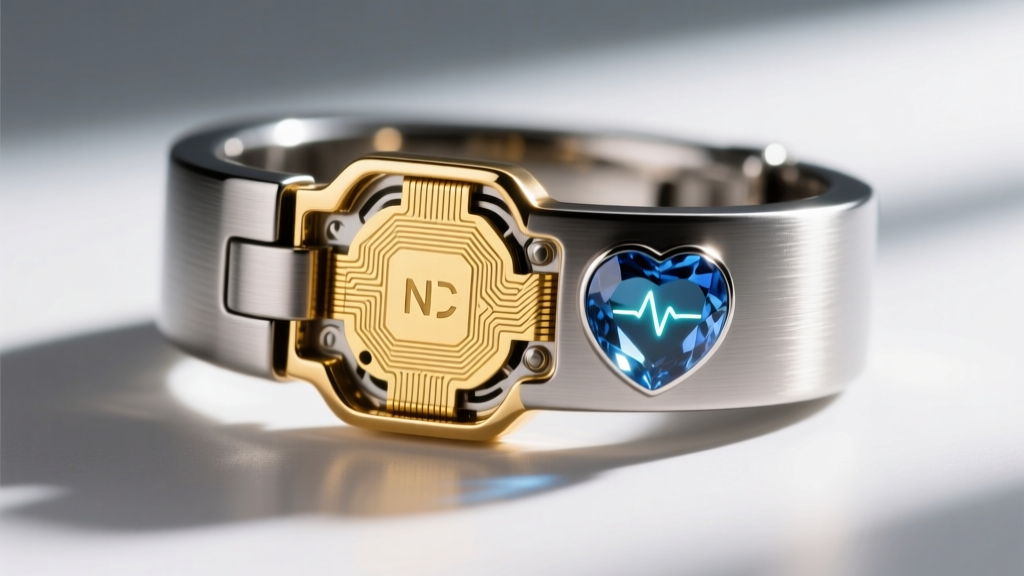
2026 Trend Archetypes: Form Meets Function
The market has segmented into distinct design categories, each catering to different lifestyle needs and fashion sensibilities. Here is an analysis of the three dominant smart necklace archetypes defining the current trend cycle.
1. The Minimalist Biometric Pendant
Targeting the 'quiet luxury' demographic, the minimalist biometric pendant eschews screens and overt tech markers. These pieces often resemble sleek, geometric drops or polished river stones. The technology is entirely subsurface. Haptic feedback is delivered through localized, micro-vibrations against the sternum to signal incoming calls or calendar alerts, while continuous glucose monitors (CGMs) and heart-rate variability (HRV) sensors work silently against the skin. The 2026 trend heavily favors matte black ceramic and brushed titanium finishes that pair effortlessly with both corporate wear and evening attire.
2. The Haptic Choker
Chokers have seen a massive resurgence, and the integration of flexible printed circuit boards (FPCBs) has allowed tech companies to create smart chokers that function as posture correctors and stress monitors. Worn snugly at the base of the neck, these devices utilize subtle thermal shifts and gentle haptic pulses to remind the wearer to realign their spine or engage in box-breathing exercises during high-stress moments. The exterior is frequently wrapped in sustainably sourced leather or encased in flexible, skin-safe liquid silicone rubber (LSR) adorned with 18k gold vermeil accents.
3. The NFC-Enabled Locket
A nostalgic nod to Victorian jewelry, the modern smart locket replaces the physical photograph with a digital vault. Encased in 14k or 18k recycled gold, these lockets contain encrypted NFC chips. Tapping the locket against a partner’s smartphone can share a digital business card, a cryptographic key, or a private multimedia message. It is the ultimate fusion of sentimental jewelry and modern digital security.
Technical & Style Comparison Matrix
When investing in a smart necklace, understanding the trade-offs between battery life, material durability, and technological capability is crucial. Below is a comparative analysis of the 2026 market leaders.
| Archetype | Primary Material | Tech Focus | Battery Life | Price Range (USD) |
|---|---|---|---|---|
| Minimalist Pendant | Zirconia Ceramic | HRV, PPG, Sleep Tracking | 5-7 Days | $450 - $800 |
| Haptic Choker | LSR & Gold Vermeil | Posture, Stress, Breathing | 3-4 Days | $250 - $400 |
| NFC Locket | 18k Recycled Gold | Encrypted Data, Payments | Passive (No Battery) | $600 - $1,200 |
Expert Insight: When evaluating biometric accuracy in smart pendants, ensure the device has been cleared by relevant health authorities. The FDA's Digital Health Center of Excellence continues to update guidelines on how wearable sensors must validate their PPG data against clinical ECG standards (FDA, Wearable Devices).
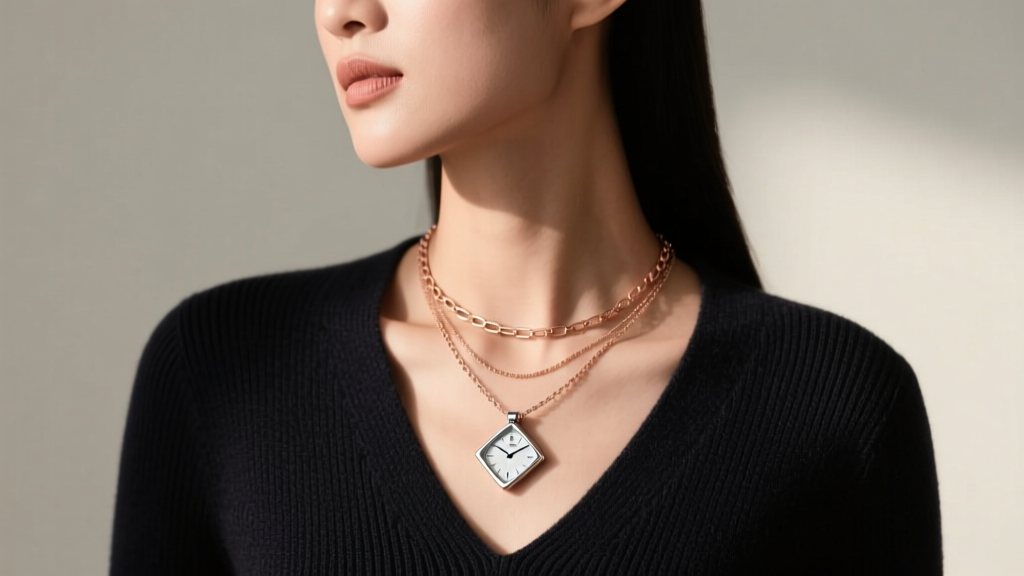
Advanced Layering & Galvanic Corrosion Warnings
Styling a smart necklace requires more than just an eye for proportion; it requires a basic understanding of electrochemistry. Layering a tech pendant with traditional analog chains is a staple of 2026 street style and high fashion, but mixing incompatible metals can lead to galvanic corrosion.
When two dissimilar metals (e.g., a titanium smart pendant casing and a sterling silver chain) come into contact in the presence of an electrolyte (human sweat or high humidity), a galvanic cell is created. The more anodic metal will corrode rapidly, leading to tarnished chains, degraded pendant jump rings, and potential skin discoloration.
Best Practices for Layering Tech and Analog Jewelry
- Match the Metallurgy: If your smart pendant features a Grade 5 Titanium casing, layer it exclusively with titanium or niobium chains. Both metals are highly stable and sit closely together on the galvanic series.
- Utilize PVD Jump Rings: If you must mix metals, ensure the jump ring connecting the pendant to the chain is coated in Physical Vapor Deposition (PVD) titanium nitride. This creates an inert, non-conductive barrier that prevents the galvanic reaction.
- Mind the Neckline: Smart pendants are generally denser and heavier than hollow analog charms. For V-necklines and scoop necks, opt for a 20-inch to 24-inch rope chain to allow the heavy pendant to rest on the sternum, ensuring the sapphire sensor window maintains consistent skin contact for accurate biometric readings.
- Avoid Magnetic Interference: Do not layer NFC-enabled lockets with chains featuring strong magnetic clasps (like certain neodymium snap closures), as the magnetic field can occasionally interfere with the NFC handshake protocol when tapping against a reader.
The Verdict: A Permanent Fixture in the Jewelry Box
The smart necklace of 2026 has successfully shed the 'gadget' stigma, emerging as a legitimate category within luxury and fashion jewelry. By leveraging advanced dielectric ceramics, aerospace-grade titanium, and invisible biometric sensors, designers have created pieces that honor the emotional and aesthetic weight of traditional jewelry while providing the actionable health and utility data demanded by the modern consumer. Whether you opt for a passive NFC locket or a ceramic biometric drop, the integration of technology into our most intimate adornments is not a passing fad—it is the new standard of personal style.


