How to Evaluate and Buy a Gold and Sapphire Necklace
Learn how to evaluate, authenticate, and buy a fine gold and sapphire necklace with our step-by-step expert guide on carats, gold purity, and settings.

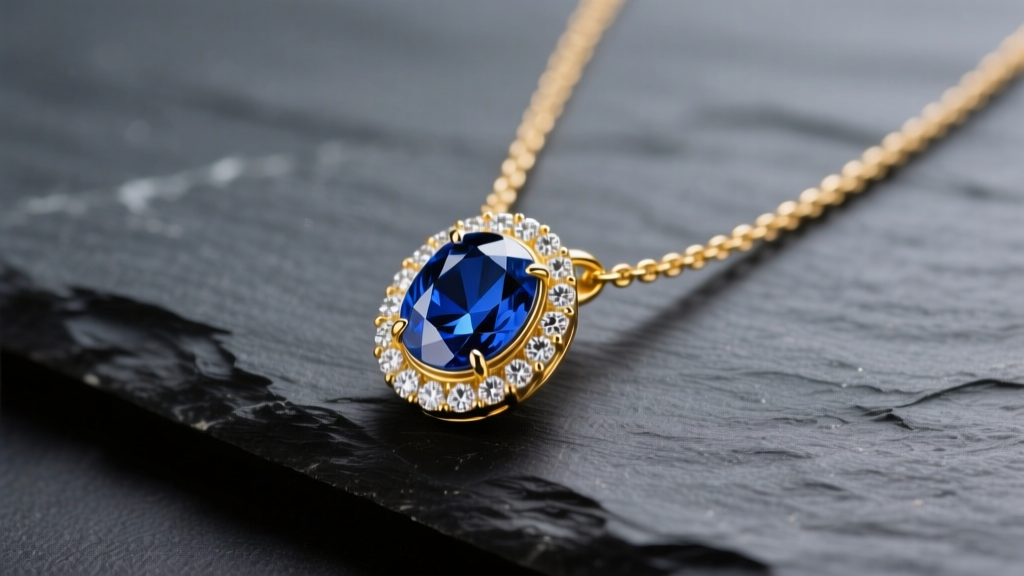
Introduction: The Timeless Appeal of Sapphires and Gold
A fine gold and sapphire necklace is more than just an accessory; it is an heirloom-grade investment that bridges ancient royalty with modern elegance. Unlike diamonds, which are graded on a strict, standardized scale, colored gemstones require a nuanced understanding of origin, treatment, and optical phenomena. When paired with the warm, enduring luster of gold, a sapphire pendant becomes a centerpiece of any jewelry collection. However, the market is flooded with synthetic stones, undisclosed treatments, and poorly constructed chains. This comprehensive, step-by-step guide will teach you how to evaluate, authenticate, and purchase a high-quality gold and sapphire necklace with absolute confidence.
Step 1: Decoding Sapphire Quality (Color, Clarity, and Origin)
The value of a sapphire is overwhelmingly dictated by its color. According to the Gemological Institute of America (GIA), color is evaluated through three components: hue, tone, and saturation. The most prized hue is a pure, vivid blue with slight secondary violet undertones. Tone should be medium to medium-dark (often rated 6 to 8 on a 10-point scale), allowing the stone to retain its brilliance without appearing inky or black. Saturation must be 'strong' or 'vivid.' Avoid stones with grayish or brownish modifiers, which drastically depress market value.
Origin also plays a massive role in pricing. Kashmir sapphires are legendary for their velvety 'cornflower blue' appearance, caused by microscopic rutile silk inclusions that scatter light. Burmese (Mogok) sapphires are celebrated for their intense 'royal blue' color and high clarity, while Ceylon (Sri Lankan) sapphires typically exhibit a lighter, more brilliant blue. While origin adds a premium, a spectacular unheated Ceylon sapphire will always outvalue a mediocre heated Burmese stone.
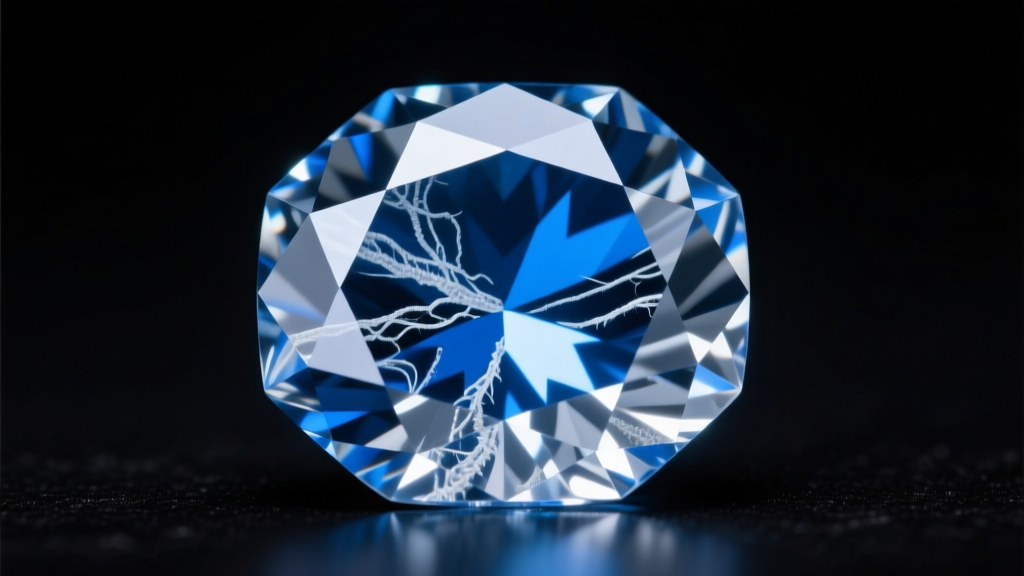
The Treatment Trap: Heat vs. Diffusion
Approximately 90% of sapphires on the market are heat-treated to improve color and clarity. This is a stable, universally accepted practice that does not ruin the stone's investment value. However, you must aggressively avoid beryllium diffusion (lattice diffusion). This process introduces beryllium into the crystal lattice during heating to artificially create or enhance blue and yellow colors. Diffused sapphires are worth a fraction of their naturally colored counterparts. Furthermore, avoid lead-glass filled sapphires, which are heavily fractured stones injected with glass to improve transparency; these are highly fragile and will degrade if exposed to common household acids like lemon juice.
Step 2: Selecting the Right Gold Purity and Color
The gold chain and setting must complement the sapphire while providing adequate structural integrity. Pure 24k gold is too soft for daily wear and will easily bend, risking the loss of the pendant. Therefore, alloyed gold is the standard for fine jewelry.
| Gold Karat | Purity | Durability | Best Use Case |
|---|---|---|---|
| 14k Gold | 58.3% | High | Everyday chains, heavy pendants, active lifestyles |
| 18k Gold | 75.0% | Medium | Fine pendant settings, luxury heirlooms, rich color |
| 22k Gold | 91.6% | Low | Traditional cultural jewelry, occasional wear only |
Color choice is equally critical. Yellow gold enhances the warmth and depth of royal blue sapphires, creating a classic, vintage aesthetic. White gold (alloyed with nickel or palladium and plated in rhodium) provides a stark, modern contrast that makes the blue appear cooler and more icy. Rose gold, alloyed with copper, offers a romantic, contemporary pairing that works exceptionally well with lighter Ceylon blue or pink sapphires.
Step 3: Evaluating the Setting and Chain Construction
A beautiful sapphire is useless if the setting fails. For pendants, the two most common settings are prong and bezel. A four-prong or six-prong setting maximizes light entry, allowing the sapphire's brilliance to shine, but the prongs can catch on clothing. A bezel setting, where a rim of gold completely encircles the gemstone's girdle, offers superior protection against chipping and is highly recommended for active wearers or bezel-set solitaire necklaces.
Chain Link Integrity
The chain is the structural backbone of your necklace. Avoid hollow chains, which dent easily and are nearly impossible to repair. Instead, opt for solid constructions:
- Wheat (Spiga) Chains: Woven, interlocking oval links that offer immense tensile strength and resist kinking. Ideal for heavy sapphire pendants.
- Box Chains: Geometric, smooth links that offer a modern look. However, thin box chains (under 1.2mm) can kink and are difficult for jewelers to solder if broken.
- Cable Chains: The classic oval link. Ensure the links are soldered closed (meaning there is a tiny solder mark on each ring) so the chain won't pull apart under tension.
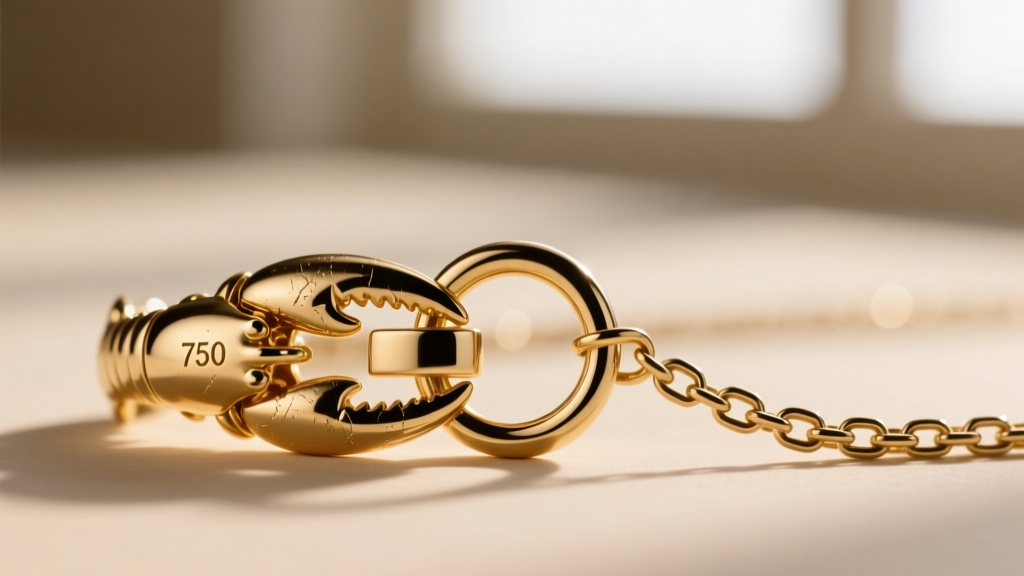
Always inspect the clasp. A sturdy lobster clasp is mandatory for pendants over 3 grams. Spring-ring clasps are fragile and prone to failing. Ensure the jump ring connecting the clasp to the chain is soldered shut.
Step 4: Authentication and Certification Checklist
Never purchase a high-value, unheated, or origin-specific gold and sapphire necklace without an independent laboratory report. The American Gemological Laboratories (AGL) is widely considered the gold standard for colored gemstone grading, particularly for their prestigious Prestige Reports which detail origin, treatment, and color grading. Other highly respected labs include:
- GIA: Excellent for identifying treatments and confirming natural vs. synthetic status.
- Gübelin & SSEF: Swiss laboratories that are the absolute authority for auction-grade, multi-million-dollar Kashmir and Burmese sapphires.
- GRS: GemResearch Swisslab, highly prevalent in the Asian market, known for coining terms like 'Royal Blue' and 'Cornflower Blue' on their reports.
Expert Insight: A lab report must explicitly state 'No indications of heating' to command the unheated premium. If the report says 'H' or 'Heated', the stone is standard. If it mentions 'Be' or 'Beryllium', walk away immediately.
Step 5: Pricing Expectations and Market Value
Understanding market pricing prevents overpaying. As of 2026, a 2-carat, heated Ceylon blue sapphire in a standard 14k or 18k gold solitaire pendant typically ranges from $1,200 to $3,000. If that exact same stone is certified as unheated by AGL or GIA, the price jumps exponentially to $4,500 - $8,000+. A 3-carat Burmese 'Royal Blue' unheated sapphire in an intricate 18k gold diamond halo setting will easily command $15,000 to $30,000+. Always price the gemstone and the gold mounting separately; the gold and diamond accent weight should be calculated based on current melt and melee diamond market rates.
Step 6: Long-Term Care and Maintenance
While sapphires rank a 9 on the Mohs hardness scale (second only to diamonds), they are not indestructible. Sapphires possess distinct cleavage planes and can chip if struck hard against a surface. To maintain your gold and sapphire necklace:
- Cleaning: Use warm water, mild dish soap, and a soft baby toothbrush. Avoid harsh chemicals or bleach, which can degrade the gold alloy over time.
- Ultrasonic Cleaners: Generally safe for untreated and standard heat-treated sapphires. However, never use an ultrasonic cleaner if you suspect the stone is fracture-filled or has significant surface-reaching inclusions, as the vibrations can shatter the stone.
- Storage: Store the necklace flat or hung on a padded jewelry stand. Never toss it into a jewelry box with diamonds, as diamonds can scratch the gold setting and, in rare cases, abrade the sapphire's facet junctions.
Step 7: Styling for Necklines and Occasions
A gold and sapphire pendant is incredibly versatile, but chain length dictates its impact. A 16-inch choker length sits at the base of the neck and is perfect for V-neck blouses and off-the-shoulder evening gowns, drawing the eye to the collarbone. An 18-inch princess length is the universal standard, resting just below the clavicle and pairing effortlessly with crew necks, button-down shirts, and everyday wear. For a dramatic, layered bohemian look, utilize a 24-inch opera length chain, allowing the sapphire pendant to rest over sweaters or deep plunge necklines. By mastering these technical and aesthetic details, you ensure your gold and sapphire necklace remains a breathtaking, structurally sound treasure for generations.


