Missing Necklace Stardew Real-Life Replica: A Budget Guide
Discover how to source or replace the missing necklace from Stardew Valley in real life. Compare materials, stones, and pricing for the best value.

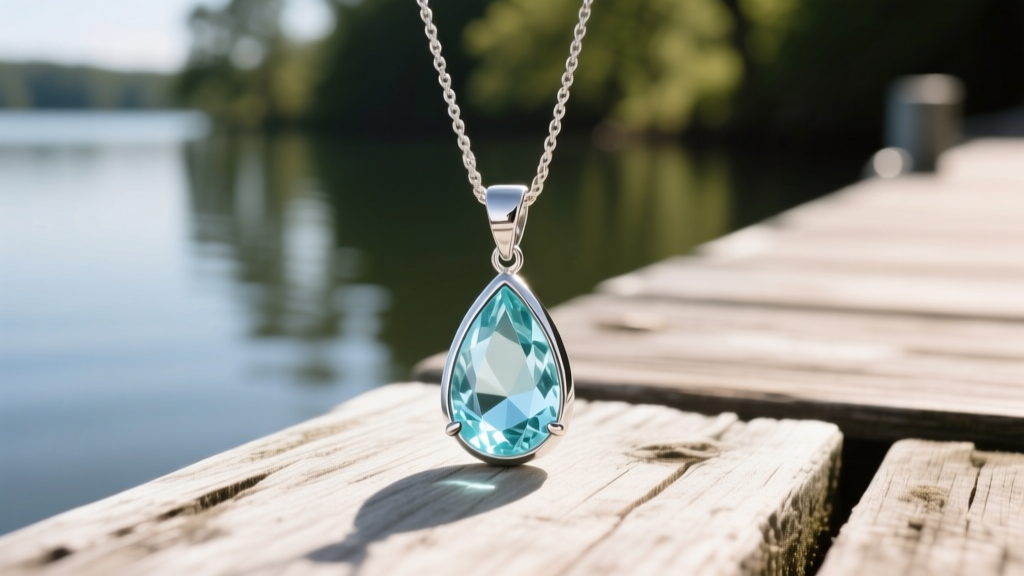
Whether you are a dedicated gamer trying to source a real-world equivalent of the missing necklace stardew fans obsess over, or you are dealing with the very real heartbreak of losing a sentimental piece of jewelry, the quest for a replacement requires a strategic approach. In Stardew Valley, the lost necklace found near the bathhouse is a pivotal quest item for Penny. In the real world, replacing a lost teardrop pendant or aquamarine-style necklace on a strict budget demands a keen understanding of metallurgy, gemstone alternatives, and hardware integrity.
As we navigate the jewelry market in 2026, inflation and shifting supply chains have made budget assessment more critical than ever. This guide breaks down exactly how to evaluate materials, select the right chain gauge, and source a high-value replica or replacement without overpaying for brand markup.
Decoding the Teardrop Aesthetic: What Are We Buying?
The archetypal 'lost necklace' design features a silver-toned chain and a teardrop or pear-cut pale blue stone. When assessing value, you must separate the setting from the stone. Many budget buyers make the mistake of prioritizing a large, flashy stone while ignoring the metal alloy, leading to green skin and broken bails within months.
Material Value Assessment: Base Metals vs. Precious Alloys
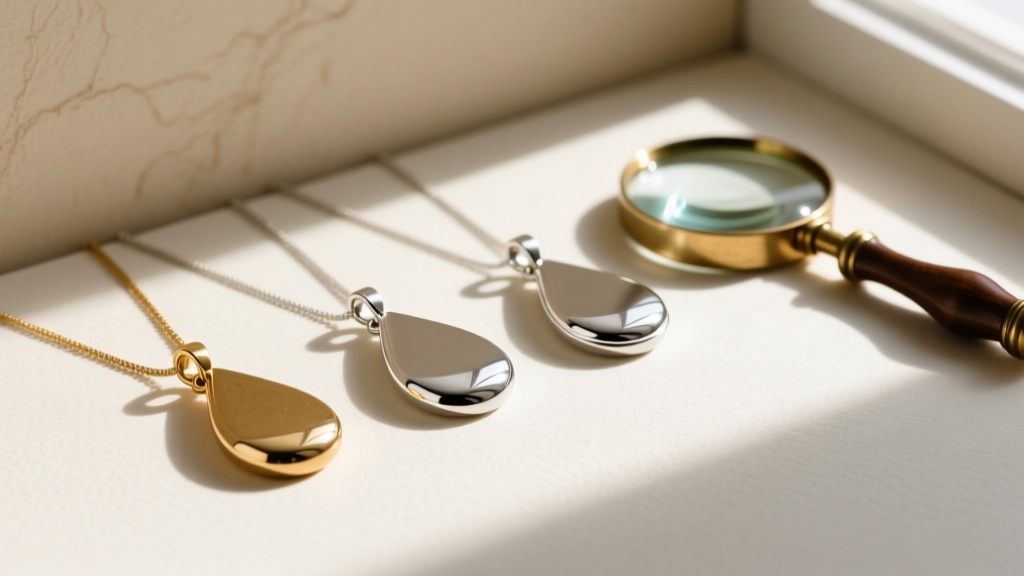
The foundation of any pendant is its metal. According to the FTC Jewelry Guides, terms like 'silver tone' or 'silver plated' have strict legal definitions, yet fast-fashion brands often obscure the base metal beneath. Here is how the most common budget materials stack up in terms of longevity and skin safety.
| Metal Type | Avg. Cost (Pendant Only) | Tarnish Resistance | Skin Safety (Nickel Risk) |
|---|---|---|---|
| Brass/Copper Base | $5 - $15 | Very Low (Oxidizes quickly) | High Risk (Often contains nickel) |
| Silver-Plated Brass | $15 - $30 | Moderate (Wears off in 6-12 months) | Moderate Risk (Once plating chips) |
| 925 Sterling Silver | $35 - $85 | High (Can be polished indefinitely) | Safe (Hypoallergenic standard) |
The Verdict on Metals
For a piece meant to be worn daily, 925 Sterling Silver is the undisputed champion of the budget tier. While it costs slightly more upfront, its intrinsic scrap value and infinite polishability make it a true asset rather than a disposable accessory. Avoid 'Tibetan Silver' or 'Alpaca'—these are nickel-heavy alloys that will cause contact dermatitis.
Gemstone Substitutes for the Aquamarine Look
The pale blue teardrop stone is the focal point of the necklace. True aquamarine (a variety of beryl) scores a 7.5 to 8 on the Mohs hardness scale, making it highly durable for daily wear. However, natural, eye-clean aquamarine in a 10mm pear cut can easily exceed $150. If your budget is strict, consider these alternatives:
- Lab-Created Aquamarine: Chemically identical to natural beryl but grown in a controlled environment. Offers the exact same Mohs hardness and refractive index for roughly 30% of the natural cost ($40-$60).
- London or Swiss Blue Topaz: Often treated to mimic aquamarine. Topaz is an 8 on the Mohs scale but has perfect cleavage, meaning a hard knock against a table edge can split the stone. Priced around $20-$40.
- Blue Cubic Zirconia (CZ): The ultimate budget option ($5-$15). While it offers high brilliance, CZ is porous and will cloud with exposure to lotions and sweat over 12 to 18 months.
For a comprehensive breakdown of natural versus lab-grown beryl, the Gemological Institute of America (GIA) provides excellent spectroscopic identification charts that help buyers avoid paying natural prices for synthetic stones.
Chain Selection: Gauge, Length, and Hardware Integrity
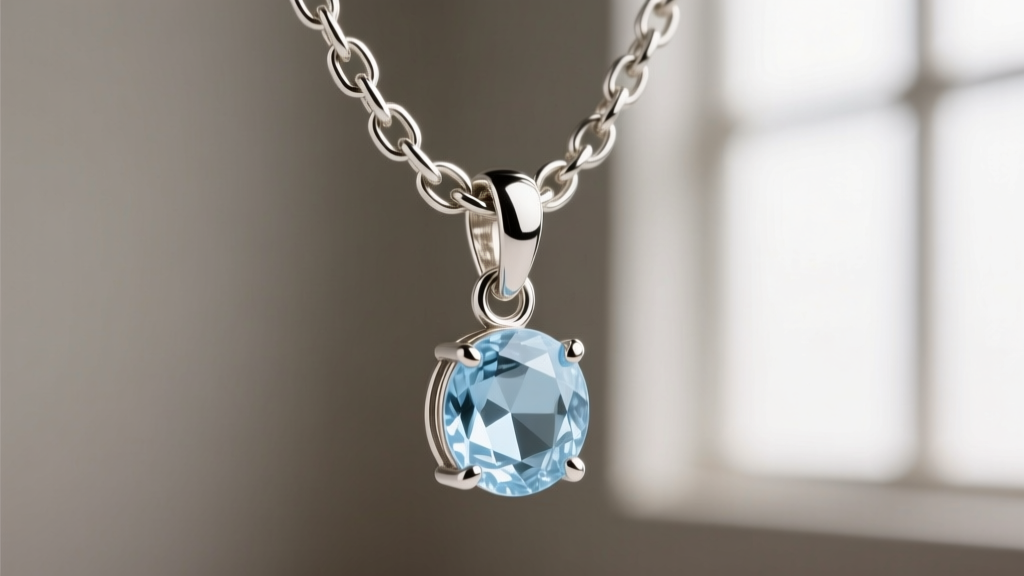
A pendant is only as secure as the chain and hardware holding it. The most common failure point in budget necklaces is an unsoldered jump ring—the tiny loop connecting the pendant to the chain. Over time, friction wears the metal thin, the ring pulls apart, and the pendant is lost forever.
Sizing the Chain
For a teardrop pendant weighing between 3 and 8 grams, you need a chain that balances delicacy with tensile strength. A 1.2mm to 1.5mm Rolo or Cable chain is ideal. Box chains, while pretty, are prone to kinking and snapping if they catch on clothing. Stick to an 18-inch length, which places the teardrop precisely at the collarbone, mimicking the classic in-game aesthetic.
Pro-Tip: Always inspect the bail (the loop on the pendant itself) and the jump ring. If you see a tiny vertical slit where the wire was bent into a circle, take it to a local jeweler to have it laser-soldered shut. This $10 fix prevents the loss of your replacement necklace.
Maintenance: Preserving Your Budget-Friendly Pendant
A budget necklace requires slightly more maintenance than a high-end platinum piece, but with the right care, a $50 sterling silver and lab-stone pendant can outlast a $500 designer piece made of plated brass. The enemy of silver is sulfur, which is present in the air, sweat, and even certain wool fabrics. When sulfur bonds with the copper alloy in 925 silver, it creates silver sulfide—the black tarnish you see on neglected jewelry.
To maintain your teardrop pendant:
- Use Anti-Tarnish Strips: Store the necklace in a sealed ziplock bag with a 3M anti-tarnish strip. These strips absorb airborne sulfur and cost less than $5 for a pack of ten.
- Avoid Chemical Cleaners: Never use silver dip liquids on necklaces with lab-created aquamarine, topaz, or CZ. The harsh thiourea chemicals can strip the polish from the gemstone and degrade the epoxy used in budget bezel settings.
- Polish Cloths Only: Use a dry, untreated microfiber cloth or a specialized treated silver polishing cloth to gently buff the metal. Avoid rubbing the stone directly.
Budget Tiers: Where Should You Spend Your Gold?
When sourcing your replacement or replica, align your purchase with your long-term goals. Here are the three distinct value tiers available in the 2026 market:
Tier 1: The Cosplay & Convention Budget (Under $25)
Focus on silver-plated brass and blue glass or resin stones. This is strictly for occasional wear, photography, or convention cosplay. Expect to replace the chain annually due to tarnishing.
Tier 2: The Demi-Fine Sweet Spot ($40 - $75)
This is where true value lives. You can source a solid 925 sterling silver rolo chain paired with a lab-created aquamarine or high-grade CZ set in a bezel setting. Bezel settings (where metal wraps entirely around the stone's edge) protect the gemstone from chipping far better than traditional prong settings.
Tier 3: The Heirloom Investment ($120 - $200)
For those replacing a deeply sentimental lost piece, opt for solid 925 silver or 10k white gold, paired with a natural, heat-treated aquamarine. This tier offers generational durability and intrinsic material value.
Final Thoughts on Value and Sentiment
Whether you are tracking down the missing necklace stardew players revere, or replacing a real-world heirloom lost to the tide, the principles of jewelry valuation remain the same. Prioritize skin-safe metals, understand the structural weaknesses of your chain hardware, and choose gemstones that align with your actual wear-and-tear expectations. By focusing on material integrity over brand hype, you can secure a beautiful, lasting pendant that honors the memory of the original—without emptying your inventory of gold.


