How to Fix a Flipping Long Diamond Necklace and Prevent Tangling
Is your long diamond necklace constantly flipping or tangling? Discover expert troubleshooting tips to fix clasp migration, snagging, and chain knots.


The Physics of the Flip: Why Your Necklace Won't Lay Flat
There is nothing more frustrating than investing in a beautiful, long diamond necklace only to spend your entire day fishing the clasp out from behind your neck. This phenomenon, commonly known as 'the flip' or 'clasp migration,' is not a defect in the jewelry; it is a simple matter of physics. When you wear a necklace that measures 28 inches (opera length) or 36 inches (rope length), the chain creates a large, sweeping pendulum. If the center of gravity is unbalanced, gravity will inevitably pull the heaviest component to the lowest point.
In most cases, the diamond pendant or the central cluster of diamonds is significantly heavier than the chain itself. For example, a 1.50-carat round brilliant diamond set in a platinum bezel can weigh upwards of 4.5 grams. If it is suspended on a delicate 1.0mm 14k gold cable chain that weighs only 3 grams in total, the pendant acts as an anchor. As you move, the lightweight chain slides freely around your neck, while the heavy pendant stays anchored at your sternum. Consequently, the clasp, which is often a solid gold lobster claw weighing 0.5 to 1 gram, slides down to meet the pendant. To solve this, you must re-engineer the weight distribution. Jewelers often recommend adding a 'counterweight'—a small, discrete gold charm or a specialized clasp weight attached exactly two inches from the clasp. This shifts the center of gravity to the back of your neck, keeping the clasp hidden and the diamond pendant perfectly centered.
Troubleshooting Chain Tangles and Knots
Long necklaces are notoriously prone to tangling, both while being worn and when stored. The friction between the microscopic links of a long chain, combined with the pendulum swinging motion against clothing, creates a perfect storm for knotting. The primary culprit is usually the chain style itself. While certain links look beautiful, their structural geometry makes them highly susceptible to interlocking.
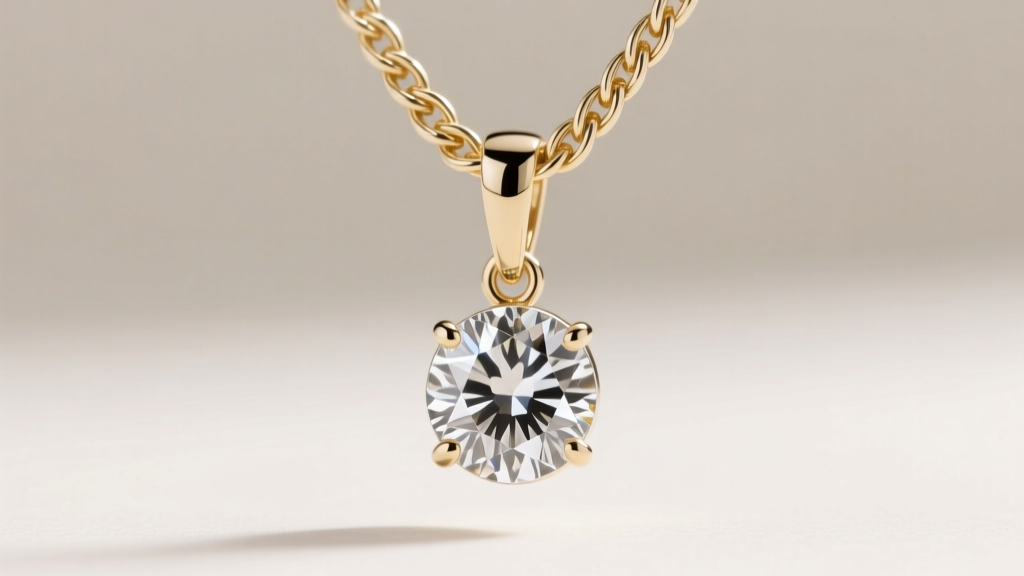
To minimize tangling, you must select a chain with a smooth profile and rigid interlocking links. Herringbone and snake chains, while incredibly fluid and reflective, are the worst offenders for kinking and tangling on long lengths. Once a 30-inch herringbone chain kinks, the structural integrity of the link is permanently compromised. Instead, opt for chains that lay flat but resist interlocking.
| Chain Type | Tangle Resistance | Snag Risk | Best For |
|---|---|---|---|
| Box Chain | High | Low | Heavy diamond pendants, everyday wear |
| Wheat Chain | Very High | Very Low | Long rope lengths (30-36 inches) |
| Cable Chain | Medium | Medium | Classic looks, lightweight stones |
| Rope Chain | Medium-High | Medium | Standalone long diamond station necklaces |
| Herringbone | Very Low | High | Short chokers only (avoid for long lengths) |
If your existing long diamond necklace is already prone to tangling, a professional jeweler can apply a microscopic layer of jewelry-grade nano-coating to the chain. This reduces surface friction between the links, allowing them to glide past one another rather than catching and knotting.
Solving the Back-Clasp Migration Problem
If adding a permanent metal counterweight alters the aesthetic of your necklace, or if you prefer a seamless chain, there are non-destructive troubleshooting methods to stop clasp migration. The most effective, low-cost solution utilized by jewelry stylists is the silicone O-ring stopper. By threading the chain through a tiny, medical-grade silicone disc (often sold as 'necklace noodles' or earring backs) and positioning it two inches from the clasp, you introduce high-friction drag against your skin and hair. This drag prevents the lightweight chain from sliding forward when you lean over or move.
Another structural fix involves upgrading the clasp itself. Standard spring-ring clasps are lightweight and circular, allowing them to slide effortlessly through the links. Swapping the spring ring for a heavier, elongated toggle clasp or a customized magnetic barrel clasp adds just enough weight and physical bulk to the back of the neck to act as a natural counterbalance. According to the Jewelers of America, ensuring your clasp hardware is proportionate to the chain's length and weight is a fundamental aspect of jewelry ergonomics that is often overlooked in mass-produced pieces.
Snagging and Fabric Catching: Protecting Your Diamonds
Because a long diamond necklace swings with a wider arc than a standard 16-inch choker, the pendant acts as a pendulum that repeatedly strikes your torso. If your diamond is set in a traditional four-prong or six-prong setting, those microscopic metal claws will inevitably catch on knitwear, lace, and silk. Over time, this repetitive snagging doesn't just ruin your clothing; it can actually bend the prongs, loosening the diamond and risking stone loss.
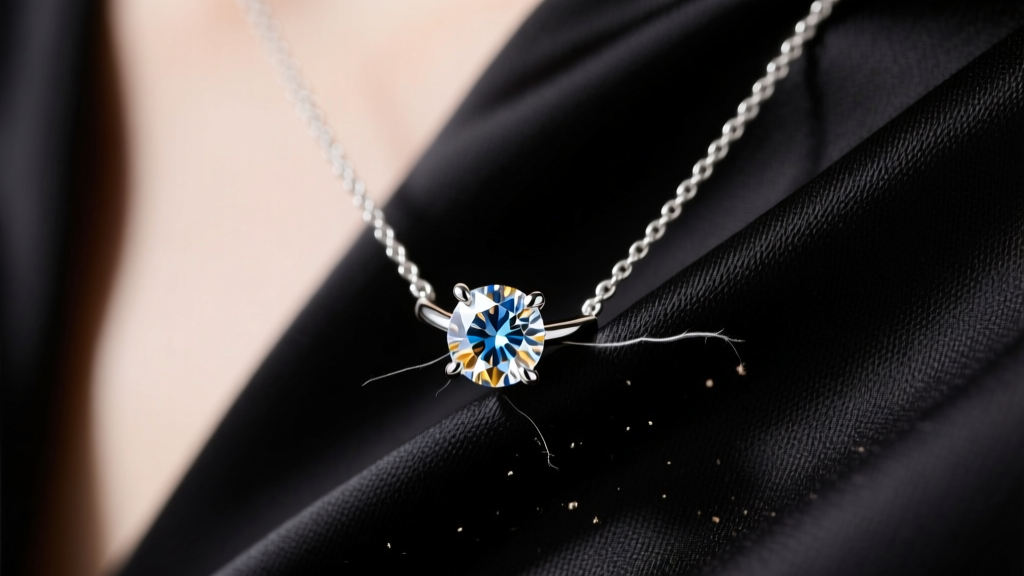
To troubleshoot this, inspect your prongs under a 10x jeweler's loupe. Look for microscopic burrs or lifted tips. A jeweler can easily file and polish the prongs to a perfectly smooth, rounded profile, drastically reducing their ability to catch fibers. However, if you are commissioning a custom long diamond necklace or looking to upgrade your setting, a bezel setting is the ultimate solution for pendulum-style jewelry. A bezel encircles the diamond's girdle in a smooth, continuous rim of metal, eliminating all protruding prongs. According to the Gemological Institute of America (GIA), bezel settings not only protect the diamond's edges from chipping upon impact but also provide a snag-free profile ideal for active, swinging jewelry pieces.
Cleaning and Maintenance for Extended Lengths
Maintaining a 30-to-36-inch diamond necklace requires a different approach than cleaning standard jewelry. The most common mistake owners make is dropping a long chain into an ultrasonic cleaner. The high-frequency vibrations can cause a long, unsecured chain to wrap tightly around the basket hinges or the transducer itself, potentially snapping the delicate links or damaging the machine. Furthermore, if your long necklace features fracture-filled diamonds or tension settings, the ultrasonic waves and heat can compromise the stone's integrity.
Instead, utilize the 'shallow bath' method. Fill a wide, shallow glass dish with warm water and a few drops of mild, ammonia-free dish soap. Lay the long diamond necklace flat in the dish, ensuring it is fully submerged but not piled on top of itself. Use a soft-bristled baby toothbrush to gently agitate the dirt from the diamond's pavilion (the underside). Rinse by pouring clean, lukewarm water over the chain while it remains flat in a mesh strainer, and dry it completely with a lint-free microfiber cloth before storing it draped flat or hung on a specialized multi-hook jewelry arbor to preserve the chain's structural memory.


