Where to Look Outside for an Odd Necklace: 2026 Guide
Discover where to look outside traditional jewelers for an odd necklace. Learn sourcing, material safety, assembly, and weight distribution techniques.

The 2026 jewelry landscape is defined by hyper-individualism and a rejection of mass-produced uniformity. Today's most compelling necklines are anchored by conversational, asymmetrical, and decidedly 'odd' pendants. However, you will rarely find these pieces in traditional retail display cases. When you decide to look outside, odd necklace components reveal themselves in the most unexpected places—from architectural salvage yards to industrial metal surplus stores. This comprehensive, step-by-step guide will teach you how to source unconventional materials, ensure skin safety, assemble heavy focal pieces, and style them with structural integrity.
Defining the Odd Necklace Aesthetic
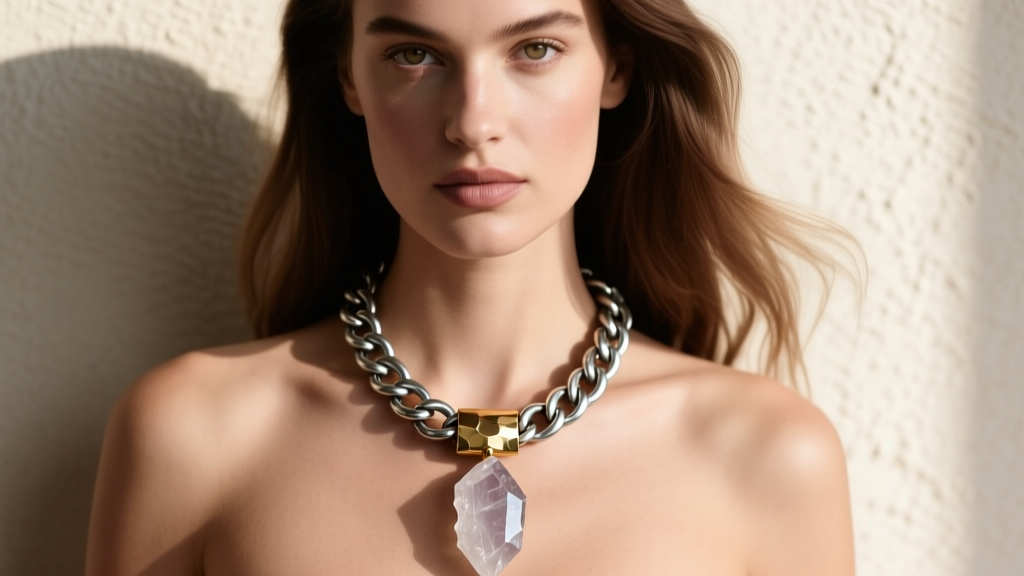
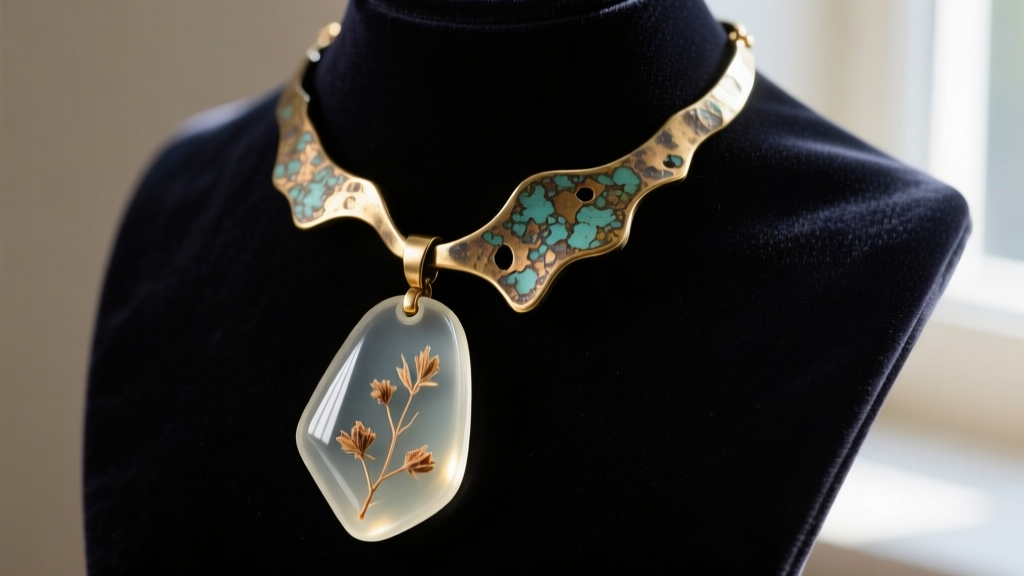
What exactly makes a necklace 'odd' in contemporary jewelry design? It is the deliberate juxtaposition of conflicting materials and eras. Think 3D-printed TPU (thermoplastic polyurethane) geometric cages housing raw, uncut tourmaline, or upcycled mid-century brass drawer pulls suspended on matte-black surgical steel chains. The goal is to create visual tension. Unlike traditional fine jewelry, which prioritizes symmetry and high-polish finishes, the odd necklace embraces patina, asymmetry, and industrial textures. To achieve this, you must abandon the standard jewelry supply catalog and explore the wider physical world.
Step 1: Sourcing Unconventional Focal Pieces
To build a truly unique pendant, you must source materials that were never intended to be worn. Here are the three best avenues for sourcing in 2026:
Architectural Salvage Yards
Facilities like the Habitat for Humanity ReStore are goldmines for vintage hardware. Look for solid brass escutcheons, copper furniture casters, and bronze window latches. Pieces from the 1920s to 1970s offer incredible weight and intricate casting details that modern manufacturers simply do not replicate. Warning: Always test pre-1980s brass for lead content using a swab kit before incorporating it into wearable art.
Industrial Metal Surplus
Websites specializing in aerospace and medical metal offcuts sell small batches of Titanium Grade 5 (6Al-4V). This alloy is incredibly strong, lightweight, and completely hypoallergenic. You can purchase raw, waterjet-cut titanium gears or washers that serve as perfect, indestructible framing elements for fragile stones.
Textile and Fiber Art Guilds
Odd necklaces often incorporate soft goods. Sourcing hand-dyed silk ribbons, upcycled sari silk, or heavy-duty waxed linen cord from fiber artists adds an organic, tactile element that contrasts beautifully with cold metals.
Step 2: Material Safety and Skin Contact
Not everything you find in a salvage yard is safe to rest against your collarbone. Skin contact requires strict adherence to biocompatibility standards. Below is a troubleshooting matrix for common unconventional materials.
| Material Source | Skin Safety Grade | Required Intervention |
|---|---|---|
| Pre-1980s Brass Hardware | Low (Lead/Cadmium Risk) | Seal with a two-part jeweler's epoxy; never let raw metal touch skin. |
| 316L Surgical Steel | High | None; safe for direct contact, ear wires, and clasps. |
| Raw Botryoidal Malachite | Moderate (Copper dust) | Seal with museum-grade microcrystalline wax; avoid wearing in water. |
| 3D Printed TPU Resin | High | Wipe with 90% isopropyl alcohol before first wear to remove residue. |
| ASTM F136 Titanium | Implant Grade | None; the ultimate standard for sensitive skin and permanent clasps. |
For any component that directly touches the skin—especially the clasp and the jump rings connecting the pendant to the chain—always default to Niobium or Implant-Grade Titanium. You can verify titanium standards via the ASTM International F136 Standard documentation, which governs the alloy composition for medical implants.
Step 3: Drilling, Wrapping, and Assembly
Once you have your focal piece, you must attach a bail. Because odd materials rarely come with pre-drilled holes, you must learn to modify them without causing structural failure.
Drilling Glass, Ceramic, and Hard Stone
Never use standard steel drill bits on glass or raw quartz; they will shatter the material. Instead, use a flex shaft tool equipped with a 1.5mm diamond ball burr. Submerge the material in a shallow bath of water while drilling to keep the diamond grit cool and to prevent toxic silica dust from becoming airborne. Drill at a low RPM (around 5,000) with light, pulsing pressure.
Wire Wrapping with Argentium Silver
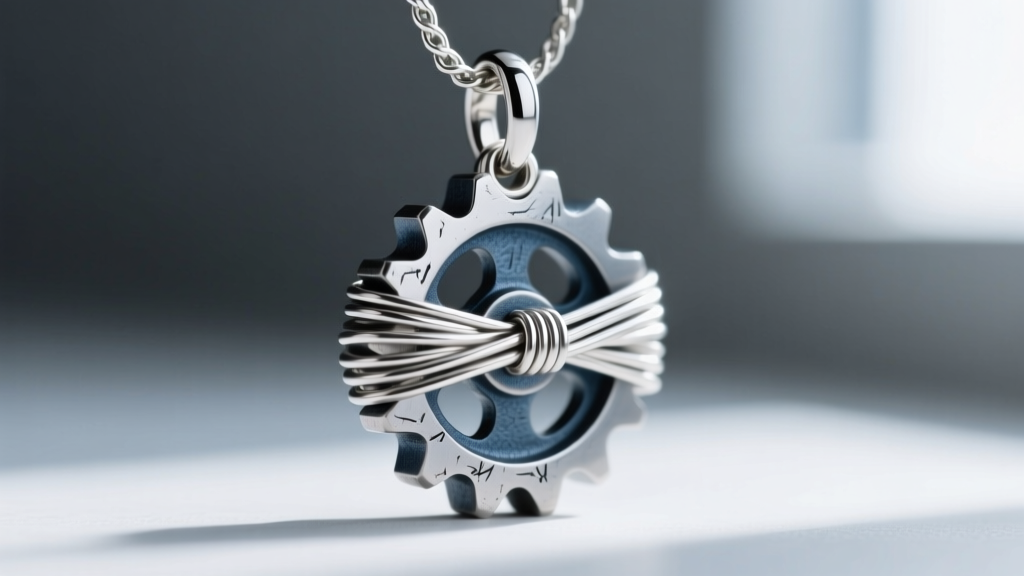
For objects that cannot be drilled, wire wrapping is your best option. Use 20-gauge dead-soft Argentium silver wire. Argentium is highly recommended over standard sterling silver because it contains germanium, making it highly resistant to tarnish—a crucial feature for complex wire weaves that are difficult to polish. According to the GIA Gem Encyclopedia, proper wire tension is critical; dead-soft wire will work-harden as you bend it, locking the wrap securely around the odd object without the need for soldering.
Step 4: Weight Distribution and Chain Selection
The most common failure point in unconventional jewelry is the chain snapping under the weight of a heavy, asymmetrical pendant. A 45-gram brass salvage pendant will easily snap a delicate 1mm cable chain and will cause a snake chain to permanently kink.
- The 1/10th Visual Rule: For visual balance, the chain width should be roughly 1/10th the width of the pendant, but tensile strength is the true metric.
- Chain Selection: For pendants weighing over 30 grams, use a 3mm to 4mm welded Rolo or Wheat chain. These interlocking styles distribute stress evenly across multiple links.
- The Counterweight Clasp: Heavy, asymmetrical pendants naturally slide to the lowest point of the chain, often pulling the clasp to the front of the neck. Solve this by using a heavy toggle clasp or adding a 10-gram decorative counterweight bead to the back of the chain near the clasp.
True style in 2026 isn't about flawless symmetry; it's about the tension between the refined and the raw, the manufactured and the organic.
Step 5: Patinas and Chemical Finishing
To unify disparate materials, jewelry makers use chemical patinas. Liver of Sulfur (LOS) is the industry standard for oxidizing silver and brass, turning bright metal into a moody, gunmetal grey or deep black. To apply LOS safely and effectively, dissolve a pea-sized amount of the resin in 200ml of warm (not hot) water. Dip the metal component for 10 to 15 seconds, then immediately quench it in cold water mixed with baking soda to neutralize the chemical reaction. You can then use 0000-grade steel wool to polish the high points, leaving the dark oxidation in the recessed textures of your odd hardware.
Maintenance of Unconventional Materials
Caring for an odd necklace requires a departure from standard ultrasonic cleaners. Ultrasonic waves can shatter raw, uncut stones and strip the wax sealants off porous materials like malachite or turquoise. Instead, clean your unconventional pendants using a soft-bristled brush, mild dish soap, and distilled water. For the metal components, a dry microfiber cloth is usually sufficient to remove skin oils. By treating these unconventional materials with respect and technical precision, your odd necklace will remain a structurally sound, conversation-starting masterpiece for years to come.