How to Style and Care for a Pink Sapphire Tennis Necklace
Learn how to expertly style, clean, and maintain your pink sapphire tennis necklace with our step-by-step guide on clasps, layering, and gemstone care.

Introduction to the Pink Sapphire Tennis Necklace
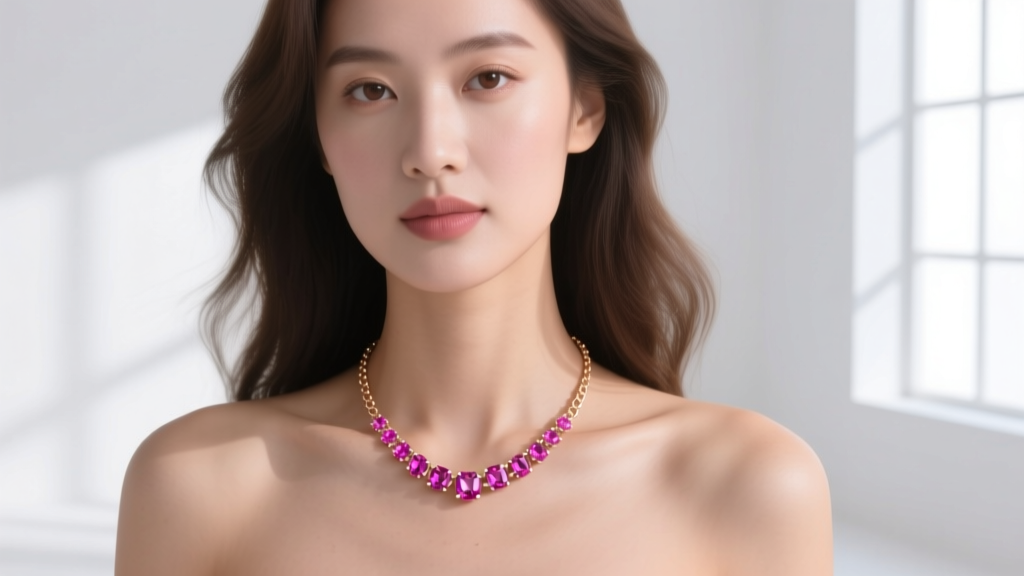
The pink sapphire tennis necklace has emerged as one of the most coveted fine jewelry staples in recent years, offering a vibrant, romantic alternative to traditional diamond lines. As we navigate the jewelry landscape of 2026, the integration of ethically sourced and lab-grown pink sapphires set in recycled rose gold has made this luxurious piece more accessible than ever. However, owning a high-carat, continuous gemstone necklace requires a deep understanding of jewelry mechanics, styling proportions, and gemological care.
Pink sapphires are a variety of corundum, scoring a 9 on the Mohs hardness scale. Their signature blush hue is derived from trace amounts of chromium within the crystal lattice. Because a tennis necklace consists of dozens of individually set stones—often between 60 and 90 gems for a standard 16-inch length—the structural integrity and daily maintenance of the piece are paramount. This comprehensive, step-by-step guide will walk you through verifying your necklace's security, mastering advanced layering techniques, matching carat weights to necklines, and executing a professional-grade cleaning protocol at home.
Step 1: Verifying Quality and Clasp Security
Before you even drape the necklace around your neck, you must inspect the hardware. A tennis necklace carries significant tensile stress due to the weight of the precious metals and gemstones. If the clasp fails, the entire piece can unravel and be lost.
The Tongue-and-Groove Box Clasp
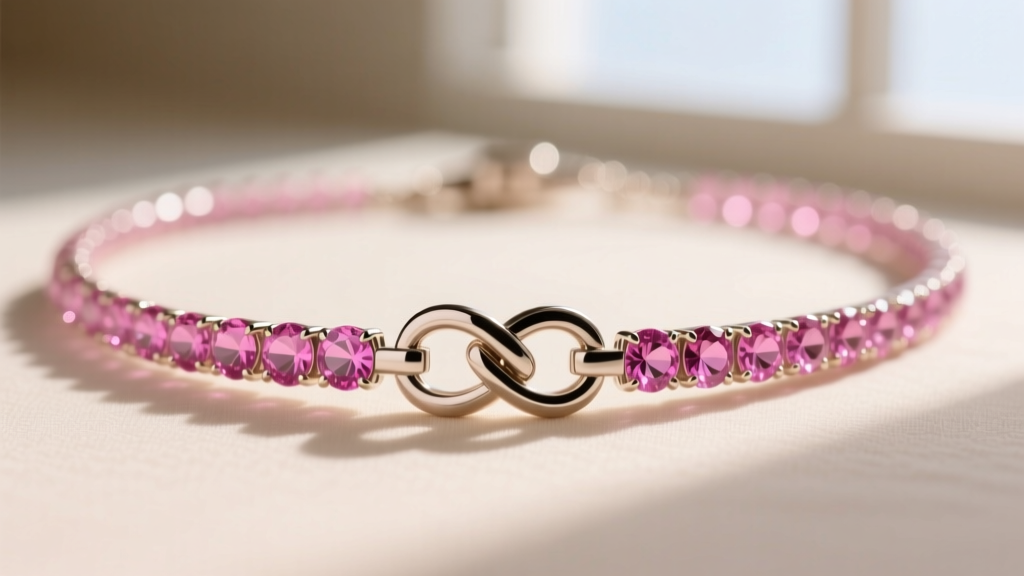
Never purchase or wear a heavy gemstone tennis necklace that relies solely on a lobster clasp or a spring ring. You must look for a hidden tongue-and-groove box clasp. This mechanism features a folded piece of metal (the tongue) that compresses as it slides into the receiving box (the groove) and then expands to lock securely into place.
The Figure-8 Safety Catch
The box clasp must be supplemented by at least one, ideally two, figure-8 safety catches. These are small, hinged wires that snap over a tiny metal peg on the opposite side of the clasp. They act as a secondary fail-safe; if the internal tongue mechanism bends or fails, the figure-8 wire will catch the necklace before it falls to the ground. When inspecting your piece, ensure the safety wires are made of a resilient alloy and snap into place with a firm, audible click.
Expert Tip: Always put on your tennis necklace over a soft surface, like a bed or a plush rug. If the clasp slips from your fingers during the fastening process, the impact on a hard floor could chip a sapphire or bend a delicate prong.
Step 2: Mastering the Layering Technique
A pink sapphire tennis necklace is a statement piece, but in 2026, the trend leans heavily toward curated, multi-dimensional layering. The key to layering a continuous line of gemstones is managing friction and visual weight.
The Friction Rule: Avoid Diamond Pairings of the Same Length
While diamonds and sapphires look stunning together, you must never layer a diamond tennis necklace and a sapphire tennis necklace at the exact same length. Diamonds score a 10 on the Mohs scale, while sapphires score a 9. Over time, the continuous friction of a diamond scraping against a sapphire will cause micro-scratches on the sapphire's facets, dulling its brilliance. Furthermore, the metal settings will grind against each other, leading to premature wear on the prongs.
The 2-4-6 Layering Formula
To layer your pink sapphire necklace safely and stylishly, utilize the 2-4-6 spacing rule:
- The Choker (14 inches): Start with a simple, lightweight 14k gold chain or a small pendant. This draws the eye upward and frames the face.
- The Tennis Necklace (16 inches): Your pink sapphire tennis necklace sits perfectly in the middle, acting as the vibrant anchor of the arrangement.
- The Lariat or Long Pendant (18 to 22 inches): Finish with a longer, heavier chain featuring a solitary gemstone or a gold lariat drop. This creates a V-shape that elongates the neck and prevents the jewelry from looking clustered.
For metal pairings, pink sapphires exhibit a stunning optical warmth when set in 14k or 18k rose gold, which amplifies their natural blush tones. Alternatively, setting them in platinum or white gold creates a high-contrast, icy-pink aesthetic that pops beautifully against darker skin tones or deep-colored clothing.
Step 3: Matching Necklines to Carat Weights
The visual impact of your necklace is heavily dictated by the millimeter size of the sapphires and the neckline of your garment. According to the American Gem Society, balancing the scale of your jewelry with your wardrobe is essential for a harmonious look. Below is a structural guide to matching your sapphire size to your outfit.
| Sapphire Size (mm) | Approx. Total Carat Weight (16") | Ideal Neckline | Style Vibe & Occasion |
|---|---|---|---|
| 3.0mm - 4.0mm | 15 - 22 Carats | High Collar, Turtleneck, Crew Neck | Subtle, everyday elegance; office-appropriate and easy to layer. |
| 5.0mm - 6.0mm | 35 - 50 Carats | V-Neck, Scoop Neck, Sweetheart | Classic statement; perfect for cocktail parties and date nights. |
| 7.0mm - 9.0mm | 70 - 110+ Carats | Strapless, Off-the-Shoulder, Plunge | Red-carpet glamour; requires bare skin to avoid visual clutter. |
When wearing a strapless gown, a 7mm or 8mm pink sapphire tennis necklace will sit majestically against the bare décolletage, allowing the chromium-rich pink hues to catch the light without competing with fabric patterns or ruffles.
Step 4: Professional and At-Home Cleaning Protocol
Because a tennis necklace sits directly against the pulse points of the neck, it is constantly exposed to perspiration, body oils, perfumes, and cosmetics. These substances create a film over the pavilion (the bottom facets) of the sapphires, drastically reducing their light return and making them look cloudy.
The Dangers of Ultrasonic Cleaners
While ultrasonic cleaners are a staple in many jewelry boxes, they pose a severe risk to certain pink sapphires. According to the Gemological Institute of America (GIA), many lower-clarity sapphires undergo fracture filling with lead glass to improve their transparency. The high-frequency vibrations and heat of an ultrasonic cleaner can shatter a fracture-filled stone or dissolve the glass filling, leaving you with a ruined gemstone. Unless your necklace comes with a certificate explicitly guaranteeing no clarity enhancements, avoid ultrasonics entirely.
The Safe At-Home Cleaning Method
Follow this step-by-step protocol every two weeks to maintain maximum brilliance:
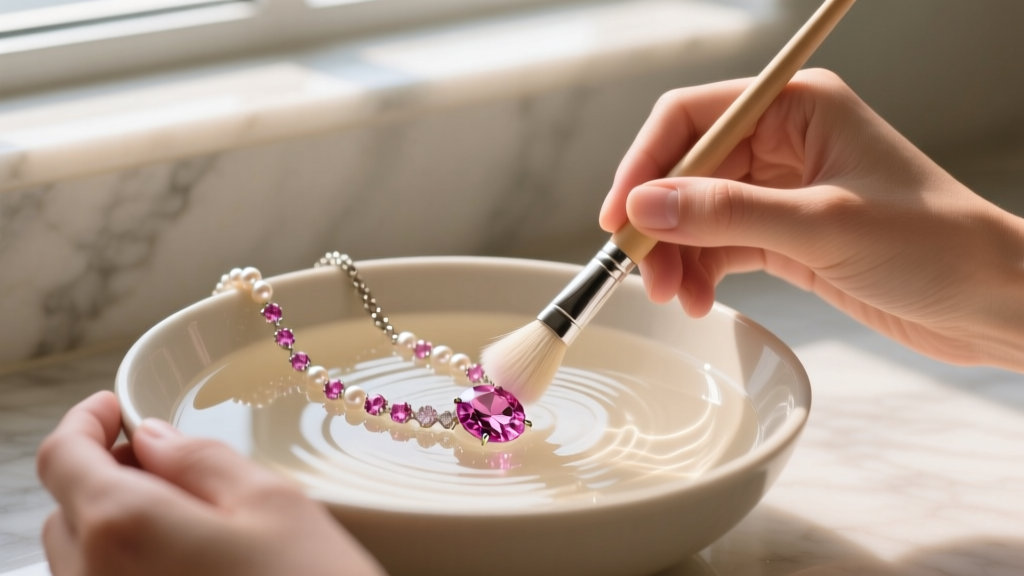
- Prepare the Solution: Fill a small glass bowl with lukewarm water. Add three drops of a mild, lotion-free dish soap (such as original Dawn). Avoid soaps with heavy moisturizers, as they will leave a new layer of film on the stones.
- Soak: Submerge the pink sapphire tennis necklace in the solution for exactly 10 minutes. This loosens trapped oils and cosmetic residue from beneath the prongs.
- Agitate Gently: Using a brand-new, ultra-soft baby toothbrush, gently sweep the bristles across the top of the stones and, crucially, along the underside of the gallery wire where dirt accumulates.
- Rinse and Dry: Rinse the necklace under a gentle stream of lukewarm water. Always ensure the drain is plugged. Pat dry with a lint-free microfiber cloth, ensuring no moisture is trapped inside the box clasp mechanism, which could lead to rust or alloy degradation over time.
Chemical Warnings
Never expose your necklace to chlorine, bleach, or hydrofluoric acid. Chlorine, commonly found in swimming pools and household cleaners, reacts aggressively with the alloy metals (like copper and silver) mixed into 14k and 18k gold. This reaction causes stress corrosion cracking, which can cause the delicate prongs holding your sapphires to snap without warning.
Conclusion
A pink sapphire tennis necklace is a masterful blend of geological rarity and precision engineering. By rigorously inspecting your clasp mechanics, employing strategic layering techniques to prevent gemstone friction, matching carat weights to your wardrobe, and adhering to a safe, non-ultrasonic cleaning regimen, you ensure that your investment remains as breathtaking as the day you acquired it. Treat your corundum with the respect it demands, and it will deliver a lifetime of vibrant, pink-hued brilliance.


