How to Style and Layer a Tortoise Necklace Flawlessly
Learn how to identify, style, and layer a tortoise necklace for any neckline. Expert tips on acetate vs. vintage shell and proper care.

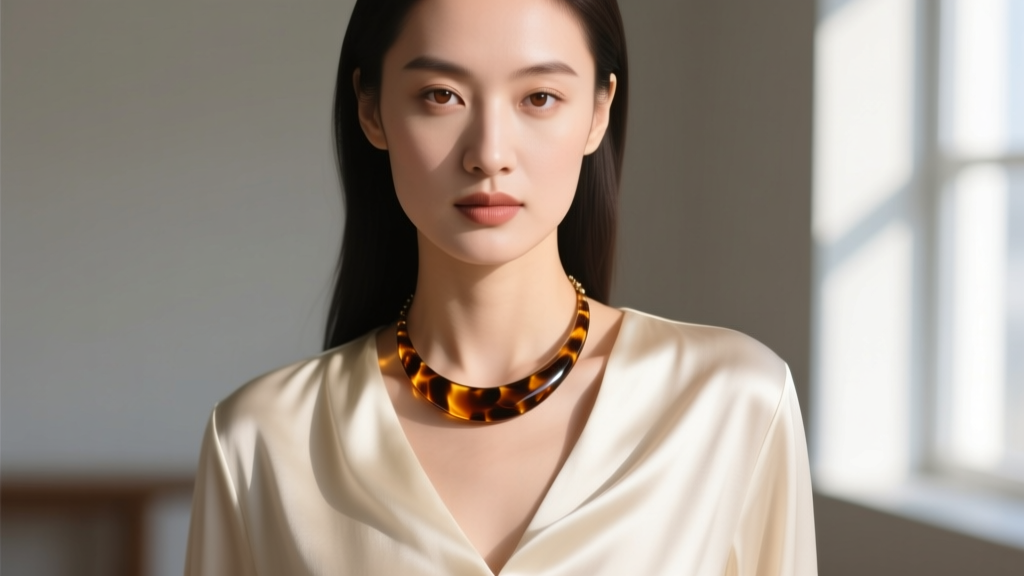
The tortoise necklace has evolved from a vintage flea-market find into a cornerstone of modern organic-maximalist aesthetics. As we navigate the 2026 fashion landscape, the demand for warm, earthy, and texturally rich accessories has completely overshadowed the cold, ultra-minimalist metal trends of the previous decade. Whether you are working with a chunky acetate chain, a delicate vintage pendant, or a hand-carved resin statement piece, mastering the art of styling and layering tortoiseshell jewelry requires an understanding of material science, proportion, and color theory.
This comprehensive, step-by-step guide will walk you through exactly how to identify your necklace's material, match it to specific necklines, execute a professional-grade layering technique, and preserve the integrity of the piece for decades to come.
Step 1: Identify Your Tortoise Necklace Material
Before you begin styling, you must understand what you are wearing. The term 'tortoise' refers to a mottled brown, amber, and black color palette, but the physical material drastically dictates the necklace's weight, drape, and care requirements. True vintage tortoiseshell is derived from the hawksbill sea turtle, which was globally banned from commercial trade under the CITES treaty in 1973. Today, nearly all modern tortoise necklaces are crafted from high-grade cellulose acetate or injection-molded resins.
| Material Type | Era / Origin | Weight & Drape | Identification Test |
|---|---|---|---|
| Hawksbill Shell (Vintage) | Pre-1973 Antique | Lightweight, warms to skin, flexible | Hot pin test yields a smell similar to burnt hair; exhibits tiny, natural blood-like inclusions under magnification. |
| Cellulose Acetate (Premium) | Modern (e.g., Mazzucchelli) | Medium weight, smooth drape, hypoallergenic | Hot pin test yields a vinegar-like scent; features deep, multi-layered translucency and seamless polishing. |
| Injection Resin (Fast Fashion) | Modern Mass-Market | Heavy, stiff, rigid links | Opaque or surface-painted patterns; smells like harsh chemicals or burnt plastic when heated; prominent seam lines. |
Understanding your material ensures you pair the necklace with the right hardware. Premium Italian acetate, such as that produced by Mazzucchelli 1938, features a deep, multi-tonal translucency that catches the light beautifully, making it ideal for intricate layering. Conversely, heavy resin pieces are best worn as standalone statement items.
Step 2: Match the Necklace Length to Your Neckline
A tortoise necklace can easily clash with a busy neckline if the proportions are ignored. The warm, mottled pattern of tortoiseshell draws the eye, acting as a natural focal point. Here is how to map your necklace length to your wardrobe's most common necklines.
The 14-to-16 Inch Collar and Choker
Tortoise chokers—especially those featuring interlocking geometric acetate links—sit tightly at the base of the neck. These are best paired with boatnecks, off-the-shoulder tops, and deep V-necks. The horizontal line of a boatneck balances the visual weight of a chunky tortoise choker, preventing the upper chest from looking cluttered. Avoid wearing chokers with high turtlenecks, as the friction will degrade the acetate over time and the visual layering will look suffocating.
The 18-Inch Princess Length
The princess length is the most versatile. An 18-inch tortoise pendant on a delicate gold chain rests perfectly on the collarbone. This length is engineered for sweetheart necklines and unbuttoned silk blouses. The amber tones of the tortoise pattern bridge the gap between the skin and the fabric, creating a seamless, warm transition.
The 22-to-24 Inch Matinee Length
Longer tortoise chains, particularly those with oversized, chunky links, excel at the matinee length. This is your go-to for crew necks, turtlenecks, and structured blazers. A 24-inch tortoise chain worn over a fine-gauge black turtleneck creates a striking, high-contrast silhouette that elongates the torso. The rigid structure of a blazer lapel provides a clean canvas for the organic, mottled pattern of the necklace to stand out without competing with fabric textures.
Step 3: The 3-Step Layering Technique for Tortoise Pendants
Layering a tortoise necklace requires a strategic approach to texture and color. Because tortoiseshell is visually 'loud' and complex, surrounding it with the wrong metals or gemstones can result in a chaotic look. We use the Anchor, Bridge, and Accent framework to build a cohesive stack.
1. The Anchor (The Tortoise Piece)
Start with your tortoise necklace as the foundational anchor. If it is an 18-inch acetate pendant, this dictates the spatial boundaries of your stack. The warm, varied browns and blacks of the tortoise pattern act as your primary color story.
2. The Bridge (The Metal Chain)
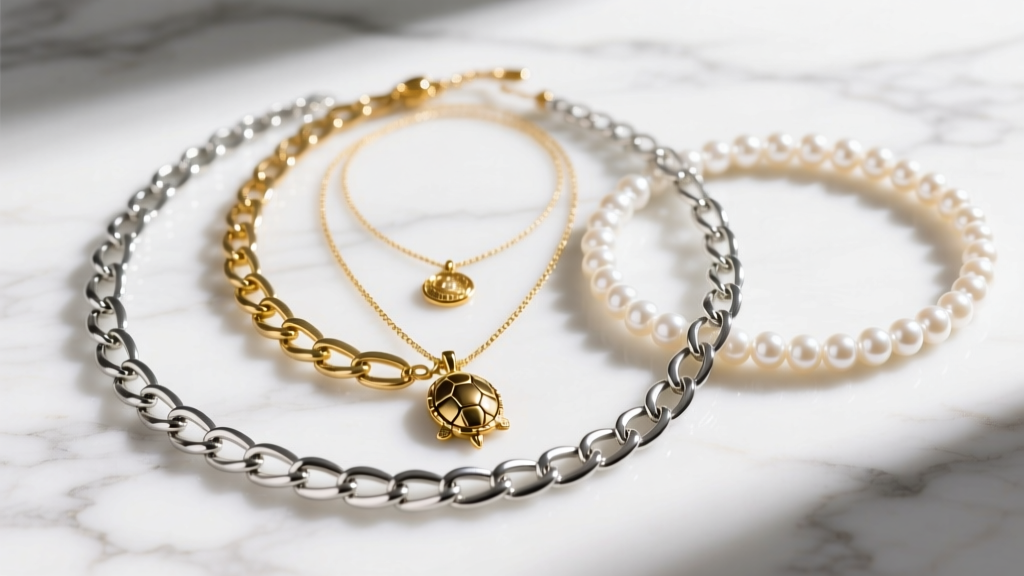
To connect the organic feel of the tortoise piece to the rest of your jewelry, you need a metallic bridge. 14k or 18k yellow gold is the ultimate pairing for amber-heavy tortoise patterns, as the warm undertones harmonize perfectly. If your tortoise necklace leans heavily into dark, opaque blacks and deep mahoganies, opt for oxidized sterling silver or white gold to create a moody, high-contrast, vintage-inspired aesthetic. Avoid rose gold, as its pinkish hue often clashes with the orange-brown undertones of the shell pattern.
3. The Accent (The Textural Contrast)
Finish the layering with a secondary texture that contrasts the smooth, polished finish of the acetate or shell. A baroque freshwater pearl choker or a matte onyx bead strand adds depth. Place the accent piece at least two inches away from the tortoise anchor to prevent tangling and visual muddying. For example, pair a 20-inch tortoise chain with a 16-inch pearl choker and an 18-inch delicate gold coin pendant.
Expert Tip: Never layer a tortoise acetate chain with heavy, sharp-edged gemstone beads like faceted quartz or pyrite. The friction will micro-scratch the acetate, permanently dulling its glass-like polish.
Step 4: Clean and Preserve Your Tortoise Jewelry
The most common way collectors and fashion enthusiasts ruin their tortoise necklaces is through improper cleaning. Both vintage hawksbill shell and modern cellulose acetate are highly porous and sensitive to modern chemical cleaners.
The Danger of Alcohol and Ultrasonic Cleaners
Never use rubbing alcohol, hand sanitizer, or commercial jewelry dips on a tortoise necklace. Alcohol strips the essential plasticizers from cellulose acetate, leading to a destructive process called crazing—a network of tiny, permanent white cracks that form on the surface. Similarly, ultrasonic cleaners generate high-frequency vibrations and heat that can shatter vintage shell and warp acetate links.
The Proper Cleaning Protocol
- Daily Maintenance: After wearing, wipe the necklace down with a dry, clean microfiber cloth to remove skin oils and sweat, which are mildly acidic and can degrade the polish over time.
- Deep Cleaning: If the piece becomes visibly soiled, use a barely damp cloth with a drop of pH-neutral baby soap. Gently rub the links, avoiding any metal clasps or glued settings.
- Conditioning (Vintage Shell Only):strong> Once a year, apply a microscopic drop of mineral oil to a soft cloth and buff genuine vintage hawksbill shell. This prevents the organic keratin from drying out and cracking. Do not use oil on modern acetate, as it will leave a greasy, unremovable film.
For long-term storage, keep your tortoise necklace in a breathable cotton pouch away from direct sunlight. Prolonged UV exposure will bleach the rich amber tones of both shell and acetate, leaving the piece looking flat and yellowed. According to conservation guidelines from the Victoria and Albert Museum, maintaining a stable humidity level in your jewelry box is crucial for preserving organic materials like tortoiseshell, which can warp or split in overly dry environments.
By respecting the material properties of your tortoise necklace and applying these deliberate styling and layering techniques, you elevate the piece from a simple accessory to a masterclass in sophisticated, textural styling.


