A Beginner's Guide to Choosing a Seashell Pendant Necklace
Learn how to choose, style, and care for a seashell pendant necklace. Discover chain pairings, authentic materials, and neckline matching tips.

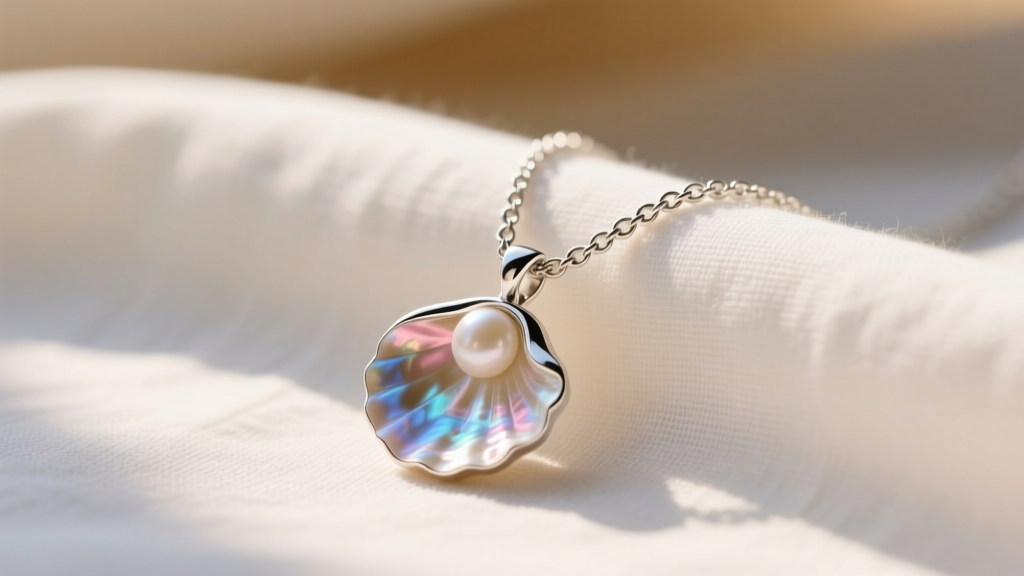
The seashell pendant necklace has transcended its origins as a simple beach souvenir to become a sophisticated staple in modern jewelry wardrobes. Whether you are drawn to the coastal grandmother aesthetic, the whimsical mermaidcore trend, or simply appreciate organic textures, shell jewelry offers a unique blend of natural beauty and versatility. However, not all shell pendants are created equal. As a beginner, navigating the differences between authentic nacre, faux resins, and appropriate chain pairings can be overwhelming. This comprehensive guide will equip you with the expert knowledge needed to select, style, and preserve your shell jewelry for years to come.
Authentic vs. Faux: Understanding Shell Materials
The market is flooded with both genuine and synthetic shell jewelry. Authentic shells are composed of calcium carbonate and nacre (mother-of-pearl), which give them their signature iridescence. Faux alternatives are typically crafted from acetate, resin, or carved glass. While high-quality resins can mimic the look of shell, they lack the thermal properties and unique light-refracting qualities of genuine nacre.
When investing in a genuine seashell pendant necklace, you will typically encounter four primary materials, each with distinct characteristics and price points:
| Material | Origin & Characteristics | Mohs Hardness | Average Price Range |
|---|---|---|---|
| Mother of Pearl | Inner layer of pearl oysters; bright white with subtle pastel iridescence. | 2.5 - 3.0 | $25 - $75 |
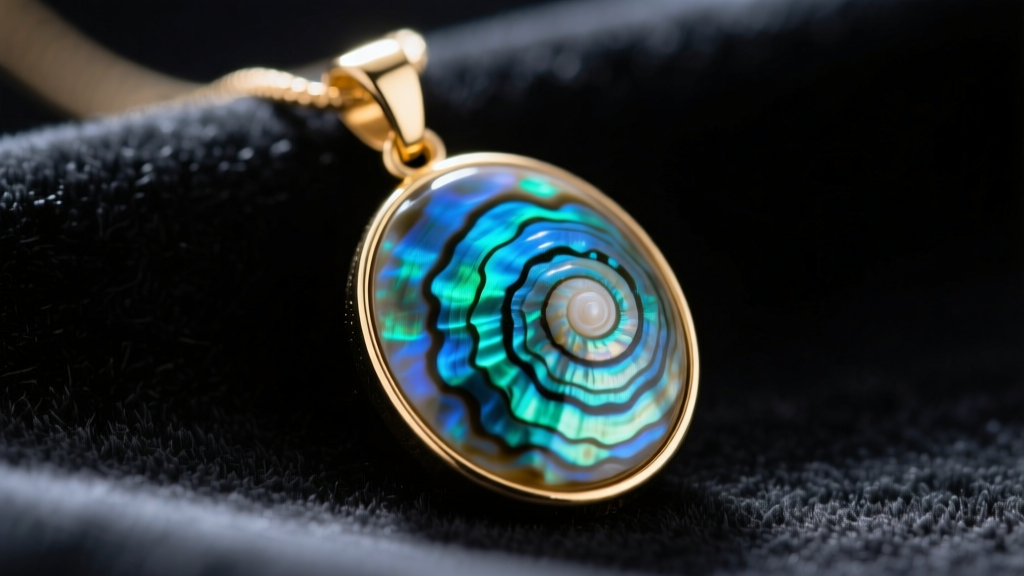
| Paua (Abalone) | New Zealand sea snail; vivid, highly saturated blues, greens, and purples. | 2.5 - 3.5 | $40 - $120 |
| Cowrie | Tropical sea snails; smooth, glossy, often used in bohemian or tribal designs. | 3.0 | $15 - $45 |
| Conch | Caribbean gastropods; rare pink and peach hues with a flame-like structure. | 3.0 - 3.5 | $80 - $200+ |
Note on Durability: With a Mohs hardness between 2.5 and 3.5, authentic shells are relatively soft. They can be easily scratched by harder gemstones like quartz (Mohs 7) or diamonds (Mohs 10). Always store your shell pendants separately in a soft microfiber pouch.
Selecting the Right Chain and Hardware
A common failure point in beginner jewelry purchases is ignoring the chain and clasp quality. A delicate shell pendant requires a chain that complements its weight and organic shape without overpowering it. Furthermore, the base metal of your chain dictates the longevity of the piece.
Optimal Chain Styles for Shell Pendants
- Cable Chain (18-gauge to 20-gauge): The classic, uniform oval links provide a minimalist backdrop that lets the shell's natural striations take center stage. Ideal for lightweight mother-of-pearl slices.
- Rope Chain (1.2mm to 1.5mm): The twisted, braided texture mimics the organic, flowing lines of the ocean. This pairs exceptionally well with textured cowrie or conch shells.
- Box Chain (1.0mm to 1.2mm): Offers a sleek, modern contrast to the organic curves of a shell. Excellent for geometric, precision-cut paua shell inlays.
Metals That Won't Ruin Your Skin or Shell
Avoid cheap brass or copper alloys, which oxidize quickly and leave green stains on your skin. Instead, opt for:
- 925 Sterling Silver: The industry standard for shell jewelry. Its cool undertones perfectly complement the icy whites and blues of mother-of-pearl and paua.
- 316L Surgical Stainless Steel: Highly resistant to tarnish and water damage. An excellent choice if you plan to wear your necklace near the beach or pool.
- 14k Gold Vermeil: A thick layer of 14k gold over sterling silver. It provides the warmth of gold, which beautifully enhances the pink and peach tones of conch shells.
The Neckline Pairing Framework
Styling a seashell pendant necklace is all about proportion and neckline harmony. The wrong length can cause the pendant to hide beneath fabric or clash with the garment's geometry.
Expert Styling Tip: "Shell pendants are inherently horizontal or asymmetrical in their visual weight. Balance this by pairing them with necklines that create a vertical frame, such as deep V-necks or open button-downs, allowing the pendant to rest flush against the skin."
Length and Neckline Matrix
- 16-Inch (Choker Length): Best paired with boat necks, off-the-shoulder tops, and sweetheart necklines. Keeps a small cowrie or delicate pearl shell resting right on the collarbone.
- 18-Inch (Princess Length): The most versatile length. Perfect for V-necks, scoop necks, and casual crew neck t-shirts. The pendant will sit gracefully in the hollow of the throat.
- 20 to 24-Inch (Matinee Length): Ideal for high-neck blouses, turtlenecks, and business-casual button-ups. Allows a larger, statement-sized conch or abalone shell to rest on the fabric, acting as a focal point.
Layering Techniques
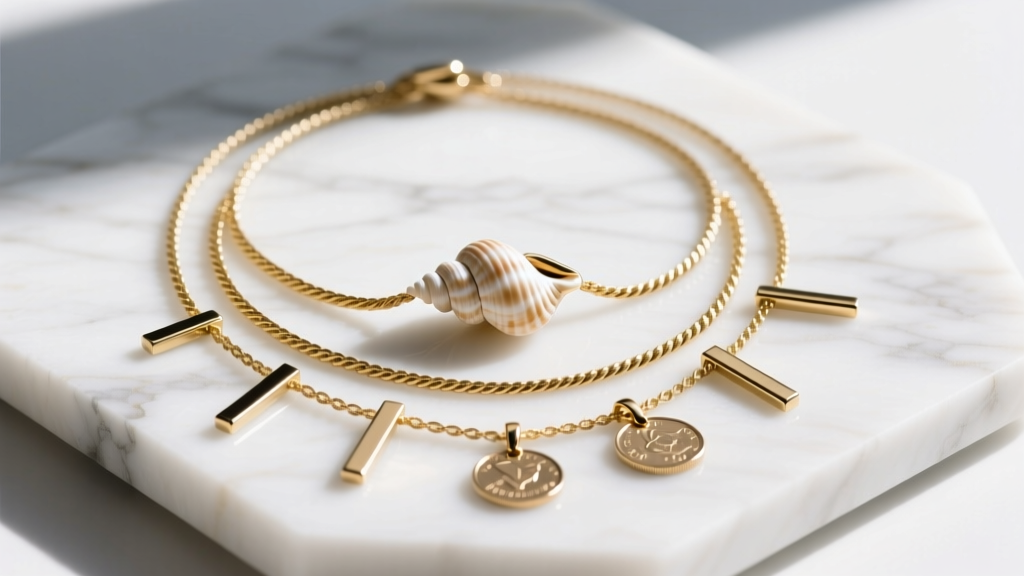
If you wish to layer your shell pendant, follow the "Rule of Three" and maintain a two-inch gap between chain lengths. For example, pair a 16-inch delicate gold chain, an 18-inch shell pendant, and a 20-inch heavier textural chain (like a paperclip link). Ensure the shell pendant remains the longest or middle piece so it is not obscured by heavier metal charms.
Care and Maintenance: The Nacre Rule
Authentic shells are porous and highly sensitive to chemicals. The most common mistake beginners make is treating shell jewelry like diamonds or solid gold. According to the Gemological Institute of America (GIA), organic gems like pearls and shells require specialized care to prevent the nacre layers from drying out or delaminating.
What to Avoid at All Costs
- Ultrasonic Cleaners: Never put a seashell pendant in an ultrasonic cleaner. The high-frequency vibrations will literally shatter the microscopic layers of nacre.
- Chlorine and Saltwater: While shells come from the ocean, processed jewelry is set with adhesives and metal prongs. Chlorine degrades the calcium carbonate, and saltwater can corrode the metal settings.
- Perfumes and Lotions: Always follow the "Last On, First Off" rule. Apply your skincare and fragrances at least 10 minutes before putting on your necklace.
Step-by-Step Cleaning Guide
For routine cleaning, Jewelers Mutual recommends gentle, non-abrasive methods. Mix a few drops of mild, phosphate-free dish soap (like Dawn) into a bowl of lukewarm distilled water. Dip a soft, lint-free microfiber cloth into the solution, wring it out until it is only slightly damp, and gently wipe the surface of the shell. Never submerge the pendant, especially if it is glued into a bezel setting. Dry immediately with a separate soft cloth and allow it to air dry completely before storing.
Final Thoughts
A seashell pendant necklace is more than just a seasonal accessory; it is a timeless piece of organic art. By understanding the material grades, selecting the appropriate chain gauge, and adhering to strict, gentle care protocols, you can ensure your pendant retains its natural iridescence for a lifetime. Whether you opt for the vibrant blues of a New Zealand paua or the classic elegance of mother-of-pearl, your shell jewelry will remain a sophisticated nod to the beauty of the natural world.


