Cute Cross Necklaces: A Material and Metal Comparison Guide
Discover which metals make the best cute cross necklaces. Compare sterling silver, gold vermeil, and titanium for durability and skin safety.

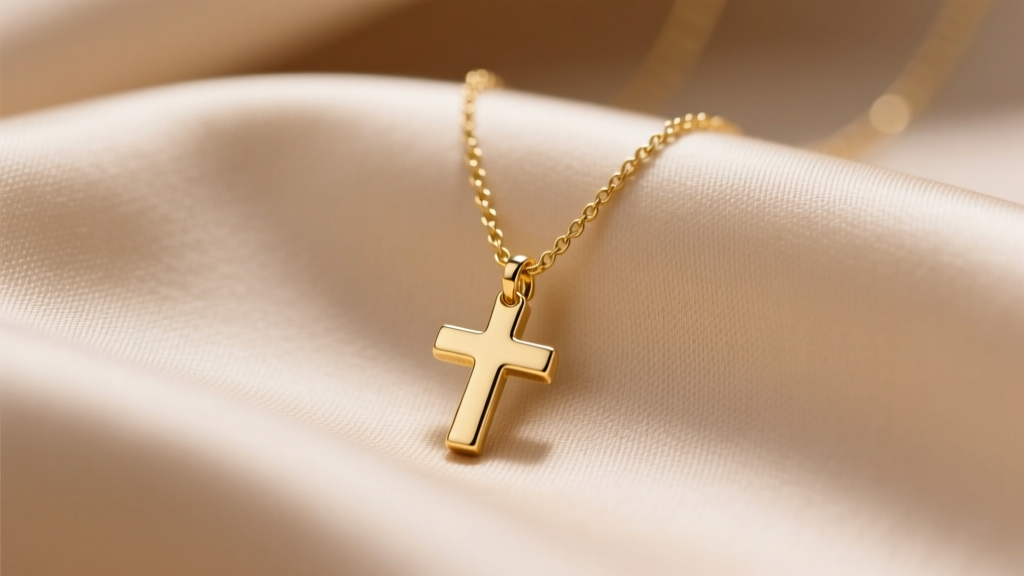
The market for cute cross necklaces has exploded, evolving from traditional religious symbols into staple minimalist fashion accessories. As we navigate jewelry trends in 2026, the emphasis has shifted heavily toward dainty, micro-pave, and sleek geometric cross pendants. However, the delicate nature of these pieces exposes a critical vulnerability: material degradation. A tiny 12mm cross pendant lacks the structural mass of a heavy signet ring, meaning the metal's intrinsic properties—hardness, tensile strength, and corrosion resistance—dictate its lifespan.
Choosing the right metal is not merely an aesthetic decision; it is a metallurgical one. This guide breaks down the exact material properties, failure modes, and pricing structures of the most common metals used in cross pendants, helping you invest in a piece that survives daily wear without turning your skin green or snapping at the bail.
The Anatomy of a Durable Cross Pendant
Before evaluating the metals, we must understand the structural stress points unique to cross necklaces. The primary failure point is the bail—the loop that connects the pendant to the chain. In ultra-dainty crosses, the bail is often soldered onto a surface area of less than 2 square millimeters.
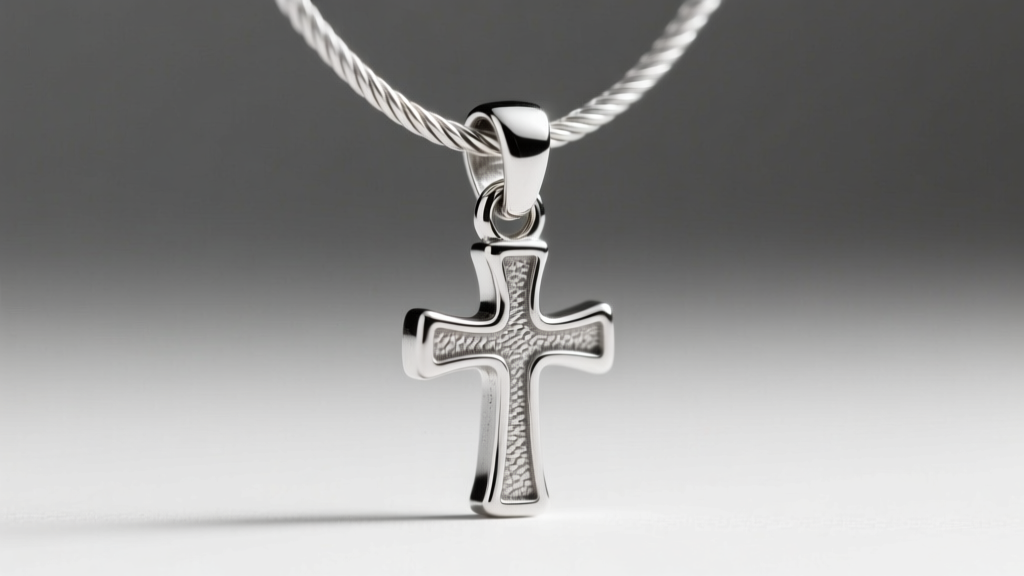
If the metal is too soft (like pure 24k gold or high-karat 22k gold), the friction from the chain will slowly file away the bail, eventually causing the pendant to detach and be lost. Conversely, if the metal is too brittle (like certain low-grade silver alloys with high zinc content), a sudden snag on a sweater can snap the bail clean off. Furthermore, if your cute cross features a tiny center gemstone, the prongs must be cast with precision. Porosity in cheap castings leads to microscopic air pockets, causing prongs to snap under minimal pressure. Always inspect the bail and prongs under a jeweler's loupe or macro lens before purchasing.
Material Showdown: Which Metal Reigns Supreme?
Sterling Silver (925): The Classic but High-Maintenance Choice
Sterling silver is an alloy containing 92.5% pure silver and 7.5% copper, as documented by the Silver Institute. The copper adds necessary hardness, raising the Vickers hardness from 25 HV (pure silver) to roughly 65 HV. However, copper is highly reactive to sulfur and moisture in the air, leading to tarnish (silver sulfide). For dainty crosses, tarnish can quickly accumulate in the sharp inner corners of the design, making it difficult to clean without specialized liquid dips. Many modern 2026 silver crosses are flash-plated with rhodium to prevent this, but this plating wears off in 6 to 12 months with daily friction.
Gold Vermeil vs. Gold Plated: The Deceptive Shine
Many affordable cute cross necklaces are marketed as 'gold,' but the terminology matters immensely. According to the Federal Trade Commission (FTC) Jewelry Guides, gold vermeil must have a sterling silver base and a gold plating of at least 2.5 microns thick. Standard 'gold plated' jewelry, however, often uses a brass or copper base with a microscopic 0.5-micron gold wash. On a small cross pendant, a 0.5-micron layer will wear through at the high-contact edges within weeks, exposing the base metal and frequently causing contact dermatitis due to nickel or copper exposure. Always look for the '925' stamp underneath the gold layer to verify true vermeil.
Solid Gold (10k, 14k, 18k): The Heirloom Standard
For a piece meant to be worn in the shower, at the gym, and to bed, solid gold is the undisputed champion. As detailed by the Gemological Institute of America (GIA), gold purity drastically alters its physical properties:
- 10k Gold (41.7% pure): The hardest and most scratch-resistant, but lacks the rich yellow hue and can cause allergies due to higher alloy content.
- 14k Gold (58.3% pure): The ultimate sweet spot for dainty crosses. It offers a Vickers hardness of around 140 HV, providing enough rigidity to keep tiny prongs secure and thin bails intact, while maintaining a beautiful color and hypoallergenic profile.
- 18k Gold (75.0% pure): Softer (approx. 120 HV) and richer in color. While luxurious, 18k is prone to bending and scratching on the sharp edges of minimalist geometric crosses.
Titanium & Surgical Steel: The Hypoallergenic Heroes
For those with severe metal sensitivities, Grade 2 Commercially Pure (CP) Titanium or 316L Surgical Stainless Steel are exceptional alternatives. Titanium boasts an incredible strength-to-weight ratio and is entirely immune to tarnish and corrosion. However, titanium has a high melting point, making intricate, micro-detailed casting difficult. Therefore, titanium crosses are usually CNC-milled, resulting in sharper, more modern, and industrial-looking geometric designs rather than soft, ornate vintage styles.
Comprehensive Metal Comparison Matrix
| Metal Type | Base / Purity | Tarnish Risk | Structural Hardness | Avg. Price (Dainty Cross) |
|---|---|---|---|---|
| Sterling Silver | 92.5% Ag, 7.5% Cu | High (unless rhodium plated) | Low (65 HV) | $35 - $85 |
| Gold Vermeil | 925 Silver + 2.5μm Au | Medium (edges wear first) | Low (65 HV base) | $65 - $140 |
| Solid 14k Gold | 58.3% Au Alloy | None | High (140 HV) | $160 - $350 |
| Solid 18k Gold | 75.0% Au Alloy | None | Medium (120 HV) | $250 - $500+ |
| Grade 2 Titanium | 99%+ Ti | None | Very High (200+ HV) | $40 - $120 |
Chain Pairings: Matching the Pendant to the Link
A cute cross pendant is only as secure as the chain it hangs from. The most common mistake consumers make is pairing a delicate 10mm cross with a thick, heavy chain, or worse, a weak, hollow chain that snaps under the pendulum effect of the pendant swinging.
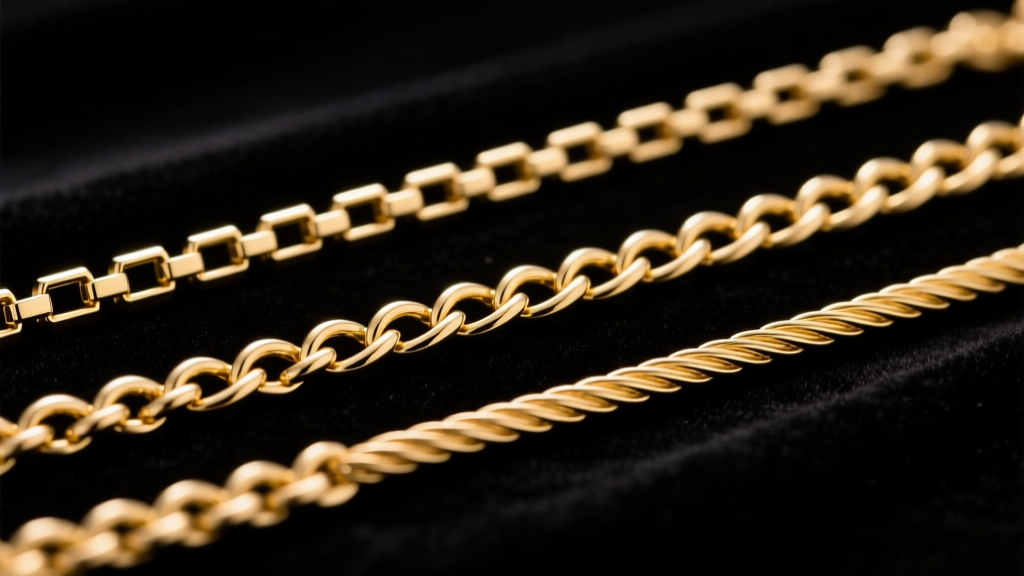
For pendants weighing under 3 grams, you need a chain gauge between 0.8mm and 1.2mm.
- Box Chains (0.9mm - 1.2mm): The strongest option for their width. The interlocking square links distribute tension evenly, making them highly resistant to snapping if the cross pendant gets snagged.
- Cable Chains (0.8mm - 1.0mm): The classic choice. They offer a traditional look but the single oval links can pull apart if subjected to sudden, sharp yanks.
- Rope Chains: Avoid these for ultra-dainty crosses. The twisted links create high friction against the bail, acting like a microscopic file that will wear through a soft silver or 18k gold bail over time.
Care Protocols and Failure Modes by Material
Maintaining the pristine look of your necklace requires material-specific care. Using the wrong cleaning method can permanently ruin the finish or loosen gemstone settings.
Sterling Silver & Vermeil Care
Never use ultrasonic cleaners on gold vermeil. The high-frequency cavitation bubbles will strip the 2.5-micron gold layer right off the silver base. Instead, use a mild, phosphate-free dish soap and a soft baby toothbrush to gently clean the crevices of the cross. Dry immediately with a microfiber cloth to prevent water spots.
Solid Gold & Titanium Care
Solid 14k gold and titanium can safely withstand ultrasonic cleaning, provided the cross does not contain fracture-filled diamonds, opals, or emeralds. For plain metal crosses or those set with durable sapphires and diamonds, a 3-minute cycle in a standard ultrasonic cleaner with warm water and a drop of ammonia will restore the factory shine by blasting away sebum and lotion buildup from the back of the pendant.
The 'Lotion and Perfume' Rule
Cosmetics are the silent killers of jewelry finishes. The alcohols and emulsifiers in perfumes and body lotions can degrade the rhodium plating on silver and leave a stubborn, cloudy film on the back of solid gold crosses. Always put your necklace on after your skincare and fragrance routines have fully dried and absorbed into the skin.
Final Verdict: Choosing Your Metal
If you are buying a cute cross necklace as a temporary fashion accessory to layer with seasonal trends, gold vermeil offers the best visual return on investment, provided you remove it before showering. However, if you intend to wear the cross daily as a personal talisman or minimalist staple, investing in solid 14k gold is mathematically and metallurgically the smartest choice. Its optimal balance of tensile strength and corrosion resistance ensures that the delicate bail and tiny gemstone prongs will remain secure for decades, outlasting the fleeting trends of the moment.


