How to Style, Layer, and Polish a Horseshoe Necklace Silver
Master the art of styling and maintaining your horseshoe necklace silver. Learn layering techniques, chain pairings, and deep-cleaning methods.

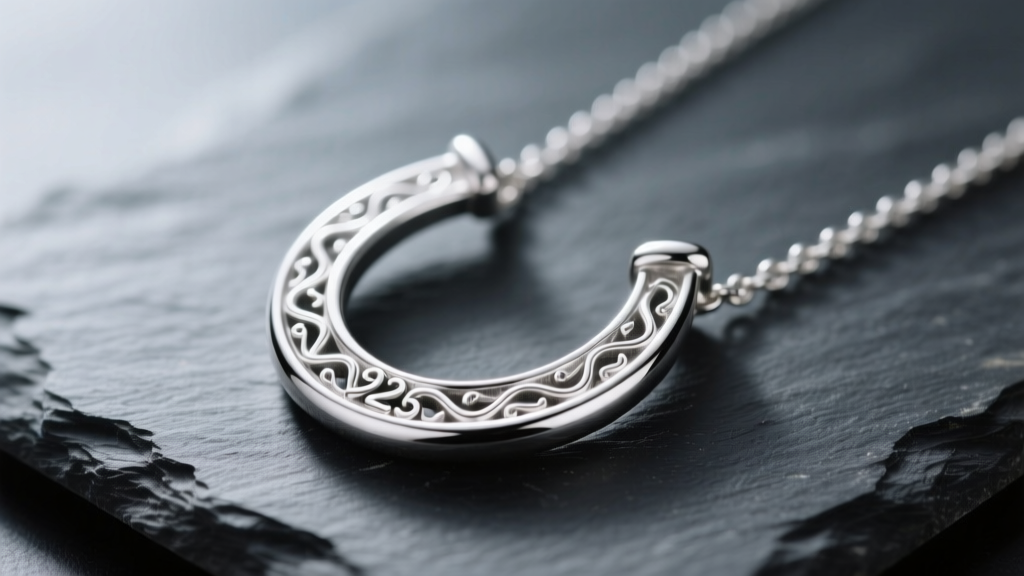
The equestrian-inspired horseshoe has long been a symbol of luck, protection, and forward momentum. In 2026, the motif remains a staple in fine and demi-fine jewelry, bridging the gap between rustic Americana and sleek, modern minimalism. However, owning a beautiful piece is only half the equation. To truly maximize your investment, you need to understand the metallurgy, styling mechanics, and maintenance required to keep it pristine. This comprehensive guide will walk you through exactly how to style, layer, and care for your horseshoe necklace silver pendant, ensuring it remains a versatile cornerstone of your jewelry wardrobe.
The Anatomy of a Quality Silver Horseshoe Pendant
Before diving into styling, it is crucial to understand what you are wearing. Pure silver (999 fine silver) is too soft for everyday pendants; it will easily warp if caught on clothing. Therefore, high-quality pieces are crafted from 925 Sterling Silver, an alloy containing 92.5% silver and 7.5% copper. The copper adds necessary tensile strength but is also the culprit behind tarnishing, as it reacts with sulfur and moisture in the air.
For those seeking a low-maintenance alternative, look for Argentium Silver. This modern alloy replaces some of the copper with germanium, creating a highly tarnish-resistant surface that maintains its bright white luster for years without chemical dips. When inspecting your horseshoe pendant, check the bail (the loop that connects the pendant to the chain). Because a horseshoe is bottom-heavy, a soldered, fixed bail is vastly superior to a pinch bail, which can loosen and drop your pendant over time.
Step-by-Step Guide to Layering Your Horseshoe Necklace
Layering is an art form governed by physics and proportions. The most common mistake wearers make is pairing chains of similar lengths and textures, which guarantees a tangled mess. To properly layer a horseshoe necklace silver pendant, follow the 'Rule of Two and Texture'.
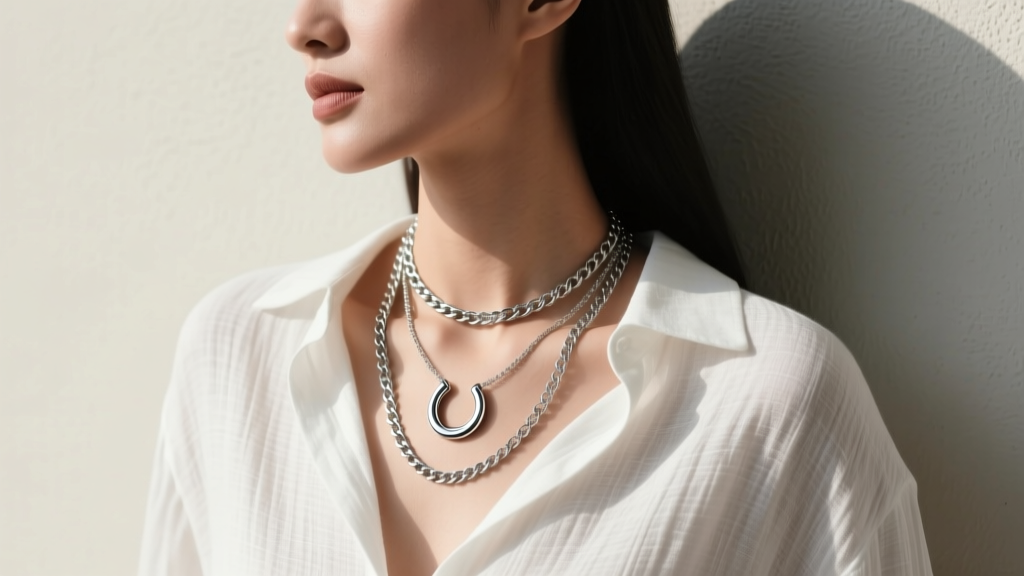
Step 1: Establish the Anchor Length
Your horseshoe pendant should act as the focal point. An 18-inch chain places the pendant perfectly at the collarbone, making it the ideal anchor. Use a sturdy box chain (1.2mm to 1.5mm thick) for this layer. Box chains feature smooth, geometric links that resist catching on the textured links of companion chains.
Step 2: Add the Secondary Layers
Once your 18-inch anchor is set, add a shorter 14-inch or 16-inch choker, and a longer 22-inch or 24-inch chain. Ensure there is a minimum 2-inch gap between the clasps and pendants of each layer to prevent friction and knotting.
Step 3: Mix the Textures
Contrasting link shapes reduce the surface area where chains touch, minimizing tangles. If your horseshoe pendant is on a smooth box chain, pair it with a highly textured rolo chain or a flat herringbone snake chain for the longer layer.
| Chain Type | Link Profile | Tangle Risk | Best Role in Layering |
|---|---|---|---|
| Box Chain | Smooth, Geometric | Low | Anchor chain for heavy pendants |
| Rolo Chain | Round, Textured | Medium | Mid-length complementary layer |
| Snake Chain | Flat, Continuous | High (kinks easily) | Standalone statement piece |
| Cable Chain | Oval, Classic | Medium-High | Short chokers (14-16 inches) |
Matching Necklines with Horseshoe Pendants
The geometric shape of a horseshoe—a rounded U-curve—interacts differently with various clothing necklines. Styling your horseshoe necklace silver piece correctly can elongate your neck or frame your face beautifully.
- The V-Neck: The natural solution. An 18-inch horseshoe pendant will nestle perfectly into the apex of a V-neck, mirroring the garment's lines and drawing the eye downward, creating a slimming effect.
- The Crew Neck: Avoid 18-inch chains here, as the pendant will clash with the high collar. Instead, opt for a tight 14-inch choker that sits above the fabric, or drop to a 22-inch chain that rests entirely below the collarbone.
- The Button-Down Shirt: Unbutton the top three buttons to create a deep, artificial V-neck. Layer a 16-inch delicate cable chain with your 18-inch horseshoe pendant for a sophisticated, 'undone' office-appropriate look.
The Ultimate Cleaning Routine for Tarnished Silver
Over time, the copper in your sterling silver will react with atmospheric sulfur, creating a dark layer of silver sulfide. While commercial silver polishes work, they are mildly abrasive and remove a microscopic layer of silver with every use. For a deep, non-abrasive clean, utilize the electrochemical reduction method. This process reverses the chemical reaction, moving the sulfur from the silver back onto aluminum.
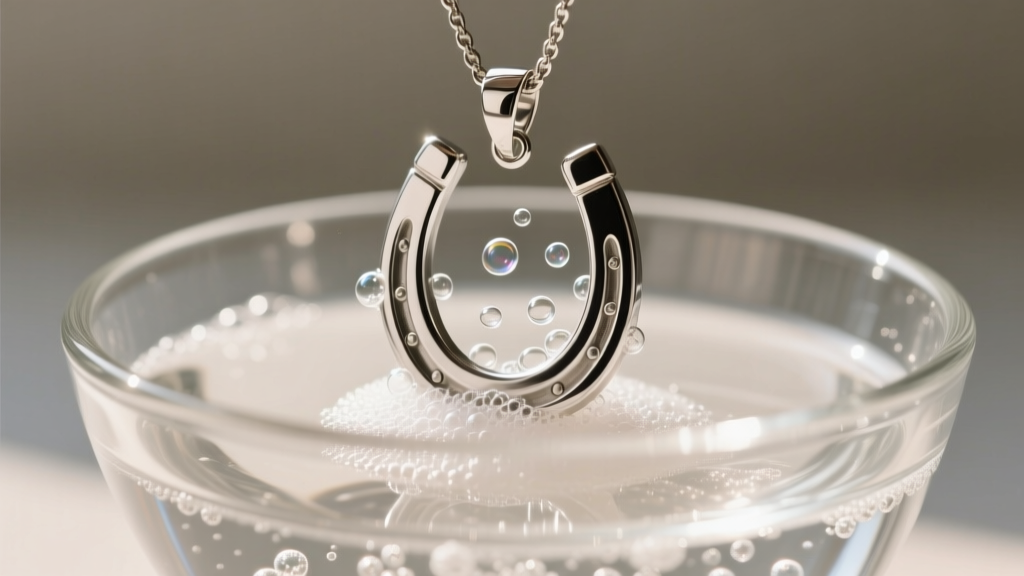
The Aluminum Foil Method (Step-by-Step)
- Line the bottom of a glass or ceramic bowl with aluminum foil, shiny side facing up.
- Place your silver horseshoe necklace on the foil, ensuring the metal touches the aluminum.
- Boil enough water to submerge the jewelry completely.
- Add 1 tablespoon of baking soda and 1 tablespoon of sea salt to the bowl.
- Carefully pour the boiling water into the bowl. You will see tiny bubbles form and may smell a faint sulfur (rotten egg) odor. This means the chemical transfer is working.
- Let it sit for 3 to 5 minutes. Use wooden tongs (never metal, which can scratch the silver) to remove the necklace.
- Rinse thoroughly under warm tap water and buff dry with a microfiber cloth.
Note: Never use this method on horseshoe pendants featuring glued-in gemstones, pearls, or oxidized (intentionally blackened) detailing, as the heat and chemical reaction will dissolve the adhesives and strip the patina. For more on gemstone safety, refer to the Gemological Institute of America's (GIA) silver care guidelines.
Troubleshooting Common Silver Pendant Issues
Even with perfect care, daily wear introduces mechanical challenges. Here is how to solve the most frequent issues associated with silver pendants.
The Clasp Keeps Sliding to the Front
This happens when the clasp is heavier than the chain, or when the pendant's bail creates too much friction, preventing the chain from gliding freely. The Fix: Attach a small, clear silicone jewelry stopper or a tiny sterling silver counterweight bead to the back of the chain, directly opposite the clasp. This adds just enough weight to the back of your neck to keep the clasp anchored.
The Bail is Wearing Down
If your horseshoe pendant slides on a chain that is harder than the silver bail (such as a stainless steel or white gold chain), the friction will eventually act like a saw, cutting through the bail over a few years. The Fix: Always pair your sterling silver pendant with a sterling silver chain. Because they share the same Mohs hardness, they will wear evenly. Have a jeweler inspect the bail thickness annually; if it thins below 0.8mm, it needs to be soldered or replaced.
Severe Knotting in Layered Chains
If your carefully layered necklaces still knot up by the end of the day, the issue is likely static electricity and hair friction. The Fix: Lightly rub a clear wax-based jewelry anti-tangle stick (or a tiny dab of lip balm applied to a tissue) along the length of the chains. This reduces surface friction and allows the links to slide past one another and your hair without catching.
Securing the Hardware and Final Storage
The longevity of your horseshoe necklace silver piece ultimately relies on its hardware. Most demi-fine silver necklaces utilize spring-ring clasps, which contain a tiny internal steel spring. Over time, moisture causes this steel spring to rust and fail. Upgrade your necklace with a solid sterling silver lobster clasp, which uses a lever mechanism rather than a tension spring, offering vastly superior security and lifespan.
When storing your necklace, never toss it into a communal jewelry box. The Vickers hardness of 925 silver is relatively low, meaning it will easily scratch if it rubs against diamonds, sapphires, or even other silver pieces. Store your horseshoe necklace flat in an anti-tarnish cloth pouch infused with activated charcoal or silver-chloride absorbing agents. According to Jewelers of America, storing silver in a low-humidity environment with anti-tarnish strips can extend the time between necessary polishings by up to three years.
By understanding the specific weight distribution, metallurgical properties, and chemical vulnerabilities of your jewelry, you transform a simple accessory into a lifelong heirloom. Whether you are dressing it up for a formal event or keeping it casual over a linen shirt, your perfectly maintained horseshoe pendant will always be ready to bring you style and a touch of luck.


