The Ultimate Cleaning Guide for Your Two Heart Necklace
Learn expert cleaning and maintenance tips for your two heart necklace. Discover how to remove tarnish, prevent tangling, and protect delicate solder joints.

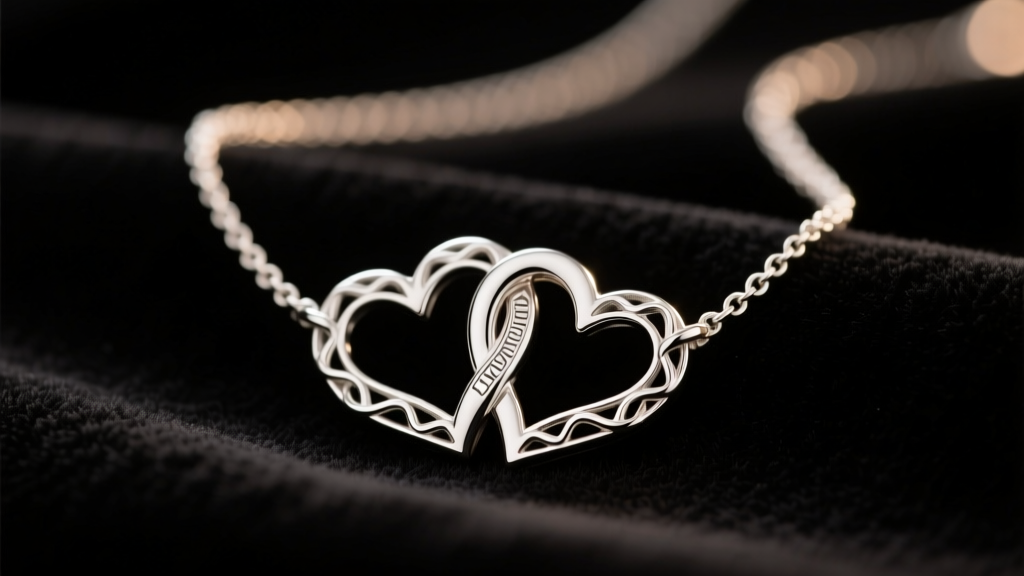
A two heart necklace is more than just a beautiful accessory; it is a profound symbol of connection, whether representing a mother-daughter bond, a romantic partnership, or a lifelong friendship. However, the very design that makes these pendants so meaningful—intertwined or side-by-side hearts—creates unique structural vulnerabilities. The crevices between the hearts, the delicate solder joints, and the tiny jump rings that connect the pendant to the chain are natural magnets for debris, lotions, and tarnish.
As jewelry trends evolve through 2026, the emphasis on sustainable, long-lasting wardrobes means taking meticulous care of your sentimental pieces is more important than ever. This comprehensive guide will walk you through the exact chemistry of tarnish, material-specific cleaning protocols, and the mechanical maintenance required to keep your two heart necklace looking flawless for decades.
The Anatomy of a Two Heart Necklace: Why It Needs Special Care
Unlike a simple solitaire pendant, a two heart necklace features complex geometry. If the hearts are intertwined, they create a 'debris trap' where dead skin cells, cosmetic residues, and environmental pollutants accumulate. This buildup not only dulls the metal's luster but can also cause skin irritation or contact dermatitis if left against the collarbone for prolonged periods.
Furthermore, the connection points are critical failure zones. Most two heart pendants are attached to the chain via a singular bail, but the two hearts themselves are often joined by a micro-solder joint or a tiny 22-gauge jump ring. Harsh chemicals and aggressive polishing can degrade these solder joints over time, leading to a broken pendant. Understanding this anatomy is the first step in adopting a safe, effective cleaning routine.
Daily Wear and Tear: Preventing Tarnish and Tangling
The most effective cleaning method is proactive prevention. The 'Last On, First Off' rule is non-negotiable for delicate necklaces. Your two heart necklace should be the final item you put on after applying perfumes, hairsprays, and body lotions, and the first item you remove when you return home.
The Chemistry of Tarnish
If your necklace is crafted from 925 sterling silver, it contains 7.5% copper. This copper reacts with hydrogen sulfide and moisture in the air to form silver sulfide—the blackish film we recognize as tarnish. The crevices of a two heart design trap ambient moisture, accelerating this chemical reaction. To combat this, store your necklace in an airtight polyethylene bag with a 3M anti-tarnish tab or a piece of Pacific Silvercloth, which actively absorbs sulfur compounds from the micro-environment.
Preventing Chain Tangling
Intertwined heart pendants are notoriously prone to catching on their own chains, especially if paired with delicate cable or box chains. Always store the necklace laid flat or hanging vertically. If you must travel with it, thread the chain through a plastic drinking straw and clasp it to prevent the links from knotting inside your luggage.
Step-by-Step Cleaning Methods by Material
Not all metals respond to the same cleaning agents. Using the wrong solution can strip plating or pit the metal. Consult the table below to identify your necklace's material and select the appropriate protocol.
| Material | Tarnish Risk | Safe Cleaners | Strictly Avoid |
|---|---|---|---|
| 925 Sterling Silver | High (Silver Sulfide) | Baking soda/aluminum foil bath, mild soap | Bleach, chlorine, rubber bands |
| 14k/18k Solid Gold | Very Low | Mild dish soap, warm water, microfiber | Harsh abrasives, toothpaste |
| Gold Vermeil (2.5µm+) | Medium (Base is silver) | Damp microfiber, mild soap | Ultrasonic cleaners, silver polish cloths |
| Platinum | Low (Develops patina) | Commercial jewelry solutions, soap | Chlorine, which can weaken prongs |
Method 1: The Mild Soap Soak (For Solid Gold & Platinum)
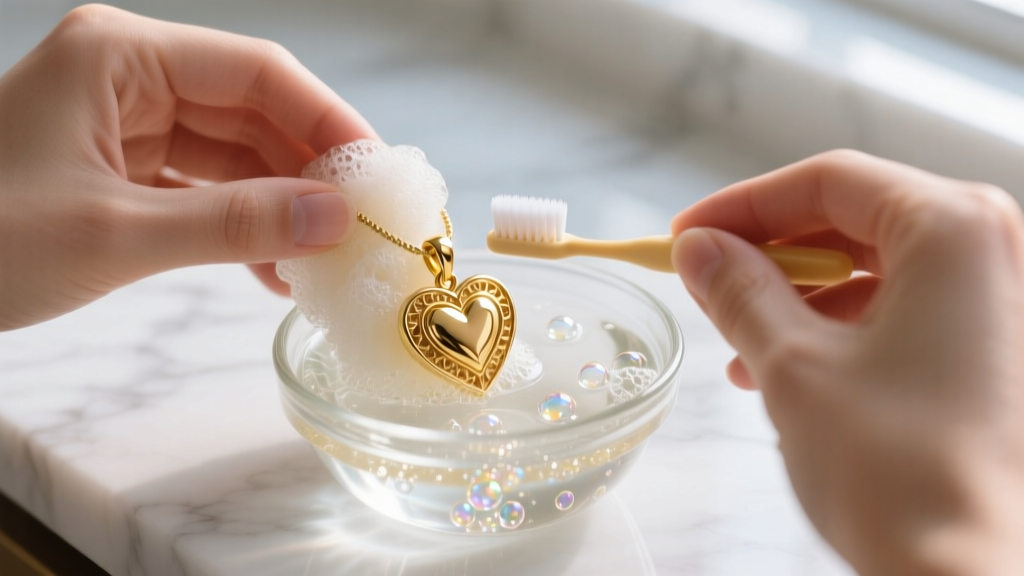
For solid gold and platinum two heart necklaces, simplicity is key. Add three drops of a mild, phosphate-free dish soap (like Dawn) to a glass bowl of lukewarm water. Let the necklace soak for exactly 15 minutes. This loosens sebum and cosmetic buildup without risking thermal shock to any gemstone accents. Rinse thoroughly under distilled water to prevent hard water spots, and pat dry with a lint-free microfiber cloth.
Method 2: The Ion-Exchange Silver Bath (For Sterling Silver)
If your sterling silver necklace has heavy tarnish in the crevices, avoid abrasive pastes. Instead, use an electrochemical reaction. Line a glass bowl with aluminum foil, shiny side up. Place the necklace on the foil. Add one tablespoon of baking soda and one tablespoon of kosher salt. Pour boiling water over the mixture. You will see bubbles and smell a faint sulfur odor as the silver sulfide is converted back into pure silver, transferring the tarnish to the aluminum foil. Remove after 3 minutes, rinse with distilled water, and dry immediately.
Method 3: The Microfiber Polish (For Gold Vermeil)
According to FTC guidelines on precious metals, gold vermeil must feature a sterling silver base plated with at least 2.5 microns of gold. Because the base is silver, it can tarnish, but you cannot use silver polishing cloths, as the mild abrasives will strip the gold plating. Clean vermeil strictly with a damp microfiber cloth and a drop of mild soap, drying it immediately to prevent moisture from penetrating microscopic pores in the plating.
Deep Cleaning the Crevices: Tools and Techniques
The gap between the two hearts requires mechanical agitation that a simple soak cannot provide. Use an ultra-soft baby toothbrush (labeled 'extra soft' or 'micro-soft') to gently flick debris out of the crevices. Brush in a circular motion, paying special attention to the underside of the pendant where it rests against the skin.
Warning: Never use wooden toothpicks or metal sewing needles to dig out trapped dirt. Wood can leave microscopic splinters that scratch polished gold, and metal tools will permanently mar the surface, leaving dull, gray streaks that require professional re-polishing to fix.
Troubleshooting Common Two Heart Necklace Issues
Even with meticulous care, mechanical and chemical issues can arise. Here is how to troubleshoot the most common problems specific to dual-pendant designs.
- The 'Green Skin' Reaction: If your skin turns green beneath the pendant, it is not an allergy. It is a chemical reaction between the copper alloy in 14k gold or sterling silver and the acidic pH of your sweat. Wipe the back of the pendant daily with a microfiber cloth to remove sweat, or coat the back of the hearts with a thin layer of clear, hypoallergenic nail polish to create a barrier.
- Stuck Lobster Clasps: If the clasp on your chain becomes stiff, do not force it with pliers. Apply a microscopic drop of sewing machine oil to the tiny spring mechanism inside the clasp using a toothpick. Pump the lever a few times to distribute the oil, then wipe away any excess.
- Ultrasonic Cleaner Dangers: While ultrasonic cleaners are excellent for solid diamond rings, they are highly dangerous for two heart necklaces. The high-frequency vibrations can easily fracture the micro-solder joints connecting the two hearts or shake loose any micro-pave gemstones set into the design. Stick to manual soaking and brushing.
When to See a Professional Jeweler
While daily maintenance and deep cleaning can be handled at home, structural integrity requires a professional eye. The Gemological Institute of America (GIA) recommends having sentimental jewelry pieces inspected annually. Take your two heart necklace to a bench jeweler once a year to have them check the jump ring connecting the pendant to the chain. Over time, the friction of the chain rubbing against the jump ring can wear through the metal, a process known as metal fatigue. A jeweler can easily reinforce or replace a worn 20-gauge jump ring before your beloved pendant is lost.
Conclusion
A two heart necklace is a tangible representation of an invisible bond. By understanding the specific material science of your pendant and adopting a gentle, targeted cleaning routine, you ensure that the metal remains as bright and enduring as the relationship it symbolizes. Avoid harsh chemicals, respect the delicate solder joints, and store your piece thoughtfully. With these expert care protocols, your necklace will remain a flawless heirloom ready to be passed down to the next generation.


