Mustache Necklace Value Assessment: Vintage vs Novelty
Discover the true value of a mustache necklace. We break down pricing, materials, and vintage markers to help you assess novelty vs. fine jewelry.

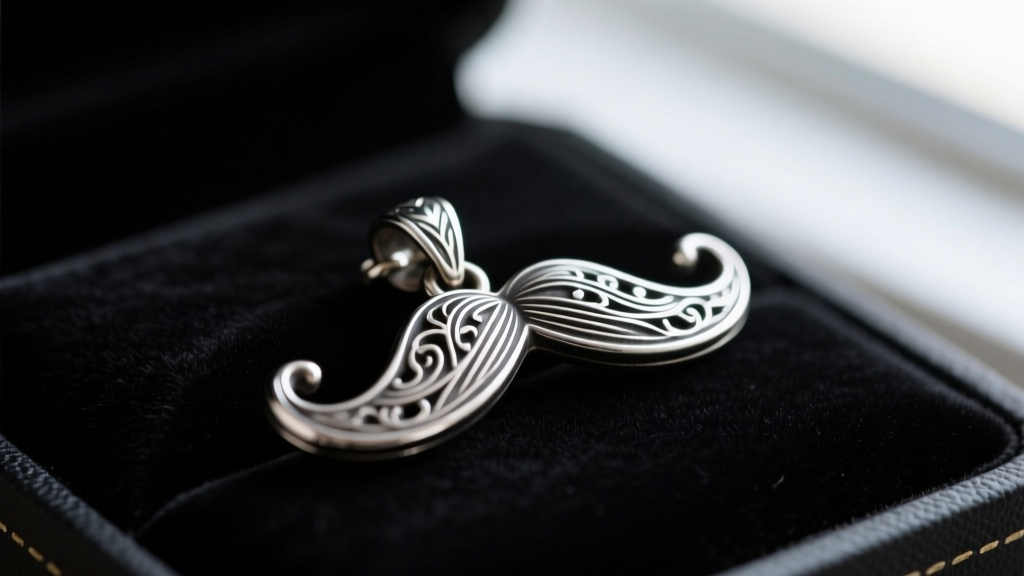
The mustache necklace has undergone a fascinating evolution. What began as a tongue-in-cheek novelty item during the peak 2010s hipster movement has matured into a highly curated niche within the quirky and vintage jewelry markets of 2026. Today, collectors and style enthusiasts are no longer just looking for a cheap laugh; they are seeking artisanal craftsmanship, historical novelty, and genuine metallurgical value. However, the secondary market is heavily saturated with mass-produced, low-grade alloy pieces that mimic high-end designs. If you are looking to buy, sell, or appraise a mustache necklace, understanding the stark contrast between genuine value and mass-produced novelty is critical. This comprehensive budget and value assessment will guide you through material grades, pricing tiers, and authentication techniques.
The Anatomy of a Mustache Necklace: Materials & Craft
The foundational value of any pendant necklace lies in its metallurgy. The mustache motif is uniquely susceptible to being cast in cheap base metals because its recognizable shape requires minimal gemstone enhancement to make a visual statement. To accurately assess a piece, you must first identify the casting material and the finishing technique.
Zamak and Zinc Alloys (The Novelty Tier)
The vast majority of mustache necklaces found in fast-fashion retailers and online marketplaces are die-cast from Zamak (a zinc alloy with aluminum, magnesium, and copper). These pieces are incredibly cheap to produce, often weighing less than 5 grams. They are typically plated with a micro-thin layer of silver or gold-colored paint that chips within weeks, exposing the dull gray base metal underneath. From a value assessment perspective, these pieces hold zero resale value and are purely disposable fashion accessories.
Brass and Bronze (The Artisan Mid-Tier)
Independent jewelers and steampunk artisans frequently use brass and bronze for mustache pendants. These materials allow for heavier, more substantial lost-wax castings. A solid brass mustache pendant will have a satisfying heft (usually 10 to 18 grams) and can develop a beautiful, intentional patina over time. While not considered "precious" metals, high-quality brass pieces from recognized indie makers hold moderate value based on the artist's brand rather than the raw material cost.
Sterling Silver 925 and Gold (The Fine Jewelry Tier)
When a mustache necklace is cast in solid 925 sterling silver or 14k/18k gold, it crosses the threshold from novelty to fine jewelry. According to the Gemological Institute of America (GIA), genuine sterling silver must contain exactly 92.5% pure silver, usually alloyed with copper for strength. High-end silver mustache pendants often feature intricate detailing, such as hand-engraved filigree, oxidized recesses for contrast, or even small diamond or sapphire accent stones embedded in the "curls" of the mustache. These pieces retain intrinsic melt value alongside their artistic premium.
Pricing Tiers: What Should You Actually Pay?
When evaluating a mustache necklace for purchase or resale, it is essential to benchmark the asking price against current market realities. The table below outlines the expected retail and secondary market pricing based on material composition and origin.
| Material Grade | Origin / Craft | Retail Price Range | Secondary Market Value | Durability & Tarnish |
|---|---|---|---|---|
| Zinc Alloy / Pot Metal | Mass-Produced Novelty | $8 - $25 | $0 - $5 | Poor; plating flakes, base metal corrodes |
| Solid Brass / Bronze | Indie Artisan / Steampunk | $35 - $85 | $15 - $40 | Good; develops natural patina, can be polished |
| 925 Sterling Silver | Commercial / Vintage | $90 - $250 | $60 - $150 | Excellent; tarnishes but easily restored |
| 14k / 18k Solid Gold | Custom / Fine Artisan | $400 - $1,200+ | Melt Value + 20% Premium | Superior; hypoallergenic, no tarnish |
Vintage vs. Mass-Produced: Spotting the Difference
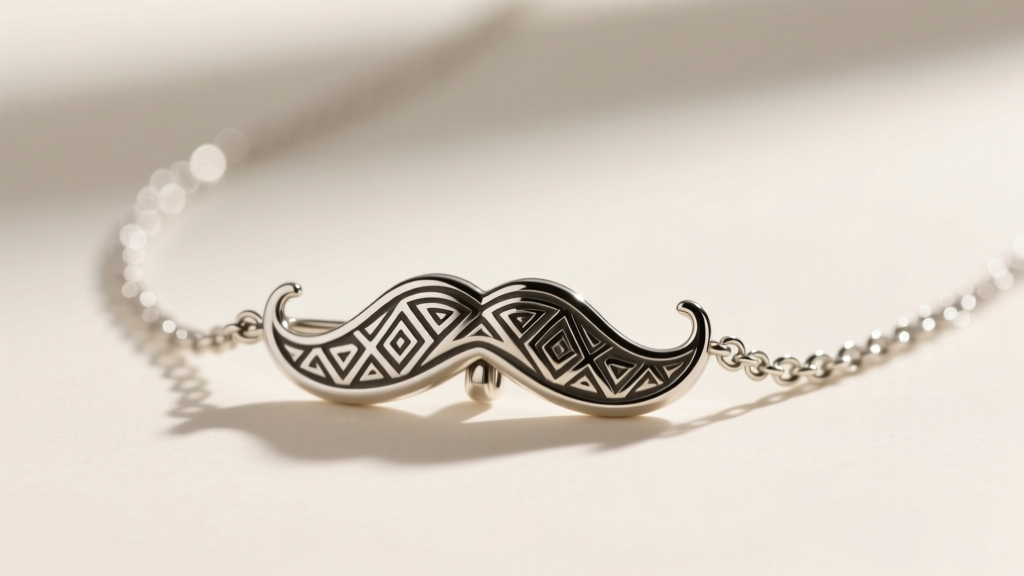
As the 2026 vintage revival market continues to surge, sellers frequently misrepresent modern, mass-produced alloy pendants as "antique" or "vintage" novelty pieces. True vintage mustache jewelry—often originating from the Victorian era's fascination with facial hair grooming, or mid-century fraternal order pins converted into pendants—commands a significant premium. Here is how to authenticate a piece and protect your budget.
Key Markers of Authentic Vintage
- The Smell Test: Rub the pendant vigorously between your fingers. If it leaves a sharp, metallic, "penny-like" odor on your skin, it is likely a copper-heavy base metal or brass. Genuine sterling silver and gold are largely odorless.
- Weight and Temperature: Precious metals and solid brass have high thermal conductivity and density. A real silver or brass piece will feel noticeably cold to the touch and heavy for its size. Zamak alloys feel lightweight and warm up to body temperature almost instantly.
- Maker's Marks and Hallmarks: Use a jeweler's loupe (10x magnification) to inspect the bail (the loop connecting the pendant to the chain). Authentic vintage and fine pieces will feature stamped hallmarks. As noted in the Lang Antiques hallmark database, a simple "925" stamp can be easily faked on modern imports; look for accompanying maker's marks, assay office symbols, or date letters to verify true vintage provenance.
- Wear Patterns: Genuine vintage pieces exhibit natural, asymmetric wear. The highest points of the mustache curls will show soft, polished rubbing, while the deep crevices will hold decades of accumulated, hardened polish or natural oxidation. Artificially applied "antique" blackening often looks uniformly painted and will rub off easily with a cotton swab dipped in rubbing alcohol.
Chain Quality: The Hidden Cost Factor
A common trap in the novelty jewelry market is the "bait-and-switch" chain. A seller might offer a legitimate 925 sterling silver mustache pendant, but pair it with a cheap, silver-plated brass cable chain to keep the overall bundle price under $50. When assessing the total value of the necklace, the chain must be evaluated independently.
High-value chains will feature a stamped clasp (e.g., "925" or "14k") and solid soldered jump rings. Inspect the links closely. Mass-produced novelty chains often feature hollow, unsoldered links that easily pull apart under the weight of a solid metal pendant. For a heavy brass or silver mustache pendant, you need a chain with a minimum wire gauge of 1.5mm to 2.0mm. A standard 1.0mm cable chain will eventually snap at the clasp loop due to metal fatigue. Furthermore, lobster clasps are vastly superior to spring-ring clasps for securing heavy, novelty-shaped pendants that tend to swing and catch on clothing.
The 2026 Market Shift: From Novelty to Curated Quirk
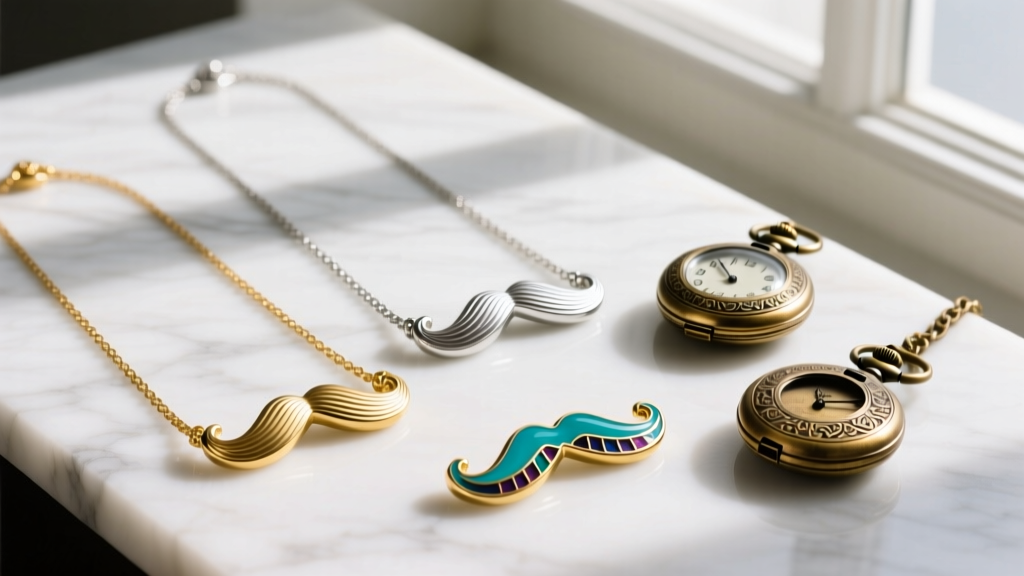
Why are collectors paying upwards of $300 for specific mustache necklaces today? The market has shifted away from the "ironic" humor of the 2010s toward a genuine appreciation for historical eccentricity and bespoke craftsmanship. In 2026, the "curated quirk" aesthetic dominates high-end vintage styling. Buyers are actively seeking pieces that tell a story—such as a 1920s barbershop guild pin converted into a pendant, or a modern lost-wax casting by a recognized artisan jeweler who specializes in anatomical and historical motifs.
"When appraising novelty-themed jewelry, the motif itself does not dictate the value; the execution does. A masterfully cast sterling silver mustache with hand-chased detailing holds its value exactly like any traditional floral or geometric pendant. The novelty is merely the canvas." — Adapted from the Federal Trade Commission (FTC) Jewelry Guides on metal valuation and stamping.
Final Verdict: Is a Mustache Necklace a Good Investment?
If your goal is pure financial investment, a mustache necklace is generally a poor choice compared to traditional, high-demand jewelry motifs, simply because the buyer pool for quirky novelty pieces is much narrower. You will likely face a steeper discount when reselling, even for solid gold pieces, as you must wait for the right eccentric buyer.
However, if your goal is style value and acquiring a durable, high-quality statement piece that won't degrade, the budget assessment is clear: bypass the $20 zinc-alloy novelty bins entirely. Allocate a budget of $80 to $150 for a solid 925 sterling silver piece from a reputable vintage dealer or independent metalsmith, paired with a heavy-gauge rolo or curb chain. By focusing strictly on material integrity, proper hallmarks, and structural durability, you ensure that your mustache necklace remains a cherished, wearable conversation piece rather than a disposable trend that ends up in a landfill.


