How to Choose the Perfect Cross Necklace Pearl: A Buyer's Guide
Discover how to evaluate pearl grades, metal settings, and chain gauges when shopping for a cross necklace pearl. Expert tips for lasting quality.

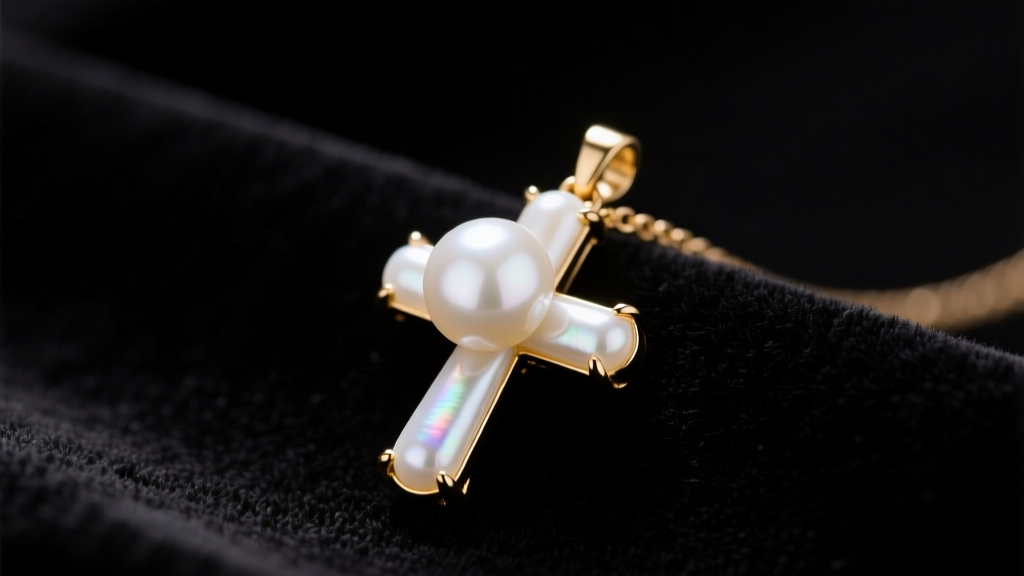
The intersection of devotional symbolism and organic gemology makes the cross necklace pearl a perennial staple in fine jewelry. However, the market is saturated with mass-produced pieces that prioritize aesthetics over structural integrity, leading to lost gems and tarnished metals. As we navigate the 2026 jewelry market, understanding the nuanced differences in pearl varietals, setting mechanics, and chain gauges is critical for making an investment-grade purchase. This comprehensive buying guide strips away the marketing fluff to provide actionable, gemological insights for selecting a pearl cross pendant that will endure for generations.
Decoding Pearl Varietals for Cross Pendants
Not all pearls are created equal, and the varietal you choose dictates the pendant's luster, color palette, and price point. When evaluating a cross necklace pearl, you will primarily encounter four distinct types:
- Akoya Pearls (6mm–9mm): Cultivated in saltwater, Akoya pearls are the gold standard for classic white cross pendants. They possess a sharp, mirror-like luster due to their highly crystalline nacre structure. They are ideal for traditional, delicate designs.
- Freshwater Pearls (7mm–12mm): Grown in mussels, these offer a softer, satiny luster and a vast array of natural pastel colors. While historically irregular, modern Edison freshwater pearls now rival saltwater varieties in roundness and size, offering exceptional value.
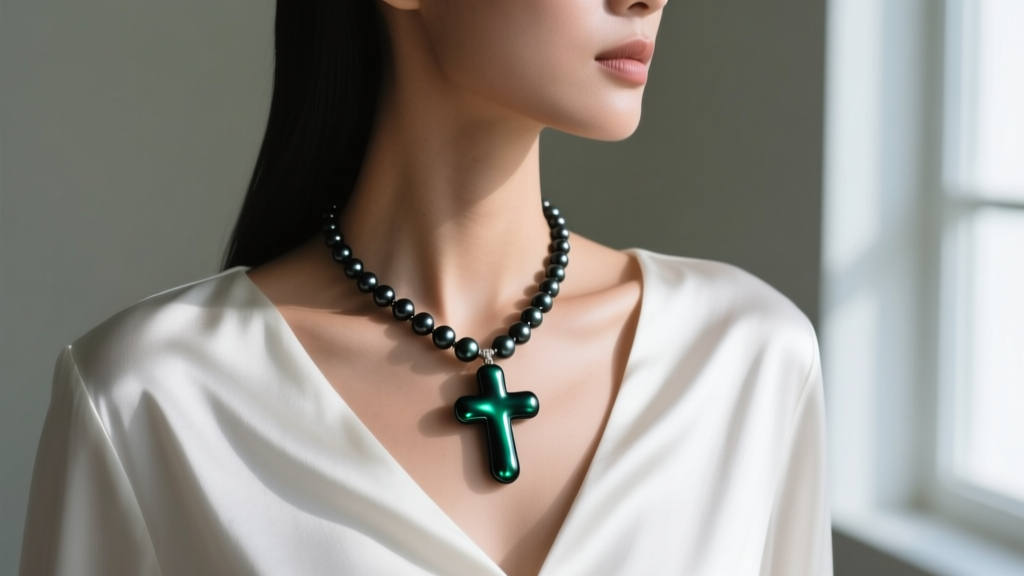
- Tahitian Pearls (8mm–14mm): Known for their dark, moody body colors and striking peacock or aubergine overtones, Tahitian pearls create a bold, contemporary cross necklace pearl. They are highly sought after for alternative or gothic-elegant aesthetics.
- South Sea Pearls (10mm–20mm): The largest and rarest of the group, South Sea pearls (both white and golden) feature a luxurious, satiny luster. Due to their massive size, they are typically reserved for heavy, statement-making cross pendants set in premium metals.
Evaluating Quality: The GIA Grading Factors
Unlike diamonds, pearls do not have a universally standardized grading system, but the Gemological Institute of America (GIA) outlines seven critical value factors. When inspecting a pearl cross, prioritize these three:
1. Luster and Nacre Thickness
Luster is the soul of a pearl. High-quality Akoya pearls should reflect light so sharply that you can see the outline of a light source on their surface. Crucially, luster depends on nacre thickness. Avoid pearls with a dull, chalky appearance or visible banding, which indicates thin nacre over the shell bead nucleus. For Akoya pearls, demand a minimum nacre thickness of 0.4mm to ensure the pearl won't peel over time.
2. Surface Blemishes
Because pearls are organic, flawless surfaces are exceedingly rare. Look for pearls graded AAA or AA+, which allow for minor, microscopic blemishes that do not compromise the structural integrity or the drill hole. Avoid pearls with deep cracks or chips near the cross's setting prongs, as these will expand with humidity changes.
3. Matching (For Multi-Pearl Crosses)
If your cross necklace pearl design features multiple gems (such as a five-pearl crucifix), exact matching in size, shape, and overtone is paramount. A mismatched cross instantly looks cheap and indicates poor sorting by the manufacturer.
Setting Mechanics: Avoiding Catastrophic Failures
The most common failure mode in pearl jewelry is the detachment of the gem from the metal. Many commercial jewelers use fully drilled pearls strung on a wire or rely solely on industrial glues. As a savvy buyer, you must scrutinize how the pearl is mounted to the cross.
Expert Warning: Never purchase a pearl cross where the gems are attached exclusively with cyanoacrylate (super glue). This adhesive becomes brittle over time and shatters upon minor impact. Furthermore, pearls expand and contract with ambient humidity, which breaks rigid glue bonds.
Instead, look for half-drilled pearls mounted on metal pegs. In this superior setting, a jeweler drills a partial hole into the pearl and secures it to a metal post using a two-part jeweler's epoxy resin. Epoxy retains a slight flexibility that accommodates the pearl's organic movement. For multi-pearl crosses, ensure the metal framework features subtle prongs or bezels that cradle the pearls, providing mechanical support in addition to the adhesive.
Chain Selection: Gauge, Length, and Clasp Dynamics
A heavy South Sea or Tahitian pearl cross will easily snap a delicate, mass-market chain. Pairing the correct chain gauge with the pendant's weight is non-negotiable. Below is a structural pairing matrix to guide your purchase:
| Pearl Cross Weight / Type | Recommended Chain Style | Minimum Gauge (Thickness) | Required Clasp Type |
|---|---|---|---|
| Lightweight (Akoya/Freshwater) | Cable or Wheat Chain | 0.8mm – 1.0mm | Spring Ring or Small Lobster |
| Medium (Multi-Pearl Akoya) | Box or Rope Chain | 1.0mm – 1.2mm | Standard Lobster Claw |
| Heavy (Tahitian/South Sea) | Solid Box or Figaro | 1.2mm – 1.5mm | Heavy-Duty Lobster or Parrot |
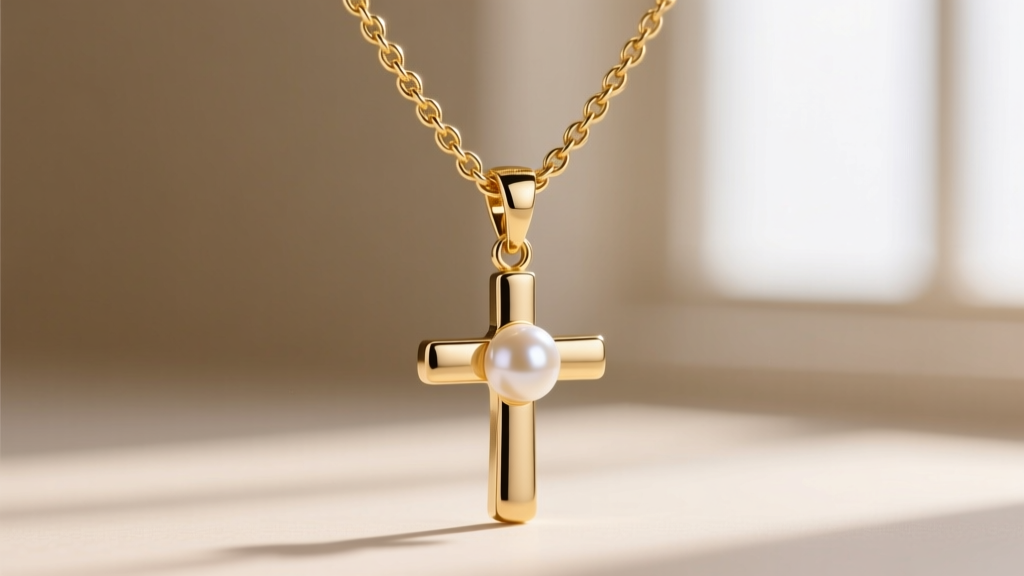
Always check the pendant's bail (the loop that connects the cross to the chain). A 1.2mm box chain requires a bail with an internal diameter of at least 2.5mm to slide freely without causing friction wear on the metal.
Price Expectations and Market Realities
Understanding current market pricing protects you from synthetic scams and overpriced retail markups. While prices fluctuate based on metal weight and gem rarity, here are the baseline expectations for authentic, fine-jewelry grade pieces:
- $50 – $150: Freshwater pearls set in sterling silver. Expect commercial-grade luster and glue-based settings. Good for fashion, but not heirloom quality.
- $300 – $850: AAA-grade Akoya pearls set in 14k solid gold. This is the sweet spot for devotional jewelry, offering brilliant luster, peg-and-epoxy settings, and lasting metal value.
- $600 – $1,500: Tahitian or premium Edison pearls in 18k gold. You are paying for rare color overtones and heavier gold gram weights.
- $1,800 – $4,500+: South Sea pearls set in 18k gold or platinum. These are investment-grade, statement pieces requiring custom, heavy-duty bails and chains.
Longevity and Care Protocols
Pearls rank at a mere 2.5 to 4.5 on the Mohs hardness scale, making them highly susceptible to scratching and chemical erosion. To preserve your cross necklace pearl, adopt the GIA's recommended care protocols. Always follow the "last on, first off" rule: put your pearl cross on after applying perfumes, hairsprays, and cosmetics, and remove it before showering. Never clean pearls in an ultrasonic cleaner or with steam; the high-frequency vibrations will shatter the nacre, and the heat will melt the epoxy holding the pearls to the cross. Instead, wipe the pearls gently with a damp, lint-free microfiber cloth after each wear to remove acidic skin oils, and store the necklace flat in a soft pouch to prevent the chain from scratching the pearl's delicate surface.


