2026 Trend Guide: Styling the Lariat Diamond Necklace
Discover 2026 styling trends for the lariat diamond necklace. Expert insights on diamond grades, sliding mechanisms, and neckline pairings.

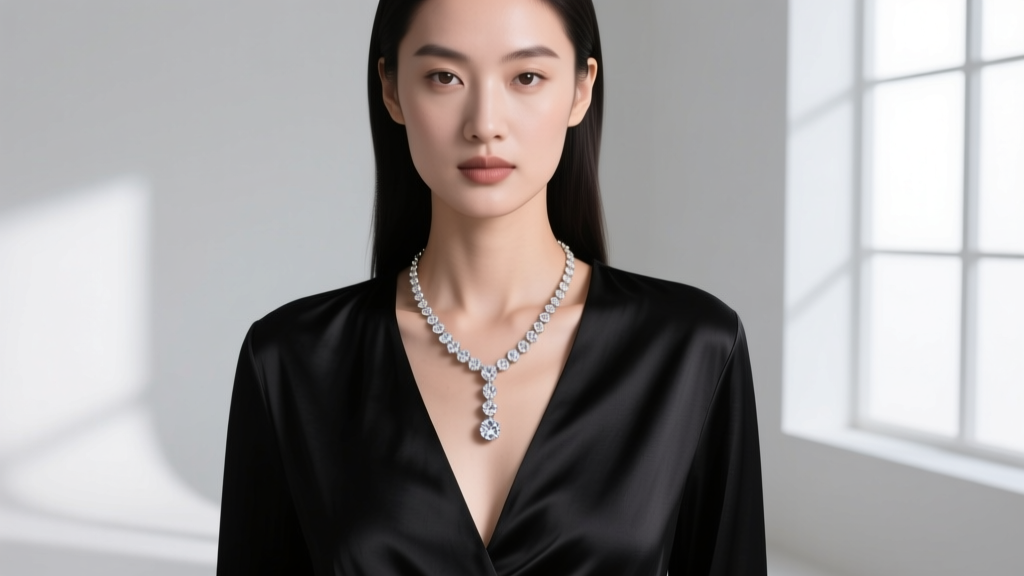
The Evolution of the Y-Chain: 2026 Perspectives
The lariat diamond necklace has definitively shed its early-2000s bohemian stereotypes, emerging in 2026 as a masterclass in kinetic jewelry design. Unlike traditional pendants that sit statically against the collarbone, the lariat relies on movement, asymmetry, and negative space to draw the eye. This year, the market has shifted heavily toward modular designs and precision-engineered sliding mechanisms, elevating the lariat from a trendy accessory to a fine jewelry staple. According to industry analysts at JCK Online, consumer demand for convertible fine jewelry has surged by 34% over the last eighteen months, with the lariat silhouette leading the charge due to its inherent versatility.
However, not all lariats are created equal. The structural integrity of the chain, the quality of the melee diamonds, and the mechanics of the sliding clasp dictate whether a piece will become a lifelong heirloom or a frustrating liability. This guide deconstructs the anatomy, grading, and styling frameworks of the modern lariat diamond necklace.
Anatomy and Metallurgy: Chain Gauges and Durability
The most common failure mode in lower-tier lariats is chain kinking and eventual snapping at the slide point. Because the sliding mechanism creates continuous friction, the chain's profile and gauge are critical.
Box Chains vs. Snake Chains
While snake chains offer a fluid, liquid-like drape, they are notoriously prone to kinking when bent at sharp angles through a sliding O-ring. For a lariat diamond necklace intended for daily wear, a box chain between 0.9mm and 1.2mm is the optimal choice. The geometric links of a box chain resist crushing and provide a flat surface that glides smoothly through metal tension slides. Cable chains (usually 0.8mm or thinner) should be avoided for the drop section, as the uneven links can catch inside the slide, causing micro-abrasions to the gold over time.
Metal Alloys: 14k vs. 18k Gold
For the sliding component, 14k gold offers superior tensile strength and scratch resistance compared to 18k gold. However, 18k gold provides a richer color and is hypoallergenic. Many top-tier jewelers in 2026 are solving this by utilizing 18k gold for the chain and drop, while engineering the internal sleeve of the slide from hardened platinum or titanium to prevent warping.
The Sliding Mechanism: Silicone vs. Metal O-Rings
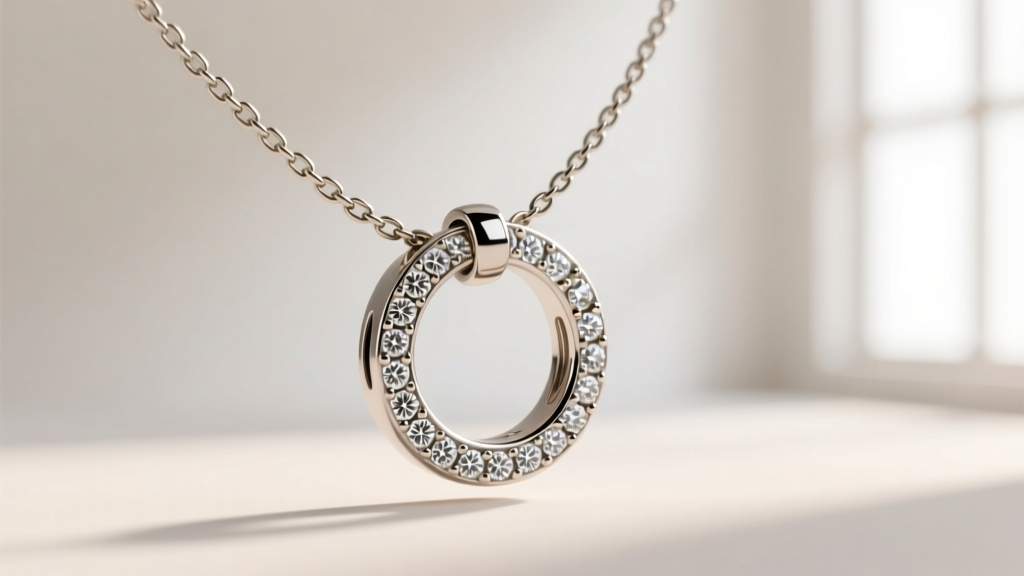
The slide is the engine of the lariat diamond necklace. It must grip the chain tightly enough to hold the drop in place, yet loosely enough to allow the wearer to adjust the length with a gentle tug.
- Silicone Inserts: Pioneered by brands like Messika, silicone O-rings inside the diamond-encrusted slide provide excellent grip and a smooth, satisfying adjustment. However, silicone degrades. Exposure to lotions, perfumes, and natural skin oils will cause the silicone to dry out, crack, and lose its tension within 2 to 4 years of daily wear. They are easily replaceable by a jeweler, but require maintenance.
- Metal Tension Clasps: High-end designers like Anita Ko often use precision-milled metal-on-metal tension sleeves. These rely on exact microscopic tolerances rather than friction materials. While they never degrade like silicone, they require meticulous polishing; if diamond dust or debris enters the metal sleeve, it can act like sandpaper and fray the gold chain.
2026 Trend Analysis: Asymmetry and Modular Drops
The symmetrical, perfectly centered Y-necklace is giving way to intentional asymmetry. The 2026 trend landscape favors off-center slides, where the lariat drop emerges from the left or right quadrant of the collarbone rather than the sternum. This creates a dynamic, editorial look that pairs exceptionally well with modern tailoring.
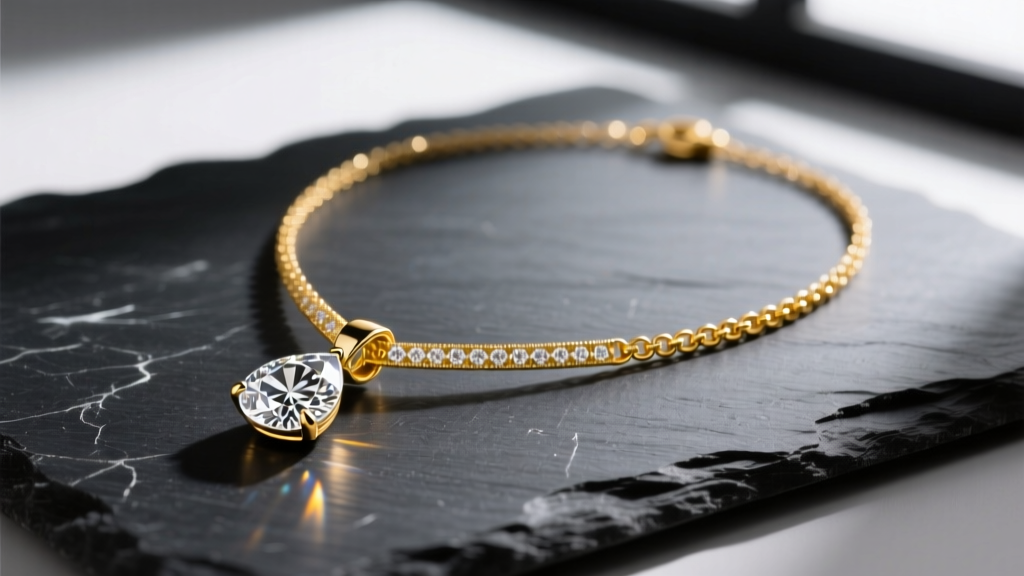
Furthermore, modular drops are dominating the luxury sector. Buyers are investing in a single, high-quality diamond-encrusted slide on a 16-inch base chain, accompanied by interchangeable drops: a simple diamond bezel for the office, a detachable pear-shaped diamond for evening wear, and a mixed-gemstone tassel for weekend styling. This approach aligns with the National Jeweler reports on sustainable luxury consumption, where buyers prioritize versatile, multi-functional pieces over single-use garments.
Diamond Quality and Pricing Matrix
When evaluating a lariat diamond necklace, the distribution of carat weight matters immensely. A piece with a heavy center solitaire drop and a delicate melee chain will drape differently than a piece with uniform pavé diamonds throughout. According to the Gemological Institute of America (GIA), melee diamonds (those under 0.15 carats) are rarely graded with full certificates, making the visual assessment of color and clarity vital.
| CTW Range | Diamond Origin | Metal | Price Range (USD) | Best Application |
|---|---|---|---|---|
| 0.25 - 0.50 | Lab-Grown | 14k Gold | $800 - $1,500 | Everyday Layering |
| 0.50 - 1.00 | Natural | 18k Gold | $3,500 - $6,000 | Signature Office Piece |
| 1.50 - 3.00+ | Natural (VVS) | Platinum | $12,000 - $25,000+ | Red Carpet / Bridal |
Melee vs. Solitaire Drops: Where to Invest
If your budget is constrained, prioritize the quality of the solitaire drop over the chain melee. The drop acts as the focal point and catches the most light. Opt for a drop with a minimum of G-H color and VS2 clarity. The melee diamonds on the chain can safely drop to I-J color and SI1 clarity, as their small size and constant movement make inclusions and slight warmth virtually invisible to the naked eye.
Neckline Pairing Framework
Styling a lariat requires mapping the base chain length and the drop length to the geometry of your garment. Here is the definitive 2026 framework:
- Deep V-Necks & Plunging Silhouettes: Use a 16-inch or 18-inch base chain with a 2.5-inch to 3-inch drop. The lariat should terminate roughly one inch above the apex of the V-neck to elongate the torso without competing with the garment's seam.
- Off-the-Shoulder & Boat Necks: Opt for a shorter 14-inch choker-length base with a long, dramatic 4-inch drop. This creates a striking vertical line that breaks up the horizontal expanse of exposed collarbone.
- Turtlenecks & Heavy Knits: Avoid delicate chains, which will tangle in wool and cashmere. Choose a 20-inch base chain with a heavier, wider slide (at least 4mm) and a diamond drop exceeding 1.00 CTW to ensure the piece commands attention against thick fabrics.
Maintenance and Failure Modes to Avoid
To preserve the mechanics of your lariat diamond necklace, avoid ultrasonic cleaners if your piece utilizes a silicone-insert slide. The high-frequency vibrations and heated chemical baths will rapidly accelerate the degradation of the silicone, causing the slide to become loose and the drop to slip constantly.
"The lariat is a kinetic sculpture. Treat the slide not just as a clasp, but as a moving engine part that requires gentle, manual cleaning with a soft brush and mild surfactant." — Master Jeweler Bench Notes, 2025.
Additionally, always adjust the slide by pinching the metal O-ring itself while pulling the chain, rather than yanking the chain from the bottom. Pulling from the diamond drop puts lateral stress on the chain links right at the exit point of the slide, leading to premature metal fatigue.
Final Styling Verdict
The lariat diamond necklace remains one of the most flattering and dynamic silhouettes in fine jewelry. By prioritizing robust box chains, understanding the maintenance requirements of your specific sliding mechanism, and leveraging the 2026 trends of asymmetry and modular drops, you can secure a piece that offers unparalleled versatility. Whether layered with delicate chokers or worn solo against a silk blouse, the modern lariat is an investment in movement, light, and personal expression.


