Mini Duck Call Necklace Value Guide: Pricing & Materials
Assess the true value of a mini duck call necklace. We break down pricing tiers, material grades, chain quality, and acoustic functionality.


The Rise of Waterfowl Jewelry and Novelty Pendants
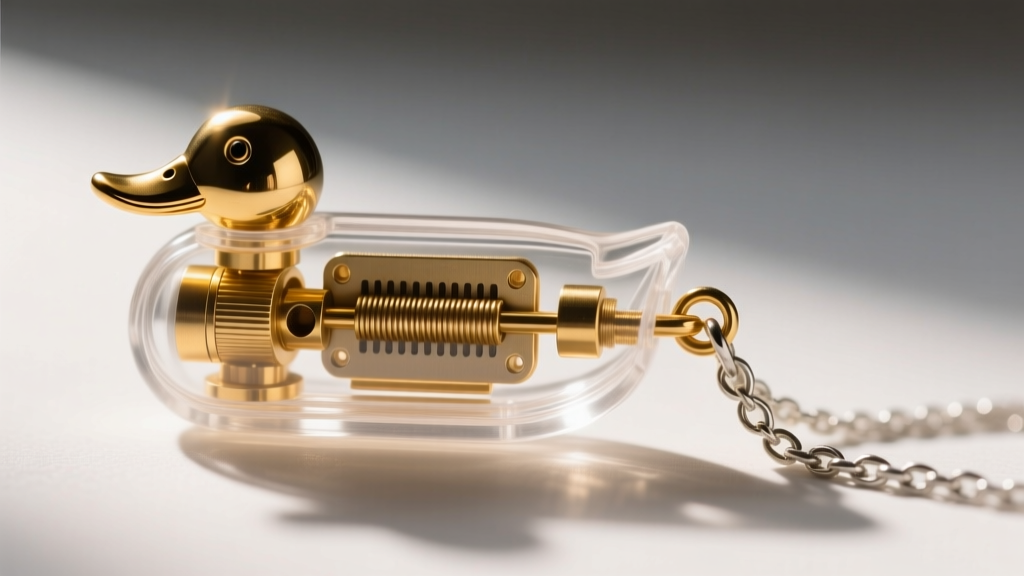
For waterfowl hunters and outdoor enthusiasts, jewelry is rarely about flash; it is about identity, tradition, and a nod to the marsh. The mini duck call necklace has emerged as one of the most popular niche pendants in the outdoor community. However, as demand has grown, the market has been flooded with everything from high-quality, lathe-turned functional replicas to cheap, mass-produced plastic trinkets. Assessing the true budget and value of these pendants requires looking past the novelty and evaluating the metallurgy, turning craftsmanship, and hardware. In this comprehensive value assessment, we break down exactly what you are paying for and how to identify a miniature call that is worth your hard-earned money.
Material Grades: Acrylic, Wood, and Metal Inserts
The core value of any miniature duck call pendant lies in its body material. Artisans and manufacturers typically use three primary materials, each with distinct cost profiles and durability metrics.
Cast Acrylic vs. Polycarbonate
High-end miniature calls are turned from cast acrylic (often branded as Acrylester or similar premium blanks). Cast acrylic is dense, machines beautifully on a lathe, and can be polished to a glass-like finish using micro-mesh pads up to 12,000 grit. It is highly resistant to moisture, making it ideal for hunters who might wear the necklace in damp environments. Conversely, budget options often use injection-molded polycarbonate or standard acrylics. While polycarbonate is shatter-resistant, it lacks the optical clarity and premium weight of cast acrylic, and the mold lines are often visible, immediately devaluing the piece.
Exotic and Domestic Woods
Wooden mini calls offer a traditional aesthetic but require careful stabilization. Premium pendants utilize Cocobolo or Bocote—dense, naturally oily exotic woods that resist water absorption and warping. Budget wooden calls often use unstabilized Walnut or Maple. If a wooden mini call is not properly stabilized with resin under a vacuum chamber before turning, it will eventually crack when exposed to the sweat and humidity of the duck blind. According to gear reviewers at Field & Stream, the longevity of wooden hunting accessories is entirely dependent on this stabilization process.
Hardware and Inserts
The joint where the insert meets the barrel is a critical failure point. High-value necklaces use precision-machined German Silver or Brass bands, friction-fitted to ensure the pendant does not rattle or separate. Cheap versions rely on basic aluminum or even plastic threading, which strips easily.
Price Tier Analysis: Where Does Your Budget Fit?
To accurately assess value, we must categorize the market into three distinct pricing tiers. This table outlines what you can expect at each budget level.
| Tier | Price Range | Materials & Craftsmanship | Acoustic Functionality | Value Verdict |
|---|---|---|---|---|
| Tier 1: Mass-Produced | $15 - $35 | Injection-molded plastic, aluminum bands, basic ball chain. | Non-functional. Purely decorative. | Poor. Prone to breaking and skin irritation from cheap chains. |
| Tier 2: Small-Batch | $45 - $95 | Cast acrylic or stabilized wood, brass inserts, friction-fit joints. | Functional. Produces a faint, high-pitched quack. | Good. Best balance of price, durability, and novelty. |
| Tier 3: Artisan Custom | $120 - $250+ | Exotic burl woods, precious metal inlays (silver/gold), hand-tuned reeds. | Highly functional. Tuned to exact pitch specifications. | Excellent. A true heirloom piece for serious waterfowlers. |
The Hidden Cost: Evaluating the Necklace Chain
A common trap in the novelty jewelry market is the "bait-and-switch" chain. A manufacturer might spend hours turning a beautiful Cocobolo mini duck call pendant, only to string it on a hollow, zinc-alloy ball chain that costs them twelve cents. These cheap chains oxidize rapidly, turning the wearer's neck green and snapping under minimal tension.
When assessing the value of a mini duck call necklace, scrutinize the chain specifications. A high-value piece will feature a 316L Marine-Grade Stainless Steel or Sterling Silver (925) wheat, rope, or box chain. These chains should feature secure lobster clasps rather than cheap spring rings, and the jump rings connecting the chain to the pendant's bail should be soldered shut. If a listing does not explicitly state the chain's metallurgy, assume it is base metal and factor in an additional $25 to $40 to replace it with a quality chain yourself.
Acoustic Reality Check: Can It Actually Quack?
The ultimate question for any hunter buying this jewelry is whether the miniature call actually works. The physics of sound generation in a duck call rely on the vibration of a reed against a tone board, driven by air pressure from the lungs. Scaling this down to a pendant measuring roughly 1.5 inches in length presents severe acoustic challenges.
In Tier 2 and Tier 3 mini calls, artisans use 0.004-inch phosphor bronze or brass reeds paired with ultra-short, high-density polycarbonate tone boards. While you will never call in a distant flock of mallards with a necklace pendant, a well-tuned mini call will produce a recognizable, albeit quiet, quack. Organizations like Ducks Unlimited frequently highlight the deep cultural connection hunters have with their gear, noting that the ability to blow a few soft notes on a custom call pendant around the campfire is a significant part of the item's sentimental value. If acoustic functionality is important to you, avoid any pendant that lacks a visible exhaust port or uses a solid, un-tunable plastic wedge in place of a real reed.

The JewelStyleRadar Buying Framework
To ensure you are getting genuine value and not just a cheap souvenir, run any prospective mini duck call necklace through this three-point checklist before purchasing:
- The Friction Test: Does the insert pull out smoothly but securely? If it screws together with plastic threads, walk away. If it uses a precision O-ring or a tight metal-on-metal friction fit, it is built to last.
- The Reed Inspection: Look closely at the insert. You should see a distinct tone board and a separate, ultra-thin reed secured by a ligature or wedge. If the "reed" is just a molded groove in a single piece of plastic, it is a Tier 1 novelty item and should not cost more than $20.
- The Bail and Chain Check: How does the pendant attach to the chain? High-end calls use a threaded metal bail or a seamlessly integrated silver loop. Avoid pendants where a hole is simply drilled through the top of the acrylic barrel, as this creates a stress point that will eventually snap the call in half.
Final Verdict
The mini duck call necklace is a fantastic celebration of waterfowl heritage, but its value is entirely dependent on the craftsmanship of the turner and the quality of the hardware. By avoiding injection-molded novelties and investing in the $50 to $100 range for small-batch, stabilized wood or cast acrylic pieces with stainless steel chains, you secure a durable, functional, and deeply meaningful piece of hunting jewelry that will last a lifetime in the blind and out.


