The Candy Necklace Lana Del Rey Wore: A Style & Sourcing Deep Dive
Explore the technical details, sourcing, and styling of the iconic candy necklace Lana Del Rey made famous. Learn about glass beads, stringing, and care.

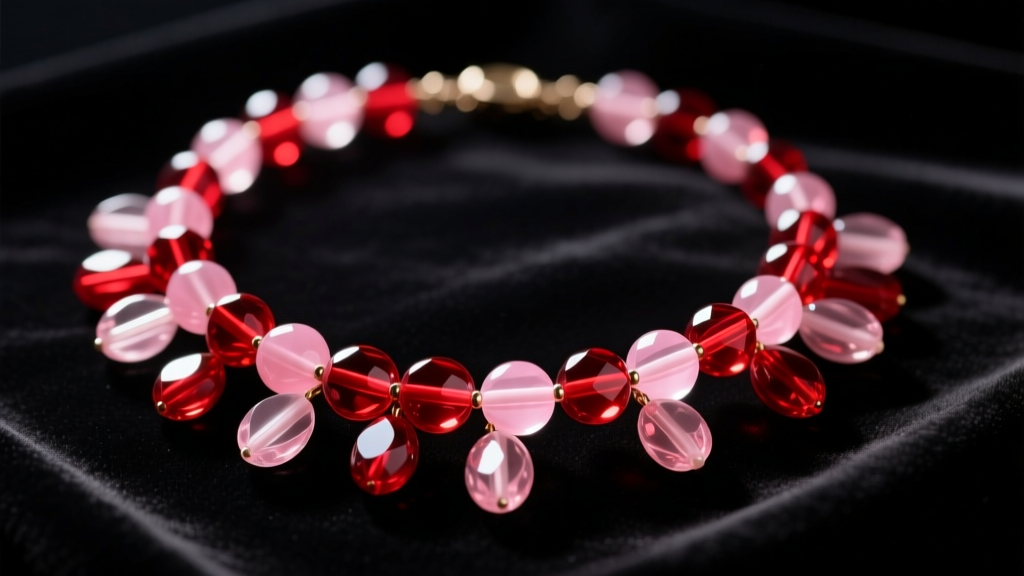
When Lana Del Rey released "Candy Necklace" featuring Jon Batiste on her critically acclaimed album Did you know that there's a tunnel under Ocean Blvd, she didn't just deliver a haunting ballad; she cemented a specific, nostalgic aesthetic into the contemporary jewelry zeitgeist. The "candy necklace lana del rey" phenomenon represents a collision of childhood innocence and melancholic Hollywood glamour. But translating this whimsical concept into a wearable, durable piece of jewelry requires a deep understanding of material science, stringing mechanics, and aesthetic sourcing. As jewelry artisans and stylists, we cannot simply string actual sugar candy and call it a day. The reality of body heat, humidity, and structural integrity demands a more technical approach. In this expert deep dive, we deconstruct the candy necklace aesthetic, exploring how to source, engineer, and style pieces that capture that iconic Lana Del Rey essence without sacrificing longevity.
The Anatomy of the "Candy Necklace" Aesthetic
To replicate the vibe, we must first define its visual markers. The quintessential candy necklace is characterized by irregular, hand-poured shapes, high translucency, and a specific color palette rooted in mid-century Americana: cherry reds, bubblegum pinks, amber yellows, and root beer browns. The beads should not look perfectly machined. The charm lies in the slight asymmetries, the trapped air bubbles, and the way light refracts through the varying thicknesses of the material. This aesthetic taps into a broader trend of nostalgic revivalism, but when styled with Lana's signature vintage lace and heavy gold accents, it elevates from costume jewelry to high-fashion statement wear.
Material Breakdown: Real Sugar vs. Jewelry-Grade Faux
A common question from novice jewelry makers is whether they can use actual hard candy. The short answer is no, unless the piece is strictly for a controlled, climate-regulated editorial photoshoot. Hard candy is primarily a mixture of sucrose and corn syrup heated to the "hard crack" stage (approximately 300°F or 149°C). Sugar is highly hygroscopic, meaning it aggressively absorbs moisture from the environment. When worn against the skin, body heat and perspiration will cause the candy to weep, become tacky, and eventually dissolve, ruining both the garment and the structural integrity of the necklace. Furthermore, attempting to drill through hardened sugar with a flex shaft or Dremel tool generates localized friction heat, which either melts the borehole or causes catastrophic micro-fracturing, shattering the bead.
To achieve the authentic look for real-world wear, we must turn to advanced material alternatives. Below is a technical comparison of the best substitutes.
| Material | Durability | Weight | Best Use Case |
|---|---|---|---|
| Real Hard Candy | Very Low | Light | Short-term editorial photoshoots only |
| Polyurethane Resin | Medium | Medium | Custom molds, lightweight daily wear |
| Lampwork Glass | High | Heavy | Heirloom quality, authentic translucency |
| Vintage Lucite | High | Light | Sustainable sourcing, 1960s pop art look |
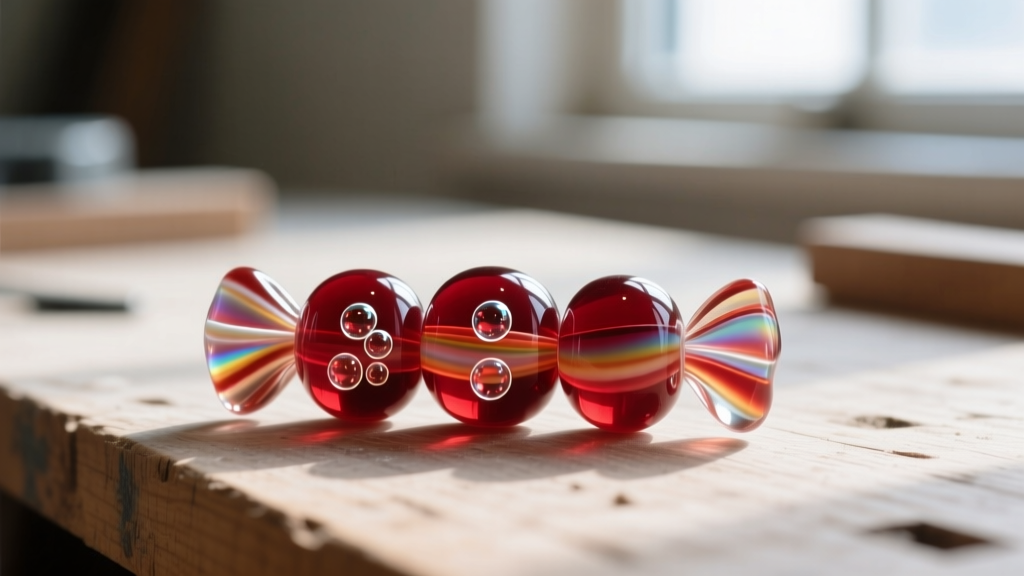
For the most authentic visual match, lampwork glass is the undisputed champion. Created by melting soda-lime glass rods at temperatures exceeding 1400°F, lampwork artists can manipulate the glass to include internal silver foil reflections, opalino effects, and intentional air inclusions that perfectly mimic the look of artisanal hard candy. According to the GIA Gem Encyclopedia, glass remains one of the most versatile and historically significant materials in decorative arts, capable of achieving optical properties that modern plastics simply cannot replicate.
Technical Stringing & Knotting for Heavy Beads
Because authentic-looking glass candy beads are significantly heavier than standard seed beads or acrylics, traditional stringing materials like silk thread or elastic cord will inevitably fail. The weight of the glass, combined with the sharp edges of the drilled holes, will saw through organic fibers over time.
For a professional-grade candy necklace, you must use a 49-strand micro-woven stainless steel wire with a nylon coating. A diameter of 0.024 inches (0.61 mm) provides the necessary tensile strength to support heavy glass beads while maintaining enough drape to sit elegantly on the collarbone. As detailed in Soft Flex Company's beading wire guide, the 49-strand construction ensures that the wire remains kink-resistant and supple, preventing the stiff, unnatural hoop effect that plagues cheaper 7-strand wires.
When finishing the ends, avoid standard crimp beads, which can slip under heavy loads. Instead, use 2x2mm sterling silver crimp tubes. Utilize a specialized crimping plier to fold the tube inward and round it out, creating a secure, bead-like finish that will not abrade the skin or catch on delicate lace fabrics. Always incorporate a 1.5-inch extender chain at the clasp; this allows the wearer to adjust the necklace from a tight 15-inch choker length to a looser 16.5-inch princess length, accommodating different necklines and layering configurations.
Sourcing the Perfect Glass and Resin Beads
Finding the right components requires looking beyond standard craft store aisles. To capture the exact moody, vintage aesthetic associated with Lana Del Rey's visual storytelling, seek out independent lampwork glass artists on specialized platforms or at glass art symposiums. Request custom colorways that lean slightly desaturated—think dried rose, oxidized cherry, and burnt caramel—rather than primary, neon-bright colors.
If you prefer the lightweight nature of resin, look for artisans who cast polyurethane resin in silicone molds taken directly from vintage 1960s hard candies. This technique preserves the exact surface texture, including the slight dimples and wrapper-twist ends of classic confections. For a sustainable and highly unique approach, scour estate sales and vintage dealers for deadstock 1960s lucite beads. Vintage lucite has a distinct, warm optical clarity and a satisfying, heavy clack that modern acrylics lack.

Styling the Lana Del Rey Candy Necklace for Modern Wear
The genius of the "candy necklace lana del rey" trend is its juxtaposition. It is inherently playful, yet when styled correctly, it feels deeply romantic and slightly subversive. To achieve this balance in 2026, avoid wearing the candy necklace in isolation. Layering is essential to ground the piece in contemporary fine jewelry styling.
Start with the candy necklace as your mid-length layer (around 18 inches). Above it, layer a delicate 14k or 18k gold paperclip chain (14-15 inches) featuring a single, small baroque pearl or a minimalist diamond solitaire pendant. Below it, add a heavier, oxidized silver chain with a vintage locket or a dark enamel cross. This mix of materials—glass, gold, silver, and pearl—creates a rich, textural narrative that feels curated rather than costumey.
In terms of necklines, the candy necklace shines against a sweetheart neckline or a vintage-inspired white lace blouse. The translucent red and pink beads catch the light beautifully against pale fabrics, echoing the melancholic, Americana-tinged visuals of Lana's recent eras. For evening wear, pair the necklace with an off-the-shoulder velvet top; the contrast between the hard, glossy glass beads and the soft, light-absorbing velvet is visually striking.
Care and Maintenance of Organic and Glass Jewelry
Even when crafted from durable lampwork glass or high-grade resin, a candy necklace requires specific care protocols to maintain its optical clarity and structural integrity. Never clean resin or glass beads in an ultrasonic jewelry cleaner. The high-frequency vibrations can cause internal fractures in glass, especially if the beads contain intentional air bubbles or silver foil inclusions.
Instead, prepare a mild solution of lukewarm water and phosphate-free dish soap. Use a soft, lint-free microfiber cloth to gently wipe down each bead, removing skin oils and environmental dust that can dull the surface over time. For resin beads, avoid any cleaners containing alcohol or ammonia, as these chemicals will degrade the resin's surface, causing it to cloud and become brittle. Always store the necklace laid flat in a lined jewelry box; hanging heavy glass bead necklaces for prolonged periods can stretch the nylon coating of the wire over time, leading to unwanted gaps between the beads.
By understanding the material science, stringing mechanics, and styling nuances behind the "candy necklace lana del rey" phenomenon, you can create and wear pieces that are not only visually captivating but engineered to last. This is the essence of true jewelry styling: merging evocative aesthetics with uncompromising technical execution.


