Spiritual Protection Necklace Guide: Gemology, Metals & Durability
Discover the gemological and metallurgical facts behind a spiritual protection necklace. Compare stone hardness, metal grades, and chain durability.

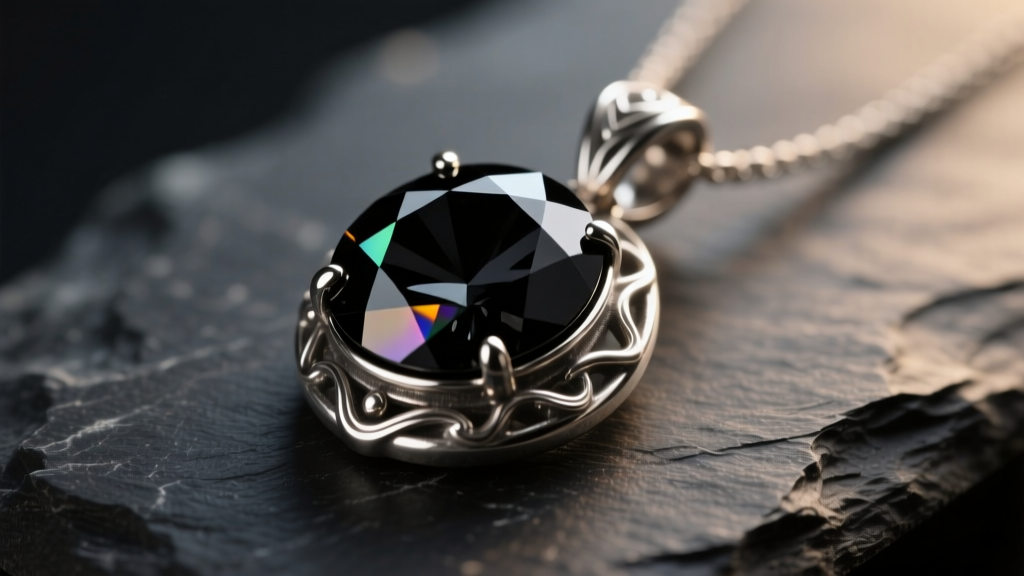
When selecting a spiritual protection necklace, most buyers focus entirely on metaphysical properties, historical symbolism, or aesthetic appeal. However, as an amulet meant for daily wear, a protective talisman is a physical object subjected to relentless environmental stressors: friction, sweat, accidental impacts, and tensile strain. A cracked stone or a snapped chain doesn't just ruin a piece of jewelry; for the wearer, it can feel like a compromise of the protective barrier itself.
In this expert deep dive, we bridge the gap between ancient talismanic traditions and modern material science. By examining the gemological durability of popular protective stones, the metallurgical integrity of chain alloys, and the mechanical engineering of settings, you can build or select a spiritual protection necklace that is as physically resilient as its intended energetic purpose.
The Intersection of Metaphysics and Material Science
Historically, amulets were crafted from whatever materials were locally available, leading to high rates of degradation. Today, jewelers have access to precise mineralogical data and advanced alloys. According to the Gemological Institute of America (GIA), a gemstone's durability is not just about hardness (scratch resistance), but also toughness (resistance to breaking) and stability (resistance to chemicals and light). Understanding these three pillars is critical when designing a spiritual protection necklace meant to be worn 24/7.
Gemological Breakdown: Protective Stones Ranked by Durability
The most common stones used for spiritual defense—such as Black Tourmaline, Obsidian, and Malachite—possess vastly different physical properties. A stone's position on the Mohs scale of hardness dictates how it should be set and worn.
| Protective Stone | Mohs Hardness | Fracture / Cleavage | Optimal Setting Type | Wearability Rating |
|---|---|---|---|---|
| Black Tourmaline (Schorl) | 7.0 - 7.5 | Uneven fracture; highly brittle due to inclusions | Full Bezel or Wire-Wrapped Cage | Moderate (Prone to chipping on edges) |
| Obsidian (Volcanic Glass) | 5.0 - 5.5 | Conchoidal fracture; extremely sharp when broken | Thick Bezel with padded backing | Low (Requires careful handling) |
| Tiger's Eye (Quartz) | 7.0 | Fibrous structure; excellent toughness | Prong, Bezel, or Cabochon | High (Ideal for daily active wear) |
| Malachite | 3.5 - 4.0 | Perfect cleavage; porous and acid-sensitive | Bezel (sealed from skin oils) | Low (Degrades from sweat and acids) |
| Lapis Lazuli | 5.0 - 6.0 | Uneven fracture; contains calcite (acid-sensitive) | Bezel with protective top rim | Moderate (Avoid ultrasonic cleaners) |
As noted by mineralogical databases like Mindat.org, Black Tourmaline is heavily striated and often riddled with internal micro-fissures. While it scores a respectable 7 on the Mohs scale, its toughness is surprisingly low. A dropped tourmaline pendant is highly likely to cleave or chip, which is why prong settings are a catastrophic choice for this specific stone.
Metallurgical Analysis: Chain Alloys for Daily Amulet Wear
The chain of a spiritual protection necklace acts as the suspension system for your talisman. The metal must resist galvanic corrosion from human sweat (which has a pH of 4.5 to 7.0) and withstand repetitive tensile loading.
Sterling Silver (925) vs. Argentium (935)
Traditional 925 Sterling Silver is an alloy of 92.5% silver and 7.5% copper. The copper provides necessary tensile strength but is highly susceptible to oxidation, leading to the black tarnish commonly seen on older amulets. For a modern spiritual protection necklace, Rio Grande and other master suppliers recommend Argentium 935 Silver. By replacing a portion of the copper with germanium, Argentium forms a transparent, self-healing germanium dioxide layer on the surface. This makes the metal virtually tarnish-proof and highly resistant to the acidic environment of the human neckline, requiring significantly less energetic and physical cleansing.
Titanium and Surgical Steel: The Hypoallergenic Standard
For wearers with nickel allergies or those who refuse to remove their protective necklaces in the shower or ocean, Grade 23 Titanium (Ti 6Al-4V ELI) is the ultimate choice. It possesses a strength-to-weight ratio superior to steel and is entirely biocompatible. A 1.5mm titanium cable chain will outlast a 2.0mm sterling silver chain under identical tensile stress, making it ideal for heavy stone pendants like large carved obsidian or dense hematite.
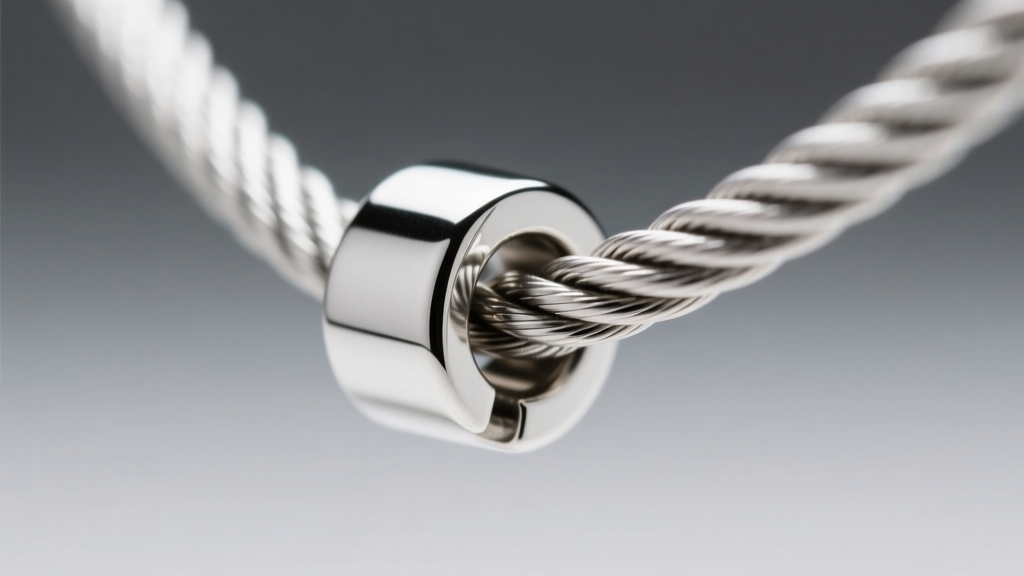
Engineering the Bail and Setting: Preventing Stone Loss
The bail—the loop that connects the pendant to the chain—is the most common point of mechanical failure in amulet necklaces. When crafting or commissioning a custom piece, pay strict attention to the following engineering parameters:
- Bezel Wall Thickness: For brittle stones like tourmaline, the bezel wire should be at least 22-gauge (0.64mm) dead-soft silver or gold. Thinner 26-gauge wire will not provide enough structural memory to hold the stone securely if the pendant is struck against a hard surface.
- Bail Inner Diameter (ID): A standard protective necklace often utilizes a thicker chain for durability. Ensure the bail has a minimum 4.5mm ID to accommodate 2.0mm to 3.0mm chains without causing abrasive wear on the chain links.
- Soldering vs. Wire-Wrapping: While wire-wrapping is popular in the metaphysical community for preserving the 'natural energy' of raw stones, it lacks mechanical permanence. Sweat and friction will eventually degrade copper or fine silver wire. For stones meant to be worn for decades, a laser-soldered cast bail is structurally superior.
Chain Gauge, Tensile Strength, and Clasp Mechanics
A heavy spiritual protection necklace—such as a solid silver Evil Eye casing holding a 25-gram lapis lazuli cabochon—requires careful weight distribution. Pairing a heavy pendant with a delicate 1.0mm chain guarantees tensile failure at the clasp or the jump ring.
For pendants weighing between 15 and 30 grams, utilize a 2.5mm Rolo chain or a 2.0mm Box chain. Box chains, due to their interlocking square links, offer superior resistance to twisting and kinking, which can weaken the metal's crystalline structure over time. Furthermore, avoid spring-ring clasps for heavy amulets; the internal steel spring is prone to rusting when exposed to sweat, and the thin wire loop easily pulls open. Instead, opt for a heavy-duty lobster claw clasp with a soldered jump ring on the opposing end.
Maintenance Protocols for Energetic and Physical Longevity
Cleansing a spiritual protection necklace is a common ritual, but many traditional metaphysical cleansing methods are physically destructive to the materials involved.
"Never use ultrasonic cleaners or harsh chemical dips on porous or fractured protective stones. The high-frequency vibrations will shatter included quartz and tourmaline, while chemical dips will strip the oxidized patina from silver settings and degrade the polish of soft stones like malachite."
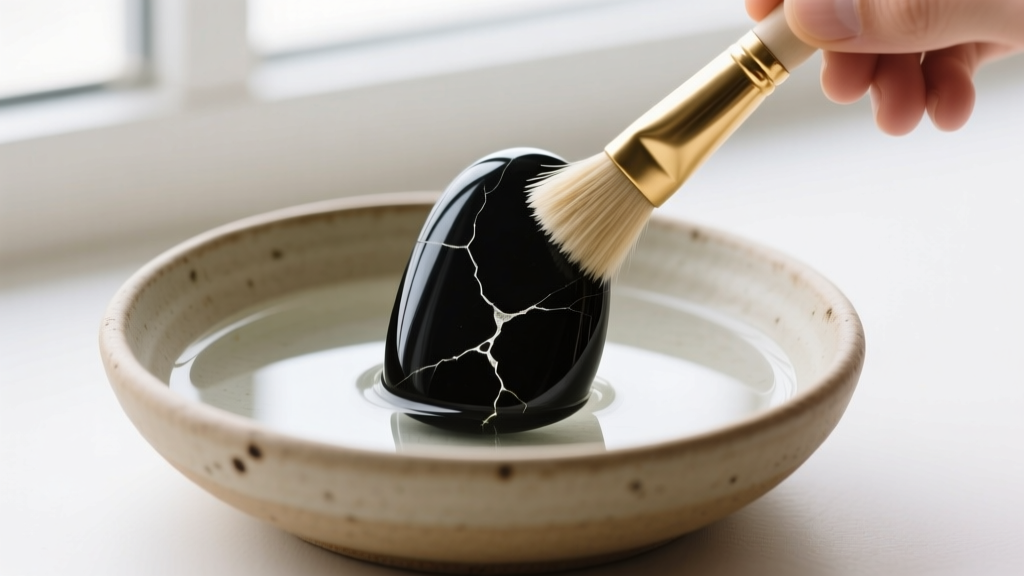
For physical and energetic maintenance, use a soft-bristled brass or horsehair brush with a mild, phosphate-free dish soap and distilled water. Distilled water is crucial; tap water contains chlorine and dissolved minerals that can leave a microscopic film on porous stones like turquoise or lapis lazuli, dulling their optical properties over time. For energetic cleansing, sound baths or smoke clearing (such as palo santo or cedar) are highly recommended, as they impart zero physical wear and tear on the amulet's structural integrity.
Conclusion: Building a Resilient Talisman
A spiritual protection necklace is a profound intersection of personal belief and physical engineering. By respecting the gemological realities of stones like black tourmaline and obsidian, selecting advanced alloys like Argentium silver or Grade 23 titanium, and prioritizing mechanical security in the bezel and clasp, you ensure that your protective talisman remains intact. True protection requires a foundation of durability, allowing your amulet to weather the physical world while it guards your spiritual one.


