The Ultimate 2026 Gift Guide: Choosing a Diamond Circle Necklace
Discover the perfect diamond circle necklace for every milestone. Our 2026 gift guide covers carat weights, metals, and occasion matching for timeless gifting.

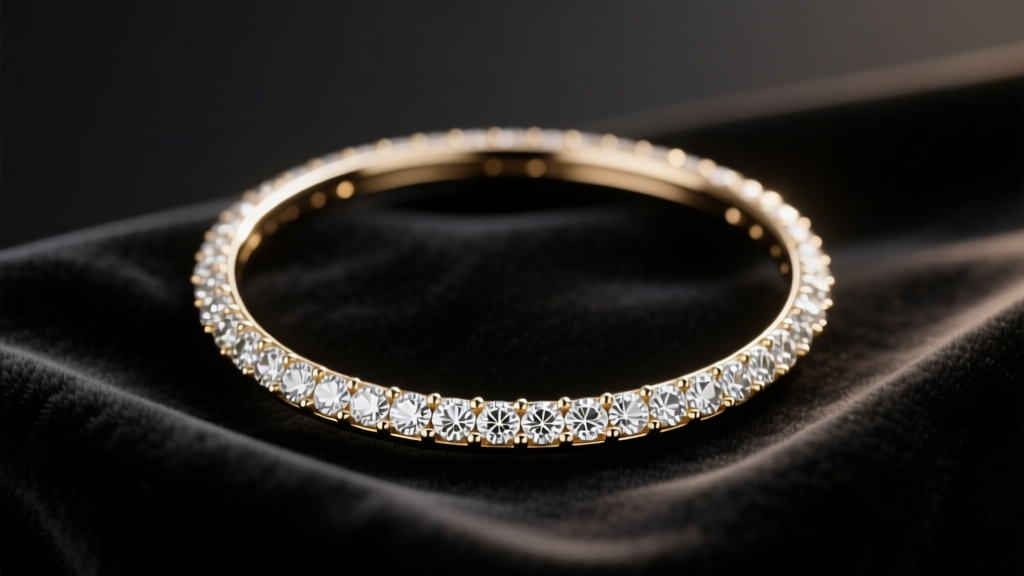
Gifting jewelry is an exercise in translating emotion into a tangible object, and few silhouettes capture the weight of a relationship quite like the circle. As we navigate the 2026 fine jewelry market, the diamond circle necklace remains an undisputed champion of versatile, meaningful gifting. Whether you are marking a decade of marriage, celebrating a university graduation, or welcoming a new child, the unbroken loop of a circle pendant symbolizes eternity, wholeness, and endless commitment.
However, selecting the right piece requires more than just picking a pretty design. From understanding melee diamond sizing to selecting the correct chain gauge for daily wear, this comprehensive guide will equip you with the gemological and stylistic knowledge needed to choose a diamond circle necklace that will be cherished for a lifetime.
Decoding the Anatomy of a Circle Pendant
Before evaluating retailers, you must understand the structural variations of the diamond circle necklace. The market is generally divided into two primary architectural styles, each demanding different diamond grades and maintenance routines.
1. The Pave Eternity Circle
This style features a continuous ribbon of metal encrusted with tiny diamonds, known in the trade as melee. These diamonds typically range from 1.0mm to 2.5mm in diameter. Because the stones are so small, they are graded collectively by Total Carat Weight (TCW) rather than individual certificates. A standard 16-inch pave circle pendant usually carries a TCW between 0.25ct and 0.75ct. The diamonds are secured by micro-prongs or a bead-setting technique, maximizing light return but requiring careful cleaning to prevent lotion and skin oil buildup from dulling the sparkle.
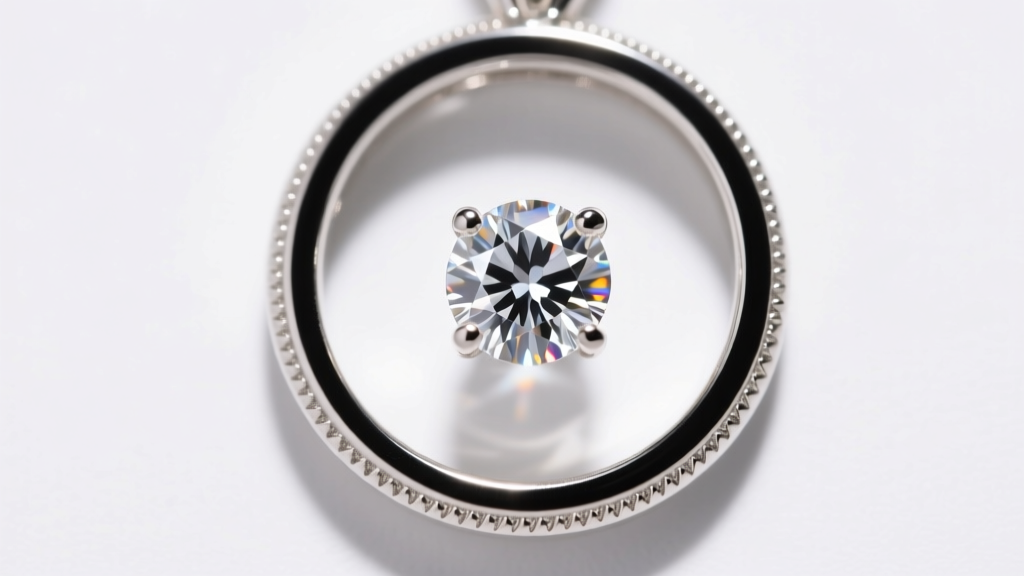
2. The Bezel-Set Solitaire Circle
A more modern, minimalist approach involves a single, larger center diamond encased in a smooth metal rim (bezel), which is then suspended within or forms the focal point of a larger open metal circle. Because the center stone is prominent (usually 0.30ct to 1.00ct), it will often come with a grading report from the Gemological Institute of America (GIA) or IGI. The bezel setting is highly recommended for active recipients, as the metal rim protects the diamond's girdle from lateral impacts.
Occasion Matching: Which Specs Fit the Milestone?
A diamond circle necklace is not a one-size-fits-all gift. The carat weight, metal choice, and overall visual footprint should scale with the significance of the occasion and the recipient's personal style. Below is our 2026 occasion-matching framework.
| Occasion | Ideal Style & TCW | Recommended Metal | Avg. Budget Range (USD) |
|---|---|---|---|
| High School / College Graduation | Delicate Pave Circle (0.20ct - 0.35ct) | 14k Yellow or Rose Gold | $400 - $800 |
| 5th or 10th Anniversary | Medium Pave or Openwork Circle (0.50ct - 0.85ct) | 18k White Gold or Platinum | $1,200 - $2,500 |
| Push Present / New Baby | Bezel Solitaire inside a Halo Circle (0.50ct+ center) | Platinum (Hypoallergenic) | $2,000 - $4,500 |
| Valentine's Day / Romantic | Interlocking Double Circle (0.30ct total) | 14k Rose Gold | $600 - $1,100 |
Pro Tip for Gifting: If you are purchasing a push present for a new mother, always prioritize platinum or high-purity 18k gold. Newborns have highly sensitive skin, and the recipient will be holding the baby against her chest frequently; avoiding nickel-alloyed white gold prevents contact dermatitis.
Chain Mechanics: The Unsung Hero of the Gift
A common gifting mistake is focusing entirely on the pendant while neglecting the chain. A heavy diamond circle pendant on a weak chain will result in a broken necklace and a lost heirloom. When configuring your gift, pay strict attention to these chain specifications:
- Box Chains (0.9mm - 1.2mm): The gold standard for circle pendants. The square links distribute weight evenly and resist kinking. A 1.0mm box chain can safely support a diamond circle pendant weighing up to 8 grams.
- Cable Chains (1.0mm - 1.5mm): A classic, rounded link chain. While beautiful, they are more prone to catching on hair or knitwear. Best reserved for lighter, delicate pave circles.
- The Clasp: Insist on a lobster claw clasp. Spring ring clasps (the tiny circular ones) are notoriously difficult to operate with one hand and feature a weak internal spring that fails over time. A 5mm or 6mm lobster claw ensures security and ease of use.
Metal Selection and Long-Term Wear
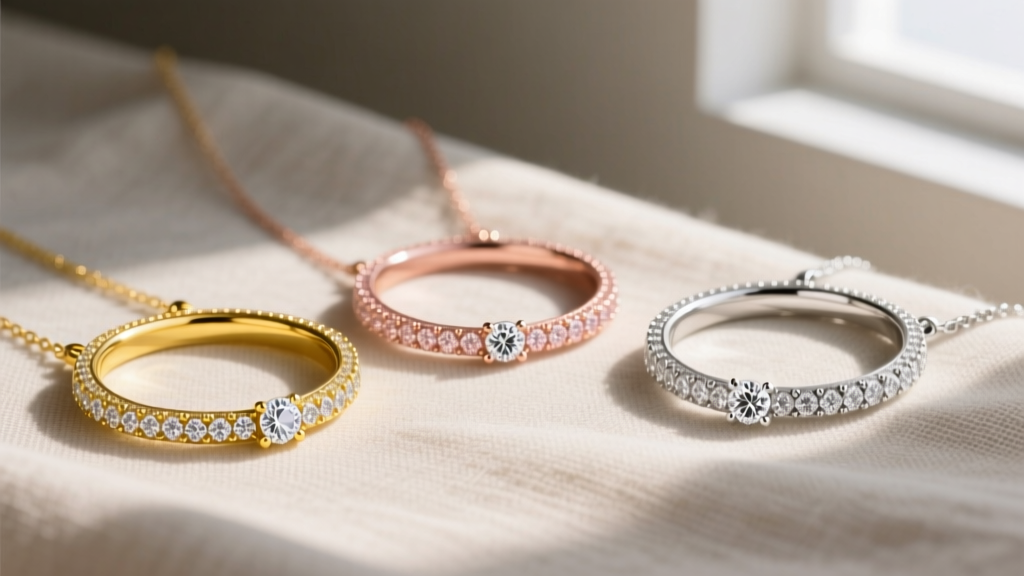
The metal you choose dictates the necklace's longevity and maintenance requirements. According to industry standards outlined by the Blue Nile Metal Education Guide, understanding alloy composition is critical for gifting.
14k vs. 18k Gold
14k gold contains 58.5% pure gold, making it highly durable and resistant to scratching—ideal for a recipient who works with her hands or wears her jewelry 24/7. 18k gold (75% pure) offers a richer, warmer hue, particularly in yellow and rose gold variations, but is slightly softer.
The White Gold Maintenance Factor
If you choose 14k or 18k white gold, be aware that it is alloyed with nickel or palladium and plated with rhodium to achieve a bright white finish. Over 12 to 18 months of daily wear, this rhodium plating will wear off, revealing a slightly yellowish undertone. The recipient will need to have it re-plated by a jeweler. If you want a white metal that requires zero re-plating, Platinum (95% pure) is the superior, albeit more expensive, choice. Platinum does not lose metal when scratched; it merely develops a soft patina that many vintage jewelry lovers covet.
"The circle has no beginning and no end. When rendered in diamonds and platinum, it becomes a physical manifestation of a promise meant to outlast the wearer." — Master Gemologist Appraiser, Jewelers of America
Diamond Grading: Where to Compromise and Where to Invest
When buying a diamond circle necklace, you do not need to pay premium prices for flawless (FL) or internally flawless (IF) clarity grades. Because pave melee diamonds are incredibly small, inclusions are entirely invisible to the naked eye. An I1 clarity grade is perfectly acceptable for pave circle pendants, allowing you to allocate your budget toward a larger total carat weight or a higher-quality chain.
However, if you are buying a bezel-set solitaire circle, the center diamond is large enough to show inclusions. Aim for a minimum of VS2 clarity (Very Slightly Included) and **H color**. Anything lower in color may show a faint yellow tint against a white metal bezel, and anything lower in clarity risks visible carbon spots in the center of the stone.
Final Gifting Checklist for 2026
Before finalizing your purchase, run through this quick quality-assurance checklist to ensure your diamond circle necklace is a flawless gift:
- Check the Bail: The bail (the loop connecting the pendant to the chain) should be soldered shut or feature a secure hinge. Avoid open "C" bails that can slip off the chain.
- Verify the Length: A 16-inch chain sits at the base of the neck (choker style), while an 18-inch chain rests on the collarbone. If you are unsure of the recipient's preference, buy a chain with a 2-inch extender (16" to 18" adjustable).
- Lab-Grown vs. Natural: In 2026, lab-grown diamonds are chemically and optically identical to mined diamonds but cost 60-80% less. For a graduation or Valentine's gift, a lab-grown diamond circle necklace allows you to gift a massive 1.00ctw piece for under $800, whereas the natural equivalent would exceed $3,000.
By matching the specific carat weight, metal alloy, and chain mechanics to the recipient's lifestyle and the significance of the occasion, your diamond circle necklace will transcend being a mere accessory. It will become a deeply personal talisman, worn close to the heart, marking a beautiful chapter in their life's story.


