How to Fix a Herringbone Necklace Kink & Prevent Damage
Learn expert techniques to fix a herringbone necklace kink, assess chain damage, and implement daily care routines to keep your flat chains pristine.

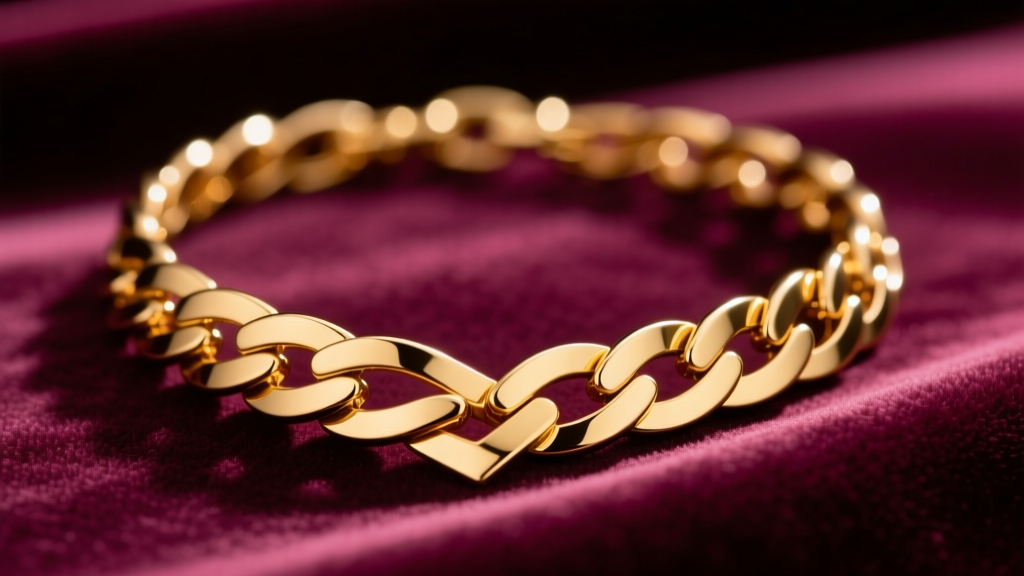
The herringbone chain is a masterpiece of jewelry engineering, celebrated for its liquid-like drape and brilliant light reflection. However, this same flat, interlocking structure makes it notoriously fragile. If you have ever experienced a herringbone necklace kink, you know the sinking feeling of seeing a permanent-looking crease in your favorite piece. Because the links are woven tightly and flattened, bending the chain against its natural grain causes the individual V-shaped links to fold over one another, creating a sharp, structural weakness.
As a domain expert in jewelry maintenance, I frequently see ruined herringbone chains that were damaged by improper storage or aggressive cleaning. In this comprehensive guide, we will explore the metallurgy behind why these chains kink, how to accurately assess the damage, and the precise, step-by-step methods to flatten mild kinks at home or know when to hand it over to a professional bench jeweler.
The Anatomy of a Herringbone Chain (And Why It Kinks)
To understand how to fix a herringbone necklace kink, you must first understand its anatomy. Unlike a cable or curb chain, which features interlocking oval links with a hollow center, a herringbone chain is constructed from multiple rows of flat, V-shaped links. These links are tightly woven and then passed through a rolling mill to achieve a perfectly flat surface.
This manufacturing process leaves zero structural 'give' in the vertical axis. When the chain is bent backward, the flattened links are forced into each other, causing the metal to yield and crease. The severity of this kinking is heavily dependent on the metal's hardness, which is dictated by its karat weight or alloy composition:
- 22k and 18k Gold: Highly pure gold is exceptionally soft (low Vickers hardness). An 18k gold herringbone chain will kink almost instantly if folded or slept in, and the creases are notoriously difficult to work out without cracking the metal.
- 14k Gold: Alloyed with metals like copper, silver, and zinc, 14k gold offers a better balance of durability and malleability. It will still kink, but the links are slightly more resistant to immediate structural failure.
- Sterling Silver (925): Silver is relatively soft but possesses a different crystalline structure than gold. Silver herringbone chains kink easily but can often be flattened with slightly more aggressive pressure than gold.
Assessing the Damage: Kink Severity Scale
Before attempting any repair, you must evaluate the kink. Applying the wrong technique to a severe kink will result in micro-fractures or snapped links. Use the following diagnostic table to determine your next steps.
| Severity Level | Visual Indicator | Structural Integrity | Recommended Action |
|---|---|---|---|
| Mild | Slight wave or ripple; chain does not lay perfectly flat but has no sharp angles. | Intact; links are merely displaced. | DIY Glass & Needle Method |
| Moderate | Visible bend (less than 45 degrees); slight whitening or stress mark on the metal. | Compromised; links are bent but not folded over. | DIY Heavy Book Press or Professional Steaming |
| Severe | Sharp, acute fold (greater than 45 degrees); visible crease line or separated links. | Critical; high risk of snapping if manipulated. | Professional Jeweler Repair (Laser Welding/Rolling) |
Step-by-Step Guide to Flattening a Mild to Moderate Kink
If your chain falls into the mild or moderate category, you can attempt to flatten it at home. Never pull a kinked herringbone chain through your fingers and never use standard jewelry pliers, as the jaws will crush the flat links and ruin the chain's reflective surface.
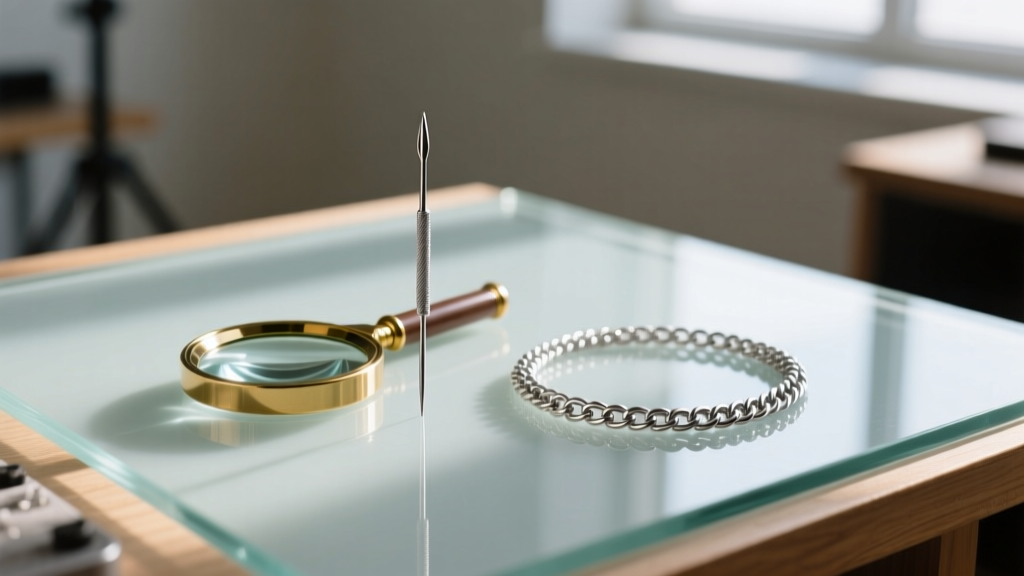
The Glass and Needle Technique (For Mild Ripples)
- Place the necklace on a perfectly clean, flat piece of tempered glass or a ceramic tile.
- Using a fine, polished steel needle or a specialized agate burnisher, gently press down on the raised links surrounding the kink.
- Work from the outside of the ripple inward, applying micro-pressures to coax the links back into their horizontal alignment.
- Flip the chain over and repeat on the reverse side.
The Heavy Book Press (For Moderate Bends)
- Lay the chain completely flat on a hard, smooth surface. Ensure there are no overlapping links.
- Cover the chain with a sheet of unbleached parchment paper to protect the metal from dust and abrasion.
- Place a heavy, flat object (like a hardcover encyclopedia or a cast-iron pan) over the kinked area.
- Leave it pressed for 48 to 72 hours. The sustained, even pressure allows the metal's crystalline structure to relax back into a flat plane without the sheer force that causes cracking.
'The biggest mistake consumers make is trying to 'massage' a herringbone kink with their thumbs. The human thumb applies uneven, radial pressure, which inevitably pushes the center links down while popping the edge links up, creating a permanent waffle texture.' — Master Bench Jeweler
Professional Repair: When to Visit a Jeweler
If your herringbone necklace kink is severe, or if you notice a white stress fracture (common in white gold and silver), stop immediately and take it to a professional. A skilled bench jeweler will use a specialized jewelry rolling mill. They will pass the chain through the rollers with a piece of protective brass sheeting, applying hundreds of pounds of even pressure to flatten the links simultaneously.
If the kink has caused a micro-tear in the links, the jeweler will use a laser welder to fuse the fracture without melting the surrounding delicate links. Expect to pay between $35 and $75 for professional flattening and laser reinforcement, depending on the chain's width and the severity of the damage.
Safe Cleaning Protocols for Herringbone Chains
Cleaning a herringbone chain requires a gentle touch. According to the Gemological Institute of America (GIA), harsh chemicals and aggressive brushing can degrade the polish and weaken the solder points of flat chains.
- Avoid Ultrasonic Cleaners: The high-frequency vibrations in an ultrasonic cleaner can cause the tightly woven links of a herringbone chain to shift, loosen, or kink against the sides of the cleaning basket.
- The Soak Method: Mix three drops of mild, phosphate-free dish soap into a bowl of lukewarm water. Let the chain soak for exactly five minutes.
- Gentle Agitation: Use an extra-soft baby toothbrush to lightly sweep across the grain of the links. Never scrub in a circular motion.
- Drying: Pat dry with a lint-free microfiber cloth. Lay it flat on a towel to air dry completely before storing. Never hang it while wet, as the weight of the water can pull on the clasp solder joints.
Long-Term Storage Solutions to Guarantee Zero Kinks
Prevention is the only foolproof strategy for herringbone chains. The vast majority of kinks occur during storage or while sleeping. To maintain the structural integrity of your necklace, implement the following storage protocols:
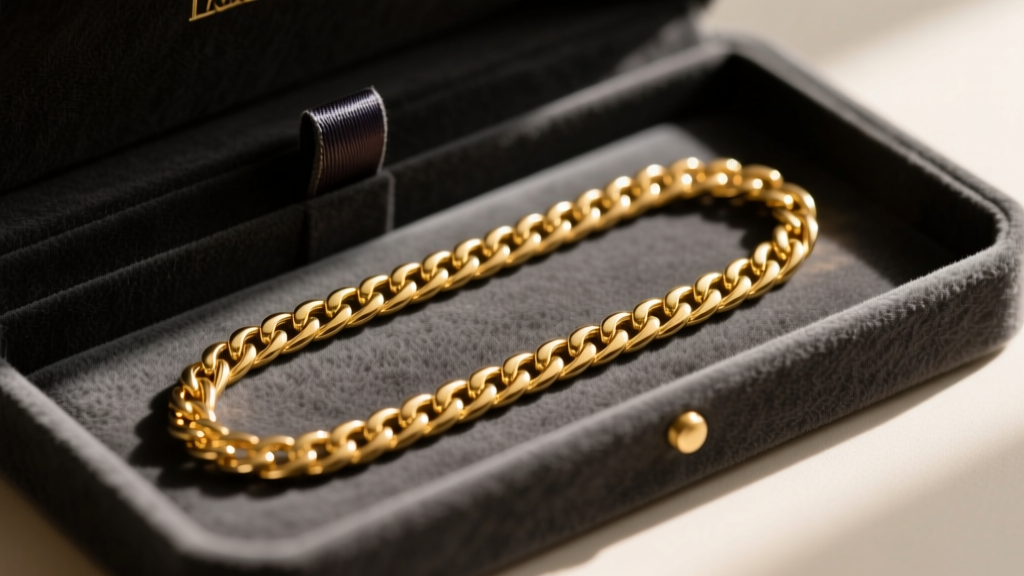
- Flat Lay Storage: The absolute best way to store a herringbone chain is laid perfectly flat in a wide, suede-lined jewelry box. Use anti-tarnish strips (like 3M Silver Protector Strips) in the box to absorb sulfur compounds in the air, which is especially critical for sterling silver herringbones.
- The Hanging Compromise: If you must hang your chains, use a padded jewelry hanger with wide, velvet-covered hooks. Ensure the chain hangs freely and cannot swing into other pieces.
- Travel Pouches: Never throw a herringbone necklace into a soft travel pouch where it can become crushed by other items. Use a rigid, felt-lined jewelry roll that allows the chain to lay flat and secure.
- The 'Last On, First Off' Rule: Always put your herringbone necklace on after applying cosmetics, perfumes, and getting dressed. Remove it immediately upon returning home. Sleeping in a herringbone chain guarantees a kink due to the unpredictable torsion applied by your body weight during the night.
For more comprehensive guides on maintaining delicate jewelry structures, resources like The Spruce Crafts offer excellent supplementary reading on general chain care. By respecting the unique anatomy of the herringbone weave and adhering to these strict maintenance protocols, you can preserve the liquid-mirror finish of your necklace for decades.


