The 17 in Necklace: A Beginner's Guide to Perfect Fit
Discover why a 17 in necklace is the ultimate versatile length. Learn how it flatters different necklines, layering techniques, and sizing tips.

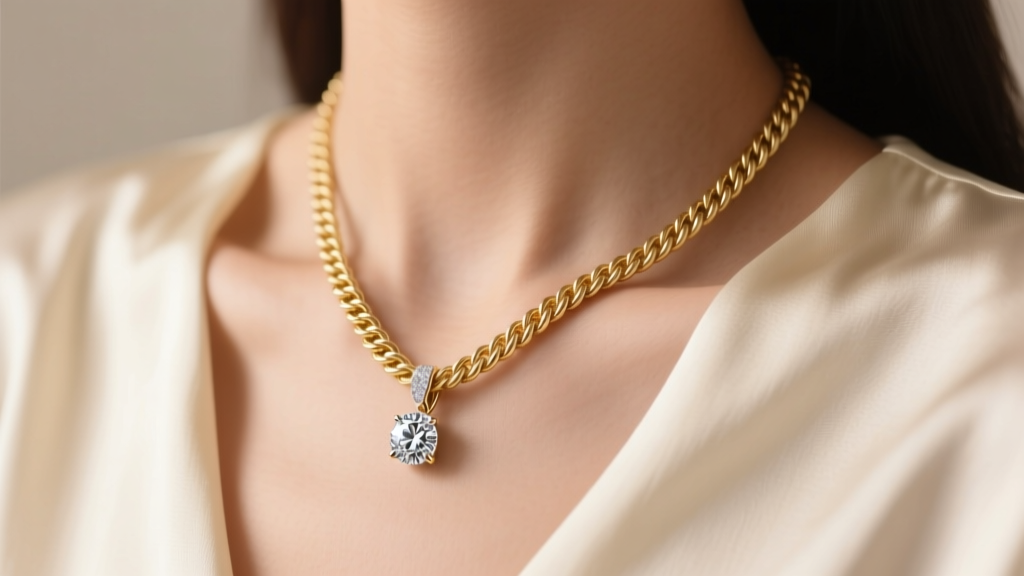
The Goldilocks of Jewelry: Why the 17 in Necklace Reigns Supreme
When shopping for necklaces, most beginners gravitate toward standard industry lengths: the 16-inch choker or the 18-inch princess. However, as we move through 2026, the trend of hyper-personalized, adjustable layering stacks has brought a slightly unconventional measurement into the spotlight. The 17 in necklace is rapidly becoming the ultimate "Goldilocks" length for modern jewelry lovers. It bridges the gap between a high collarbone sit and a lower, more relaxed drape, offering unparalleled versatility for everyday wear.
Measuring exactly 43.18 centimeters, a 17-inch chain typically rests right on the lower edge of the collarbone or just in the hollow of the throat, depending on your neck circumference. This beginner-friendly explainer will break down the exact anatomy of the 17-inch drop, how to pair it with specific necklines, and the technical specifications you need to know before making a purchase.
Anatomy of the 17-Inch Drop: Fit and Body Mechanics
To truly master the 17 in necklace, you must understand how it interacts with human anatomy. The visual drop of any necklace is dictated by your neck circumference. For an individual with a 13-inch neck circumference, a 17-inch chain will drop approximately 2 inches below the base of the neck, resting elegantly on the upper chest. For someone with a 15-inch neck circumference, that same chain will sit much closer to the collarbone, mimicking a traditional choker.
The Role of the Extender Chain
Because the 17-inch length is highly sensitive to anatomical differences, reputable jewelers rarely sell a fixed 17-inch chain without an adjustment mechanism. According to sizing standards endorsed by Jewelers of America, a high-quality 17-inch necklace should feature a 2-inch extender chain. This allows the wearer to adjust the piece from 17 to 19 inches, accommodating daily fluctuations in skin swelling, different shirt collars, and seasonal layering over thicker fabrics.
Strategic Neckline Pairings for a 17 in Necklace
A 17-inch length is exceptionally forgiving, but it performs best when matched with the correct garment neckline. The goal is to create a parallel or complementary geometric line between the metal and the fabric. Below is a practical framework for styling your 17-inch piece.
| Neckline Type | Visual Interaction | Ideal Pendant Size (17" Chain) | Best Chain Style |
|---|---|---|---|
| Crew Neck | Sits just below the tight fabric hem, framing the face. | 4mm - 8mm (Keep it delicate) | 0.9mm Cable Chain |
| V-Neck | Mirrors the V-shape, drawing the eye downward. | 10mm - 15mm (Teardrop or Marquise) | 1.2mm Rope Chain |
| Scoop Neck | Floats in the negative space between fabric and skin. | 6mm - 12mm (Round or Oval) | 1.0mm Box Chain |
| Boatneck / Bateau | Creates a striking horizontal contrast. | Horizontal bar pendants (15mm+) | 1.5mm Figaro Chain |
The Layering Framework: Building Around the 17-Inch Anchor
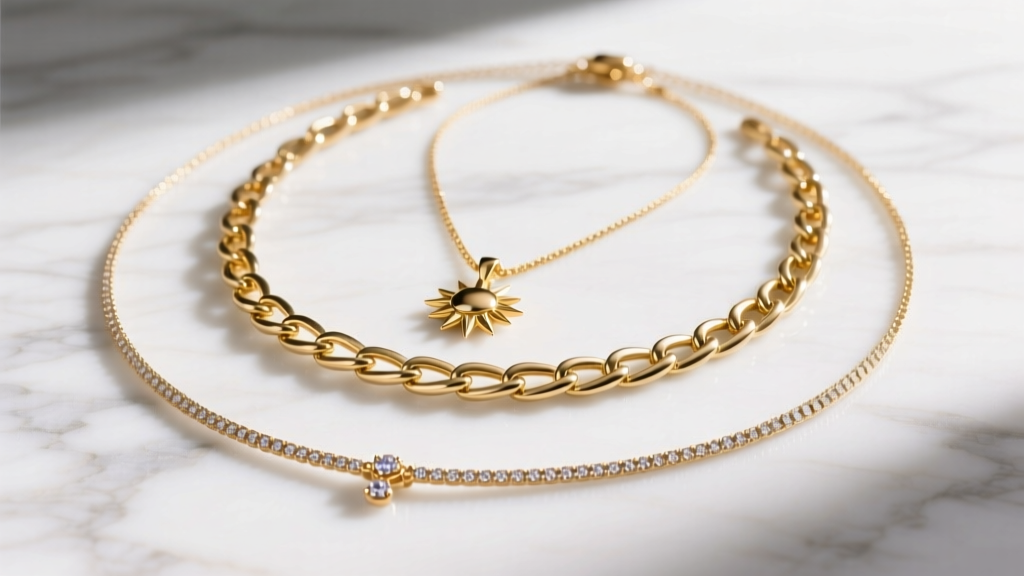
In contemporary jewelry styling, the 17 in necklace serves as the perfect "anchor" or middle layer in a three-piece stack. The golden rule of layering, widely adopted by stylists in 2026, is the Two-Inch Gap Rule. To prevent chains from tangling and to ensure each piece is visually distinct, there should be a minimum two-inch difference between the lengths of your layered necklaces.
- Top Layer (15 inches): A delicate 0.7mm cable chain or a solid gold herringbone choker that sits flush against the neck.
- Middle Layer (17 inches): Your anchor piece. This is where you place your primary pendant, such as a 0.25ct diamond solitaire or a textured gold medallion.
- Bottom Layer (19 to 20 inches): A heavier, thicker chain (like a 2.5mm Cuban link or a 2.0mm rope chain) that rests on the upper sternum.
Pro-Tip: When layering, mix your chain textures. Pairing a 17-inch rope chain with a 15-inch box chain and a 19-inch cable chain drastically reduces friction and prevents the metal links from catching and knotting together.
Material Grades, Gauges, and Clasp Engineering
When investing in a 17-inch chain, understanding the metallurgy and hardware is just as important as the length. The 17-inch measurement means the chain wraps closely around the high-movement area of the neck, making durability a primary concern.
Metal Purity and Tarnish Resistance
For everyday wear, 14k gold (58.5% pure gold) is vastly superior to 18k gold for chains in the 0.8mm to 1.2mm gauge range. The higher alloy content in 14k gold provides the tensile strength needed to support the weight of a pendant without stretching the links over time. If you prefer sterling silver, ensure the piece is plated with a minimum of 0.5 microns of rhodium. As noted in the Gemological Institute of America (GIA) care guidelines, rhodium plating acts as a vital barrier against the sulfur compounds in the air that cause silver to oxidize and tarnish.
Clasp Sizing and Weight Distribution
A common failure point in jewelry is a mismatched clasp. The clasp must be rated for the specific gram weight of the 17-inch chain.
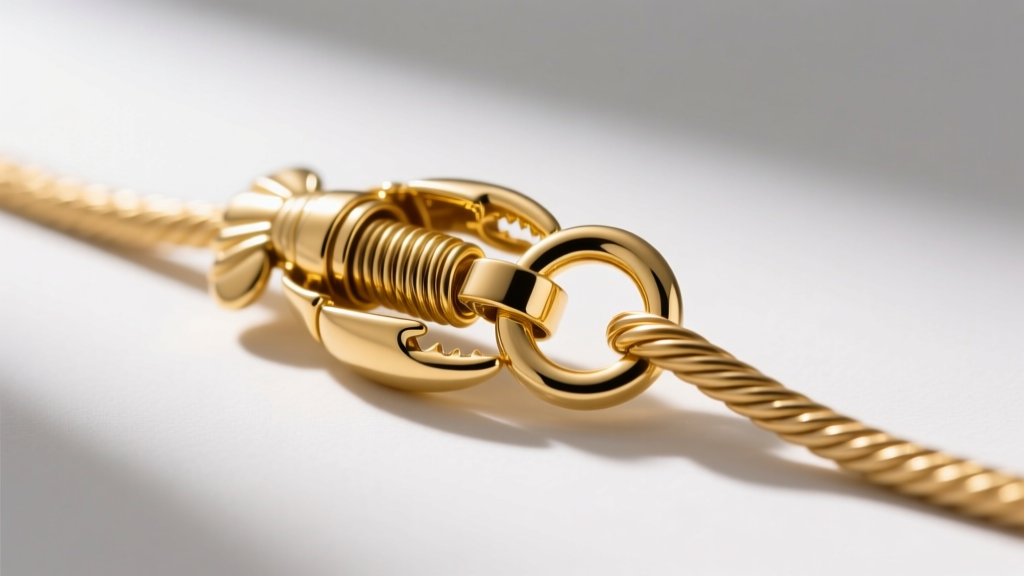
- Chains under 3.0 grams: Require a 5mm or 6mm spring ring clasp. Spring rings are lightweight and won't pull the delicate back of the neck downward.
- Chains between 3.0 and 8.0 grams: Require a 7mm or 9mm lobster clasp. The lobster clasp features a sturdier internal spring mechanism and a wider gate, preventing accidental unhooking when catching on hair or clothing.
- Chains over 8.0 grams: Require a heavy-duty 12mm+ lobster clasp or a specialized box clasp with a figure-eight safety latch.
Common Sizing Mistakes and How to Avoid Them
Beginners often make critical errors when calculating the final visual drop of a 17 in necklace. The most frequent mistake is ignoring the pendant bail drop. The bail is the loop that connects the pendant to the chain. If you purchase a 17-inch chain and attach a pendant with a 1-inch drop (including the bail), the necklace will visually function as an 18-inch necklace. Always subtract the pendant's total vertical length from your desired resting point to determine the exact chain length you need.
Expert Troubleshooting: If your 17-inch chain constantly flips around, showing the clasp at the front of your neck, the chain is likely too light for the pendant. A general rule of thumb in jewelry engineering is that the chain should weigh at least 1.5 times the weight of the pendant to maintain proper center-of-gravity balance.
By understanding the precise mechanics, material requirements, and styling frameworks of the 17-inch length, you can transform this versatile measurement from a simple accessory into a foundational pillar of your everyday jewelry wardrobe. Whether worn solo against a crisp button-down or layered into a complex 2026 stack, the 17 in necklace offers a flawless, customized fit that standard lengths simply cannot match.


