2026 Gift Guide: The Camel Bone Necklace for Unique Jewelry Lovers
Discover why a camel bone necklace is the ultimate ethical, artisan-crafted gift in 2026. Learn sourcing, carving styles, and occasion matching.

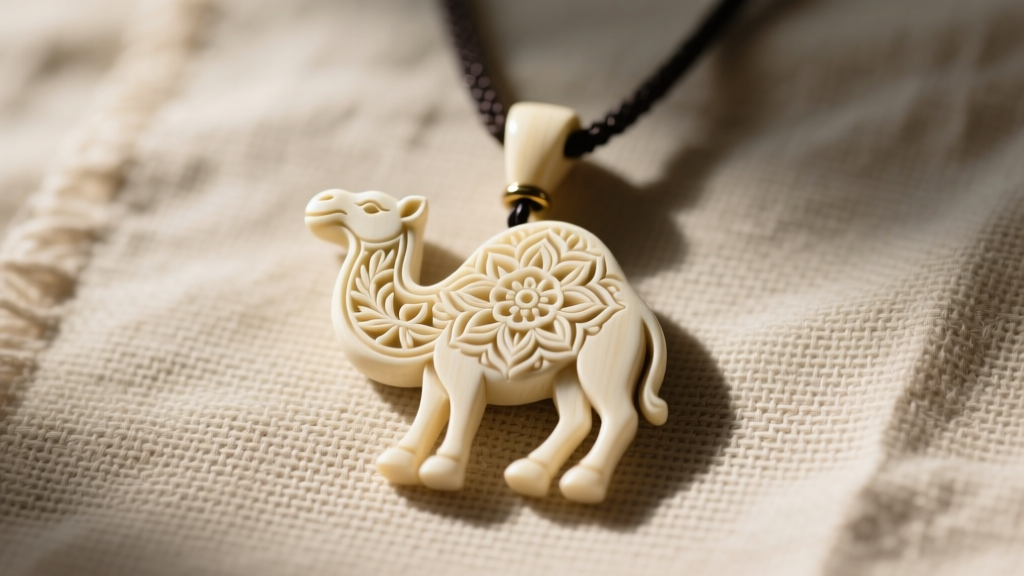
As we navigate the 2026 gifting landscape, jewelry enthusiasts and conscious consumers alike are moving away from mass-produced metals and seeking out pieces with profound narratives, ethical origins, and artisanal soul. Enter the camel bone necklace—a masterclass in sustainable luxury and heritage craftsmanship. Far from being a mere novelty, camel bone has emerged as a premier organic gem material, prized for its ivory-like luster, dense structural integrity, and the incredible depth of its hand-carved detailing. Whether you are shopping for a bohemian wanderer, an ethical fashion advocate, or a lover of earthy minimalism, understanding the nuances of this unique material is essential for selecting a gift that truly resonates.
The Material Science: Why Camel Bone Outshines Alternatives
To truly appreciate a camel bone necklace as a premium gift, one must understand the material science that sets it apart from standard bovine (cow) bone. Bovine bone is highly porous, often requiring heavy bleaching and synthetic resin infusions to achieve a smooth finish. Camel bone, conversely, possesses a naturally tighter Haversian canal structure—the microscopic network that supplies nutrients to living bone. This density results in a harder, smoother substrate that mimics the tactile warmth and visual depth of elephant ivory, without the devastating ethical baggage.
When polished by skilled artisans, camel bone yields a gorgeous creamy-white to pale-yellow patina. It is also exceptionally receptive to natural dyes. Artisans in Rajasthan and the Sahara often use walnut husks, henna, or strong black tea to stain the bone, creating rich amber, mahogany, or espresso tones that penetrate deeply into the material rather than sitting on the surface. This makes a dyed camel bone pendant an incredibly durable gift that will not easily fade or chip with daily wear.
Ethical Sourcing and CITES Compliance
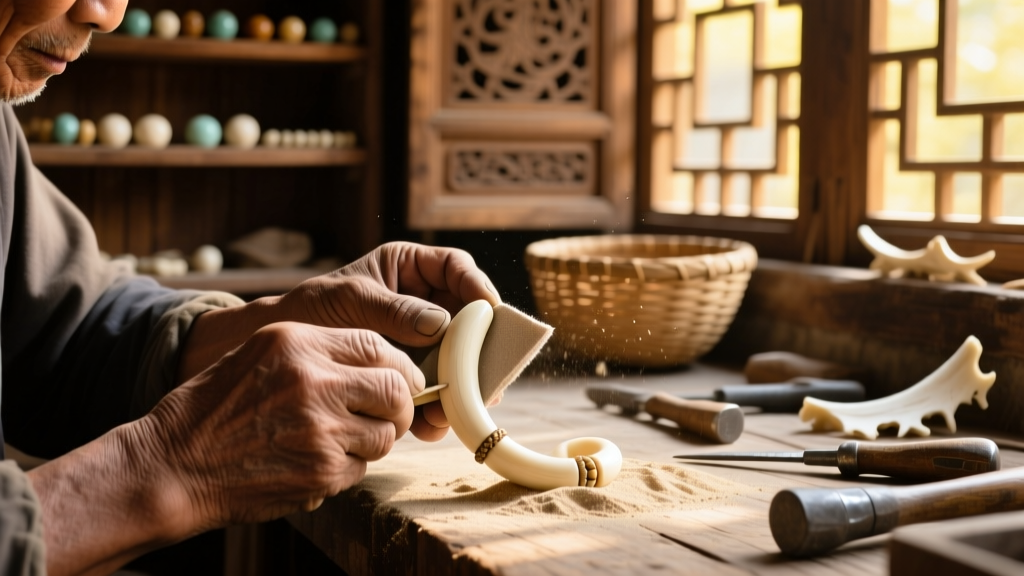
Gifting in 2026 demands transparency. The trade of elephant ivory and certain marine ivories is strictly banned under CITES (the Convention on International Trade in Endangered Species). Camel bone provides a 100% ethical, cruelty-free alternative. The raw material is sourced exclusively from camels that have died of natural causes or were processed for the meat industry in regions like North Africa and the Indian subcontinent. By choosing a Fair Trade certified artisan cooperative, your gift directly supports heritage carving communities, preserving ancient techniques that are at risk of being lost to industrial manufacturing.
Occasion Matching: Who to Gift Camel Bone To
A camel bone necklace is not a one-size-fits-all present. Its distinct aesthetic and organic origins make it the perfect targeted gift for specific personalities and milestones.
For the Ethical Fashion Advocate
If your recipient is deeply invested in sustainable fashion, zero-waste lifestyles, and eco-conscious living, a camel bone necklace is a profound acknowledgment of their values. Opt for a minimalist, geometric pendant (roughly 25mm to 35mm in diameter) strung on a recycled hemp cord or a 1.5mm oxidized sterling silver rolo chain. This combination highlights the raw, unbleached beauty of the bone while maintaining a modern, architectural silhouette. It is an ideal gift for Earth Day, milestone birthdays, or as a thoughtful "thinking of you" gesture that aligns with their moral compass.
For the Boho-Chic Traveler
For the free spirit who collects artifacts from their global travels, look for heavily carved, openwork designs. Berber artisans in Morocco and traditional carvers in India specialize in intricate mandala and lotus motifs. A large, 50mm pierced camel bone pendant layered over a raw silk blouse or a linen tunic perfectly captures the bohemian ethos. Gift this for a gap-year send-off, a graduation, or a creative anniversary.
The 2nd Anniversary (Traditional/Bone Alternative)
While cotton is the traditional second-anniversary gift, modern couples often seek more enduring symbols of their bond. Because camel bone represents resilience, endurance, and the ability to thrive in harsh environments (much like the camel itself), it serves as a deeply poetic metaphor for a marriage that has weathered its first major challenges. A matched set of camel bone and brass bead necklaces can serve as a beautiful, unconventional anniversary token.
Decoding Carving Techniques & Pricing Matrix
The value of a camel bone necklace is dictated less by the raw material and more by the hours of meticulous hand-carving required. Use this matrix to select the right piece based on your budget and the recipient's style preferences.
| Carving Technique | Description & Visual Impact | Price Range (USD) | Best Gift For |
|---|---|---|---|
| Incised (Kerbschnitt) | Surface etching where geometric or floral lines are carved out and filled with dark wax or resin for high contrast. | $35 - $75 | Minimalists, everyday wearers, office-appropriate boho. |
| Bas-Relief | Raised 3D motifs where the background is carved away, leaving the subject (like a lotus or elephant) prominent. | $80 - $150 | Art lovers, statement piece seekers, vintage enthusiasts. |
| Openwork (Pierced) | Lattice-like cutouts resembling lace. Requires master-level precision to avoid fracturing the dense bone. | $120 - $250+ | High-fashion boho, gallery curators, luxury artisan collectors. |
The Unboxing Experience: Care Cards & Maintenance
Organic gem materials are hygroscopic, meaning they absorb moisture from their environment. Unlike gold or platinum, a camel bone necklace requires a specific care regimen to prevent cracking, warping, or the breakdown of its natural collagen matrix. When gifting this piece, elevating the unboxing experience by including a handwritten "Care & Maintenance" card will demonstrate your thoughtfulness and expertise.
Include the following actionable care instructions with your gift:
- The Sealing Process: Camel bone should be sealed every 6 to 12 months. Recommend rubbing a tiny amount of pure carnauba wax, beeswax, or food-grade mineral oil into the pendant using a soft microfiber cloth. Avoid vegetable oils (like olive oil), which can go rancid over time and leave an unpleasant odor.
- Chemical Avoidance: Warn the recipient to apply perfumes, hairsprays, and lotions before putting on the necklace. The alcohol and synthetic chemicals in cosmetics can strip the bone's natural oils and cause severe micro-cracking.
- Water Exposure: While a brief splash of rain won't ruin the piece, prolonged submersion (like swimming or showering) will cause the bone to swell and eventually warp.
- Storage: Store the necklace in a breathable cotton pouch rather than an airtight plastic bag. Plastic traps ambient humidity, which can encourage mold growth on porous organic materials.
Final Thoughts on Gifting Organic Artistry
A camel bone necklace is more than just an accessory; it is a wearable piece of history, a triumph of ethical sourcing, and a testament to human dexterity. By understanding the material density, respecting the artisan carving techniques, and matching the specific aesthetic to your recipient's lifestyle, you transform a simple jewelry purchase into a deeply meaningful 2026 gifting experience. Whether you choose a dark-stained Berber choker or a delicate, wax-inlaid Rajasthani pendant, you are gifting a resilient, beautiful artifact that will only grow more stunning as it ages alongside its wearer.


