Real Nano Bible Necklace Value: 2026 Pricing Guide
Discover the true value of a nano bible necklace in 2026. We break down pricing tiers, material grades, and micro-etching quality to help you buy smart.

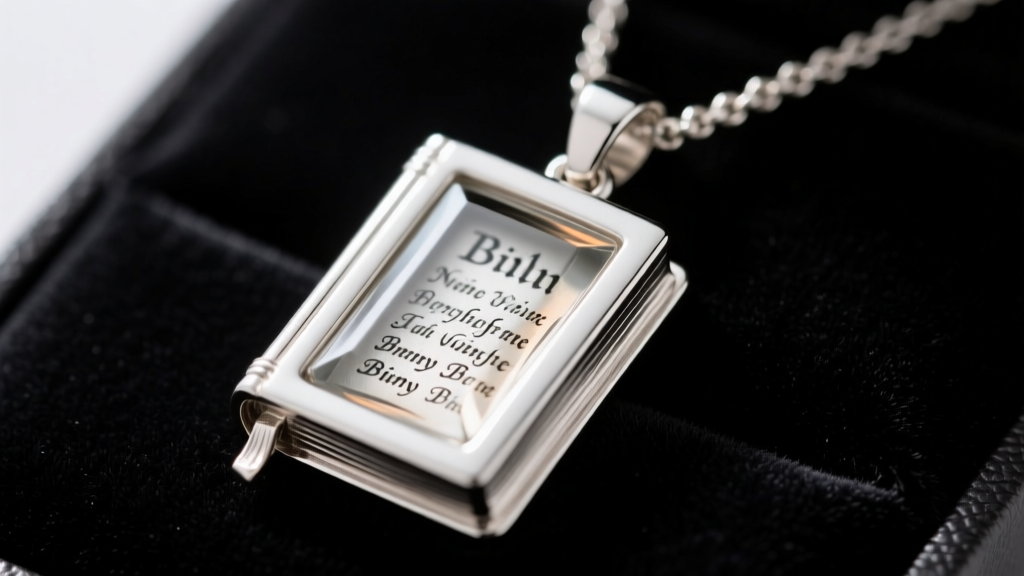
The Anatomy of Micro-Etched Religious Jewelry
The nano bible necklace has evolved from a novelty item into a sophisticated intersection of faith, micro-technology, and fine jewelry. In 2026, the market is saturated with varying degrees of quality, making it increasingly difficult for buyers to distinguish between a genuine feat of micro-engineering and a cheap optical illusion. True nano-etching utilizes photolithography or 355nm UV cold-laser marking to inscribe the complete text of the Bible onto a surface area smaller than a grain of rice. However, the value of these pieces is not just in the text—it is in the metallurgical housing, the optical clarity of the viewing window, and the longevity of the chain.
When conducting a budget and value assessment, you must look past the marketing buzzwords. According to industry standards outlined by Jewelers of America, the longevity of any pendant relies heavily on the structural integrity of its bail and the environmental sealing of its core components. A nano pendant that allows moisture ingress will destroy the micro-text within months, rendering the piece worthless.
Material Breakdown: What Justifies the Price?
To accurately assess value, we must deconstruct the materials used in the pendant's core and casing. The optical medium housing the text dictates both the immediate visual appeal and the long-term archival stability of the necklace.
| Core Material | Refractive Index | Mohs Hardness | Archival Lifespan | Value Tier |
|---|---|---|---|---|
| Epoxy Resin (Printed Film) | 1.50 - 1.55 | 2.0 - 2.5 | 1 - 3 Years | Budget |
| K9 Optical Glass (Laser Etched) | 1.5168 | 6.0 - 7.0 | 50+ Years | Mid-Range |
| Synthetic Sapphire Crystal | 1.76 - 1.77 | 9.0 | Centuries | Luxury |
| Silicon Wafer (Photolithography) | N/A (Opaque) | 7.0 | Indefinite | Tech-Luxury |
As noted in the GIA Gem Encyclopedia, materials with a Mohs hardness below 5.0 are highly susceptible to micro-abrasions. When resin is used to encase a printed film of the Bible, daily wear against clothing will eventually cloud the exterior, making the internal text impossible to view under a macro lens.
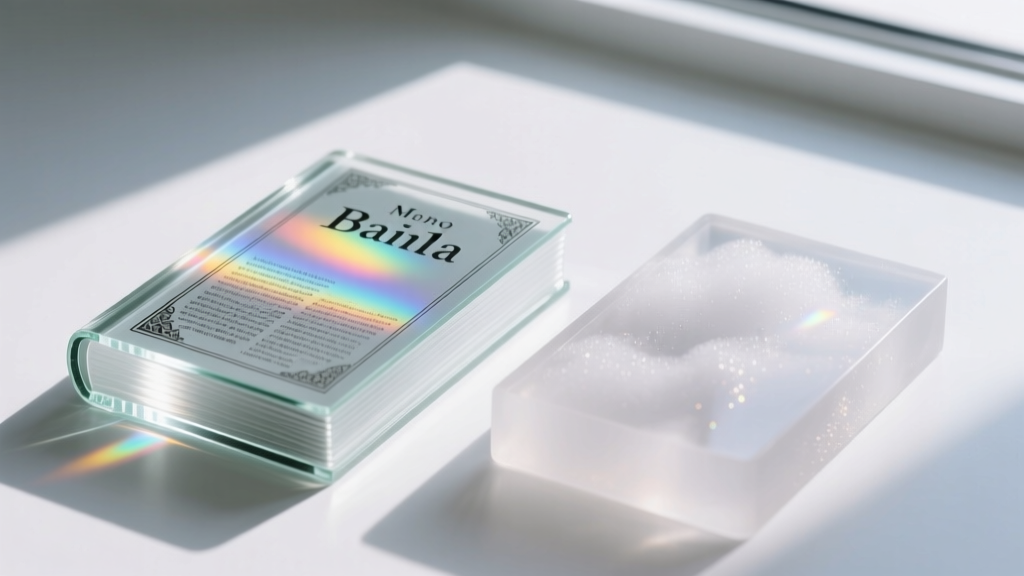
2026 Pricing Tiers: Are You Overpaying?
The price of a nano bible necklace should directly correlate with its material composition and manufacturing technique. Here is the definitive 2026 pricing framework to ensure you are allocating your budget correctly.
Tier 1: The Budget Trap ($12 - $28)
At this price point, you are not buying nano-technology; you are buying a micro-printed film sandwiched between two layers of polyurethane or cheap epoxy resin, set in 316L stainless steel or zinc alloy. Failure mode: UV degradation causes the resin to yellow within 18 months, and the spring-ring clasps on these chains typically fail after 400 actuations. Value assessment: Poor long-term investment, suitable only as a temporary novelty.
Tier 2: The Mid-Range Sweet Spot ($45 - $89)
This is where genuine value emerges. Pendants in this tier feature a 925 sterling silver casing with a 0.5-micron rhodium flash plating to prevent copper-induced tarnishing. The core utilizes K9 optical glass, laser-etched with a UV wavelength that prevents thermal micro-fractures. Value assessment: Excellent. You are paying for archival optical clarity and a hypoallergenic, durable casing that will last decades.
Tier 3: Luxury & Tech-Precision ($120 - $250+)
Luxury iterations utilize 14k or 18k solid gold housings and synthetic sapphire crystal windows. Some high-end tech-jewelers use actual silicon wafers, requiring the user to view the text via a specialized digital macro-lens attachment rather than the naked eye. Value assessment: High intrinsic metal value and unparalleled technological novelty, though the markup on the brand name can sometimes exceed 40%.
Chain Quality: The Hidden Cost Multiplier
A common mistake buyers make is fixating entirely on the nano pendant while ignoring the chain. A $70 optical glass pendant hung on a $4 hollow chain is a severe misallocation of budget.
- 0.8mm Box Chains: Often included in mid-tier necklaces. They are prone to kinking if bent past a 45-degree angle. Once kinked, the structural integrity is permanently compromised.
- 1.2mm Cable or Rolo Chains: The ideal standard for a nano bible necklace. They offer sufficient tensile strength to support a solid silver or gold pendant (typically weighing 4-8 grams) without stretching.
- Clasp Mechanics: Always inspect the clasp. A cast lobster clasp with a reinforced, soldered jump ring is mandatory. Avoid hollow spring rings, which rely on a weak internal tension spring that degrades rapidly with exposure to skin oils and cosmetics.
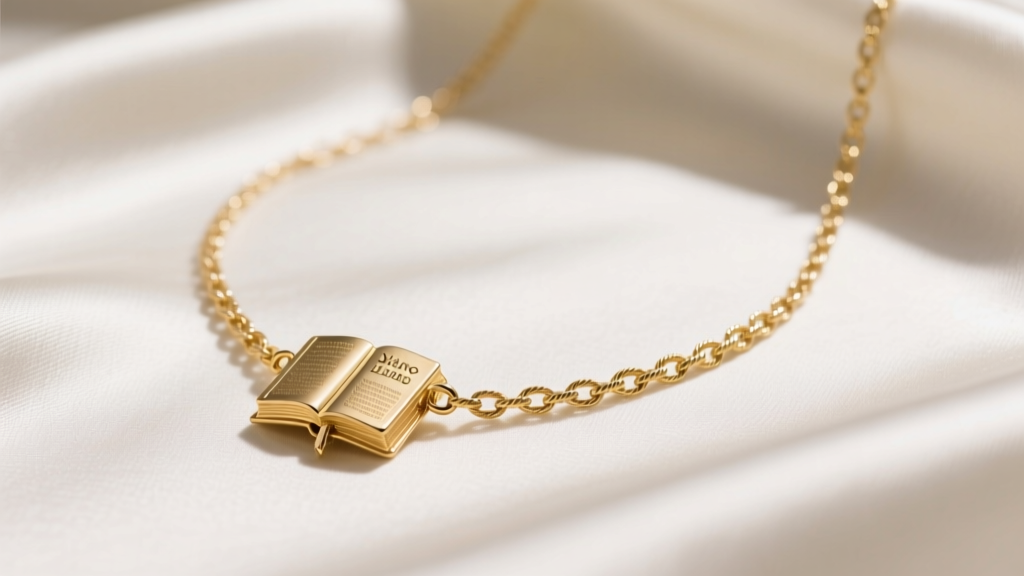
Failure Modes: Why Cheap Nano Pendants Degrade
Understanding how these necklaces fail is crucial for assessing value. The most prevalent point of failure in sub-$40 nano bible necklaces is moisture ingress. Budget manufacturers often use simple pressure-fitting or low-grade cyanoacrylate adhesives to seal the glass or resin window. When exposed to the high humidity of a shower or the salinity of sweat, the adhesive breaks down. Moisture enters the micro-chamber, causing the printed film to delaminate or the laser-etched glass to develop internal condensation that cannot be wiped away.
Expert Rule of Thumb: If the product listing does not explicitly state 'hermetically sealed' or 'O-ring gasket enclosure,' assume the pendant is not water-resistant and remove it before any physical activity.
Final Verdict: Budget Allocation Framework
When shopping for a nano bible necklace in 2026, your budget should be weighted heavily toward optical clarity and environmental sealing. Allocate at least 70% of your budget to the pendant's core technology (K9 glass or Sapphire) and casing metal (Rhodium-plated 925 silver or solid gold). The remaining 30% should ensure you receive a mechanically sound 1.2mm chain with a soldered lobster clasp. By applying this strict material and pricing framework, you can confidently avoid the inflated novelty market and invest in a piece of micro-engineered religious jewelry that will endure for a lifetime.


