Five Finger Necklace Gift Guide: Styles & Occasions
Discover the perfect five finger necklace for any occasion. Our gift guide covers hand-chain harnesses, anatomical pendants, and expert styling tips.

The Rise of Avant-Garde Gifting
When it comes to editorial and alternative jewelry gifting, standard pendants and simple chains often fall short of making a memorable impact. In 2026, the demand for sculptural, body-conscious jewelry has surged, bringing the five finger necklace into the spotlight. While the term might initially sound like a misnomer to the uninitiated, it actually refers to two highly sought-after, distinct categories of avant-garde jewelry: the neck-to-finger chain harness (which physically connects a necklace to a ring on the hand) and the anatomical five-finger hand pendant (a sculptural motif representing the human hand). Both styles offer a bold, unconventional aesthetic that makes for an unforgettable gift for the fashion-forward recipient.
Choosing the right piece requires an understanding of structural engineering, material grades, and occasion matching. This comprehensive guide will walk you through the exact specifications, sizing requirements, and styling nuances necessary to select a high-quality piece that will withstand the test of time and movement.
Decoding the Styles: Harnesses vs. Pendants
The Neck-to-Finger Chain Harness
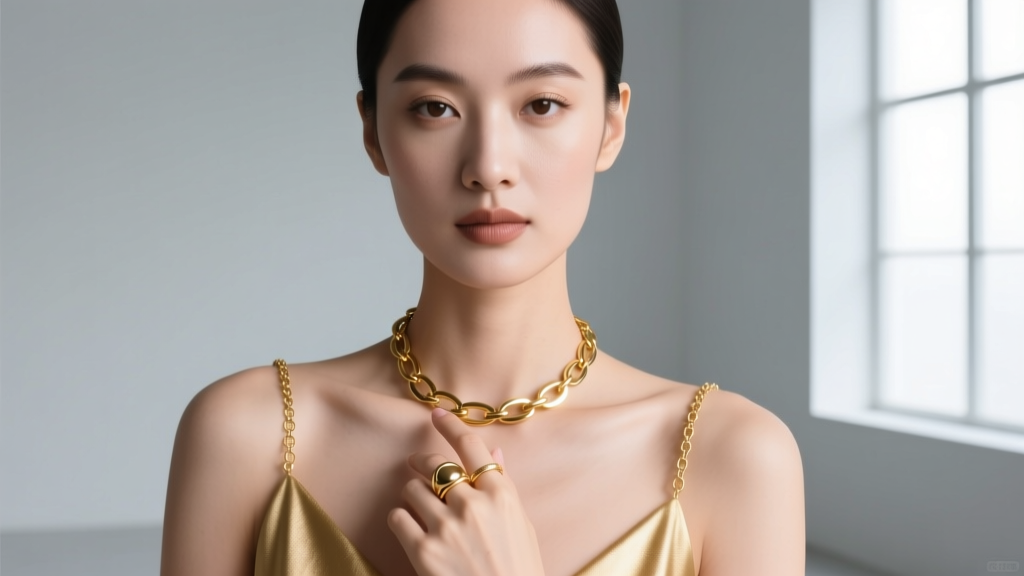
The harness style is a triumph of body-chain engineering. It features a collar or choker that drapes down the chest, terminating in a chain that connects directly to a ring worn on one of the five fingers. This creates a continuous, sweeping line of metal that moves dynamically with the wearer. Because the hand is in constant motion, the chain and its anchor points are subjected to continuous lateral torque and tension. Gifting a harness requires strict attention to the chain gauge and the ring's structural integrity.
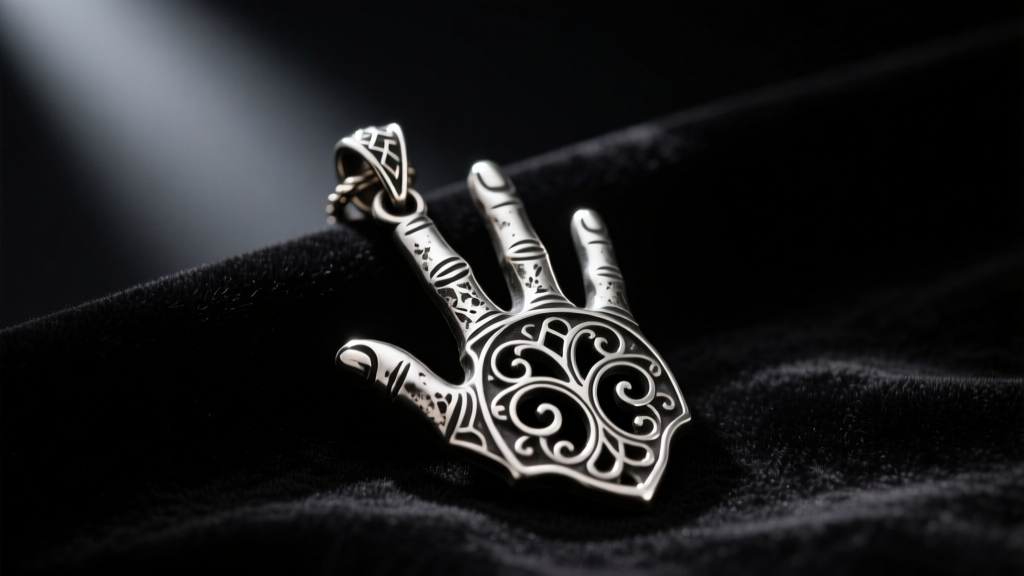
The Anatomical Five-Finger Pendant
For those who prefer a traditional necklace silhouette with an edge, the anatomical pendant is the ideal choice. These pendants are typically created using lost-wax casting to capture the intricate details of the phalanges, knuckles, and tendons of a human hand. Often symbolizing protection, creation, or mysticism (akin to the Hamsa but with a raw, realistic edge), these pendants are usually cast in heavy sterling silver or bronze and suspended from a robust rope or box chain.
Occasion Matching Matrix
Matching the specific style of the jewelry to the recipient's lifestyle and the gifting occasion is critical. Use the table below to determine the best configuration for your gift.
| Occasion | Recommended Style | Material Grade | Chain Gauge | Est. Price Range |
|---|---|---|---|---|
| Alternative / Gothic Wedding | Neck-to-Finger Harness | 14k Gold or Rhodium-Plated Silver | 2.0mm - 2.5mm Curb | $450 - $1,200 |
| Milestone Birthday (21st, 30th) | Anatomical Hand Pendant | Oxidized 925 Sterling Silver | 3.0mm Box Chain | $150 - $350 |
| Editorial Fashion / Runway Gift | Multi-Strand Harness | ASTM F136 Titanium & Gold Vermeil | 1.5mm Cable (Layered) | $250 - $600 |
| Anniversary (Edgy/Romantic) | Skeleton Hand Pendant | 18k Solid Yellow Gold | 2.0mm Rope Chain | $800 - $2,500+ |
Material Grades and Engineering Specifications
The longevity of any hand-connected jewelry relies heavily on the materials used. According to the Gemological Institute of America (GIA), 925 sterling silver is the standard for artisan pendants, but it requires proper alloying to prevent bending. For a five finger necklace pendant, look for pieces that are slightly rhodium-plated or e-coated to prevent sulfur-induced tarnishing, especially if the pendant rests against the skin's moisture-heavy décolletage area.
For the neck-to-finger harness, the ring component is the most critical element. Never gift a harness with an adjustable tension ring. The constant pulling from the chain will warp an adjustable band, leading to loss of the entire piece. The ring must be a fully soldered, closed band. Furthermore, if the recipient has sensitive skin or metal allergies, the ring should be crafted from ASTM F136 Grade 23 Titanium, which is entirely nickel-free and biocompatible, while the chain can be crafted from gold vermeil or stainless steel.
"A well-crafted harness relies on the structural integrity of its anchor points. Never rely on unsoldered split rings for neck-to-hand chains; the lateral torque from everyday hand movements will easily pry them open."
Sizing the Harness: A Precision Requirement
Gifting a neck-to-finger chain harness is more complex than buying a standard pendant because it requires two distinct measurements: the neck circumference and the neck-to-finger drop length.
- The Collar: Must sit flush against the base of the neck (typically 14 to 16 inches) to prevent the chain from catching on clothing.
- The Drop Chain: Must be measured from the collarbone anchor point down to the specific finger (usually the index or middle finger) while the recipient's arm is resting naturally at their side. If the chain is too short, it will restrict hand movement and snap under tension. If it is too long, it will snag on objects.
- The Ring Size: Must be exact. Because the ring acts as the terminal anchor for the chain's kinetic energy, a loose ring will spin, twisting the chain and causing premature metal fatigue.
Care, Maintenance, and Common Failure Modes
Avant-garde jewelry requires specific maintenance routines to preserve its structural integrity and aesthetic finish. As noted by Jewelers Mutual, proper storage and cleaning are paramount for intricate silver pieces. When caring for a five finger necklace, be aware of the following common failure modes and maintenance protocols:
1. Jump Ring Fatigue
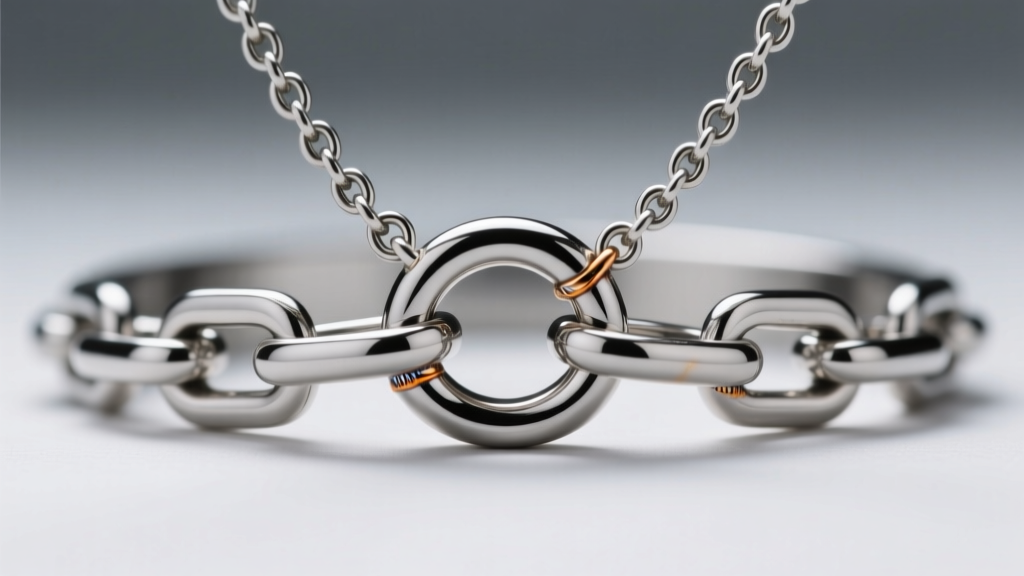
The most common point of failure on a chain harness is the jump ring connecting the chain to the ring shank. If this jump ring is not soldered shut, the repetitive up-and-down motion of walking and gesturing will slowly pry the metal gap open. Always inspect this connection point before gifting, and opt for pieces where the jeweler has laser-welded or soldered the connection.
2. Chain Stretch and Warping
Delicate cable chains (under 1.2mm) are highly susceptible to stretching when subjected to the weight and pull of hand movements. For harnesses, always select a curb, rope, or box chain with a minimum thickness of 1.5mm to 2.0mm. These weaves distribute lateral tension more evenly across the links.
3. Oxidation in Crevices
For anatomical five-finger pendants, the deep crevices between the cast fingers trap skin oils, lotions, and environmental sulfur. Clean these pieces using a soft-bristled baby toothbrush and a mild, phosphate-free dish soap. Avoid ultrasonic cleaners if the pendant features mixed media or oxidized (blackened) detailing, as the high-frequency vibrations and harsh chemicals can strip the intentional antiquing from the silver.
Final Thoughts on Gifting Edge
The five finger necklace represents a departure from traditional, safe jewelry gifting. Whether you are selecting a sweeping, kinetic hand-chain harness for a high-fashion enthusiast or a meticulously cast anatomical pendant for a lover of dark academia and gothic aesthetics, the key to a successful gift lies in the engineering details. By prioritizing soldered anchor points, appropriate chain gauges, and precise sizing, you ensure that your bold gift remains a wearable masterpiece for years to come.


