How to Style Sam's Cool Grandma Necklace: A Step-by-Step Guide
Learn how to build and layer Sam's cool grandma necklace aesthetic. Our step-by-step guide covers chain gauges, vintage lockets, and modern pairings.

The Anatomy of the 'Grandmacore' Aesthetic
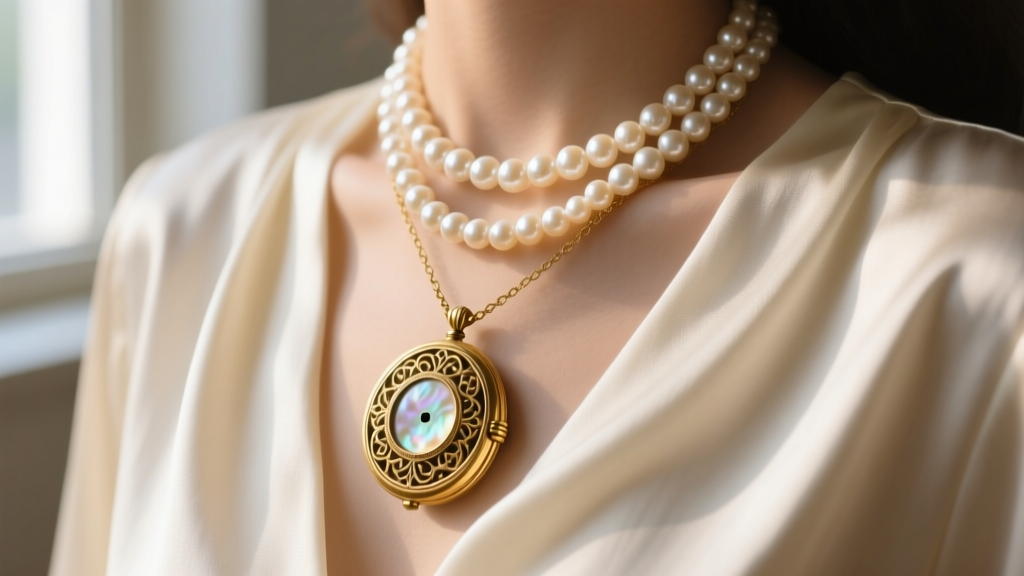
If you have spent any time on fashion-focused social feeds recently, you have likely encountered the viral styling archetype known as Sam's cool grandma necklace. This is not a single, off-the-shelf product; rather, it is a highly specific, curated layering technique that blends nostalgic heirloom pieces with modern, structural hardware. The aesthetic relies on the tension between delicate vintage motifs—like guilloché enamel lockets or carved shell cameos—and chunky, utilitarian chain links. As Vogue Jewelry Trends has noted, the modern revival of 'grandmacore' jewelry is less about wearing actual antiques and more about mastering the proportions of mixed-era styling.
Building this exact look requires a keen eye for metallurgical durability, precise chain gauges, and an understanding of how different pendants interact with varying neckline depths. In this step-by-step guide, we will break down exactly how to source, assemble, and maintain your own version of this iconic layered necklace stack.
Step 1: Sourcing the Base Chain (Gauge and Material Specifics)
The foundation of Sam's cool grandma necklace is a mid-weight, textured chain that serves as the anchor for the hero pendant. The most accurate chain style for this look is a vintage Figaro or a classic Rope chain. However, the gauge (thickness) is where most enthusiasts make their first mistake.
Dialing in the Gauge
For the 20-to-22-inch anchor chain, you need a width between 3.5mm and 4.5mm. Anything thinner (like a standard 1.5mm cable chain) will look too delicate and fail to support the visual weight of a vintage locket. Anything thicker than 5.5mm crosses into heavy streetwear territory, losing the refined, nostalgic essence of the 'grandma' aesthetic.
Material Grades: Solid vs. Gold-Filled
According to the Gemological Institute of America (GIA), understanding gold alloys and plating is crucial for longevity. If a solid 14k gold 4mm Figaro chain is outside your budget (typically ranging from $800 to $1,400 depending on the gram weight), opt for 14k Gold-Filled rather than Vermeil. Gold-filled chains feature a brass core with a mechanically bonded layer of gold that must constitute at least 5% of the total weight (stamped as 1/20 14k GF). This makes them vastly superior to Vermeil (sterling silver plated with a minimum of 2.5 microns of gold) for heavy chains, as the gold layer will not easily wear off from friction against the collarbone.
Step 2: Selecting the Hero Pendant (Lockets and Cameos)
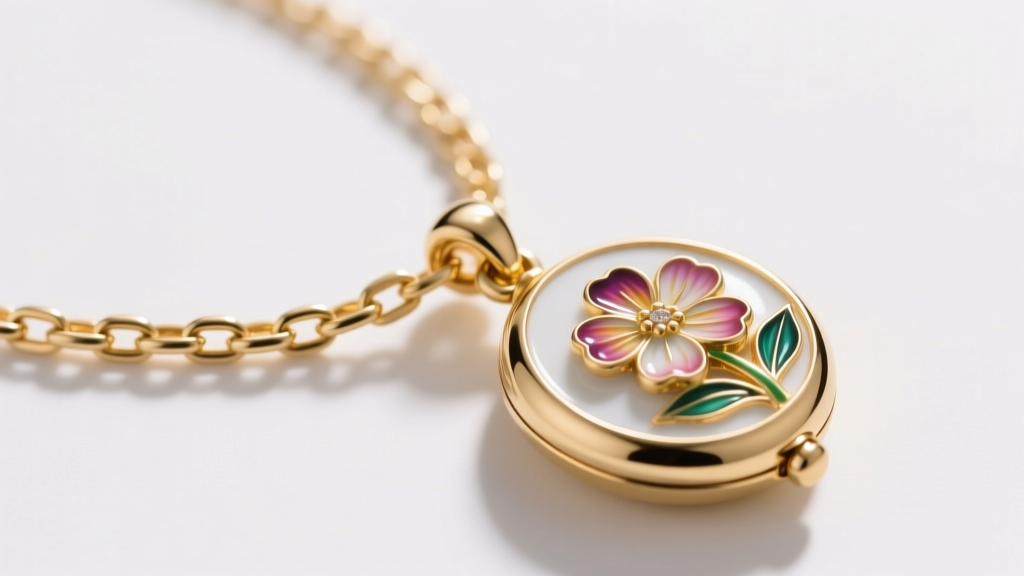
The soul of this necklace stack is the hero pendant. The quintessential choice is a vintage-style enamel portrait locket or a carved shell cameo. When sourcing these pieces, you must pay strict attention to the bail dimensions—the loop that connects the pendant to the chain.
The Bail-to-Chain Ratio
A common failure mode in DIY layering is a pendant that sits stiffly because the bail is too small for the chain. If you are using a 4.0mm Figaro chain, the inner diameter of the pendant's bail must be at least 5.5mm to 6.0mm. This extra 1.5mm of clearance allows the chain links to articulate smoothly through the bail, ensuring the locket lays flat against the sternum rather than jutting out awkwardly.
Enamel and Carving Quality
Look for guilloché enamel lockets, where the enamel is fired over an engraved metal base, creating a mesmerizing, sunburst-like depth. For cameos, seek out carved agate or shell with high relief (where the carved figure protrudes significantly from the background). Avoid cheap, laser-etched resin cameos, as they lack the shadow and depth required to catch the light when layered.
Step 3: The Layering Formula
Sam's cool grandma necklace never exists in isolation. It requires a carefully calibrated stack to create the effortless, eclectic vibe. Below is the exact structural blueprint for achieving the perfect drape without the chains tangling.
| Layer Position | Length | Chain Style | Gauge / Width | Pendant Type |
|---|---|---|---|---|
| Base (Choker) | 15" - 16" | Baroque Pearl Strand | 7mm - 8mm Pearls | None or small 3mm gold bead |
| Mid (Hero) | 20" - 22" | Figaro or Rope | 3.5mm - 4.5mm | Enamel Locket or Shell Cameo |
| Long (Anchor) | 26" - 28" | Box or Cable | 1.2mm - 1.5mm | Vintage Coin or Medallion |
Why This Formula Works
The 5-to-6-inch gap between each layer prevents the metal links from catching on the pearl nacre or the pendant bails. The base layer of 7-8mm freshwater baroque pearls introduces an organic, asymmetrical texture that contrasts beautifully with the rigid, geometric links of the 4mm gold Figaro chain. The long, delicate 28-inch box chain acts as a visual anchor, drawing the eye downward and elongating the torso.
Step 4: Modernizing the Vintage Aesthetic
To ensure your stack looks intentional and contemporary rather than like a literal costume, you must introduce at least one modern, high-brilliance element. The most effective way to do this is by integrating a bezel-set diamond or moissanite solitaire on a 17-inch invisible wire or ultra-thin 1.0mm chain, tucked just beneath the pearl choker.
This sharp, modern sparkle disrupts the matte, antique finishes of the cameos and enamel, signaling that the styling is deliberate. Furthermore, do not be afraid to mix metal tones. While the hero chain and locket should match (e.g., yellow gold), introducing a white gold or platinum element in the longest layer adds a sophisticated, eclectic edge that defines the 'cool' aspect of the grandma aesthetic.
Maintenance and Tarnish Prevention
Layering multiple chains and organic materials increases the maintenance required to keep your jewelry pristine. The friction between a gold-filled chain and a freshwater pearl strand can degrade the pearl's nacre over time if not stored correctly.
Cleaning Protocols
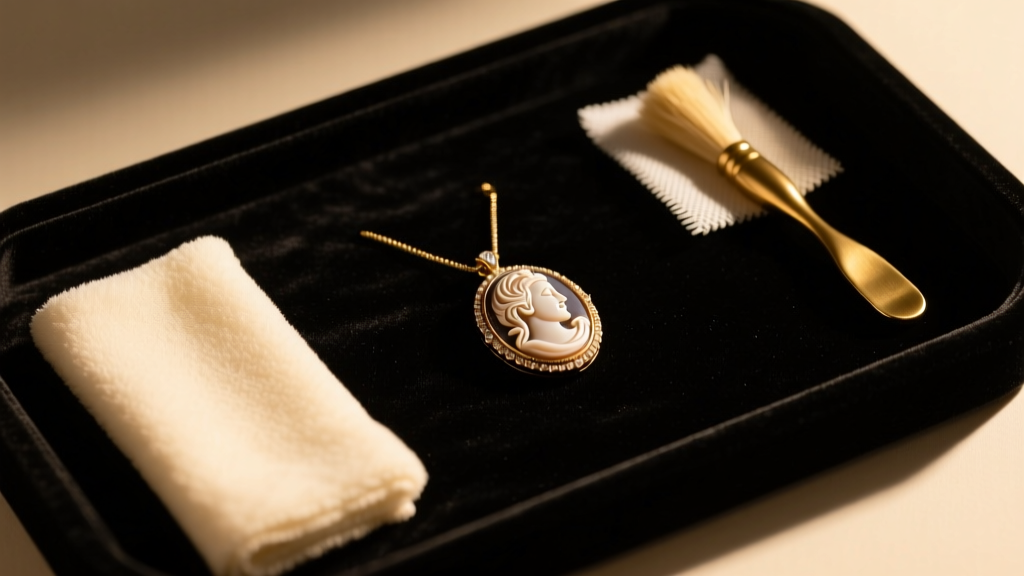
- Gold Chains and Lockets: Use a mild dish soap and warm water solution with a soft-bristled baby toothbrush to clean the crevices of the Figaro links and the intricate hinges of the locket. Dry thoroughly with a microfiber cloth.
- Pearls and Cameos: Never use ultrasonic cleaners or harsh chemical dips on pearls or carved shell. The high-frequency vibrations can shatter shell cameos, and chemicals will strip the organic nacre of its luster. Simply wipe them down with a damp, lint-free cloth after wearing.
- Storage: Store the layers completely separated. Hang the chains on a multi-tiered jewelry stand to prevent knotting, and keep the pearls in a soft silk pouch. Include anti-tarnish strips (like 3M Silver Shield) in your storage area to neutralize sulfur compounds in the air that cause gold alloys to dull.
Final Thoughts on Proportion and Styling
Mastering Sam's cool grandma necklace is ultimately an exercise in proportion and historical appreciation. By respecting the structural requirements of chain gauges, bail sizing, and material integrity, you elevate a simple internet trend into a permanent, high-quality fixture of your personal jewelry collection. Whether you are pairing this stack with a crisp white button-down or a slouchy cashmere sweater, the interplay of heavy gold, delicate pearls, and intricate enamel will always command attention.


