How to Clean a Plastic Necklace with Charms from the 80's
Learn expert conservation techniques to safely clean, restore, and preserve a vintage plastic necklace with charms from the 80's without causing damage.

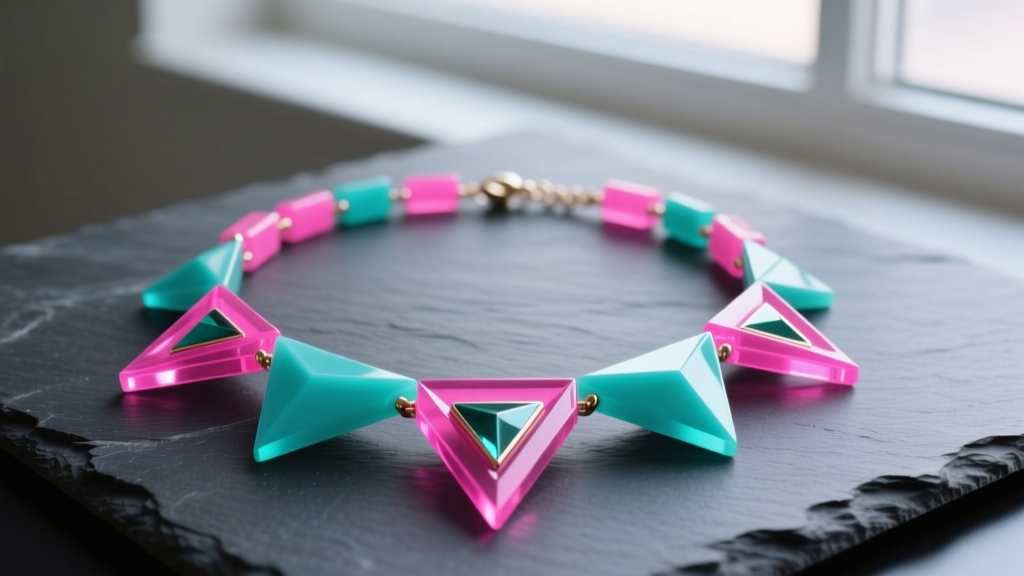
The resurgence of Y2K and late-20th-century costume jewelry has made vintage accessories highly sought after in 2026. Among the most iconic and fragile pieces is the classic plastic necklace with charms from the 80's. Whether you have inherited a chunky neon acrylic statement piece or found a delicate Lucite choker adorned with geometric pendants at an estate sale, cleaning these items requires a deep understanding of mid-century polymer chemistry. Unlike glass or precious metals, 1980s plastics are actively degrading. Using the wrong cleaning agent can instantly melt a charm, cloud a pendant, or dissolve the adhesive holding rhinestones in place. This comprehensive conservation guide will walk you through the exact, museum-approved protocols for safely cleaning and preserving your vintage 80s plastic jewelry.
The Unique Chemistry of 1980s Plastic Jewelry
To properly care for a plastic necklace with charms from the 80's, you must first identify the polymer. The 1980s costume jewelry industry primarily relied on three types of plastics:
- Polymethyl Methacrylate (PMMA / Lucite / Acrylic): Used for hard, transparent, or brightly colored opaque charms. It is relatively stable but highly susceptible to solvent damage and micro-scratching.
- Polyvinyl Chloride (PVC): Often used for flexible, jelly-like neon necklaces. PVC contains high levels of plasticizers (phthalates) to maintain flexibility.
- Polystyrene (PS): Used for cheap, brittle, molded charms. It is exceptionally fragile and prone to snapping under minor pressure.
The most common issue you will encounter with 1980s PVC and flexible acrylics is plasticizer migration. Over decades, the chemical plasticizers that keep the necklace flexible begin to leach to the surface. This creates a sticky, acidic, and often foul-smelling film that attracts dust and degrades the polymer chain. Removing this exudation safely is the primary goal of your cleaning protocol.
The Danger Zone: Cleaning Agents That Destroy Vintage Plastic
Many standard jewelry cleaning hacks found online are actively destructive to vintage polymers. The Canadian Conservation Institute (CCI) explicitly warns against using alcohol-based or alkaline solutions on mid-century plastics. Below is a breakdown of common household cleaners and their catastrophic effects on your 80s necklace.
| Cleaning Agent | Chemical Composition | Effect on 1980s Plastic & Charms |
|---|---|---|
| Rubbing Alcohol | Isopropyl Alcohol | Causes micro-crazing (tiny internal cracks) and permanent clouding in acrylics. |
| Nail Polish Remover | Acetone | Instantly melts the surface of PMMA and Polystyrene; dissolves charm coatings. |
| Hot Water | H2O (>50°C / 122°F) | Warps acrylic shapes and softens the animal-hide glues used on 80s rhinestones. |
| Baking Soda Paste | Sodium Bicarbonate | Acts as a harsh abrasive, leaving permanent micro-scratches on soft Lucite. |
| Ultrasonic Cleaners | High-Frequency Waves | Shatters brittle polystyrene charms and vibrates glued-in stones out of settings. |
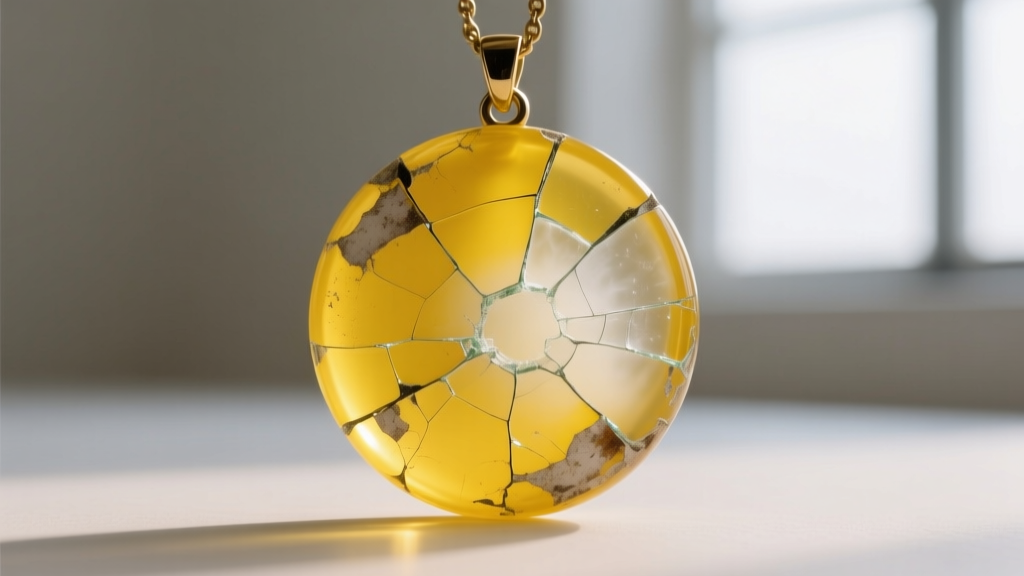
Step-by-Step Restoration and Cleaning Protocol
When dealing with a plastic necklace with charms from the 80's, the golden rule is minimal intervention. You want to remove surface grime and plasticizer exudation without introducing moisture to the metal hardware or glued elements.
Step 1: Surface Dusting and Dry Prep
Never apply liquid to a dusty necklace; you will simply create an abrasive mud that scratches the acrylic. Use a clean, ultra-soft goat-hair makeup brush or a brand-new, dry infant toothbrush to gently sweep away loose particulate matter from the crevices of the charms and the chain links. Inspect the necklace under a bright LED light to identify any loose jump rings or cracking plastic before introducing moisture.
Step 2: The Distilled Water and Surfactant Wash
Tap water contains dissolved minerals (calcium and magnesium) that will leave stubborn water spots on clear Lucite charms. Always use distilled water. Add a single drop of pH-neutral surfactant, such as Dawn Professional Manual Pot and Pan Detergent or Orvus WA Paste, to a bowl of room-temperature distilled water.
Dip a soft microfiber cloth or a cotton swab into the solution, wring it out until it is merely damp, and gently wipe the plastic charms. For heavy plasticizer buildup (the sticky 80s PVC syndrome), you may need to apply the damp cloth to the sticky areas and let it sit for 30 seconds to rehydrate and emulsify the exudation before wiping it away. Never submerge the entire necklace.
Step 3: Drying and Moisture Control
Immediately dry the plastic charms with a lint-free, unbleached cotton cloth. Pay special attention to the areas where the plastic charms meet the metal jump rings. Trapped moisture at these junctions will cause the cheap 1980s pot-metal hardware to oxidize and rust, which can subsequently stain the porous plastic.
Dealing with Mixed Media: Metal Hardware and Rhinestones
A true 80s plastic necklace rarely consists of just plastic. It likely features base-metal clasps, brass jump rings, and glass rhinestones. The Getty Conservation Institute notes that mixed-media plastics are the most challenging to conserve because the cleaning needs of the components directly contradict one another.
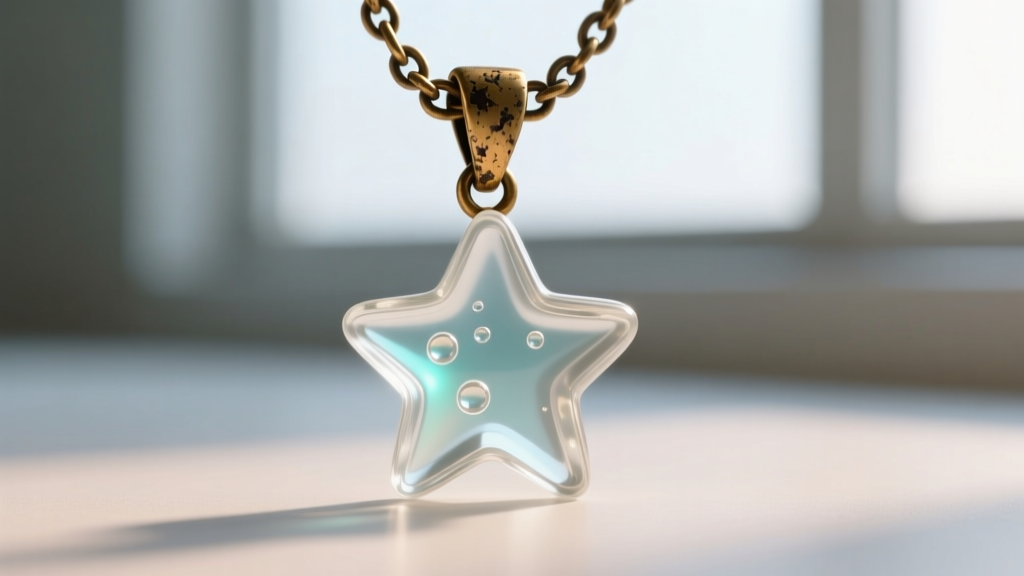
The Rhinestone Rule: Many 1980s charms feature glass or acrylic rhinestones set into the plastic using early cyanoacrylates or water-soluble glues. If water touches the foil backing or the glue line, the stone will turn black or fall out entirely. Clean around rhinestones using a dry wooden toothpick to gently lift grime from the bezel, and avoid any liquid contact.
The Hardware Rule: Do not use silver polish or brass cleaner on the metal chains or clasps while they are attached to the plastic necklace. The chemicals in metal polishes will permanently etch and cloud the adjacent acrylic. If the metal hardware is heavily tarnished, the safest approach is to carefully snip the jump ring, remove the plastic charm, clean the metal separately, and reattach it using a new, archival-quality brass jump ring.
Polishing and Long-Term Storage Strategies
If your clear Lucite or acrylic charms have suffered from light surface scratching or minor clouding from years of wear, you can restore their optical clarity using a specialized plastic polish. Novus Plastic Polish Kit is the industry standard. Use Novus #1 (Clean & Shine) for general smudges, and Novus #2 (Fine Scratch Remover) for light abrasions. Apply with a clean microfiber cloth using gentle, circular motions. Never use Novus #3 (Heavy Scratch Remover) on 80s jewelry, as it is too aggressive and will alter the shape of molded charms.
Archival Storage Environments
How you store your plastic necklace with charms from the 80's dictates how long it will survive. Plastics off-gas as they degrade, and trapping these gases accelerates the breakdown process.
- Avoid Polyethylene (PE) Ziploc Bags: PE plastic traps acidic off-gassing, creating a micro-environment that will melt your vintage charms.
- Use Archival Polyester (Mylar): Store the necklace in unbuffered, acid-free tissue paper, placed inside an archival polyester or polypropylene sleeve. This allows the piece to breathe while protecting it from dust and UV light.
- Climate Control: Store your jewelry in a dark drawer with a stable relative humidity (RH) of 45-55%. High humidity accelerates PVC degradation, while extreme dryness causes acrylics to become brittle and snap.
By treating your 1980s plastic jewelry not just as a fashion accessory, but as a delicate historical artifact, you ensure that its vibrant, neon-soaked legacy survives for decades to come. Proper maintenance is the difference between a cloudy, sticky mess and a pristine, museum-worthy statement piece.


