The Ultimate Hardware Buying Guide for Your DIY Necklace Holder
Discover what to look for when sourcing materials for your DIY necklace holder. Compare wood, metal, and acrylic hardware to prevent tarnish.

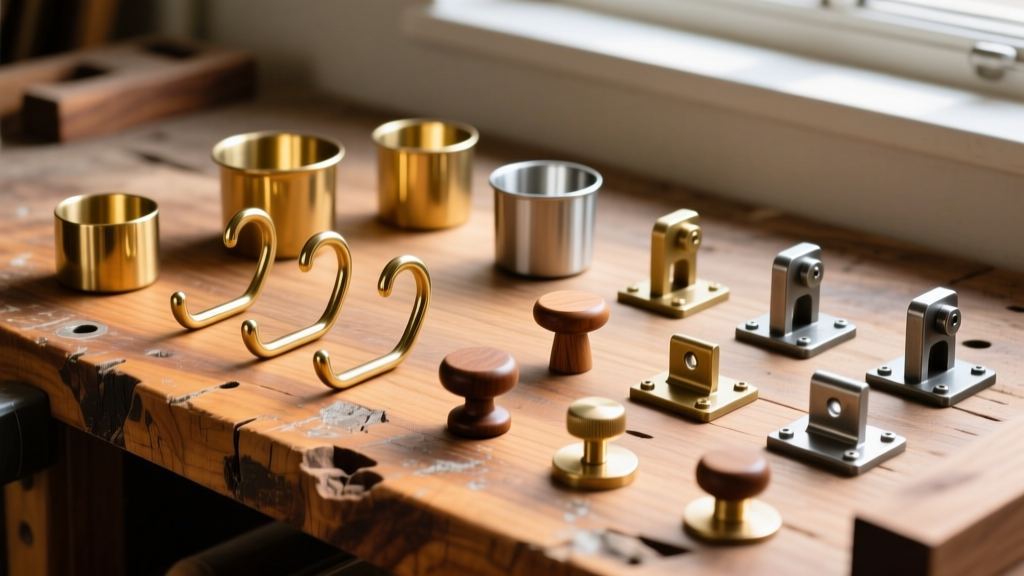
Building a custom jewelry display is one of the most rewarding weekend projects for collectors and crafters alike. However, a quick search for a diy necklace holder tutorial usually yields aesthetically pleasing designs that completely ignore the chemical and structural realities of jewelry storage. When you are sourcing components for your build, the hardware you buy dictates not only the structural integrity of the display but also the long-term preservation of your precious metals and gemstones.
This comprehensive buying guide cuts through the aesthetic fluff. We will break down exactly what to look for when purchasing base materials, hanging mechanisms, liners, and mounting hardware, ensuring your custom creation protects your collection while looking stunning.
The Hidden Chemistry: Why Base Material Selection Matters
Before you buy a beautiful slab of reclaimed wood or a sheet of acrylic, you must understand how base materials interact with precious metals. The primary enemy of silver, copper, and brass is sulfur, but the secondary enemy—often overlooked by DIYers—is acetic acid.
Navigating Wood Acidity and Off-Gassing
Woods like oak, sweet chestnut, and Douglas fir contain high levels of tannic and acetic acids. If you build your diy necklace holder from raw or improperly sealed oak, the wood will continuously off-gas acidic vapors. Over time, this causes severe micro-corrosion on silver chains and degrades the luster of porous gems like pearls and turquoise. If you are buying wood, opt for low-acidity hardwoods like maple, walnut, or cherry.
More importantly, you must buy the right sealant. Avoid oil-based polyurethanes, which can take months to fully cure and release harsh solvents. Instead, purchase a high-quality water-based polycrylic or a dewaxed shellac. These create an impermeable, inert barrier that locks in wood acids without introducing new chemical threats to your jewelry.
Acrylic and Metal Alternatives
If you prefer a modern aesthetic, cast acrylic is a fantastic, chemically inert base material. When buying acrylic sheets, look for cell-cast acrylic rather than extruded, as it is less prone to micro-cracking when you drill pilot holes for your hooks. For metal bases, avoid bare iron or unsealed copper, which can cause galvanic corrosion if your necklaces accidentally brush against the base. Powder-coated steel or anodized aluminum are the safest, most durable purchases.
Sourcing the Hanging Mechanisms: Hooks, Knobs, and Pegs
The hardware that actually touches your necklaces requires careful consideration regarding gauge thickness, weight capacity, and surface finish. A heavy, multi-strand statement necklace can easily weigh between 150 and 250 grams. While this seems light, the dynamic load of taking a necklace on and off the hook puts immense shear stress on the hardware.
Cup Hooks and Screw Eyes
Standard #8 or #10 brass cup hooks are the most common purchase for a diy necklace holder. However, raw brass will oxidize and develop a patina that can transfer to lighter-colored clothing or porous beads. When shopping for hooks, look for nickel-plated brass or 304-grade stainless steel. Stainless steel offers superior shear strength and is completely immune to standard indoor tarnishing. Ensure the threaded shank is at least 1/2 inch long to provide adequate bite into a 3/4-inch wooden base board.
Wooden Dowels and Acrylic Pegs
If you prefer a minimalist look without metal hooks, you will need to buy dowel rods or acrylic pegs. When buying wooden dowels, purchase hardwood species like birch or oak (sealed, of course). Softwood pine dowels will dent and splinter under the weight of heavy chain links. For acrylic pegs, buy rods with a minimum diameter of 1/4 inch (6mm) to prevent bowing under heavy pendants.
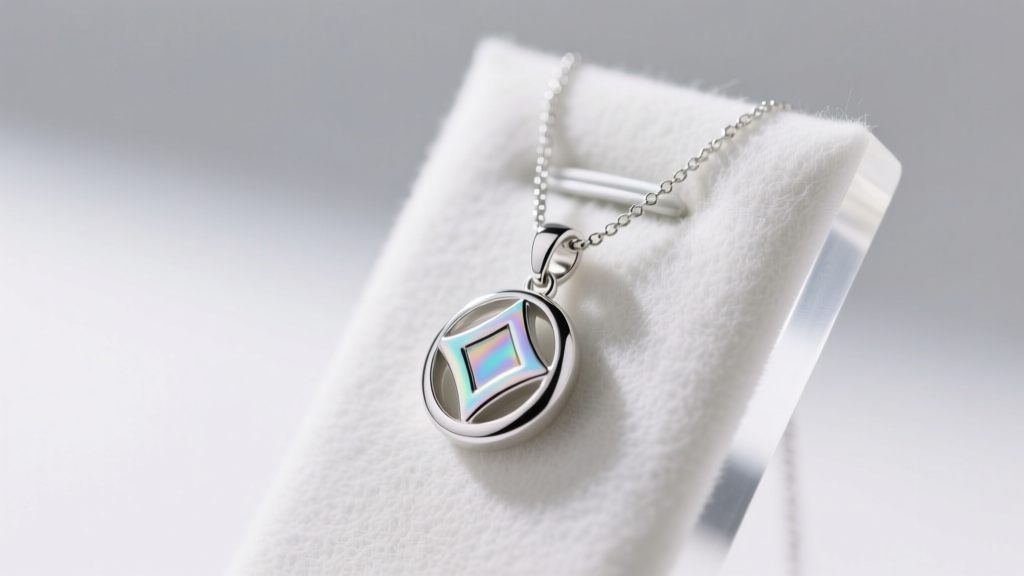
Hardware Comparison Chart
| Hardware Type | Recommended Material | Tarnish Risk | Weight Capacity | Best Use Case |
|---|---|---|---|---|
| #8 Cup Hook | Nickel-Plated Brass | Very Low | ~15 lbs | Standard chains, delicate pendants |
| Straight Peg | 304 Stainless Steel | None | ~25 lbs | Heavy statement pieces, multi-strand |
| Wooden Knob | Sealed Hardwood | Low (if sealed) | ~10 lbs | Long opera-length chains, scarves |
| Acrylic Dowel | Cell-Cast Acrylic | None | ~8 lbs | Modern displays, lightweight layers |
The Felt Trap: What to Buy for Liners and Pads
Many DIYers buy standard craft felt from a fabric store to line the back of their necklace holders or wrap their pegs, believing it adds a protective cushion. Do not do this. Standard craft felt is often dyed using sulfur-based compounds and sized with acidic chemicals. Wrapping your silver chains in craft felt will actually accelerate tarnishing, turning your jewelry black in a matter of weeks.
When shopping for liners, you must buy specialized anti-tarnish flannel or Pacific Silvercloth. These fabrics are embedded with microscopic silver particles that intercept and absorb sulfur gases before they reach your jewelry. Alternatively, buy 100% synthetic, undyed polyester felt, which is chemically inert, though it lacks the active tarnish-absorbing properties of treated silvercloth.
For adhesive, avoid standard super glues or hot glue, which can melt acrylic or leave permanent, cloudy residue on finished wood. Purchase a high-quality, acid-free craft adhesive or double-sided acrylic mounting tape to secure your liners to the base.
Mounting Hardware: Keeping Your Collection Safe
A fully loaded diy necklace holder can easily weigh 15 to 25 pounds. Relying on the small plastic drywall anchors that come free in hardware kits is a recipe for a catastrophic wall failure. You need to buy heavy-duty mounting solutions tailored to your wall type.
French Cleats vs. Toggle Bolts
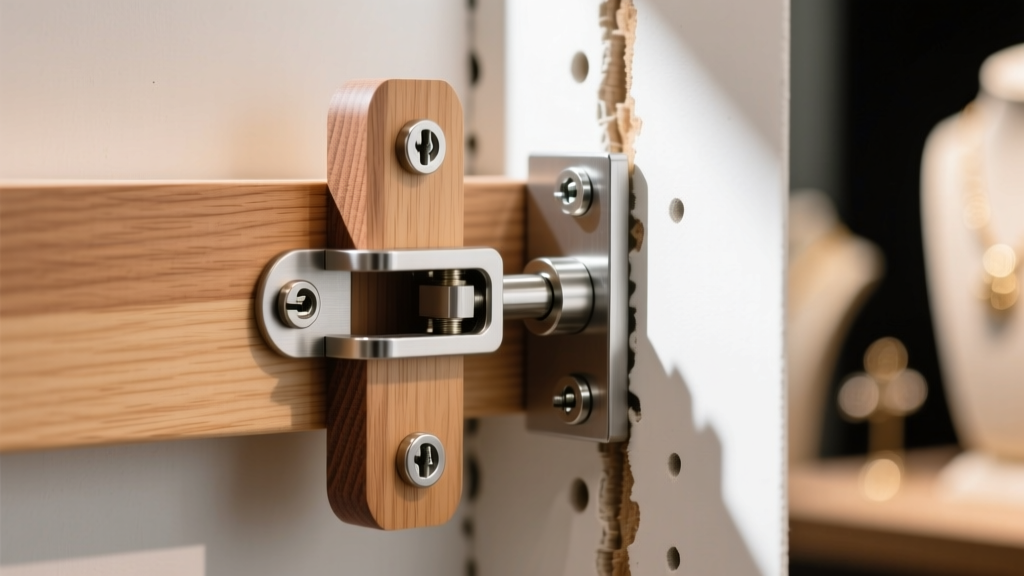
If your display is wide (over 24 inches), the best hardware you can buy is an aluminum French cleat system. A French cleat distributes the weight evenly across a wide horizontal axis, and if you can anchor the wall-side cleat into two wooden wall studs, your display will be virtually immovable.
If your design is smaller or you are forced to mount it in the center of a drywall sheet where no studs are available, skip the plastic expansion anchors. Purchase 3/16-inch or 1/4-inch zinc-plated toggle bolts (also known as butterfly anchors). These spring open behind the drywall, distributing the load across a wide area of the interior wall and safely supporting up to 50 pounds in standard 1/2-inch drywall.
Where to Buy: Sourcing Your Components
Where you buy your hardware is just as important as what you buy. While big-box home improvement stores are fine for basic drywall anchors and standard wood sealants, they often lack the specialized, jewelry-safe materials required for a high-end finish.
- Specialty Jewelry Suppliers: For anti-tarnish felt, Pacific Silvercloth, and specialized display pegs, buy from dedicated jewelry supply houses like Rio Grande or Stuller. They understand the chemistry of metal preservation.
- Industrial Hardware Suppliers: For 304-grade stainless steel hooks, acrylic rods, and heavy-duty toggle bolts, industrial suppliers like McMaster-Carr or Fastenal offer vastly superior quality control and exact material certifications compared to standard retail bins.
- Local Lumber Yards: Skip the warped pine at the hardware store. Visit a local hardwood dealer to buy kiln-dried, low-acidity woods like maple or cherry, ensuring your base is stable and properly acclimated to indoor humidity.
Final Pre-Checkout Checklist
Before you finalize your shopping cart for your diy necklace holder project, run through this quick quality-assurance checklist to ensure your materials will protect your jewelry:
- Base Material: Is the wood sealed with water-based poly, or is the acrylic cell-cast?
- Hook Metal: Are the hooks nickel-plated, stainless steel, or properly coated? (No raw brass or bare copper).
- Liner Fabric: Did you swap standard craft felt for anti-tarnish silvercloth or undyed polyester?
- Mounting Hardware: Do you have toggle bolts or a French cleat rated for at least double the estimated weight of your loaded display?
According to the Gemological Institute of America (GIA), proper storage is the single most effective way to prevent silver sulfide formation and maintain the structural integrity of delicate chain links. Furthermore, experts at Jewelers Mutual emphasize that preventing jewelry from tangling and scratching against hard, unlined surfaces is critical for preserving polished finishes. By investing in the correct, chemically inert hardware from the start, your custom necklace holder will serve as both a beautiful focal point in your room and a functional vault for your most cherished accessories.


