The Best Necklace Lucky Charm Gifts for Every Occasion in 2026
Discover the perfect necklace lucky charm for every occasion in 2026. Our expert gift guide covers materials, symbols, and pricing for meaningful jewelry.

Gifting jewelry transcends mere aesthetics; it is an exercise in emotional storytelling. As we navigate the gifting landscape of 2026, consumers are increasingly prioritizing intentionality over sheer carat weight. The lucky necklace has emerged as a premier choice for those seeking to bestow protection, prosperity, or peace of mind upon a loved one. Whether you are shopping for a recent graduate, a friend embarking on a solo trip, or a partner starting a new business venture, understanding the deep-rooted history and material science of lucky charm pendants is crucial for selecting a piece that resonates on a profound level.
This comprehensive guide breaks down the most sought-after talismans, their ideal occasions, and the precise material grades you should demand from jewelers to ensure your gift stands the test of time.
The Enduring Psychology of Amulets and Talismans
Humanity has adorned itself with protective amulets for over 30,000 years. According to anthropological research featured by the Smithsonian Magazine, the psychological comfort derived from wearing a talisman is linked to the 'illusion of control'—a cognitive bias that helps reduce anxiety in unpredictable situations. When you gift a lucky charm, you are not just giving a piece of metal or stone; you are offering a tangible anchor for the recipient's hopes and a symbolic shield against adversity.
'A well-chosen talisman acts as a silent companion, reminding the wearer of their own resilience and the love of the person who gifted it.' — Dr. Elena Rostova, Jewelry Historian
Decoding the Symbols: Which Lucky Necklace Fits Your Recipient?
Not all lucky symbols serve the same purpose. The cultural origins and energetic properties of specific motifs make them uniquely suited for different life events.
The Evil Eye (Nazar) and Hamsa
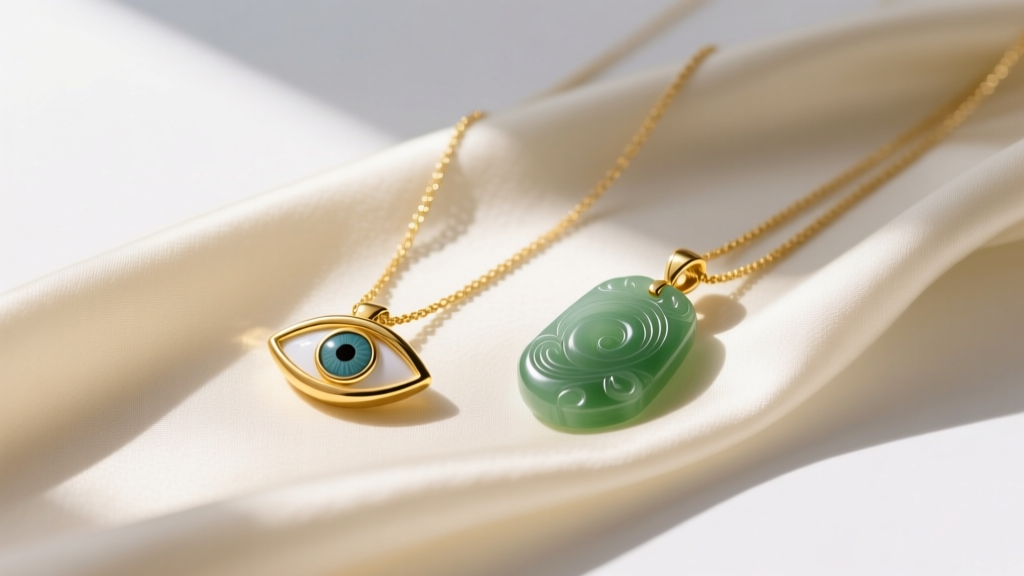
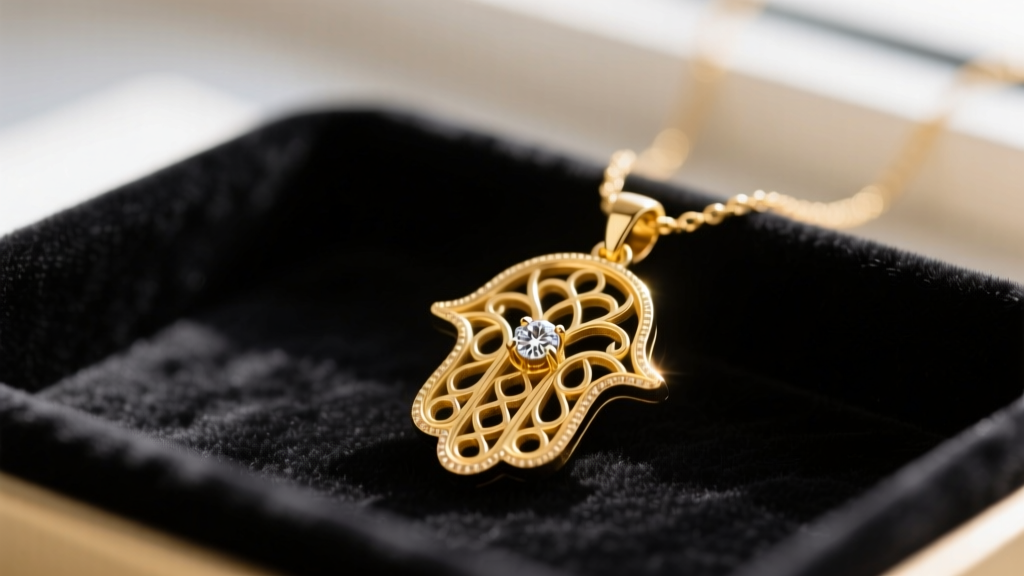
Originating from West Asia and the Mediterranean, the Evil Eye is designed to reflect malice and jealousy back to the sender. When shopping for an Evil Eye pendant, pay close attention to the craftsmanship of the 'eye' itself. High-end pieces utilize cobalt blue glass or kiln-fired enamel rather than painted resin, which chips easily. The Hamsa (or Hand of Fatima) often incorporates an eye in the palm and is specifically gifted for holistic protection and health.
Jade: The Ultimate Stone of Prosperity
In many East Asian cultures, jade is revered above diamonds for its ability to attract wealth and ward off negative energy. However, the jade market is fraught with treated stones. The Gemological Institute of America (GIA) classifies jade into three categories. You must exclusively seek Type A Jadeite, which is 100% natural and untreated. Type B is bleached and polymer-impregnated, while Type C is artificially dyed. Gifting treated jade is considered bad luck in traditional circles, making certification a non-negotiable aspect of your purchase.
Turquoise: The Stone of the Traveler
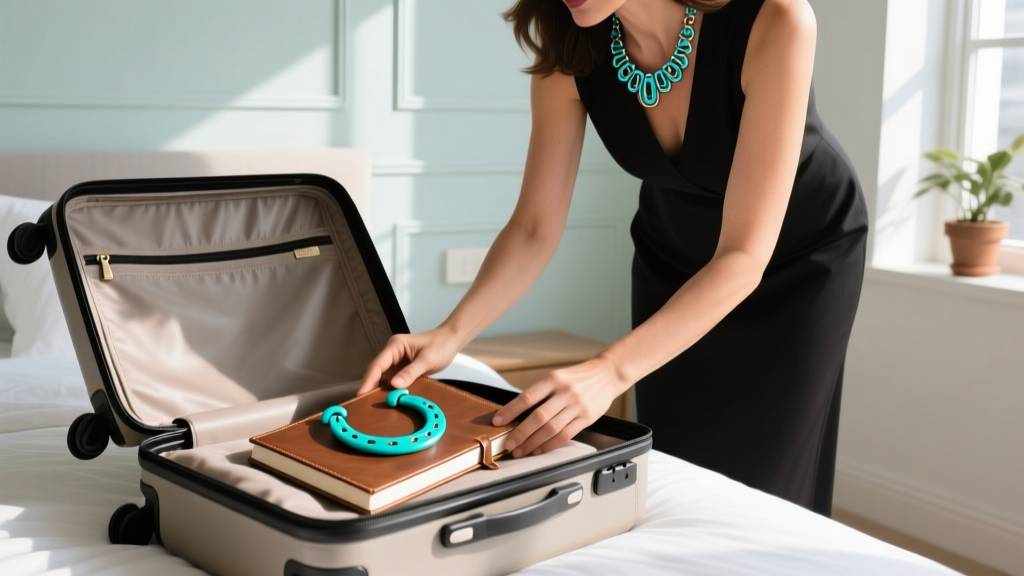
Historically worn by Persian warriors and Native American hunters, turquoise is the ultimate talisman for safe travel and physical protection. Because turquoise is highly porous (ranking 5 to 6 on the Mohs scale), it is often 'stabilized' with epoxy to prevent cracking. While stabilization is an accepted industry practice for durability, purists and high-end collectors prefer natural, untreated 'Sleeping Beauty' turquoise, which commands a premium price due to the mine's closure.
Material Grades, Durability, and Pricing Matrix
To ensure your gift is both meaningful and durable enough for daily wear, you must balance the gemstone's hardness with the metal setting. Below is a decision matrix for 2026 buyers.
| Material / Charm | Mohs Hardness | Maintenance Level | Price Range (14k Gold Setting) | Best Occasion |
|---|---|---|---|---|
| Type A Jadeite | 6.5 - 7.0 | Low | $400 - $2,500+ | New Business, Wealth |
| Enamel Evil Eye | N/A (Metal) | Medium | $150 - $600 | Travel, Protection |
| Natural Turquoise | 5.0 - 6.0 | High | $250 - $1,200 | Healing, Safe Travels |
| Black Onyx | 7.0 | Low | $200 - $800 | Grounding, Career Focus |
| Citrine Quartz | 7.0 | Low | $180 - $700 | Manifestation, Joy |
Occasion Matching: When to Gift a Lucky Pendant
Matching the specific charm to the recipient's current life chapter elevates a standard jewelry gift into a deeply personal milestone marker.
- Studying Abroad or Solo Travel: A sterling silver or 14k gold compass pendant or an Evil Eye charm. The compass symbolizes finding one's way back home, while the Evil Eye guards against the unpredictability of foreign environments.
- Starting a New Business or Promotion: A Type A Jadeite cabochon pendant or a Citrine drop. Jade represents long-term structural growth and wisdom, while Citrine is known in gemological lore as the 'merchant's stone' for attracting cash flow.
- Health Recovery or New Beginnings: A turquoise horseshoe or Hamsa hand. Turquoise is historically linked to physical healing and immune support, making it a deeply empathetic gift for someone recovering from illness.
- Graduation and Career Launch: A four-leaf clover or a subtle diamond-studded key pendant. These represent unlocking new doors and the rare fortune of seizing new opportunities.
Chain Selection, Clasps, and Layering Mechanics
A lucky pendant is only as good as the chain that secures it. According to Forbes' fine jewelry gifting guidelines, the structural integrity of the chain is the most overlooked factor by buyers. For daily-wear amulets, 14k gold is vastly superior to 18k gold. The higher alloy content in 14k gold provides the tensile strength necessary to prevent the chain from stretching or snapping under the weight of a stone pendant.
When selecting the chain style, opt for a Cable or Rolo chain in a 1.2mm to 1.5mm gauge. Avoid Box chains for heavy pendants, as their geometric links are prone to kinking and trapping body oils. Furthermore, insist on a lobster claw clasp rather than a spring-ring clasp; the latter is notoriously difficult to operate and features a weak internal spring that fails over time.
For the modern recipient who enjoys layering, a 16-inch chain with a 2-inch extender is the most versatile choice. It allows the lucky pendant to sit perfectly at the collarbone as a choker, or drop to the upper chest when layered beneath a longer 20-inch chain featuring a complementary signet or initial necklace.
Final Thoughts on Gifting Meaningful Jewelry
In an era dominated by fast fashion and fleeting digital interactions, a lucky necklace stands as a testament to enduring care. By paying meticulous attention to the cultural significance of the symbol, demanding untreated and ethically sourced gemstones, and selecting robust hardware, you ensure that your gift is not just worn, but cherished. Whether it is a vibrant Evil Eye guarding a globetrotter or a serene Jade cabochon blessing a new entrepreneur, the right talisman transforms a beautiful accessory into a lifelong companion.


