How to Layer a Diamond Evil Eye Necklace: A Step-by-Step Guide
Learn how to perfectly layer a diamond evil eye necklace with our step-by-step styling guide. Discover chain lengths, metal pairings, and care tips.

The Art of the Nazar: Why Layering Matters
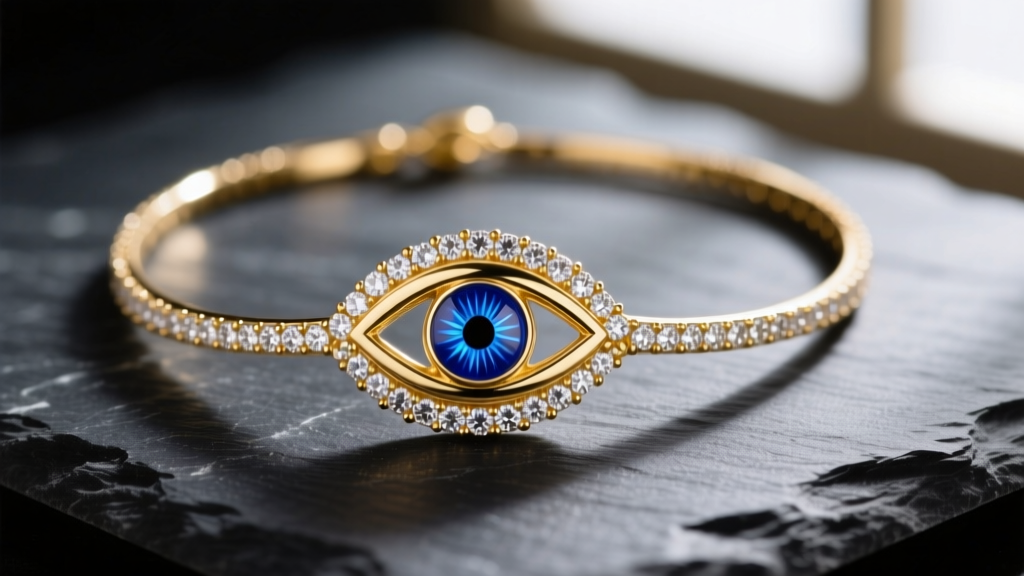
The evil eye, historically known as the "nazar," has served as a protective talisman across Mediterranean and West Asian cultures for over 5,000 years. Today, the modern diamond evil eye necklace bridges ancient symbolism with high-end luxury, transforming a traditional ward against negative energy into a sophisticated jewelry staple. However, wearing a solitary pendant often leaves a look feeling incomplete. Layering your diamond evil eye necklace allows you to create depth, texture, and a personalized aesthetic that adapts seamlessly from casual daytime wear to formal evening events.
This comprehensive guide will walk you through the exact steps to layer, style, and maintain your diamond evil eye pendant, ensuring your jewelry not only looks impeccable but also retains its structural and material integrity over time.
Step 1: Selecting the Right Base Chain and Length
Before you begin layering, you must establish a solid foundation. The chain holding your diamond evil eye necklace dictates the overall drape and durability of your stack. For a pendant featuring melee diamonds (typically ranging from 0.05 to 0.25 total carat weight), you need a chain that offers security without overpowering the delicate nature of the charm.
Optimal Chain Styles for Evil Eye Pendants
- Cable Chains: The classic choice. A 1.0mm to 1.2mm 14k or 18k gold cable chain provides a traditional, understated look that lets the diamond halo stand out.
- Box Chains: Offering superior tensile strength, a 0.9mm box chain is highly resistant to kinking and snapping, making it ideal for heavier solid gold or platinum evil eye pendants.
- Rope Chains: If you want to introduce immediate texture to your neckline, a 1.5mm rope chain reflects light beautifully, complementing the brilliance of the diamond pave.
For the primary evil eye pendant, an 18-inch "princess" length is the industry standard. This length ensures the nazar rests perfectly on the sternum, acting as the visual anchor for any additional layers you add.
Step 2: Mastering the 2-Inch Layering Rule
The most common mistake in necklace layering is clustering pendants too closely together, which leads to a cluttered look and severe chain tangling. To achieve a curated, professional appearance, adhere strictly to the 2-inch drop rule. Each subsequent layer should be exactly two inches longer than the one above it.
| Layer Position | Ideal Length | Chain Style Recommendation | Pendant Pairing |
|---|---|---|---|
| Top (Choker) | 14 to 15 inches | Delicate 0.8mm Cable Chain | Minimalist gold dot or no pendant |
| Middle (Anchor) | 17 to 18 inches | 1.1mm Box or Rope Chain | Diamond Evil Eye Necklace |
| Bottom (Statement) | 20 to 22 inches | 1.5mm Figaro or Paperclip Chain | Geometric bar, initial, or raw gemstone |

By spacing your diamond evil eye necklace in the middle tier, you allow the intricate enamel work and diamond pave to catch the light without competing with the hardware of adjacent chains. If you are mixing metals, place the evil eye in the center and flank it with contrasting tones—such as a white gold top chain and a rose gold bottom chain—to create a deliberate, modern mixed-metal aesthetic.
Step 3: Evaluating Diamond Melee and Enamel Quality
When styling and investing in a diamond evil eye necklace, understanding the materials is crucial for long-term wear. The "eye" itself is traditionally crafted using vitreous enamel or guilloché techniques, surrounded by a halo of diamond melee.
Diamond Grading Specifics
Because the diamonds surrounding an evil eye pendant are usually melee (under 0.20 carats each), they are rarely individually graded by the Gemological Institute of America (GIA). However, reputable jewelers will use melee diamonds in the SI1 to SI2 clarity range and G to H color range. This ensures the stones appear eye-clean and near-colorless, maximizing the icy contrast against the deep blue enamel center. Avoid pendants where the melee appears milky or heavily included, as this drastically reduces the light return and protective "glare" of the piece.
Enamel Durability
"True vitreous enamel is fired at temperatures exceeding 1,400°F, fusing powdered glass to the metal base. This creates a durable, scratch-resistant surface that will not fade or yellow over decades of wear, unlike cold-painted epoxy resins often found in fast-fashion jewelry."
Always verify that your diamond evil eye necklace utilizes kiln-fired vitreous enamel. This ensures the iconic cobalt or turquoise blue center remains vibrant, even when exposed to daily environmental stressors.
Step 4: Safe Cleaning and Maintenance Protocols
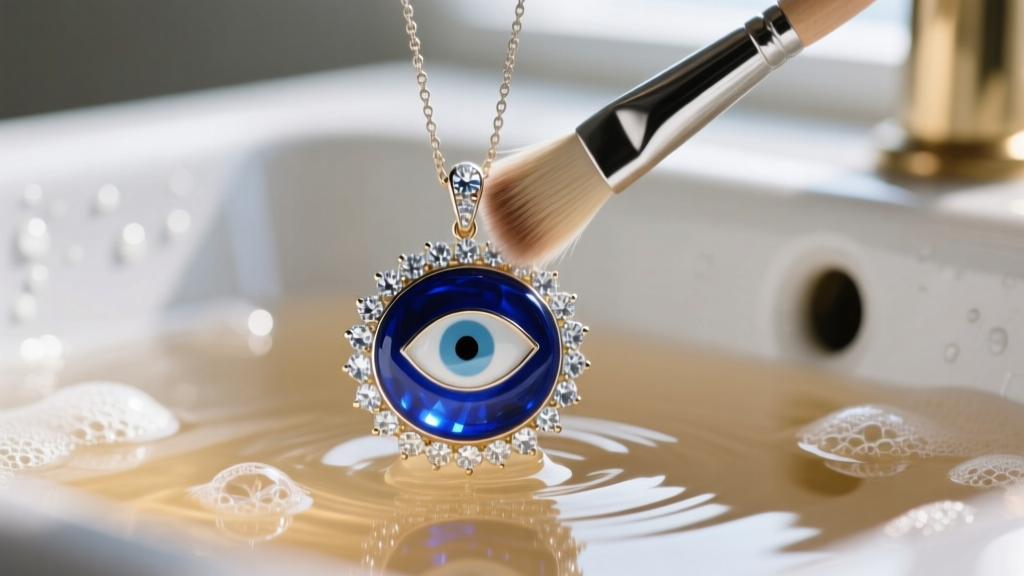
Maintaining the brilliance of your diamond evil eye necklace requires a delicate balance. While diamonds are incredibly hard (scoring a 10 on the Mohs scale), the enamel center and the gold prongs holding the melee diamonds require gentle care. Never use ultrasonic cleaners or harsh chemical dips on enamel jewelry, as the high-frequency vibrations can cause micro-fractures in the glass, and the chemicals can strip the enamel's glossy finish.
The 5-Minute Home Cleaning Method
According to the GIA's official diamond care guidelines, mild soap and warm water are the safest cleaning agents for mixed-material jewelry. Follow this exact protocol:
- Prepare the Solution: Fill a small ceramic bowl with lukewarm water (never hot) and add three drops of mild, ammonia-free dish soap.
- Soak Briefly: Submerge your diamond evil eye necklace for exactly 3 to 5 minutes to loosen body oils and lotion residue trapped behind the pave setting.
- Brush Gently: Using an extra-soft baby toothbrush, gently sweep the bristles across the diamond halo and the back of the pendant. Avoid aggressive scrubbing directly on the enamel dome.
- Rinse and Dry: Rinse the necklace under a gentle stream of lukewarm water over a closed sink drain. Pat dry with a lint-free microfiber cloth, ensuring no moisture remains in the clasp mechanism.
Troubleshooting: Preventing Chain Tangling
Layering multiple chains inevitably introduces the risk of tangling, which can stretch links and damage the bale of your diamond evil eye pendant. If you are frustrated by constantly untangling your jewelry, implement these structural fixes:
- Upgrade Your Clasps: Replace standard spring-ring clasps with lobster claw clasps. They are heavier, easier to manipulate, and keep the chain anchored more securely.
- Vary Chain Textures: Chains with similar link patterns (e.g., two cable chains) will weave into each other like gears. Pairing a smooth box chain with a textured rope chain drastically reduces friction and interlocking.
- Use a Layering Clasp: If you prefer a foolproof method, invest in a multi-strand layering clasp. This single hardware piece anchors up to three chains at the back of your neck, maintaining the exact 2-inch spacing at the front without the chains crossing over one another.
By treating your diamond evil eye necklace not just as a solitary charm, but as the anchor of a carefully engineered layering system, you elevate both the protective symbolism and the sartorial impact of the piece. Proper material selection, precise length spacing, and meticulous cleaning will ensure your nazar remains a brilliant, protective fixture in your jewelry collection for a lifetime.


