How to Clean Silver Necklace Chain Without Scratching
Learn how to clean silver necklace chain tarnish safely at home. Discover expert polishing methods, chemical baths, and daily care tips for sterling silver.

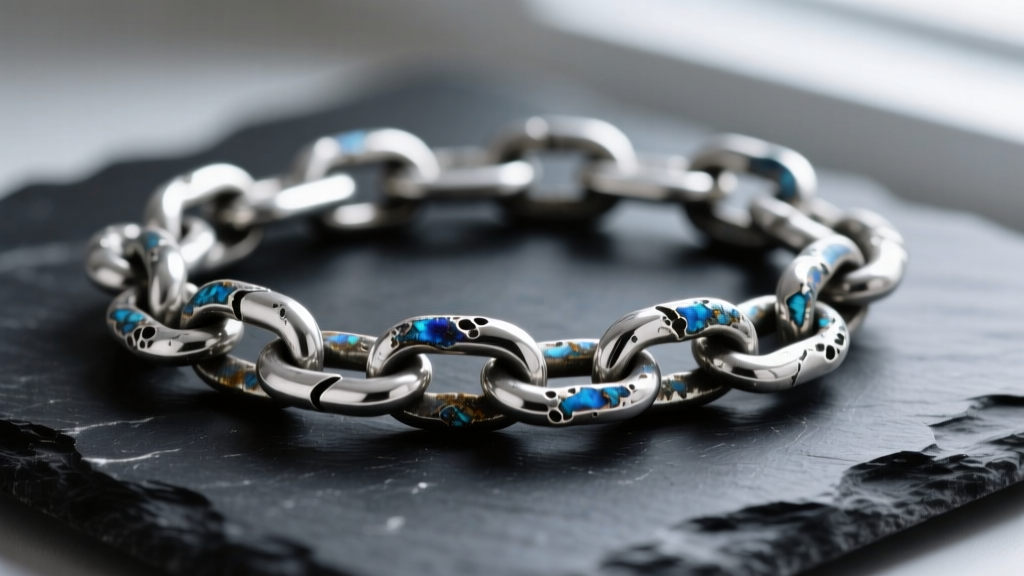
Sterling silver is a timeless, versatile metal, but its brilliant luster inevitably fades when exposed to the elements. If you are wondering how to clean silver necklace chain links without causing micro-abrasions or damaging delicate clasps, you must first understand the metallurgy of your jewelry. Unlike pure silver, which is too soft for daily wear, sterling silver is an alloy composed of 92.5% silver and 7.5% copper. It is this copper content that makes your necklace durable, but it is also the culprit behind stubborn tarnish.
According to the Gemological Institute of America (GIA), proper silver care requires moving beyond abrasive home remedies and embracing chemistry-based cleaning methods. This comprehensive guide will walk you through the exact science of silver tarnish, the mistakes that permanently ruin chain links, and the professional methods used by jewelers to restore your necklaces to a mirror finish.
The Chemistry of Silver Tarnish
Before applying any cleaning solution, it is vital to understand what you are actually removing. Silver does not rust; rust is the destructive oxidation of iron that flakes away and compromises structural integrity. Tarnish, on the other hand, is a superficial chemical reaction between the copper in your sterling silver and hydrogen sulfide ($H_2S$) in the atmosphere. This reaction creates silver sulfide ($Ag_2S$), which presents as a yellowish, brown, or black film on the surface of your chain.
Silver tarnish is a protective patina. While it dulls the aesthetic brilliance of a necklace, the silver sulfide layer actually shields the underlying metal from further environmental degradation. Removing it is a cosmetic choice, requiring gentle reduction rather than aggressive scraping.
Factors that accelerate this chemical reaction include high humidity, exposure to sulfur-rich foods (like eggs and onions), chlorinated water, and even the natural pH and sulfur content of your own skin's sebum. Understanding this helps explain why a necklace worn daily against the skin might tarnish faster than one stored in a drawer, or conversely, why the friction of daily wear can sometimes keep high-contact areas polished while deep crevices turn black.
What NOT to Do: Common Cleaning Mistakes
The internet is flooded with DIY silver cleaning hacks that can cause irreversible damage to your jewelry. When figuring out how to clean silver necklace chain styles, avoid these common pitfalls:
- Toothpaste: This is perhaps the most damaging home remedy. Toothpaste contains hydrated silica, which has a Mohs hardness of around 7. Sterling silver sits at a mere 2.5 to 3 on the Mohs scale. Scrubbing with toothpaste will carve thousands of microscopic scratches into the metal, permanently dulling the mirror finish and creating tiny grooves where future tarnish will accumulate faster.
- Baking Soda Pastes: While baking soda (sodium bicarbonate) is a key ingredient in safe chemical baths (detailed below), using it as an abrasive paste with a toothbrush is too harsh for high-polish silver. It is acceptable for heavily oxidized, matte-finish rustic jewelry, but it will ruin a polished box or snake chain.
- Boiling Water on Gemstones: If your silver chain features a pendant with porous gemstones (such as opal, turquoise, pearl, or emerald), never submerge it in hot water. The thermal shock can fracture the stones, and the water can dissolve the epoxy resins often used to stabilize porous gems.
Method 1: The Aluminum Foil Ion Exchange Bath
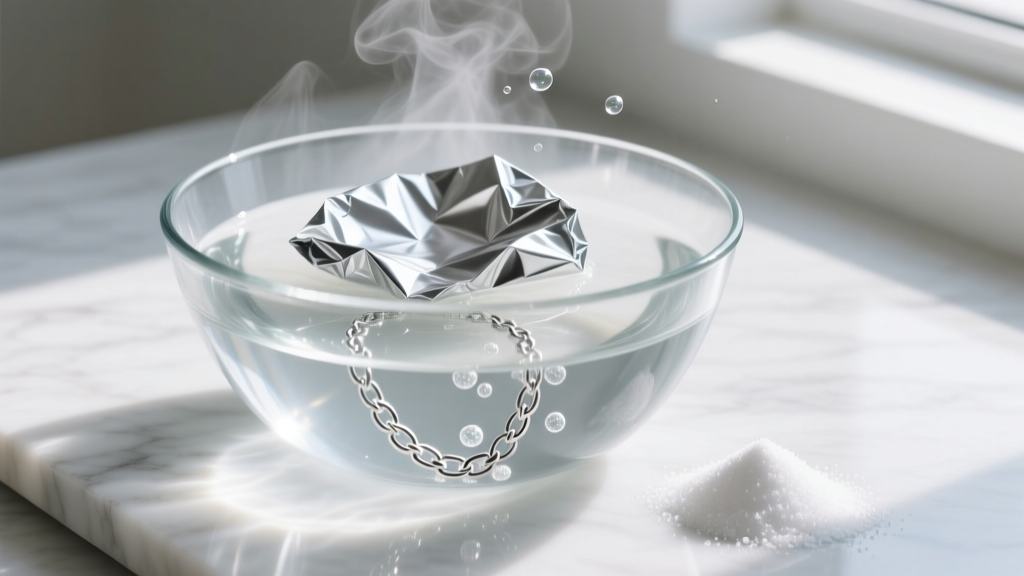
For heavy, black tarnish on chains without gemstones, the most effective and least abrasive method is an electrochemical reduction bath. This method does not remove the tarnish by friction; instead, it reverses the chemical reaction, converting the silver sulfide back into pure silver while transferring the sulfur to an aluminum sacrificial anode.
Step-by-Step Instructions:
- Prepare the Vessel: Line a glass or ceramic bowl with aluminum foil, shiny side up. Ensure the foil touches the edges of the bowl.
- Add the Catalyst: Sprinkle 1/4 cup of baking soda and 1 tablespoon of sea salt over the foil.
- Activate the Bath: Pour 1 quart of near-boiling water (approx. 190°F / 88°C) into the bowl. It will bubble vigorously.
- Submerge the Chain: Place your silver necklace into the solution. Critical step: The silver must physically touch the aluminum foil to complete the electrical circuit. You should smell a distinct sulfur (rotten egg) odor as the reaction occurs.
- Monitor and Remove: Leave the chain in the bath for 2 to 5 minutes. Do not leave it overnight, as prolonged exposure to alkaline solutions can cause pitting.
- Rinse and Dry: Remove the chain with wooden tongs, rinse thoroughly under lukewarm distilled water, and pat dry with a clean microfiber cloth. Never use paper towels, as they contain wood pulp that can scratch soft metals.
Method 2: Mild Surfactant Wash for Routine Maintenance
The ion exchange bath is fantastic for heavy tarnish, but it is not ideal for removing the daily buildup of skin oils, lotions, and dead skin cells that get trapped in the clasp mechanisms and jump rings. For routine maintenance, a mild surfactant wash is the gold standard.
Mix a few drops of phosphate-free, mild dish soap (such as original Dawn) into a bowl of lukewarm water. Submerge the necklace for 10 minutes to loosen sebum. Using an extra-soft baby toothbrush, gently agitate the bristles around the clasp, the jump ring, and any intricate link connections. Rinse under distilled water and dry immediately with a microfiber cloth. This method is entirely safe for chains featuring diamonds, sapphires, and rubies, as these stones are non-porous and highly durable.
Method 3: Professional Polishing Cloths
For light tarnish and restoring a high-shine finish after a surfactant wash, jeweler's impregnated polishing cloths are essential. Brands like the Sunshine Cloth or Town Talk Silver Polish Cloth are embedded with microscopic jeweler's rouge and specialized anti-tarnish inhibitors.
When using a cloth, pull the chain taut between your hands and use a gentle shoeshine motion. Do not pull the chain through a tightly pinched cloth, as this can stretch the links or damage the spring ring clasp. Note that these cloths will turn black as they remove tarnish; this is normal and does not mean the cloth needs to be washed. In fact, washing a treated polishing cloth will strip it of its active anti-tarnish compounds.
Choosing the Right Method by Chain Type
Not all silver chains are constructed equally. The physical geometry of the chain links dictates how easily they trap dirt and which cleaning methods are safe. Refer to the table below to match your chain style with the optimal care protocol.
| Chain Style | Tarnish Trap Risk | Recommended Cleaning Method | Tools to Avoid |
|---|---|---|---|
| Cable / Link | Low | Surfactant Wash & Cloth | Stiff bristle brushes |
| Box | Medium | Ion Exchange Bath | Thick polishing pastes |
| Snake | High (Micro-gaps) | Ion Exchange Bath | Cloths (they snag and fray) |
| Rope / Twisted | High (Deep grooves) | Surfactant + Baby Toothbrush | Ultrasonic (can loosen solder) |
| Curb / Cuban | Low to Medium | Polishing Cloth & Surfactant | Toothpaste (ruins flat facets) |
Special Note on Snake Chains: Snake chains are constructed from tightly interlocking microscopic metal rings that form a smooth, flexible tube. Because the gaps are so small, polishing cloths will catch on the edges and fray, while pastes will become permanently impacted in the seams. The ion exchange bath is the only safe way to clean a heavily tarnished snake chain.
Long-Term Storage and Anti-Tarnish Strategies
Knowing how to clean silver necklace chain tarnish is only half the battle; proper storage is the key to minimizing the need for deep cleaning in the first place. The Victoria and Albert Museum Conservation Department recommends controlling the atmospheric environment around your silver to prevent the formation of silver sulfide.
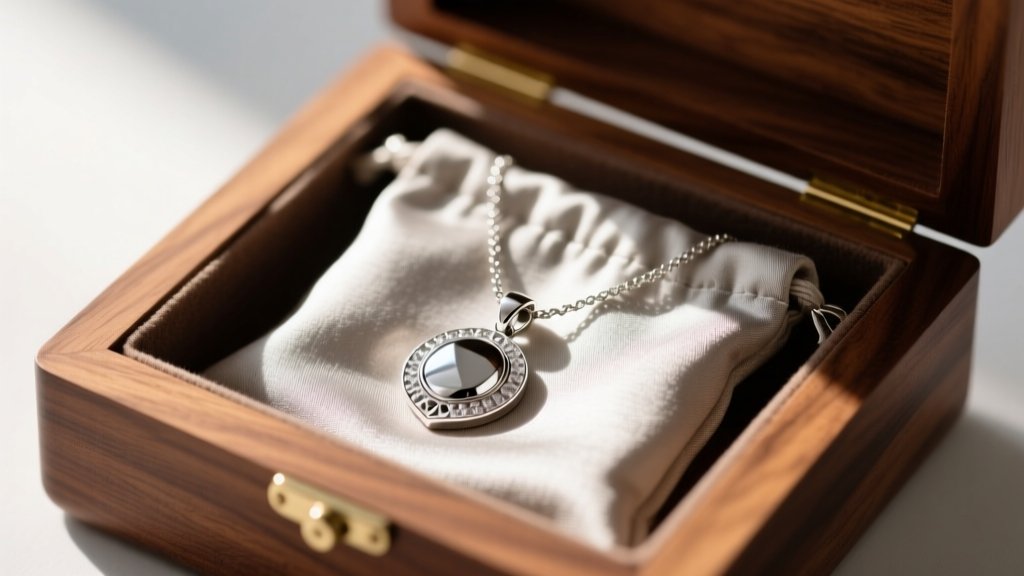
- Pacific Silvercloth: This is a specialized flannel embedded with microscopic silver particles. When stored in this cloth, the airborne hydrogen sulfide reacts with the embedded silver particles rather than your jewelry. It acts as a sacrificial anode, keeping your necklace pristine for years.
- 3M Anti-Tarnish Strips: These small, inexpensive strips contain copper-based compounds that absorb and neutralize sulfur gases in the air. Place one strip inside your jewelry box or storage bag, and replace it every 6 months.
- Avoid PVC Plastics: Never store silver in polyvinyl chloride (PVC) plastic bags or organizers. PVC off-gasses sulfur and acidic compounds over time, which will rapidly accelerate black tarnishing and can cause irreversible pitting. Always opt for Low-Density Polyethylene (LDPE) or zip-lock bags made specifically for archival storage.
Conclusion
Maintaining the brilliant luster of a sterling silver necklace does not require harsh chemicals or expensive professional services. By understanding the electrochemical nature of tarnish and respecting the physical structure of your chain links, you can safely restore your jewelry at home. Whether you are utilizing an aluminum ion exchange bath for a neglected snake chain or simply wiping down a cable chain with a microfiber cloth and mild surfactant, these expert-approved methods will ensure your silver necklaces remain a staple in your wardrobe for generations to come.


