Gold Anchor Chain Necklace: A Beginner's Buying & Styling Guide
Discover everything about the gold anchor chain necklace. Learn link anatomy, karat differences, clasp mechanics, and how to choose the right width.

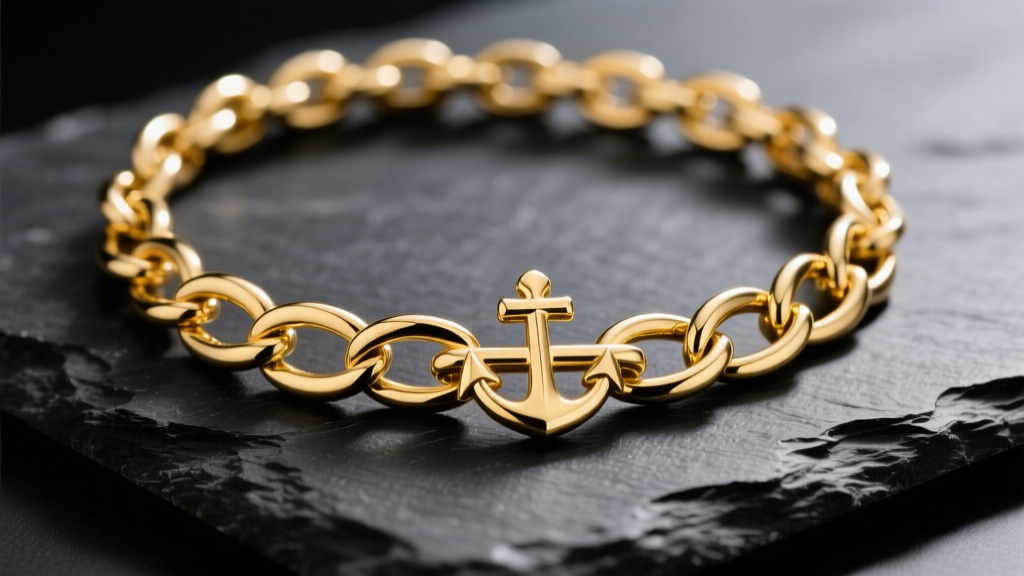
If you are stepping into the world of fine jewelry, the gold anchor chain necklace is arguably the most versatile and historically rich piece you can add to your collection. Originally designed for maritime durability, the anchor chain—also known as a mariner chain—has evolved from a utilitarian shipyard staple into a cornerstone of modern luxury layering. However, not all anchor chains are created equal. From karat purity and link geometry to clasp mechanics and tensile strength, buying your first anchor chain requires a basic understanding of jewelry engineering.
This beginner-friendly explainer will decode the anatomy of the anchor link, help you choose the right gold purity for your lifestyle, and provide a practical framework for sizing, maintaining, and styling your necklace.
What Exactly is an Anchor Chain? (Anatomy of a Link)
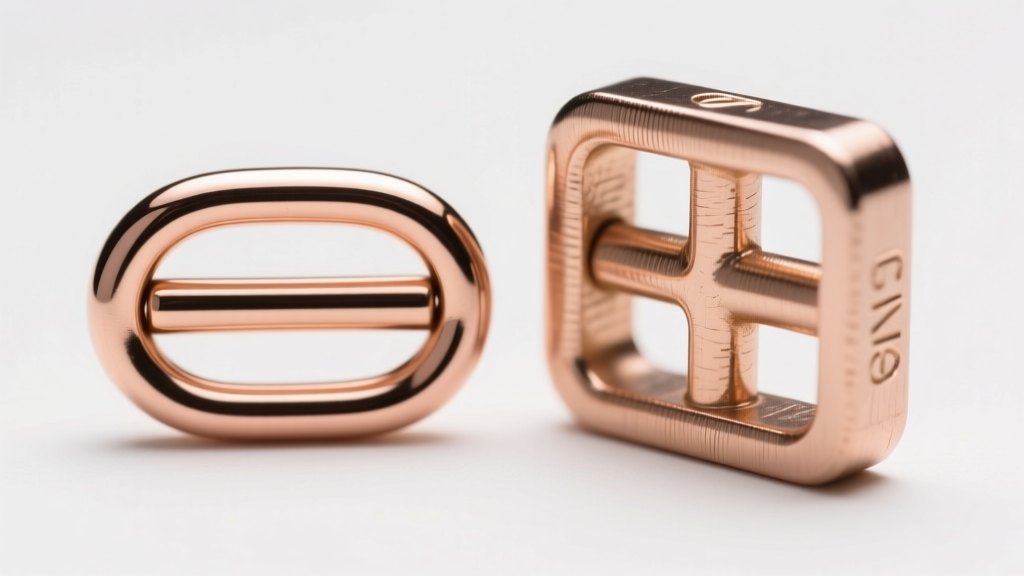
The defining characteristic of an anchor chain is the structural crossbar (or center bar) positioned in the middle of each oval or square link. This design is not merely aesthetic; it was originally engineered to prevent the heavy iron links of ship anchor lines from collapsing or twisting under immense maritime tension.
In modern jewelry, this center bar provides exceptional structural integrity, making the gold anchor chain necklace significantly more resistant to crushing and kinking than standard cable or curb chains. There are two primary variations you will encounter:
- Standard Anchor (Oval): Features elongated, oval-shaped links with a straight center bar. This is the most common and classic iteration, offering a fluid drape that lays flat against the collarbone.
- Mariner (Square/Beveled): Features squarer, often beveled or diamond-cut links. The mariner style catches the light more aggressively and offers a slightly more rigid, geometric aesthetic.
Decoding Gold Purity: 10K vs. 14K vs. 18K for Anchor Links
When selecting a gold anchor chain necklace, the karat weight dictates not just the color, but the physical durability of the links. Because anchor chains are often worn daily and subjected to pulling and snagging, the alloy composition is critical. According to the Gemological Institute of America (GIA), pure 24K gold is far too soft for chain links and will stretch out of shape within weeks of daily wear.
Below is a decision matrix to help you choose the right purity for your specific needs:
| Gold Karat | Gold Purity | Tensile Strength | Est. Price Range (18' 5mm) | Best Use Case |
|---|---|---|---|---|
| 10K Gold | 41.7% | Very High | $350 - $550 | Heavy, chunky chains worn daily in active or manual environments. |
| 14K Gold | 58.3% | High | $700 - $1,100 | The everyday sweet spot; balances rich color with excellent link durability. |
| 18K Gold | 75.0% | Moderate | $1,300 - $2,200 | Delicate to medium chains for office or evening wear; rich yellow hue. |
| 22K Gold | 91.6% | Low | $2,500+ | Investment pieces; avoid for anchor links as the center bars will bend. |
Expert Insight: For a beginner buying their first everyday gold anchor chain necklace, 14K gold is the undisputed champion. It offers the ideal compromise between the warm, luxurious tone of high-karat gold and the alloy hardness required to keep the center bars from warping if the chain gets snagged on clothing.
Sizing and Proportions: Choosing the Right Link Width
The millimeter width of the links drastically changes the weight, price, and visual impact of the chain. Many beginners make the mistake of buying a chain that is too thin for pendants or too thick for solo wear. Here is a practical sizing framework:
The Delicate Tier (2mm - 3.5mm)
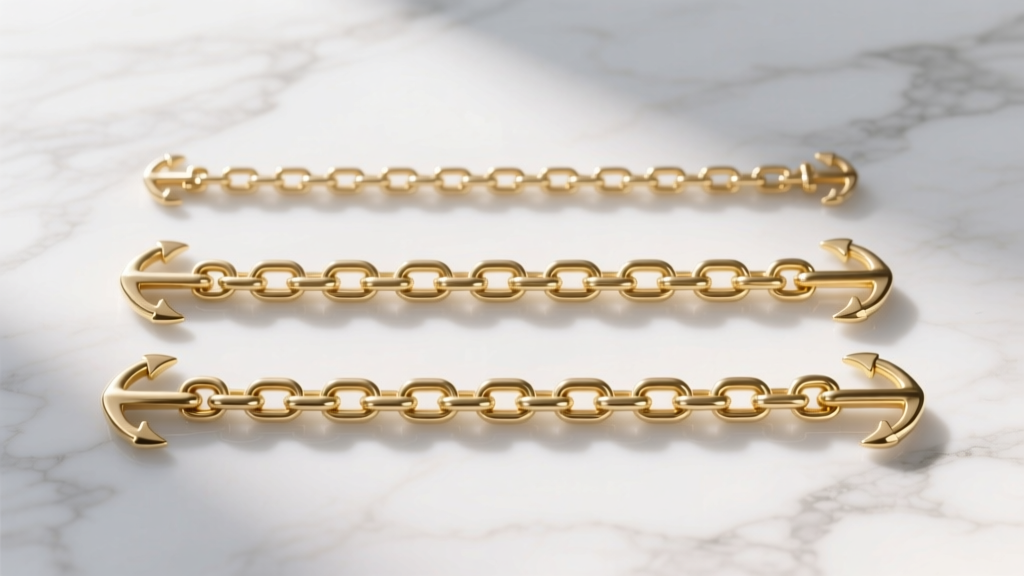
These chains typically weigh between 4 and 10 grams. They are lightweight, highly flexible, and perfect for layering or holding small, lightweight pendants (under 5 grams). However, the center bars on 2mm links are microscopic and can bend if subjected to heavy pulling.
The Medium Tier (4mm - 6mm)
Weighing in at 15 to 35 grams, this is the most versatile category. A 5mm gold anchor chain necklace is substantial enough to be worn confidently on its own, yet refined enough to slip under a button-down shirt. It can easily support medium-weight pendants, such as a solid gold cross or a medium gemstone solitaire.
The Statement Tier (7mm - 12mm+)
These heavy-duty chains range from 45 to over 100 grams. They are meant to be worn solo as a bold statement piece. Due to the sheer weight of the gold, these chains require specialized clasps (detailed below) and are almost exclusively crafted in 10K or 14K gold to prevent the links from stretching under their own weight.
Clasp Mechanics: The Hidden Weak Point
The clasp is the most common failure point on any necklace. A heavy gold anchor chain necklace paired with a weak clasp is a recipe for losing your investment. The Jewelers of America organization frequently cites clasp failure as a primary reason for jewelry repair visits. Match your clasp to your chain weight:
- Spring Ring (Under 10g): A small, circular clasp with a tiny spring mechanism. It is inexpensive and common on delicate chains, but the internal spring can easily fail or melt if exposed to high heat during jewelry repairs.
- Lobster Clasp (10g - 40g): Shaped like a lobster's claw, this is the industry standard for medium-weight anchor chains. It offers a secure, one-handed operation and a robust internal spring.
- Box Clasp with Safety Latch (40g+): For heavy, chunky anchor chains, a box clasp (where a folded piece of metal snaps securely into a square box) is mandatory. It must be paired with a 'figure-8' safety wire that hinges over the outside of the box to prevent the chain from dropping if the primary lever is accidentally depressed.
Real-World Troubleshooting: Snagging, Stretching, and Tarnish
Even the most well-crafted gold anchor chain necklace requires maintenance. Here is how to handle the three most common issues beginners face:
1. Stretched or Bent Center Bars
If your chain catches on a door handle or a pet's collar, the center bar of an anchor link can bend, or the oval link can stretch into a teardrop shape. Do not try to bend it back with pliers at home. This will work-harden the gold alloy and cause it to snap. Take it to a professional jeweler who will use a mandrel to reshape the link and a laser welder to fuse any micro-fractures. Expect to pay between $45 and $85 per repaired link.
2. Tarnish on Lower Karats
Because 10K and 14K gold contain copper and silver alloys, they can develop a slight patina or tarnish over time, especially when exposed to sweat, lotions, and chlorine. To clean your anchor chain, soak it for 15 minutes in a bowl of warm water with two drops of mild, phosphate-free dish soap. Gently agitate with a baby-soft toothbrush to remove debris trapped under the center bars, rinse with distilled water, and pat dry with a microfiber cloth.
3. Hair and Thread Snagging
The gap between the center bar and the outer oval link is a notorious trap for loose threads and fine hair. If your chain begins pulling hair from your neck, it usually indicates that the links have slightly separated due to wear. A jeweler can gently compress the links back to their original tolerances using a chain-drawing plate.
How to Style and Layer Your Anchor Chain
The geometric nature of the anchor link makes it an exceptional foundation for layering. When building a necklace stack, the anchor chain should serve as the structural anchor (pun intended) of the arrangement.
- The Two-Piece Minimalist Stack: Pair a 16-inch, 3mm 14K gold anchor chain with a 20-inch, 1.5mm gold box chain. The contrasting link geometries create visual interest without overwhelming the neckline.
- The Pendant Anchor: Use a 24-inch, 5mm mariner chain as a base for a heavy vintage locket or a large signet pendant. The center bars of the mariner link provide a rugged, masculine contrast to ornate or delicate pendants.
- Metal Mixing: Do not be afraid to mix metals. A yellow gold anchor chain layered with a white gold or platinum rope chain creates a sophisticated, modern aesthetic that breaks traditional jewelry rules.
By understanding the engineering, karat differences, and proper maintenance of the gold anchor chain necklace, you are no longer just buying a piece of jewelry; you are investing in a timeless, structurally sound accessory that will easily outlast passing trends.


