How to Clean & Care for Your Multi Color Beads Necklace
Learn expert cleaning and maintenance tips for your multi color beads necklace. Protect gemstones, glass, and stringing materials from damage.

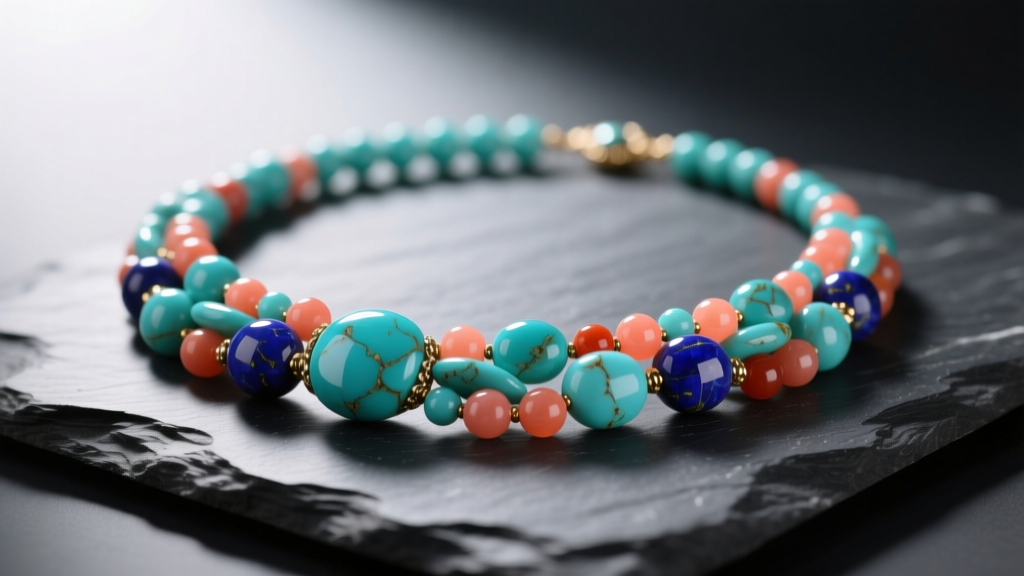
The Anatomy of a Multi Color Beads Necklace: Why Care is Complex
A multi color beads necklace is a stunning sartorial investment, often combining a vast spectrum of gemstones, glass, organics, and synthetic materials into a single strand. However, this very diversity is what makes maintenance a challenge. Unlike a uniform diamond tennis bracelet or a solid gold chain, a multi-bead strand requires a nuanced, multi-disciplinary approach to cleaning. What safely removes sebum from a quartz bead might instantly strip the dye from an adjacent agate or dissolve the silk knot holding them together.
As we move through 2026, jewelry care has evolved. Modern gemological treatments, such as nano-coatings and advanced fracture-filling resins, mean that vintage cleaning methods—like harsh ultrasonic baths or ammonia soaks—are now actively dangerous to complex beaded jewelry. To preserve the structural integrity and optical brilliance of your multi color beads necklace, you must understand the specific vulnerabilities of its components.
Material-Specific Cleaning Protocols
The golden rule of beaded jewelry care is to clean to the weakest material in the strand. Below is a breakdown of how to handle the most common bead categories found in multi-colored designs.
Porous Organics (Pearl, Coral, Turquoise, Lapis Lazuli)
Organic and highly porous stones sit low on the Mohs hardness scale (typically 3 to 6) and possess microscopic surface channels. These channels readily absorb skin oils, perfumes, and acidic sweat, which can cause permanent discoloration or structural degradation over time.
- The Fix: Wipe these beads immediately after wearing with a dry, untreated microfiber cloth. If a deeper clean is required, use a barely damp cloth with distilled water. Never submerge porous beads, as water can seep into the drill holes and rot the internal stringing material.
- 2026 Insight: Avoid commercial 'pearl dips' or ultrasonic cleaners. The cavitation process in ultrasonics can easily shatter fracture-filled turquoise and shake delicate silk knots apart.
Hard Gemstones & Glass (Quartz, Jade, Murano, Dichroic)
Materials ranking 6.5 to 7.5 on the Mohs scale are highly resistant to scratching and chemical damage. Glass beads, depending on their lead or silica content, generally mimic the durability of quartz.
- The Fix: These can withstand mild surfactants. A drop of pH-neutral dish soap (like Dawn) in lukewarm distilled water is safe. Use a soft-bristled baby toothbrush to gently agitate dirt from the crevices around the drill holes.
Dyed & Treated Beads (Howlite, Agate, Jadeite)
Many vibrant beads in a multi color beads necklace are actually pale, low-grade stones that have been pressure-dyed to mimic precious gems. According to the Gemological Institute of America (GIA), dyes in porous stones are notoriously unstable when exposed to solvents.
- The Fix: Never use rubbing alcohol, acetone, or ammonia-based glass cleaners on dyed beads. These solvents will draw the dye out to the surface, resulting in a splotchy, faded appearance and potentially staining adjacent lighter beads.
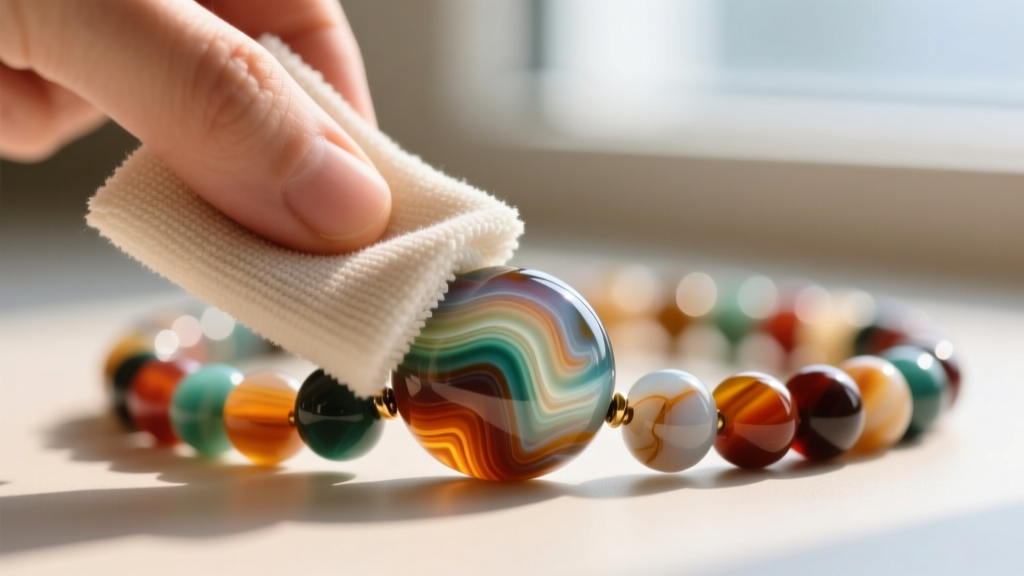
The Stringing Factor: Protecting the Core
The beads are only half the equation; the stringing material is the literal lifeline of your multi color beads necklace. Skin acidity, cosmetics, and environmental humidity degrade these materials at vastly different rates. Understanding what your necklace is strung on dictates how aggressively you can clean it.
| Stringing Material | Best Used For | Estimated Lifespan | Primary Vulnerabilities |
|---|---|---|---|
| Natural Silk (e.g., Griffin) | Pearls, coral, high-end organics requiring knots between beads. | 1 to 3 years | Highly susceptible to water damage, stretching, and acidic sweat degradation. |
| Braided Nylon (e.g., Fireline) | Seed beads, crystal, and lightweight gemstones. | 5 to 10 years | UV degradation over time; can be cut by sharp-edged bead holes (like some raw turquoise). |
| Coated Stainless Steel (e.g., Soft Flex/Beadalon) | Heavy gemstones, glass, and metal beads. | 15+ years | Kinking; the nylon coating can yellow or crack if exposed to extreme heat or harsh solvents. |
Expert Tip: If your multi color beads necklace is strung on silk, never submerge it in water. The silk will absorb the moisture, stretch, and retain water against the bead surfaces, potentially causing internal rot or metallic bead cap tarnishing.
Step-by-Step Deep Cleaning Routine
For a mixed-material multi color beads necklace where submersion is risky, the 'Lay-Flat Spot Clean' method is the industry standard for at-home maintenance.
- Inspect the Strand: Before applying any moisture, check for fraying thread, loose crimp beads, or chipped stones near the clasp. Cleaning a compromised strand can lead to catastrophic breakage.
- Prepare the Solution: Mix two drops of phosphate-free, pH-neutral dish soap into a bowl of distilled water. Tap water contains chlorine and minerals that can leave a cloudy film on glass and soft stones.
- The Swab Technique: Dip a cotton swab or a soft microfiber applicator into the solution, squeezing out excess moisture until it is merely damp. Gently roll the swab over each individual bead.
- Target the Drill Holes: Dirt and sebum accumulate heavily at the drill holes. Use a dry, soft interdental brush to gently sweep out debris without stressing the thread.
- Dry Immediately: Pat the beads dry with a lint-free towel. Lay the necklace flat on a dry towel in a cool, well-ventilated area away from direct sunlight. Never hang a wet beaded necklace, as the weight of the water will stretch the stringing material.
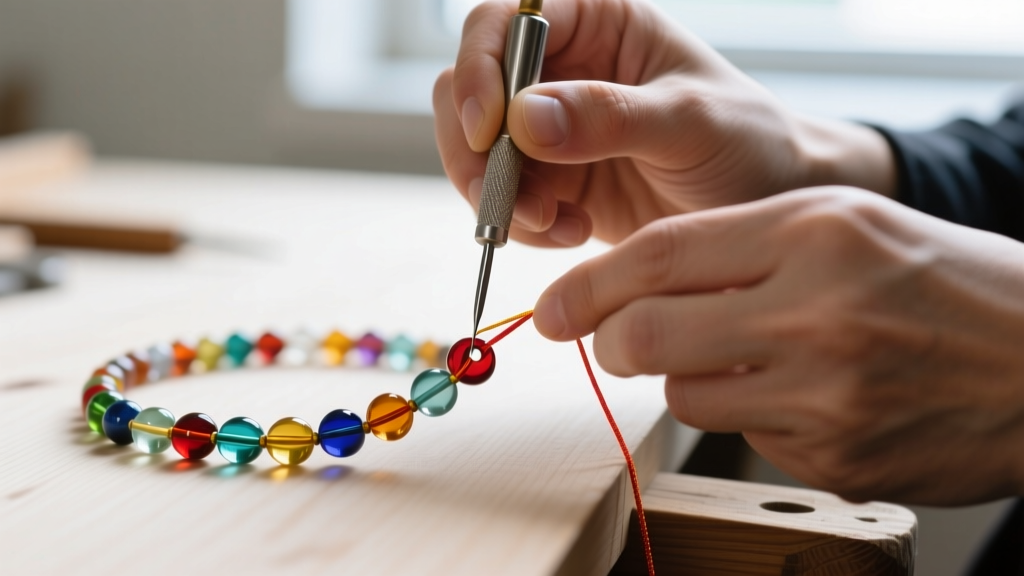
Storage & Environmental Hazards
How you store your multi color beads necklace is just as critical as how you clean it. Gemstones possess varying degrees of hardness; when tossed into a communal jewelry box, harder beads (like quartz or agate, Mohs 7) will actively scratch softer beads (like turquoise or malachite, Mohs 3-5).
According to Jewelers of America, proper storage is the first line of defense against micro-abrasions and environmental tarnishing. Always isolate mixed-hardness pieces.
- Individual Pouches: Store the necklace in a soft, untreated flannel or anti-tarnish cloth pouch. Avoid polyethylene plastic bags, which can trap moisture and emit sulfur gases that tarnish metallic spacer beads.
- Lay Flat vs. Hang: Heavy multi-bead strands should be laid flat in a lined drawer. Hanging heavy beaded necklaces on standard hooks places continuous gravitational stress on the stringing material, leading to premature stretching and eventual snapping.
- Climate Control: Extreme temperature fluctuations can cause thermal shock, particularly in glass beads or heavily included natural stones, leading to internal fracturing.
When to Seek Professional Restringing
Even with meticulous care, the stringing materials in a multi color beads necklace will eventually fail. As a general rule, frequently worn silk-strung necklaces should be professionally restrung every 18 to 24 months. If you notice the thread looking grey or dingy, if the beads have become 'stiff' and no longer drape fluidly, or if you can see gaps between the knots and the beads, it is time to visit a master jeweler.
By adopting a material-specific, gentle approach to cleaning and storage, you ensure that the vibrant spectrum of your multi color beads necklace remains intact, brilliant, and structurally secure for decades to come.


