Troubleshooting the 20 Inch Necklace Length: Fit, Clasps & Fixes
Is your 20 inch necklace length sitting wrong or breaking? Troubleshoot fit issues, clasp failures, and styling fixes for this chain size.


The 20 inch necklace length (approximately 50.8 centimeters) occupies a highly specific, often misunderstood space in jewelry design. It sits squarely on the border between the classic 'princess' length and the longer 'matinee' drop. While it is a staple in both fine jewelry and fashion accessories, this specific measurement is notorious for presenting unique fit, mechanical, and styling challenges. Whether your chain is migrating to the front, snapping under pendant weight, or clashing with your neckline, this comprehensive troubleshooting guide will help you diagnose and resolve the most common issues associated with the 20 inch necklace length.
The Anatomy of a 20 Inch Necklace Length: Where It Should Sit
Before troubleshooting, we must establish the baseline. On an average female figure with a 14-to-15-inch neck circumference, a 20 inch necklace length will fall precisely at or slightly below the collarbone. On a larger frame or a neck circumference exceeding 16 inches, this same chain will sit higher, mimicking a choker or a short princess length. According to sizing standards outlined by Jewelers of America, the 20-inch mark is the longest standard size before a chain is officially classified as a matinee (which typically begins at 22 inches). Understanding this transitional nature is the first step in diagnosing why your necklace might feel awkward or look disproportionate.
Troubleshooting Fit Issues: Why Your 20-Inch Chain Feels Wrong
The most frequent complaint regarding the 20 inch necklace length is that it 'doesn't sit right.' This is rarely a manufacturing defect and almost always a mismatch between chain gauge, pendant weight, and individual anatomy.
The Pendant Weight and Chain Gauge Mismatch
A 20-inch chain acts as a longer fulcrum than a 16-inch choker. When you suspend a heavy pendant from a 20-inch cable or rope chain, the increased leverage places immense tensile stress on the links nearest to the clasp and the center drape. If you are using a delicate 1.0mm or 1.2mm 14k gold chain to hold a solid gemstone pendant weighing more than 8 grams, the chain will inevitably stretch, warp, or snap due to work hardening and metal fatigue.
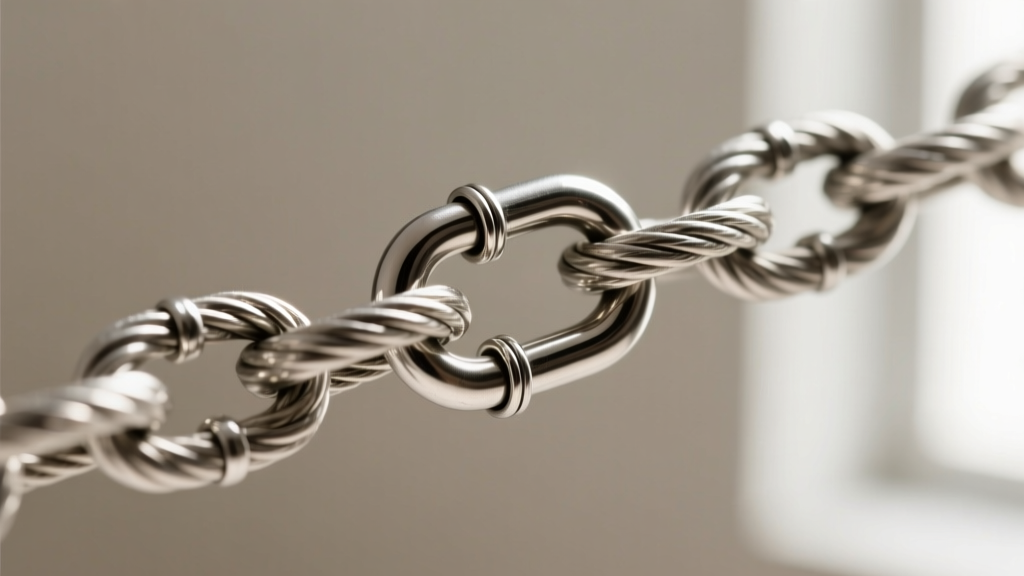
To resolve this, you must match the chain gauge to the pendant's mass. Below is a diagnostic matrix for selecting the correct chain thickness for a 20-inch drop.
| Pendant Weight | Minimum Chain Gauge (20") | Recommended Chain Style | Required Jump Ring Size |
|---|---|---|---|
| Under 5 grams | 1.0mm - 1.2mm | Cable, Box, or Snake | 3.0mm (22-gauge wire) |
| 5 to 15 grams | 1.5mm - 2.0mm | Rope, Curb, or Figaro | 4.5mm (20-gauge wire) |
| 15 to 30 grams | 2.5mm - 3.5mm | Wheat, Mariner, or Curb | 6.0mm (18-gauge wire) |
| Over 30 grams | 4.0mm+ | Heavy Curb or Miami Cuban | 8.0mm+ (16-gauge wire) |
The Body Type and Neck Circumference Factor
If your 20 inch necklace length feels suffocating, measure your neck at the base. If your neck measures 15.5 inches or more, a 20-inch chain leaves less than 2.5 inches of total drape. This causes the chain to ride up into the hollow of the throat when you move. The fix is not to force the 20-inch size, but to utilize a 2-inch or 3-inch extender chain, effectively converting your piece into an adjustable 20-to-23-inch matinee hybrid.
Mechanical Failures: Clasp and Jump Ring Troubleshooting
The 20 inch necklace length is uniquely susceptible to a mechanical annoyance known among jewelers as 'clasp migration' or the 'pendulum effect.' Because the chain is long enough to swing freely but short enough to catch on the curvature of the shoulders, the clasp frequently slides from the nape of the neck to the front of the chest.
Why Spring Rings Fail at 20 Inches
Many mass-market jewelers outfit 20-inch chains with lightweight 4mm or 5mm spring ring clasps to cut costs. However, the kinetic energy generated by a 20-inch chain swinging during daily wear puts repetitive lateral stress on the spring ring's internal coil. Over time, the coil weakens, the lever sticks, and the clasp pops open unexpectedly. For any 20 inch necklace length, you should immediately upgrade to a 6mm or 7mm lobster clasp, or better yet, a neodymium magnetic clasp which eliminates the mechanical lever entirely. Industry suppliers like Rio Grande heavily recommend lobster clasps for chains exceeding 18 inches due to their superior lateral shear strength.
Diagnosing Jump Ring Elongation
If your pendant keeps slipping off, inspect the jump ring connecting it to the 20-inch chain. If the jump ring was pulled apart laterally during manufacturing rather than twisted open, it will easily pull apart again under the pendulum weight of a 20-inch drop. Always ensure your jump rings are soldered shut or twisted open using two pairs of chain-nose pliers to maintain the structural integrity of the circular grain.
Styling Fixes: Rescuing a 20 Inch Necklace Length That Clashes
From a stylistic perspective, the 20 inch necklace length is notoriously difficult to pair with certain necklines. Because it terminates right at the upper chest, it can visually truncate the neck or get swallowed by heavy fabrics.
- The Crew Neck Conflict: A 20-inch chain worn over a tight crew neck t-shirt creates a harsh horizontal line that clashes with the shirt's collar. Fix: Tuck the chain inside the shirt, or swap to a 24-inch matinee chain that clears the collar entirely.
- The V-Neck Sweet Spot: The 20 inch necklace length perfectly mirrors the geometry of a moderate V-neck or scoop neck. The chain frames the exposed skin without competing with the garment's hem.
- The Button-Down Problem: Worn outside an unbuttoned Oxford shirt, a 20-inch chain often gets caught on the top button or placket. Fix: Wear the chain underneath the collar, resting directly against the skin, allowing the shirt lapels to frame the metal.
"The 20-inch length is the ultimate test of proportion. It demands intentionality. If it's resting awkwardly on a seam or collar, you aren't just wearing the wrong necklace; you're fighting the geometry of the garment." — Master Jewelry Stylist
How to Properly Resize or Adjust a 20-Inch Chain
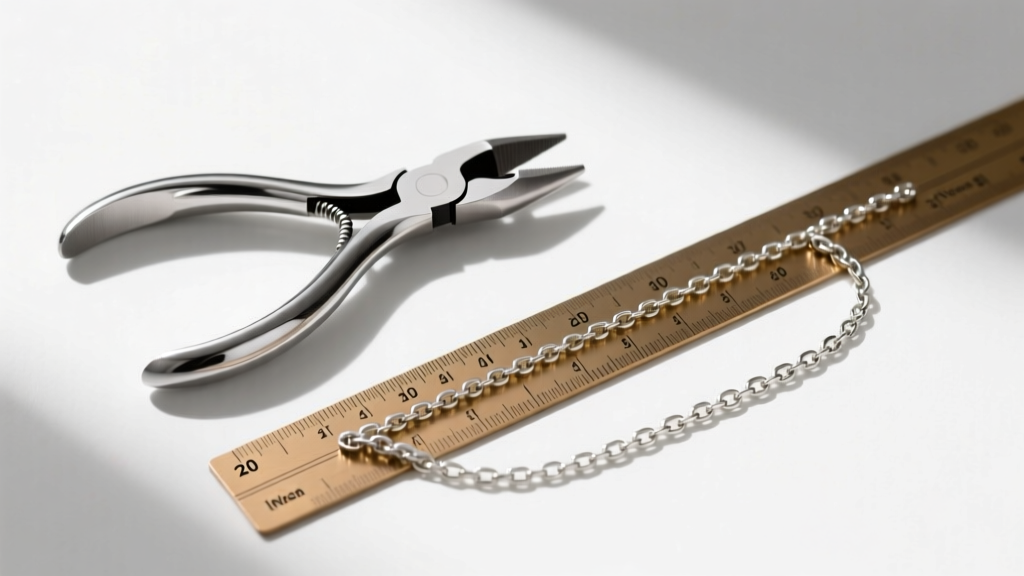
If you have determined that the 20 inch necklace length is fundamentally incorrect for your anatomy or pendant, you can alter it at home with the right tools. Do not attempt to cut links out of a snake or box chain, as this will destroy the structural continuity of the weave. Cable, curb, and rope chains, however, are easily modified.
Adding an Extender Chain
To add length and solve the tight fit issue, purchase a 2-inch sterling silver or gold-filled extender chain (usually featuring 5 to 6 small loops). Using a 4mm open jump ring, attach the extender to the existing end ring of your 20-inch necklace. This not only adds length but provides a visual, textured finish to the back of the neck.
Shortening a Stretched 20-Inch Chain
If your 14k gold 20-inch chain has stretched to 21 inches due to heavy pendant wear, you must remove the elongated links. Measure exactly 50.8cm using a flexible tailor's tape. Mark the link to be removed with a jeweler's marker. Using flush cutters, snip the link. Crucial step: Do not simply hook the remaining ends together. The tension will pull the new connection apart. You must introduce a fresh, heavy-gauge soldered jump ring to bridge the gap and restore the chain's tensile strength.
Final Verdict: Mastering the 20 Inch Standard
The 20 inch necklace length is a versatile, elegant standard, but it is entirely unforgiving of poor mechanical pairings and thoughtless styling. By respecting the physics of chain gauges, upgrading your clasp hardware to withstand the pendulum effect, and carefully mapping the chain to your specific necklines and anatomy, you can transform a problematic piece of jewelry into a flawless, everyday staple. Troubleshooting isn't just about fixing what's broken; it's about optimizing the engineering of your accessories for lifelong wear.


