What Is a Sardine Necklace? A Beginner's Styling Guide
Discover what a sardine necklace is, how its unique scale-like links drape, and expert tips on styling, sizing, and caring for this vintage chain.

What Exactly Is a Sardine Necklace?
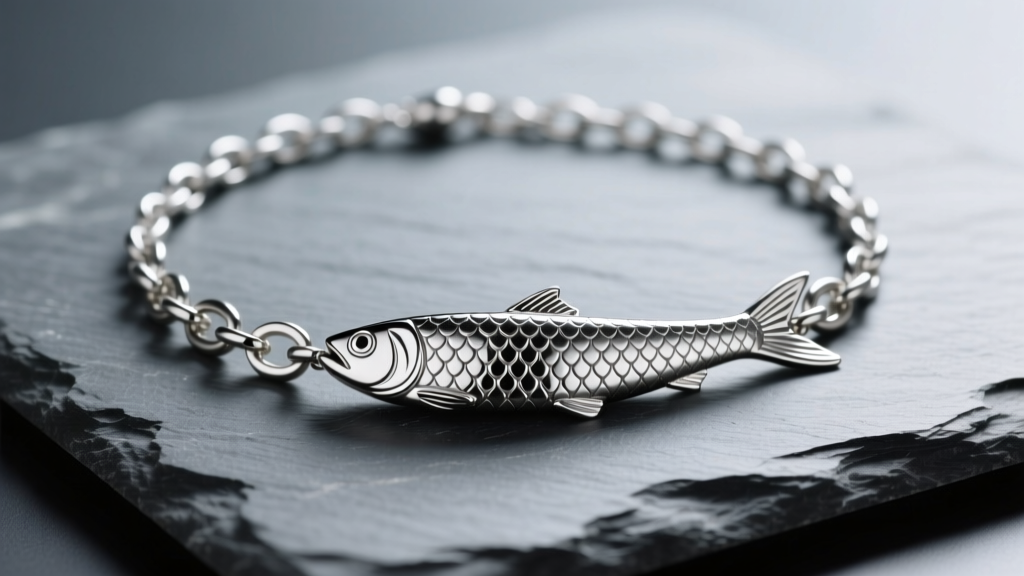
If you have ever browsed vintage jewelry cases or explored artisan silver collections, you may have encountered the term "sardine necklace." Despite the name, this iconic jewelry style has nothing to do with the ocean's most famous canned fish. Instead, a sardine necklace refers to a specific type of flat, articulated chain where the individual metal links are stamped, folded, and woven to overlap one another, closely resembling the shimmering scales or the delicate skeletal structure of a sardine.
Historically, the sardine chain gained massive popularity in the 1940s and 1950s, particularly among the renowned silversmiths of Taxco, Mexico. Artisans like Hector Aguilar and William Spratling utilized heavy 925 sterling silver to create these fluid, scale-like chains that draped across the collarbone like liquid metal. Today, the sardine necklace remains a highly sought-after style for those who want the high-shine, continuous reflection of a flat chain without the extreme fragility of a traditional herringbone.
The Anatomy of the Sardine Link
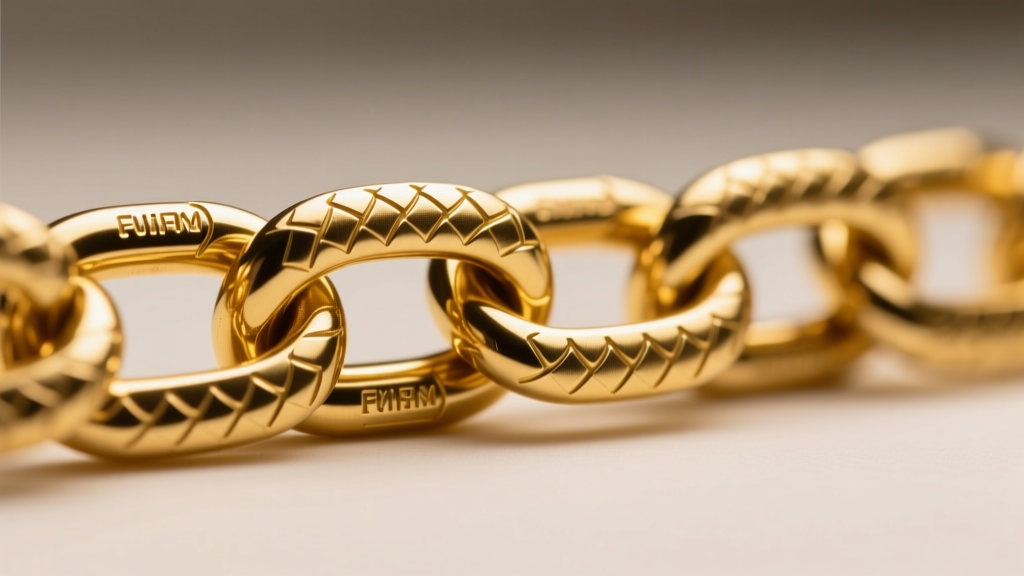
To understand why a sardine necklace behaves the way it does, you have to look at its construction. Unlike a standard cable or curb chain, where round or oval loops are soldered shut, the links of a sardine chain are typically unsoldered. They are precision-stamped from flat sheets of metal—usually sterling silver, 14k gold, or gold vermeil—and then mechanically folded and hooked over one another. This overlapping "scale" structure is what gives the necklace its signature flexibility and its ability to lay perfectly flush against the skin, creating an unbroken ribbon of reflected light.
How the Sardine Chain Compares to Other Flat Chains
Beginners often confuse sardine chains with other flat, flexible styles like herringbone or snake chains. While they all share a "liquid metal" aesthetic, their structural integrity and daily wearability differ vastly. According to fabrication resources like the Rio Grande Chain Guide, understanding the link architecture is crucial for predicting how a chain will age over time.
| Chain Type | Link Structure | Drape & Flexibility | Kink Resistance | Best For |
|---|---|---|---|---|
| Sardine | Overlapping, stamped flat scales | Fluid, lays flush | High (if folded correctly) | Everyday wear, vintage styling |
| Herringbone | Flat links woven in parallel rows | Extremely fluid | Very Low (kinks permanently) | Special occasions only |
| Snake | Tightly joined wavy rings | Stiff, tubular | Moderate | Holding heavy pendants |
| Box | Square, interlocking links | Structured, geometric | High | Modern, minimalist pendants |
As the table illustrates, the sardine chain occupies a "Goldilocks" zone. It offers the beautiful, skin-hugging drape of a herringbone chain but is significantly more resistant to permanent kinking due to the individual articulation of its overlapping scales.
Sizing, Widths, and Clasp Mechanics
When shopping for a sardine necklace, width and clasp selection are just as important as the length. Because the links lay flat, a 5mm sardine chain will visually dominate the neck much more than a 5mm round cable chain.
Width and Gauge Specifications
- Delicate (2mm - 4mm): Ideal for minimalist, everyday wear. Often worn at a 16-inch choker length or 18-inch princess length. Best in 14k gold vermeil or solid gold for longevity.
- Medium (5mm - 8mm): The classic vintage Taxco proportion. Heavy, substantial, and perfect for wearing solo as a statement piece over a V-neck or scoop neckline.
- Statement (10mm - 15mm+): Bold, architectural, and heavy. These wider sardine chains act almost like a metallic collar and are best kept at shorter 14-to-16-inch lengths to prevent them from pulling uncomfortably on the neck.
The Importance of the Clasp
One of the most common mistakes beginners make with flat chains is ignoring the clasp. A standard round spring-ring or lobster clasp will cause a flat sardine chain to constantly twist, flipping over to show the less-polished underside of the links. To maintain the chain's orientation, look for a sardine necklace finished with a flat box clasp or a specialized flat lobster clasp. Box clasps, often secured with a figure-8 safety catch, integrate seamlessly into the scale pattern and keep the necklace perfectly oriented on your collarbone.

Styling Your Sardine Necklace for Everyday Wear
The sardine necklace is a masterclass in versatile styling. Because it reflects light continuously across its surface, it acts as a natural highlighter for the décolletage.
Pairing with Necklines: The fluid drape of a sardine chain mimics the flow of silk and satin. It pairs exceptionally well with V-necks, scoop necks, and draped cowl necklines. Avoid wearing delicate 3mm sardine chains with high, stiff crew necks or heavy wool turtlenecks, as the friction can cause the delicate scales to catch and lift.
The Layering Rule: While layering is a massive trend, you must be careful when layering a sardine necklace. Never layer a sardine chain with a standard cable or rope chain. The open loops of a cable chain can easily snag the edges of the sardine scales, bending them upward and ruining the chain's flush lay. If you must layer, pair your sardine necklace with other flat chains, like a slender box chain, or wear it solo.
Care, Cleaning, and the Ultrasonic Danger
The overlapping scale structure that makes the sardine necklace so beautiful is also its greatest vulnerability when it comes to maintenance. The tight crevices between the scales are notorious for trapping sebum (skin oils), dead skin cells, lotion, and perfume. Over time, this buildup can turn into a dark, stubborn grime that dulls the metal and causes the chain to feel stiff.
Furthermore, the Gemological Institute of America (GIA) strongly advises caution when cleaning articulated jewelry. You must never put a sardine necklace in an ultrasonic cleaner. The high-frequency cavitation bubbles can force dissolved dirt deeper into the scales, and the intense vibrations can easily bend the soft, unsoldered silver folds, causing the links to unhook or warp permanently.
Step-by-Step Cleaning Routine
To safely restore the shine to your sardine chain, follow this expert-approved manual cleaning method:
- Prepare a Bath: Mix a few drops of mild, phosphate-free dish soap (like Dawn) into a bowl of lukewarm water. Avoid hot water, which can damage gold vermeil plating.
- Soak Briefly: Let the necklace soak for no more than 3 to 5 minutes to loosen surface oils.
- Brush the Scales: Using a brand-new, ultra-soft baby toothbrush, gently brush in the direction of the scales (from the clasp toward the center). Brushing against the grain can lift and bend the delicate metal folds.
- Rinse and Dry: Rinse thoroughly under lukewarm running water. Pat dry with a lint-free microfiber cloth, and allow it to air dry completely flat before storing.
For long-term storage, always lay your sardine necklace completely flat in a jewelry box or roll. Never toss it into a drawer where it can be crushed under heavier pieces, as bending the chain backward against the natural lay of the scales can cause permanent structural damage.
Final Thoughts
A sardine necklace is more than just a piece of jewelry; it is a feat of mid-century metalworking that continues to captivate modern collectors and style enthusiasts. By understanding its unique anatomy, choosing the right clasp, and committing to gentle, manual cleaning, you can ensure that your sardine chain maintains its legendary liquid-metal drape for decades to come. Whether you opt for a vintage 925 sterling silver Taxco piece or a modern 14k gold vermeil iteration, the sardine necklace remains an unparalleled masterclass in wearable, reflective art.


