How to Clean & Maintain Your Personal Air Purifier Necklace
Learn how to properly clean, maintain, and troubleshoot your personal air purifier necklace to ensure optimal ion output and extend device lifespan.

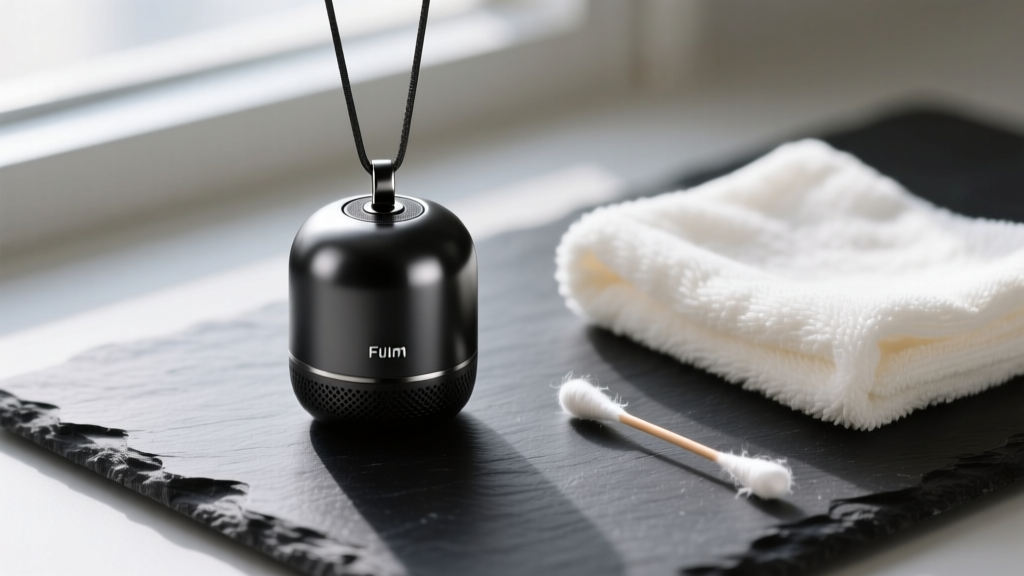
The Intersection of Wearable Tech and Pendant Jewelry
As of 2026, the boundary between functional wearable technology and aesthetic jewelry has completely blurred. The personal air purifier necklace—often referred to as a wearable negative ion generator—has evolved from clunky, plastic medical devices into sleek, pendant-style accessories crafted from titanium, ceramic, and enamelled alloys. However, because these pendants rely on corona discharge technology to emit millions of negative ions per cubic centimeter, they require a highly specific maintenance regimen that standard jewelry does not.
Treating an air purifier necklace like a standard silver or gold pendant is a fast track to ruining its internal step-up transformer and insulating the emitter nodes. This comprehensive guide bridges the gap between jewelry care and tech maintenance, ensuring your wearable ionizer continues to function optimally while retaining its aesthetic appeal.
Anatomy of a Personal Air Purifier Necklace
To properly clean and maintain your device, you must understand its three distinct zones, each requiring different care protocols:
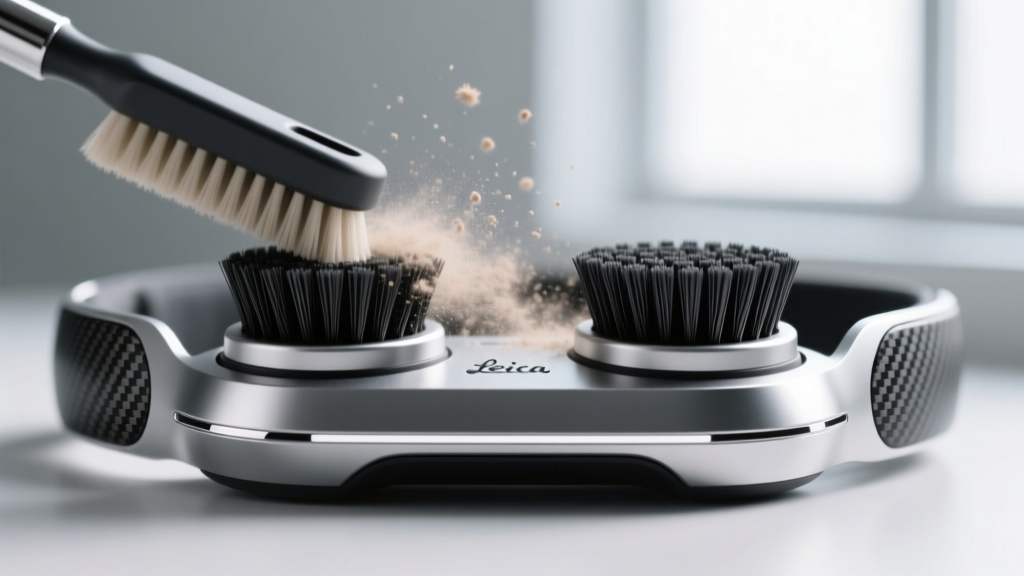
- The Emitter Nodes: Typically dual carbon-fiber or titanium brushes that protrude from the top of the pendant. These generate the high-voltage (5kV–10kV) corona discharge necessary to create negative ions.
- The Outer Casing: The decorative shell. Modern 2026 models frequently use aerospace-grade aluminum, matte silicone, or high-density ABS plastic, often finished with ceramic coatings for a jewelry-like luster.
- The Suspension System: The chain, lanyard, or clasp mechanism that grounds the pendant against your chest, ideally positioned 12 to 18 inches from the chin for optimal inhalation zone coverage.
The Dielectric Problem: Why Emitters Fail
The most common reason users believe their personal air purifier necklace has 'stopped working' is not a battery failure, but a dielectric barrier. Human skin produces sebum (oil), and the ambient environment is full of microscopic dust and pollen. Because the emitter nodes carry a high electrostatic charge, they act as magnets for airborne particulates and skin oils.
When a microscopic layer of oil or dust coats the carbon-fiber tips, it acts as a dielectric insulator. This prevents the voltage from breaking down the surrounding air molecules, dropping the ion output from an effective 10^6 ions/cm³ to near zero. Regular, precise cleaning of these nodes is non-negotiable for device efficacy.
Step-by-Step Cleaning Protocol
Never submerge a personal air purifier necklace in water unless it carries a verified IP68 rating (most are only IP54 splash-resistant). Follow this dry-and-damp protocol instead.
1. Emitter Node Maintenance (Weekly)
- Power Down: Always turn the device completely off before cleaning to prevent static shock and protect the internal circuitry.
- Dry Brushing: Use a clean, ultra-soft makeup brush or a dedicated anti-static electronics brush to gently sweep away loose dust from the carbon-fiber or titanium bristles.
- Solvent Wipe: Dampen a cotton swab with 90% or higher isopropyl alcohol (IPA). Do not use water, as it leaves mineral deposits that can cause electrical arcing. Gently swab the base and tips of the emitter nodes.
- Evaporation: Allow the IPA to fully evaporate (usually 30 seconds) before powering the device back on.
2. Casing and Chassis Sanitization (Bi-Weekly)
The cleaning agent you use depends entirely on the pendant's casing material:
- Silicone & TPU Casing: Wipe with a microfiber cloth dampened with warm water and a drop of mild dish soap. Avoid alcohol, which can degrade the matte finish and cause the silicone to become sticky over time.
- ABS Plastic: Use a dedicated electronics screen cleaner or a 50/50 distilled water and white vinegar mix. Never use acetone, ammonia, or harsh household degreasers, as these will cause micro-fractures and cloud the plastic.
- Metal & Ceramic Shells: A standard jewelry polishing cloth is safe for the outer metallic bands, but keep polishing compounds away from the emitter ports and charging seams.
Maintenance Schedule & Battery Health
Most wearable ionizers utilize small 3.7V lithium-ion polymer (LiPo) batteries. According to Battery University, Li-ion batteries suffer from deep-discharge stress and high-voltage saturation. To maximize the lifespan of your necklace's power cell, avoid letting it drain to 0% and avoid leaving it plugged in overnight.
| Component | Frequency | Method / Tool | Critical Warning |
|---|---|---|---|
| Emitter Nodes | Weekly | 99% IPA & Cotton Swab | Never use water or abrasive cloths. |
| Outer Casing | Bi-Weekly | Microfiber & Mild Soap | Keep moisture away from USB seams. |
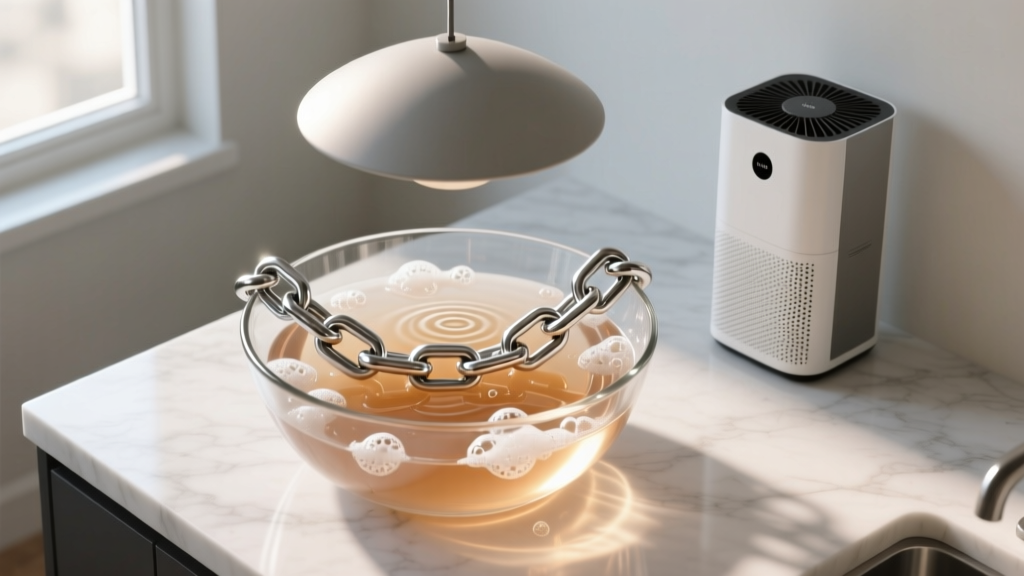
| Metal Chain | Monthly | Warm Soapy Water Soak | Detach chain from pendant first. |
| Battery Calibration | Bi-Annually | Full drain to 5%, then 100% | Only for devices with BMS chips. |
Chain, Lanyard, and Clasp Care
The suspension system of your air purifier necklace requires traditional jewelry maintenance, but with a few tech-specific caveats. If your pendant uses a metal chain, it must be detached from the main unit before cleaning.
316L Stainless Steel Chains: These are hypoallergenic and highly resistant to tarnish. Soak them in a bowl of warm water and a few drops of gentle dish detergent for 10 minutes. Scrub lightly with a soft-bristled toothbrush, rinse, and dry completely before reattaching.
Silicone Lanyards: Many sport-oriented ionizers use silicone cords. These absorb sweat and dead skin cells, which can harbor bacteria and cause contact dermatitis. Wash these weekly with antibacterial soap and warm water, and allow them to air dry out of direct sunlight to prevent UV degradation.
The Grounding Factor: Be aware that highly conductive metal chains can sometimes interact with poorly shielded, budget-friendly ionizers, causing a mild static tingling on the back of the neck. If you experience this, switching to a fabric or silicone lanyard will resolve the grounding issue immediately.
Troubleshooting Common Ionizer Failures
Even with meticulous care, wearable tech can experience hiccups. Here is how to diagnose the most common issues:
- The 'Ozone' Smell: A properly functioning negative ion generator should be completely odorless. If you detect a sharp, bleach-like scent (ozone), the internal voltage regulator has likely failed, causing the device to produce O3 instead of negative ions. The EPA strongly warns against inhaling ozone. If this occurs, discontinue use immediately and contact the manufacturer; cleaning will not fix a hardware voltage fault.
- Audible Buzzing or Clicking: A faint hiss is normal for corona discharge. However, loud snapping or buzzing indicates that moisture or a large dust particle is causing electrical arcing between the emitter and the casing. Turn it off, clean the nodes with IPA, and let it dry for an hour.
- Rapid Battery Drain: If your necklace dies in under two hours, the LiPo battery has likely swollen or degraded due to heat exposure (such as being left on a car dashboard). The internal battery will need professional replacement.
Expert Tip: Never store your personal air purifier necklace in a sealed plastic bag or an airtight jewelry box while it is powered on. The continuous ionization in an unventilated space will rapidly accelerate ozone buildup and degrade the internal circuitry through oxidation.
Final Thoughts
A personal air purifier necklace is a sophisticated hybrid of functional electronics and pendant jewelry. By respecting the delicate high-voltage emitters, utilizing the correct solvents for your specific casing material, and maintaining the suspension chain, you can ensure your device operates at peak efficiency. Consistent maintenance not only protects your investment but ensures you are breathing the clean, ionized air the device was engineered to deliver.


