The Raw Mens Gem Necklace: 2026 Style & Trend Analysis
Discover the 2026 trends shaping the mens gem necklace market. Explore raw stone grades, chain gauges, and expert styling frameworks for modern men.

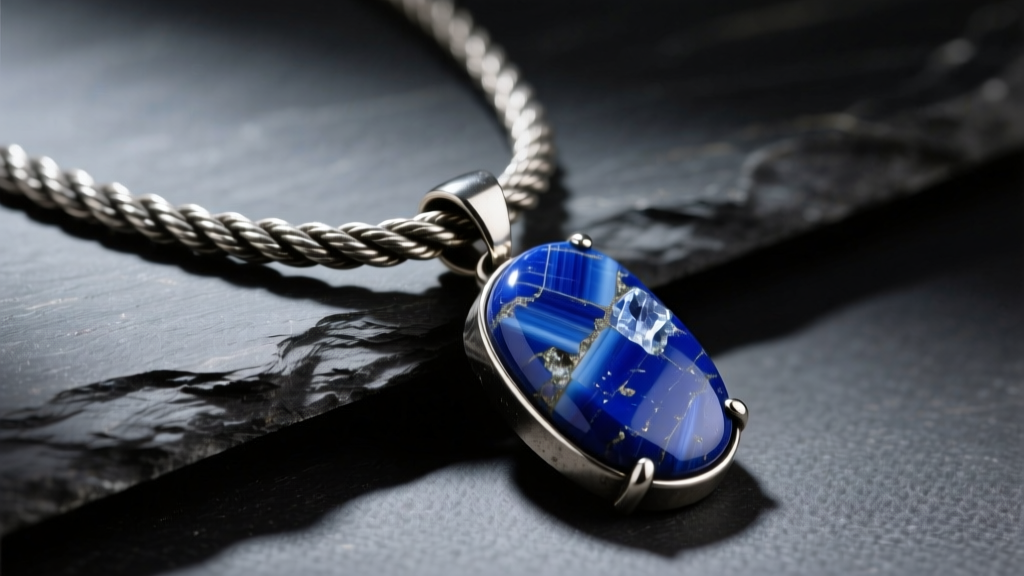
The landscape of men's jewelry has fundamentally shifted. We have moved far beyond the era of the minimalist, unadorned silver chain. As we navigate 2026, the undisputed focal point of male adornment is the mens gem necklace, with a distinct cultural pivot toward raw, unpolished, and esoteric stones. Today's style radar shows that modern men are rejecting hyper-refined, perfectly faceted gemstones in favor of pieces that feel talismanic, grounded, and inherently unique.
This comprehensive style and trend analysis breaks down the metallurgy, gemology, and styling frameworks you need to master the raw gemstone trend this year.
The 2026 Aesthetic: From Polished to Primal
According to recent menswear forecasts highlighted by GQ, the "talismanic" trend in men's accessories is driven by a desire for authenticity and individuality. A perfectly cut diamond or sapphire feels corporate and mass-produced to the contemporary consumer. Conversely, a raw, uncut gemstone carries natural inclusions, matrix webbing, and crystalline striations that act as a geological fingerprint.
The modern mens gem necklace leans heavily into stones that look as though they were pulled directly from the earth rather than a lapidary's wheel. This primal aesthetic pairs exceptionally well with the current dominance of textured streetwear, heavyweight vintage cottons, and relaxed tailoring. It is less about flashing wealth and more about signaling an appreciation for natural art and esoteric history.
Decoding the Stones: Grades, Hardness, and Pricing
Not all raw stones are created equal, and understanding gemstone grading is critical when investing in a high-quality pendant. The market is currently saturated with low-grade, heavily treated stones. Here is what you should be looking for in 2026:
- Afghan Lapis Lazuli: The gold standard for blue stones. You want deep, ultramarine blue with distinct, sparkling pyrite (fool's gold) flecks. Avoid Chilean grades, which often feature heavy white calcite matrix and are frequently dyed to mimic Afghan stones.
- Spectrolite Labradorite: While standard labradorite flashes mostly blue and green, true Finnish Spectrolite exhibits a full spectrum of color, including rare oranges and purples. The "flash" should be visible from multiple angles, not just a single dead spot.
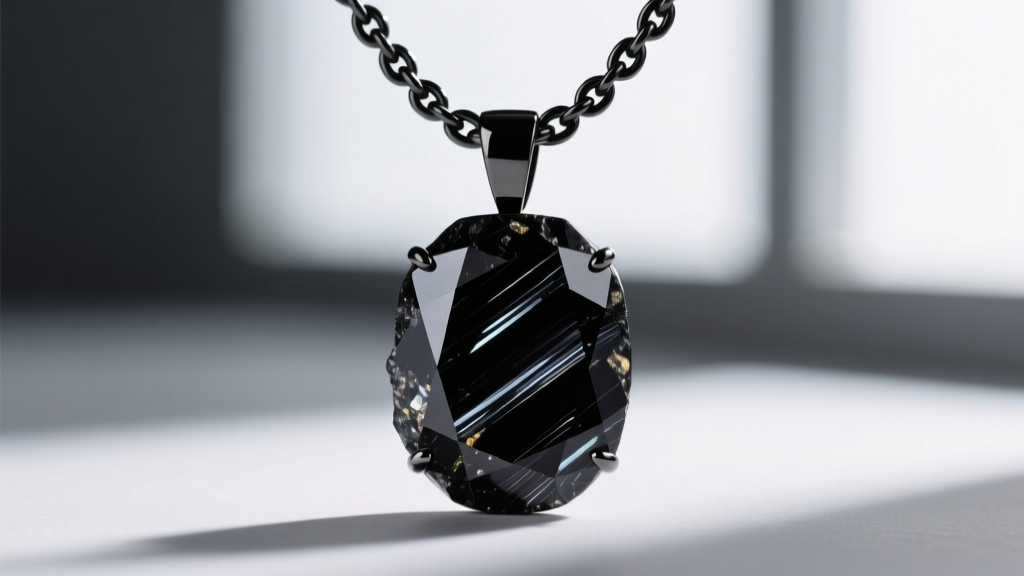
- Raw Black Tourmaline (Schorl):strong> Highly sought after for its protective lore and striking, jagged crystalline structure. Look for pieces with distinct vertical striations rather than smooth, tumbled nodules.
| Gemstone | Mohs Hardness | 2026 Trend Status | Avg. Pendant Price (Raw/Unset) |
|---|---|---|---|
| Afghan Lapis Lazuli | 5.0 - 6.0 | High Demand (Heritage) | $85 - $250 |
| Spectrolite | 6.0 - 6.5 | Rising (Esoteric) | $120 - $300 |
| Black Tourmaline | 7.0 - 7.5 | Staple (Streetwear) | $40 - $120 |
| Matrix Opal | 5.5 - 6.5 | Niche (Avant-Garde) | $150 - $450 |
Note: Prices reflect the raw or lightly bezel-set stone. Precious metal settings (14k gold, platinum) will increase the final price by $300 to $800+.
Chain Metallurgy and Gauge Specifications
A common failure point in men's jewelry is pairing a heavy, dense gemstone pendant with an inadequate chain. Raw gemstones are remarkably dense; a 1.5-inch raw tourmaline point can easily weigh between 15 and 30 grams. Standard 1.5mm cable chains will snap under this dynamic load.
The Gauge Rule
For any mens gem necklace featuring a pendant over 10 grams, you must step up to a 3.0mm to 4.5mm chain. The Wheat (Spiga) chain is the premier choice for 2026. Its four-strand woven structure distributes weight evenly and resists kinking, making it vastly superior to standard rope or box chains for heavy pendants.
Metallurgy Breakdown
- 316L Surgical Steel: The ultimate utilitarian choice. It will not tarnish, is entirely hypoallergenic, and handles the weight of raw stones without stretching. Ideal for daily streetwear.
- 925 Sterling Silver: The traditionalist's choice. It offers a brilliant luster that complements the matte finish of raw gems. However, it requires monthly polishing and will oxidize when exposed to sweat and sulfur.
- 14k Solid Gold: The investment tier. 14k provides the necessary tensile strength (unlike softer 18k or 24k) while offering a warm contrast to dark stones like onyx or tourmaline.
Pro-Tip on Clasps: Standard lobster claws are prone to failure under heavy loads. For pendants exceeding 20 grams, upgrade your hardware to a Trigger Clasp (which features a locking mechanism) or a heavy-duty T-Bar Toggle to ensure your investment stays secure.
The Styling Framework: Lengths and Necklines
The impact of a mens gem necklace is entirely dependent on where the pendant rests on the sternum relative to your wardrobe. The 2026 styling framework relies on three distinct drop lengths:
18-Inch Drop: The Collarbone Anchor
This length sits high, resting directly on or just above the collarbone. It is best reserved for smaller, lighter raw stones (under 10g). Best paired with: Deep V-necks, unbuttoned linen camp-collar shirts, or worn as the top layer in a complex, multi-chain stack.
20-Inch Drop: The Versatile Standard
Falling just below the collarbone, the 20-inch chain is the undisputed workhorse of men's jewelry. It allows a mid-sized raw gem pendant to rest perfectly in the negative space of a crew neck t-shirt or a lightweight henley. This length bridges the gap between casual weekend wear and smart-casual evening attire.
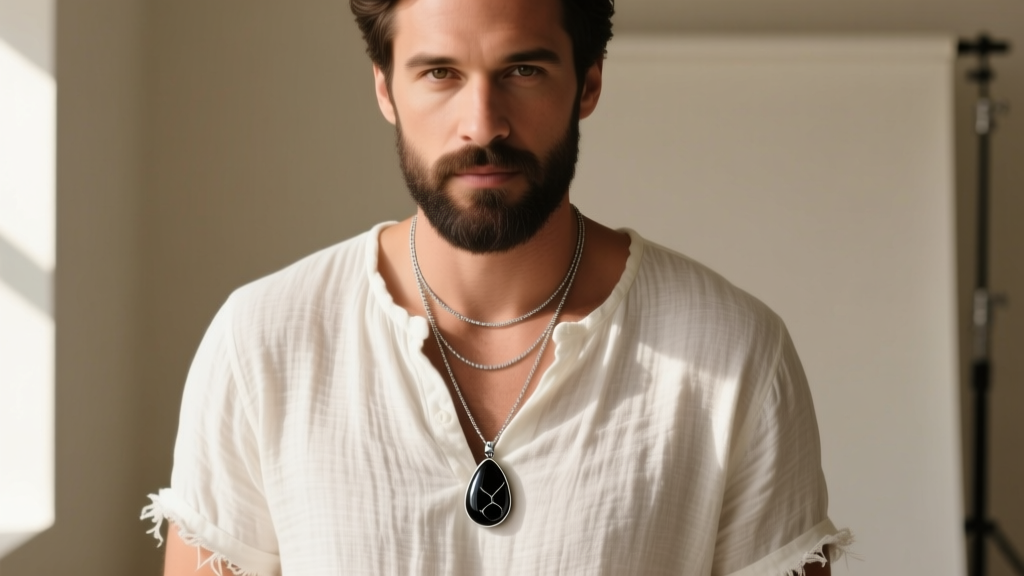
24-Inch Drop: The Statement Piece
Sitting squarely on the mid-sternum, the 24-inch chain is designed for large, bold talismanic stones. This length is a staple in modern streetwear and high-fashion layering. Best paired with: Heavyweight hoodies, oversized knitwear, or worn over a plain, heavyweight black tee to let the raw stone command total attention.
Authenticity Checks: Avoiding the Fakes
As the demand for raw gemstone jewelry surges, so does the market for sophisticated imitations. The Gemological Institute of America (GIA) frequently warns consumers about treated and synthetic stones masquerading as natural gems. Here is how to protect your investment:
- The Acetone Test for Lapis and Turquoise: Low-grade howlite and white calcite are routinely dyed blue to mimic high-end gems. Swipe a cotton swab dipped in nail polish remover (acetone) across an inconspicuous part of the stone. If the swab turns blue, you are holding a dyed fake.
- Inspecting Tourmaline Striations: Molded glass imitations of black tourmaline are common in fast-fashion markets. Use a jeweler's loupe to inspect the surface. Real raw tourmaline will have sharp, distinct vertical ridges and natural pitting. Glass will appear slightly rounded, with smooth, melted edges and occasional spherical bubbles.
- Temperature Testing: Genuine raw gemstones are thermally conductive and will feel noticeably cold to the touch when first picked up, taking several seconds to warm to your body temperature. Glass and resin composites will feel room-temperature immediately.
The Verdict on Men's Gemstone Jewelry
The 2026 mens gem necklace is not a fleeting micro-trend; it represents a permanent broadening of the male jewelry lexicon. By prioritizing raw, unpolished stones, upgrading to structurally sound Wheat chains, and understanding the geological nuances of gemstone grading, you can curate a piece that is both deeply personal and sartorially bulletproof. Whether you opt for the deep, celestial blue of Afghan Lapis or the jagged, protective geometry of raw Black Tourmaline, the key lies in embracing the beautiful imperfections of the natural world.
For further reading on the global trade and sourcing ethics of colored gemstones, industry professionals and enthusiasts alike rely on market reports from JCK Online, ensuring that the stones you wear are not only visually striking but responsibly sourced.


