Chain Necklaces Indiana Makers: 2026 Trend Report
Discover 2026 chain necklaces Indiana trends. Explore Midwest styles, artisan metal grades, gauge sizes, and layering techniques from local Hoosier makers.

The Midwest Aesthetic: Defining Indiana's Chain Jewelry Scene
The Midwest has long been overlooked in high-fashion jewelry discourse, but 2026 marks a definitive shift in regional design influence. When analyzing the surging demand for chain necklaces Indiana artisans are producing, we see a distinct departure from coastal minimalism. Indiana's jewelry scene is deeply rooted in its industrial heritage and agricultural landscapes, resulting in chain designs that prioritize structural integrity, mixed-metal patinas, and heavyweight gauges. Rather than chasing ultra-delicate, barely-there chains, Hoosier makers are leaning into architectural links, oxidized finishes, and robust hardware that can withstand the rigors of daily wear while making a bold stylistic statement.
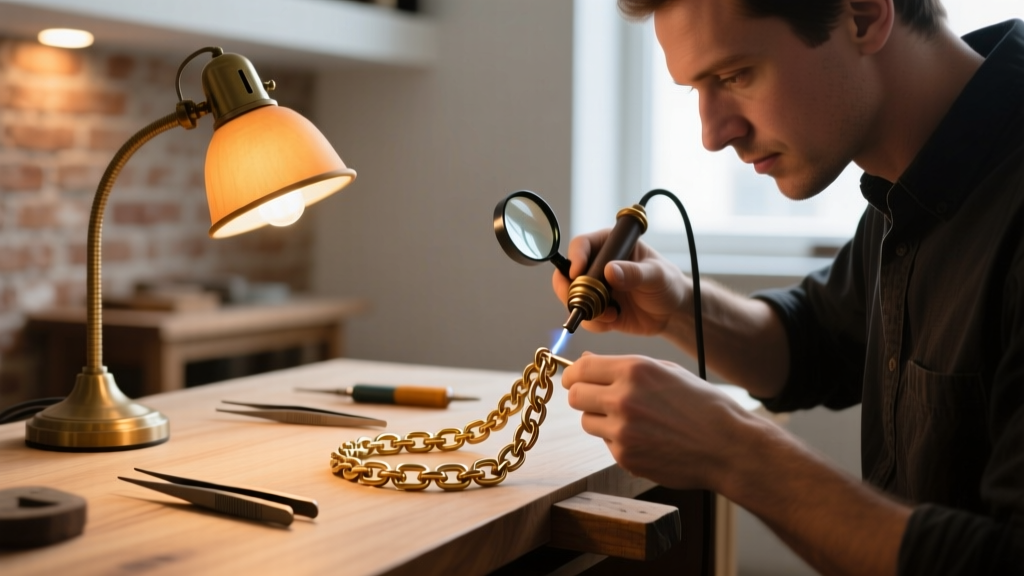
According to regional market data highlighted by American Craft Council, Midwestern consumers are increasingly valuing provenance and material longevity over fast-fashion trends. This has led to a renaissance in hand-forged and hand-soldered chainmail techniques within Indianapolis, Bloomington, and Fort Wayne artisan hubs. The modern Indiana chain necklace is not merely an accessory; it is a piece of wearable infrastructure, designed with the same pragmatic elegance that defines the state's architectural history.
Top Chain Styles Dominating the Hoosier State in 2026
To understand the current market, we must look at the specific chain profiles that Indiana jewelers are fabricating. The trend is heavily skewed toward chains that offer visual weight and tactile satisfaction.
The Heavyweight Industrial Curb (10-12 Gauge)
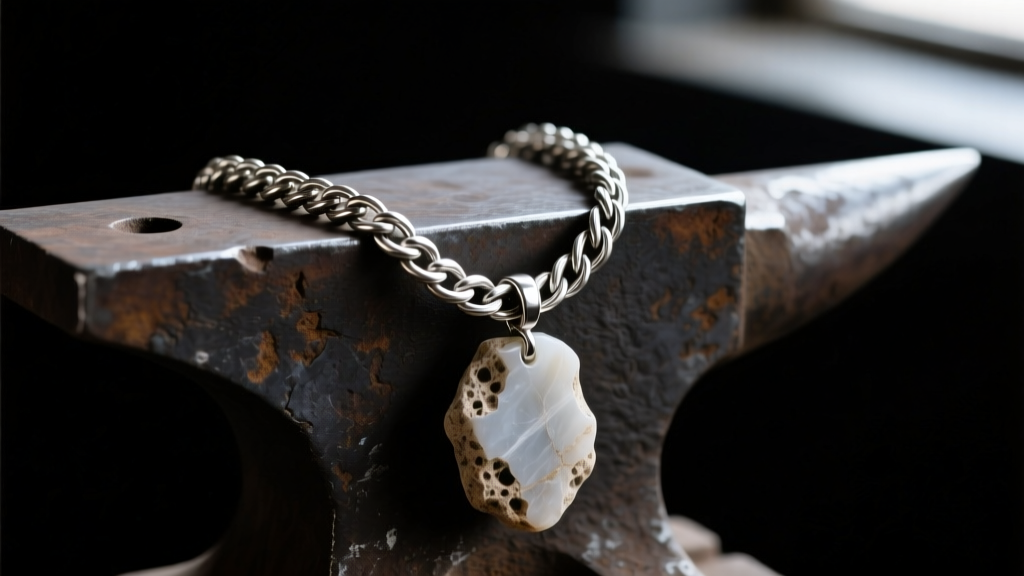
Forget the flimsy, hollow-curb chains of the early 2010s. In 2026, Indiana makers are working with 10-gauge (2.58mm) and 12-gauge (2.05mm) solid brass and sterling silver wire to create flattened curb chains that sit flush against the collarbone. These chains are individually link-soldered using laser welding to ensure the structural integrity of the 925 sterling silver. Because a 20-inch 10-gauge solid silver curb can weigh upwards of 55 grams, makers are abandoning standard 5mm spring rings—which fail under tensile stress—in favor of 12x18mm stainless steel lobster clasps or custom-cast brass T-bar toggles.
The Heritage Wheat Chain (16-18 Gauge)
Drawing inspiration from Indiana's vast agricultural plains, the woven wheat chain (or spiga chain) has seen a massive resurgence. Artisans are utilizing 16-gauge (1.29mm) and 18-gauge (1.02mm) wire to create a continuous, braided rope effect. This style is prized for its incredible durability; the woven structure prevents kinking, a common failure point in standard cable chains. Makers are often finishing these chains with a light liver-of-sulfur oxidation to darken the recesses of the weave, highlighting the intricate metalwork and giving the piece an heirloom, vintage quality right off the bench.
The Architectural Paperclip (14-16 Gauge)
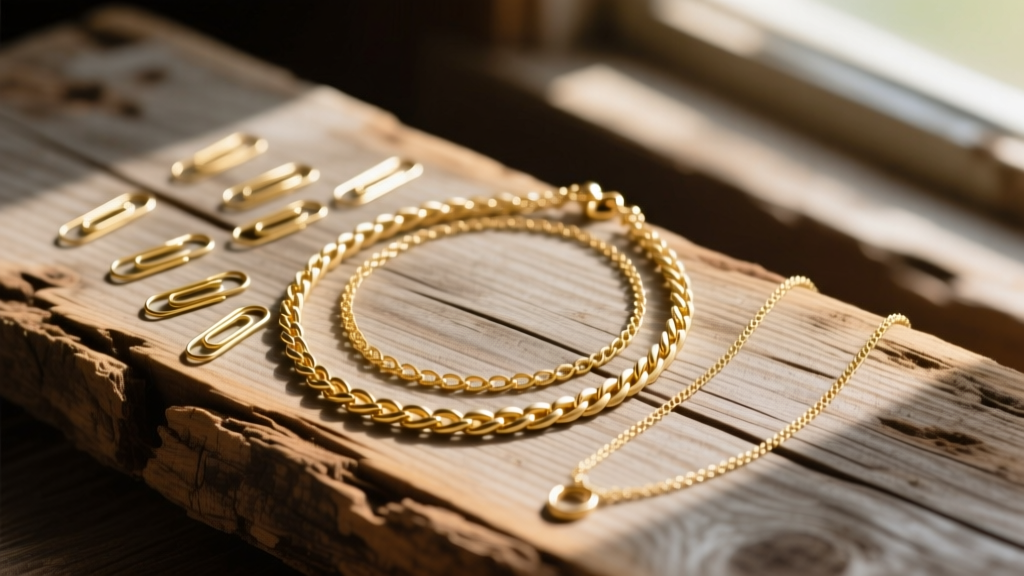
The paperclip chain remains a staple, but the Indiana interpretation is distinctly bolder. Instead of the thin, stamped sheet-metal links seen in mass-market retail, local jewelers are hand-forming 14-gauge (1.62mm) rectangular links with soft, filed edges. These elongated links catch the light beautifully and provide a modern, geometric contrast to the state's rustic fashion staples. Many makers are experimenting with mixed-metal paperclips, alternating 14k gold-filled links with oxidized sterling silver to create a two-tone effect that bridges the gap between warm and cool metal palettes.
Material Grades & Sourcing: What Indiana Makers Use
Material selection is where Indiana artisans truly differentiate themselves from overseas mass-producers. The humidity and temperature fluctuations of the Midwest climate require metals that resist delamination and excessive tarnishing. According to metallurgical standards outlined by the Gemological Institute of America (GIA), the distinction between gold-filled and gold-plated is critical for longevity. Indiana makers overwhelmingly prefer 14/20 gold-filled wire (where 1/20th of the total weight is solid 14k gold mechanically bonded to a brass core) over gold plate, which is measured in mere microns and will quickly wear through to the base metal.
| Material Grade | Specification | Avg. Price Range (18" Chain) | Durability & Climate Response |
|---|---|---|---|
| 925 Sterling Silver | 92.5% Silver, 7.5% Copper | $120 - $280 | High. Requires occasional polishing. Develops a natural patina in humid summers. |
| 14/20 Gold-Filled | 5% 14k Gold by weight | $85 - $160 | Very High. Will not flake or delaminate. Withstands Midwest temperature shifts. |
| Jeweler's Brass | 85% Copper, 15% Zinc | $45 - $95 | Moderate. Prone to oxidation. Often sealed with micro-crystalline wax by artisans. |
| Solid 14k Gold | 58.5% Pure Gold | $650 - $1,400+ | Exceptional. Tarnish-resistant. Reserved for fine, heirloom-commission pieces. |
For base metals, jeweler's brass and architectural bronze are highly favored for their warm, earthy tones. To combat oxidation, many Indiana makers finish brass chains with Renaissance Wax, a micro-crystalline polymer that seals the metal against moisture without leaving a plastic-like residue.
Sourcing Local: Indiana's Artisan Hubs
If you are looking to acquire authentic, locally crafted chain necklaces, several key geographic hubs serve as the epicenter of the state's jewelry renaissance. The Mass Ave Arts District in Indianapolis is home to numerous independent studios where you can watch jewelers draw their own wire and weave chainmail in real-time. In Bloomington, the influence of the university and a thriving indie-craft scene has birthed a subculture of experimental metalworkers who blend traditional chain forging with recycled electronic components and raw, uncut Indiana limestone.
Industry publications like JCK Magazine have recently noted that regional craft fairs and maker markets in the Midwest are seeing record attendance, with consumers actively seeking out the maker's mark and a verifiable local supply chain. Buying a chain from an Indiana maker in 2026 means investing in a localized micro-economy where the metal is often sourced from regional refineries and the fabrication happens entirely within state lines.
Styling & Layering Framework for Midwest Winters
A heavy, hand-forged chain is only as good as its styling. The Midwest climate demands a wardrobe of heavy knits, turtlenecks, and layered flannels, which can easily swallow delicate jewelry. Indiana stylists recommend the 'Winter Cascade' framework to ensure your chain necklaces remain visible and structurally complementary to cold-weather garments.
- The Base Layer (16-18 Inches): Start with an 18-gauge wheat or cable chain in gold-filled or sterling silver. This should sit just below the collarbone, resting against the skin or the very top edge of a crewneck sweater. It provides a subtle gleam without tangling in heavier fabrics.
- The Anchor Layer (20-22 Inches): This is where the architectural paperclip chain shines. A 14-gauge, 20-inch paperclip chain will rest perfectly over a ribbed turtleneck. The elongated links mimic the vertical lines of the knitwear, creating a cohesive, elongating visual effect.
- The Statement Layer (24-28 Inches): Finish with a heavyweight 10-gauge or 12-gauge oxidized curb chain. Worn at opera length (28 inches), this piece acts as a bold focal point over heavy wool coats or oversized cardigans. The dark, oxidized finish of the silver provides a striking contrast against camel, charcoal, and navy winter textiles.
When layering chains of varying gauges, always ensure the heaviest chain is the longest. If a heavy 10-gauge chain sits higher than a lighter 18-gauge chain, the heavier links will crush and kink the finer wire beneath it. By following the descending weight-to-length ratio, you protect the structural integrity of your jewelry while achieving a masterful, regionally inspired aesthetic that defines the best of the 2026 Midwest jewelry movement.


